Lorthongpanich Chanchao, Charoenwongpaiboon Thanapon, Supakun Prapasri, Klaewkla Methus, Kheolamai Pakpoom, Issaragrisil Surapol
Siriraj Center of Excellence for Stem Cell Research, Department of Medicine, Faculty of Medicine Siriraj Hospital, Mahidol University, Bangkok 10700, Thailand.
Department of Chemistry, Faculty of Science, Silpakorn University, Nakhon Pathom 73000, Thailand.
Antioxidants (Basel). 2021 May 30;10(6):879. doi: 10.3390/antiox10060879.
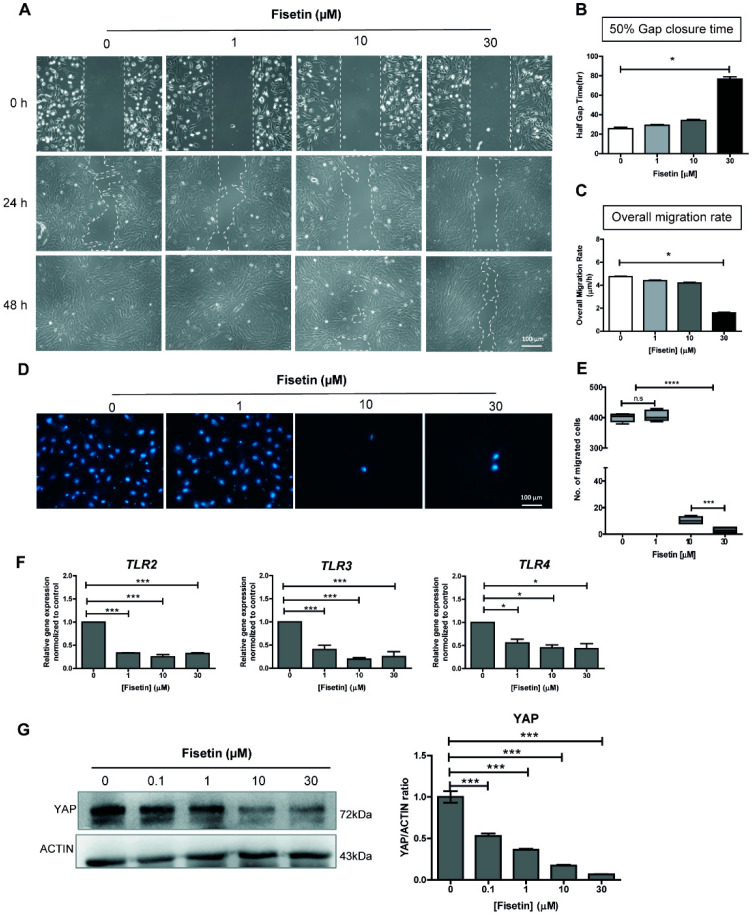
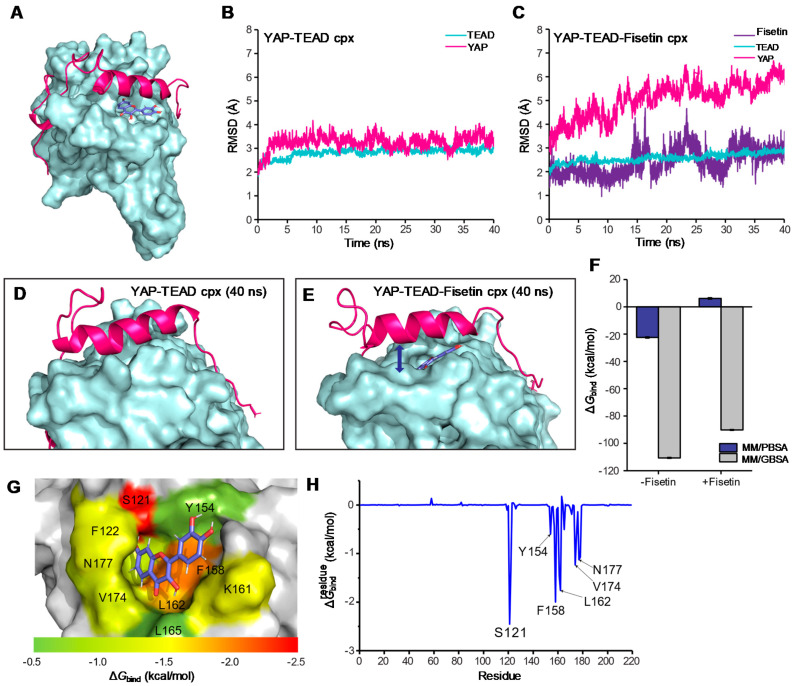
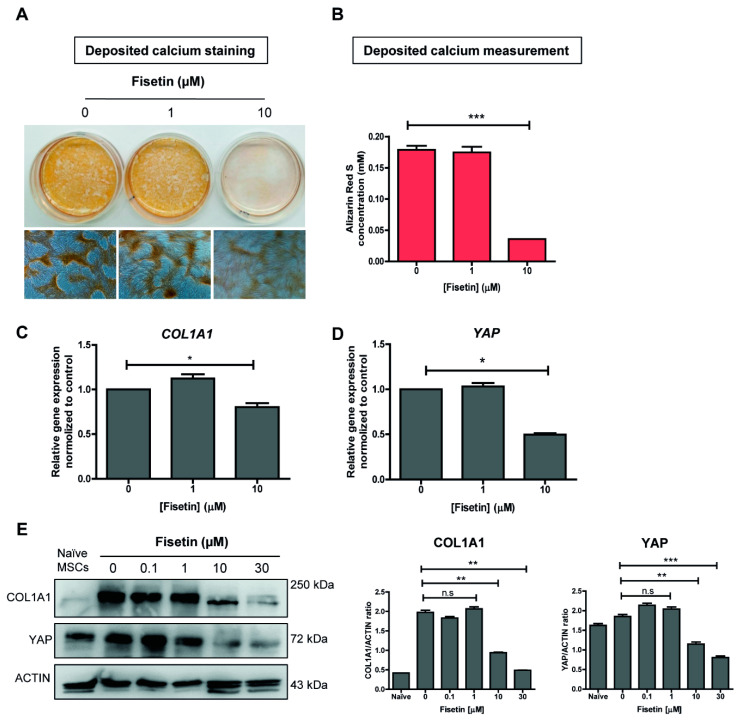
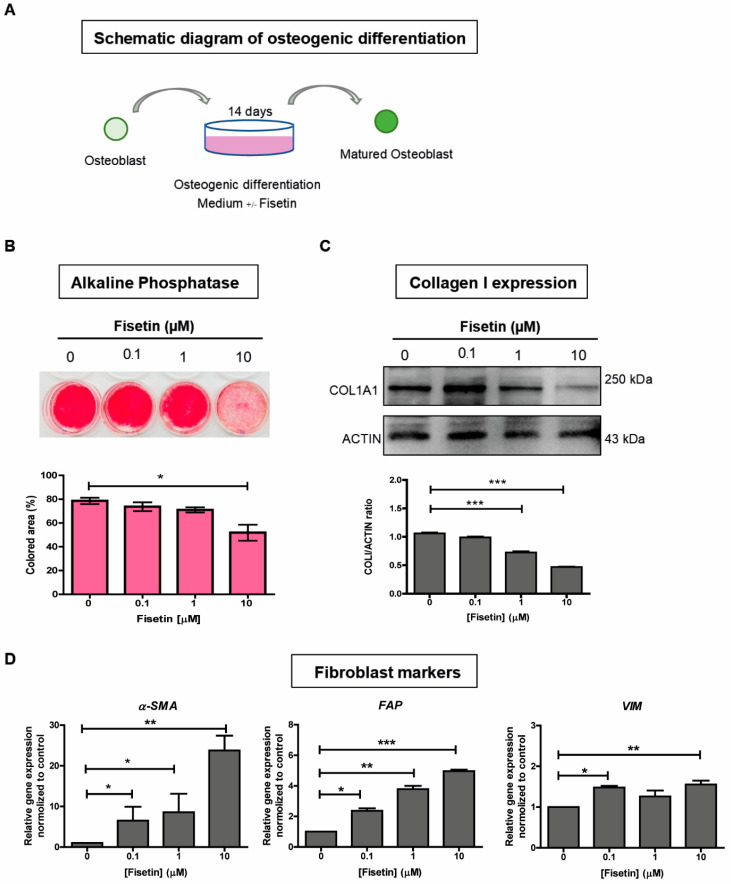
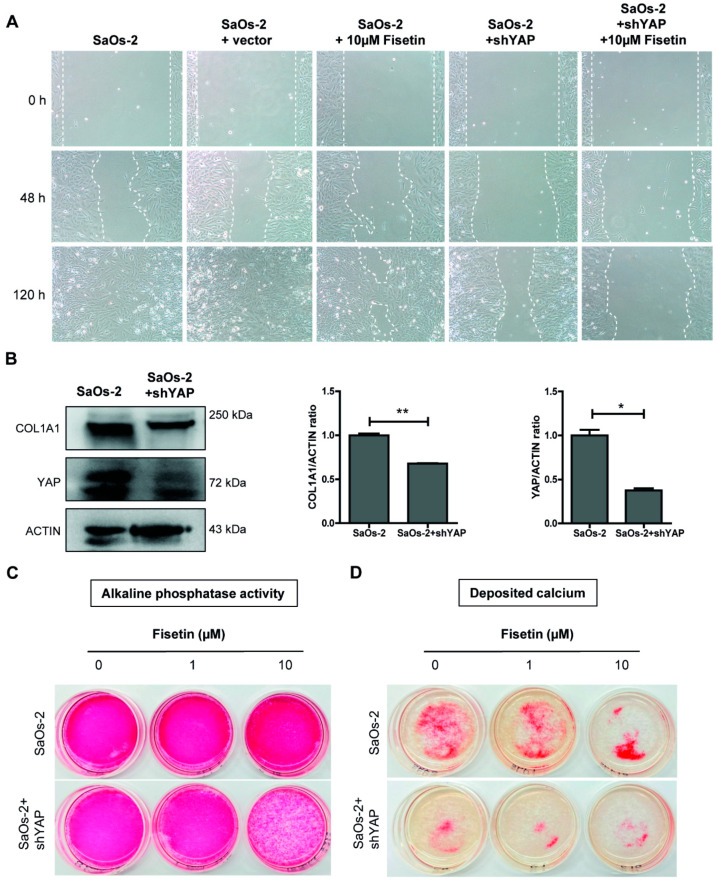
Mesenchymal stem cells (MSCs) are self-renewal and capable of differentiating to various functional cell types, including osteocytes, adipocytes, myoblasts, and chondrocytes. They are, therefore, regarded as a potential source for stem cell therapy. Fisetin is a bioactive flavonoid known as an active antioxidant molecule that has been reported to inhibit cell growth in various cell types. Fisetin was shown to play a role in regulating osteogenic differentiation in animal-derived MSCs; however, its molecular mechanism is not well understood. We, therefore, studied the effect of fisetin on the biological properties of human MSCs derived from chorion tissue and its role in human osteogenesis using MSCs and osteoblast-like cells (SaOs-2) as a model. We found that fisetin inhibited proliferation, migration, and osteogenic differentiation of MSCs as well as human SaOs-2 cells. Fisetin could reduce Yes-associated protein (YAP) activity, which results in downregulation of osteogenic genes and upregulation of fibroblast genes. Further analysis using molecular docking and molecular dynamics simulations suggests that fisetin occupied the hydrophobic TEAD pocket preventing YAP from associating with TEA domain (TEAD). This finding supports the potential application of flavonoids like fisetin as a protein-protein interaction disruptor and also suggesting an implication of fisetin in regulating human osteogenesis.
间充质干细胞(MSCs)具有自我更新能力,能够分化为多种功能细胞类型,包括骨细胞、脂肪细胞、成肌细胞和软骨细胞。因此,它们被视为干细胞治疗的潜在来源。非瑟酮是一种生物活性黄酮类化合物,作为一种活性抗氧化分子,据报道它能抑制多种细胞类型的细胞生长。已表明非瑟酮在调节动物来源的间充质干细胞的成骨分化中发挥作用;然而,其分子机制尚不清楚。因此,我们以间充质干细胞和成骨样细胞(SaOs-2)为模型,研究了非瑟酮对绒毛膜组织来源的人骨髓间充质干细胞生物学特性的影响及其在人类成骨过程中的作用。我们发现非瑟酮抑制间充质干细胞以及人SaOs-2细胞的增殖、迁移和成骨分化。非瑟酮可降低Yes相关蛋白(YAP)的活性,这导致成骨基因下调和成纤维细胞基因上调。使用分子对接和分子动力学模拟的进一步分析表明,非瑟酮占据了疏水的TEAD口袋,阻止YAP与TEA结构域(TEAD)结合。这一发现支持了非瑟酮等黄酮类化合物作为蛋白质-蛋白质相互作用破坏剂的潜在应用,并表明非瑟酮在调节人类成骨过程中的意义。