Center for Comparative Medicine, Baylor College of Medicine, Houston, Texas, United States of America.
Department of Molecular Virology and Microbiology, Baylor College of Medicine, Houston, Texas, United States of America.
PLoS Negl Trop Dis. 2021 Jun 9;15(6):e0009427. doi: 10.1371/journal.pntd.0009427. eCollection 2021 Jun.
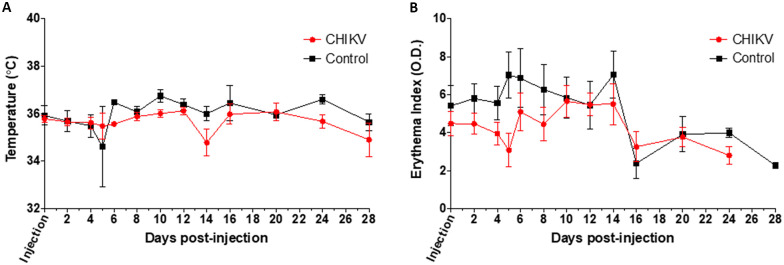
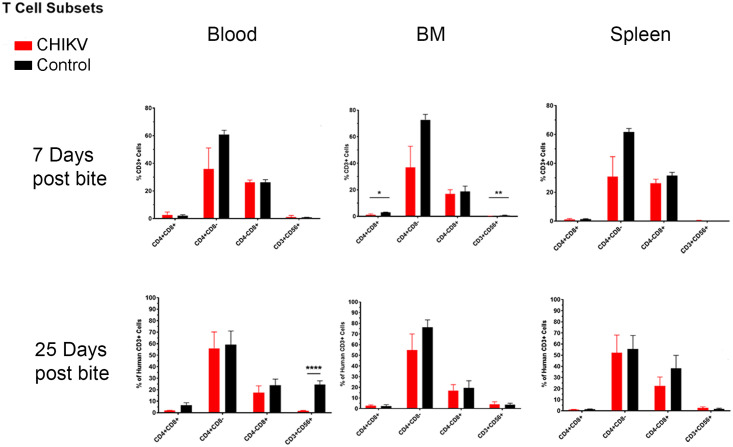
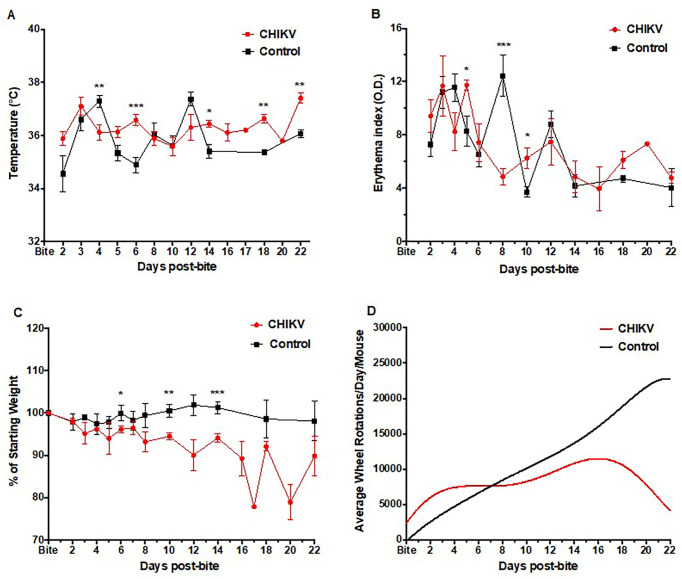
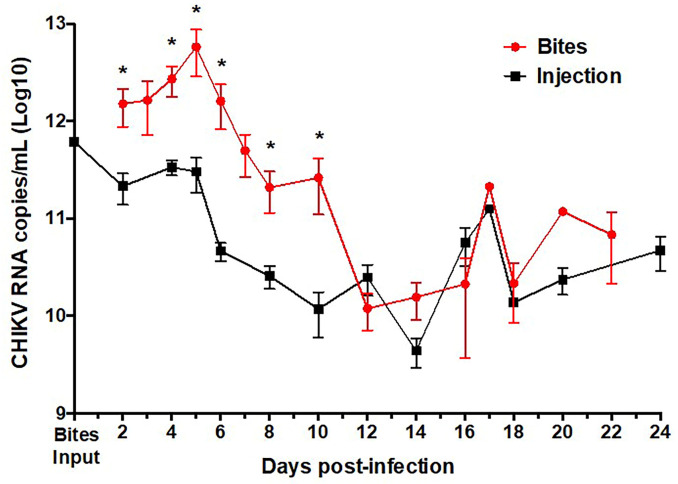
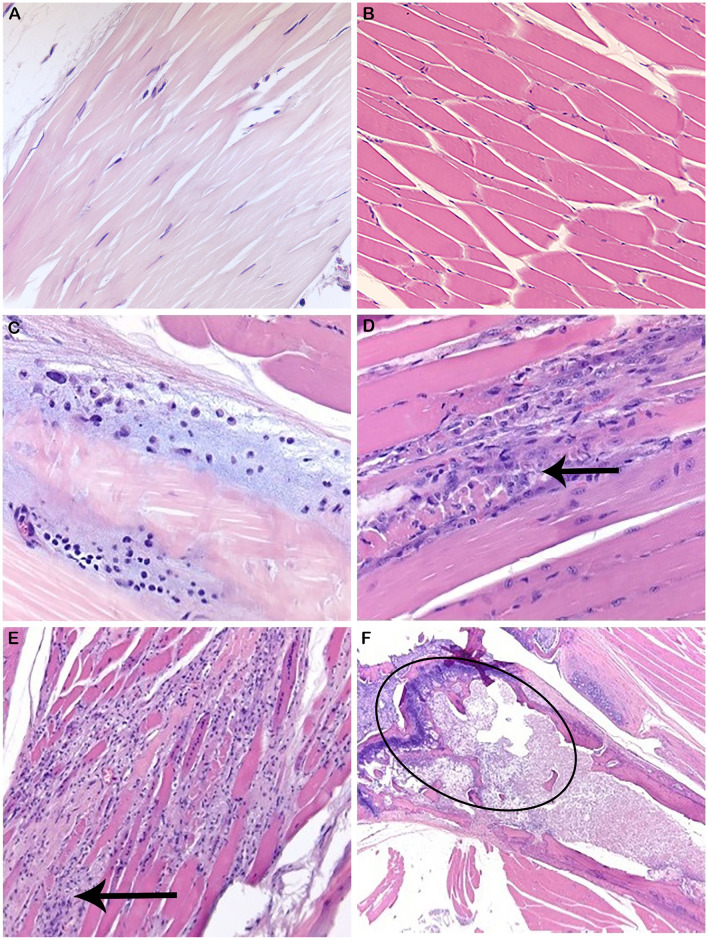
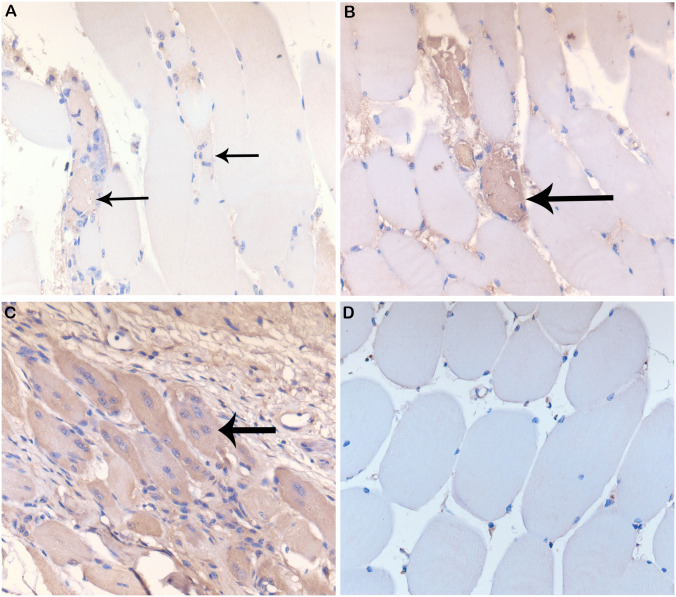
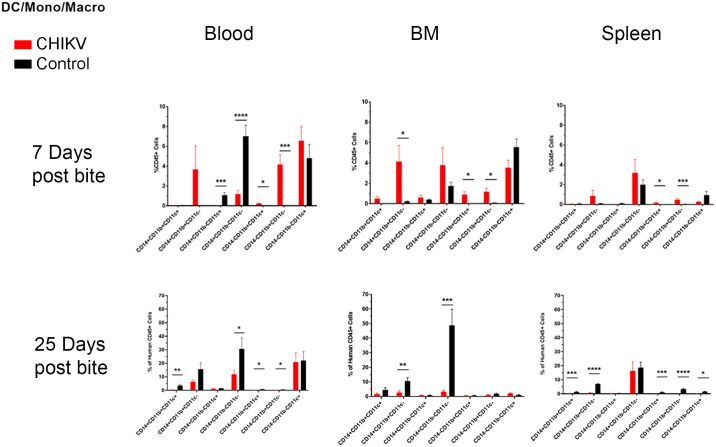
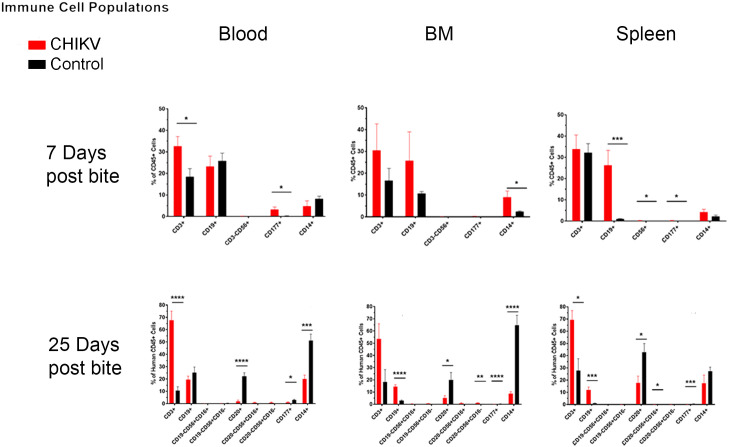
Chikungunya virus (CHIKV) is an emerging, mosquito-borne alphavirus responsible for acute to chronic arthralgias and neuropathies. Although it originated in central Africa, recent reports of disease have come from many parts of the world, including the Americas. While limiting human CHIKV cases through mosquito control has been used, it has not been entirely successful. There are currently no licensed vaccines or treatments specific for CHIKV disease, thus more work is needed to develop effective countermeasures. Current animal research on CHIKV is often not representative of human disease. Most models use CHIKV needle inoculation via unnatural routes to create immediate viremia and localized clinical signs; these methods neglect the natural route of transmission (the mosquito vector bite) and the associated human immune response. Since mosquito saliva has been shown to have a profound effect on viral pathogenesis, we evaluated a novel model of infection that included the natural vector, Aedes species mosquitoes, transmitting CHIKV to mice containing components of the human immune system. Humanized mice infected by 3-6 mosquito bites showed signs of systemic infection, with demonstrable viremia (by qRT-PCR and immunofluorescent antibody assay), mild to moderate clinical signs (by observation, histology, and immunohistochemistry), and immune responses consistent with human infection (by flow cytometry and IgM ELISA). This model should give a better understanding of human CHIKV disease and allow for more realistic evaluations of mechanisms of pathogenesis, prophylaxis, and treatments.
基孔肯雅热病毒(CHIKV)是一种新兴的、通过蚊子传播的甲病毒,可引起急性至慢性关节痛和神经炎。尽管它起源于中非,但最近该病的报告已经来自世界许多地区,包括美洲。虽然通过控制蚊子来限制人类感染 CHIKV 已被使用,但效果并不完全成功。目前,尚无针对 CHIKV 疾病的许可疫苗或特定治疗方法,因此需要做更多的工作来开发有效的对策。目前对 CHIKV 的动物研究通常不能代表人类疾病。大多数模型使用 CHIKV 通过非自然途径进行针接种,以立即产生病毒血症和局部临床症状;这些方法忽略了自然传播途径(蚊子媒介叮咬)和相关的人类免疫反应。由于已证明蚊子唾液对病毒发病机制有深远影响,我们评估了一种新的感染模型,该模型包括自然媒介,即携带 CHIKV 的埃及伊蚊,将其传播给含有人类免疫系统成分的小鼠。通过 3-6 次蚊子叮咬感染的人源化小鼠表现出全身感染的迹象,可检测到病毒血症(通过 qRT-PCR 和免疫荧光抗体检测)、轻度至中度临床症状(通过观察、组织学和免疫组织化学),以及与人类感染一致的免疫反应(通过流式细胞术和 IgM ELISA)。这种模型应该更好地了解人类 CHIKV 疾病,并允许更真实地评估发病机制、预防和治疗的机制。