Interdisciplinary School of Health Sciences, Savitribai Phule Pune University, Maharashtra, India.
School of Hospitality Management, University of Johannesburg, Johannesburg, South Africa.
J Health Popul Nutr. 2021 Jun 29;40(1):28. doi: 10.1186/s41043-021-00253-y.
Vitamin D deficiency among pregnant women is a public health concern globally. In India, individual studies report high prevalence. However, lack of national data masks the true burden. This work determined the pooled prevalence of vitamin D deficiency among pregnant women in India through a systematic review of literature and meta-analysis.
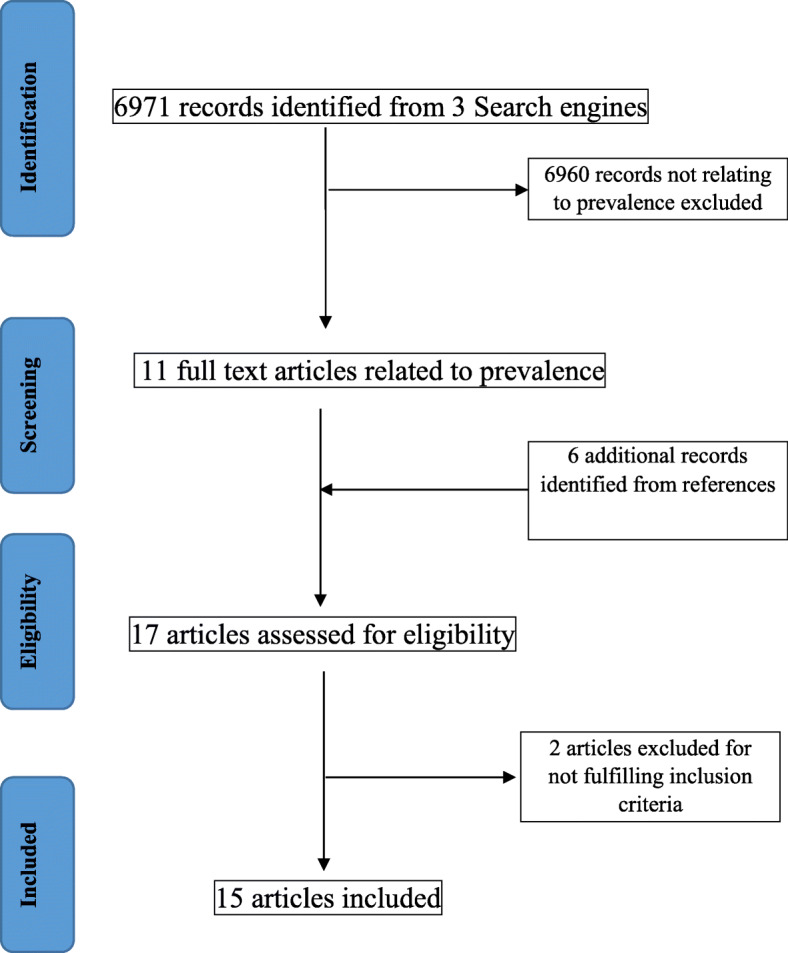
Three different search engines yielded 15 eligible articles. Study quality was assessed by 10 different criteria and summary of study quality was categorized as per Cochrane standards. Meta-analysis was performed to estimate pooled prevalence of vitamin D deficiency among healthy pregnant women and heterogeneity among selected studies. A sample of n = 4088 was used to study the pooled prevalence among pregnant women.
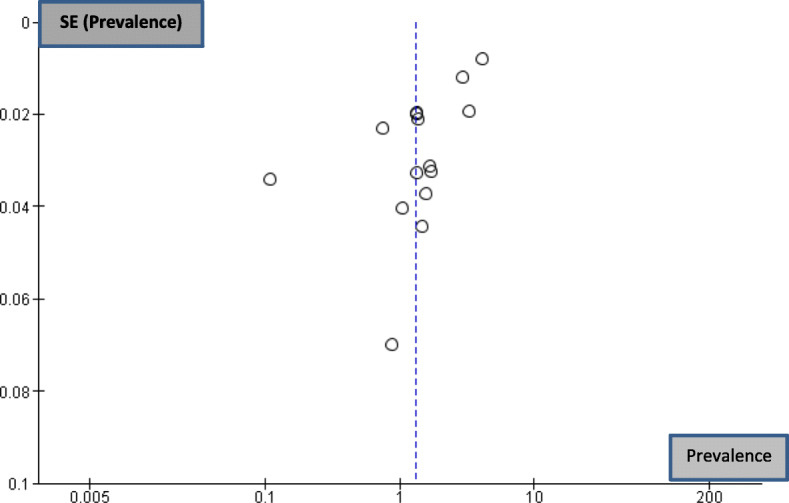
The random effects combined estimate was 32.35% (95% CI, (12.58-117.48). High heterogeneity (tau = 0.39, I = 100%) and high risk of bias was observed among the selected studies. The test for overall effect was observed to be z = 2.54(P = 0.01).
Pooled estimate > 30% emphasizes the need for screening through antenatal care services and initiate preventive measures to address the deficiency.
孕妇维生素 D 缺乏是全球公共卫生关注的问题。在印度,个别研究报告的发病率很高。然而,缺乏国家数据掩盖了真实的负担。本研究通过文献系统评价和荟萃分析,确定了印度孕妇维生素 D 缺乏的 pooled 患病率。
三个不同的搜索引擎共产生了 15 篇合格的文章。通过 10 项不同的标准评估研究质量,并按照 Cochrane 标准对研究质量进行分类。进行荟萃分析以估计健康孕妇中维生素 D 缺乏的 pooled 患病率,并对选定的研究进行异质性分析。使用 n = 4088 的样本研究孕妇中的 pooled 患病率。
随机效应合并估计值为 32.35%(95% CI,(12.58-117.48)。选定的研究中观察到高度异质性(tau = 0.39,I = 100%)和高偏倚风险。总体效应检验观察到 z = 2.54(P = 0.01)。
pooled 估计值>30%强调了通过产前保健服务进行筛查并采取预防措施来解决缺乏症的必要性。