Anghel Narcis, Dinu Valentina Maria, Verestiuc Liliana, Spiridon Irene Alexandra
"Petru Poni" Institute of Macromolecular Chemistry, Grigore Ghica-Voda 41, 700487 Iasi, Romania.
Faculty of Medicine, Grigore T. Popa University of Medicine and Pharmacy, 9-13 Kogalniceanu Street, 700454 Iasi, Romania.
Polymers (Basel). 2021 Jun 2;13(11):1845. doi: 10.3390/polym13111845.
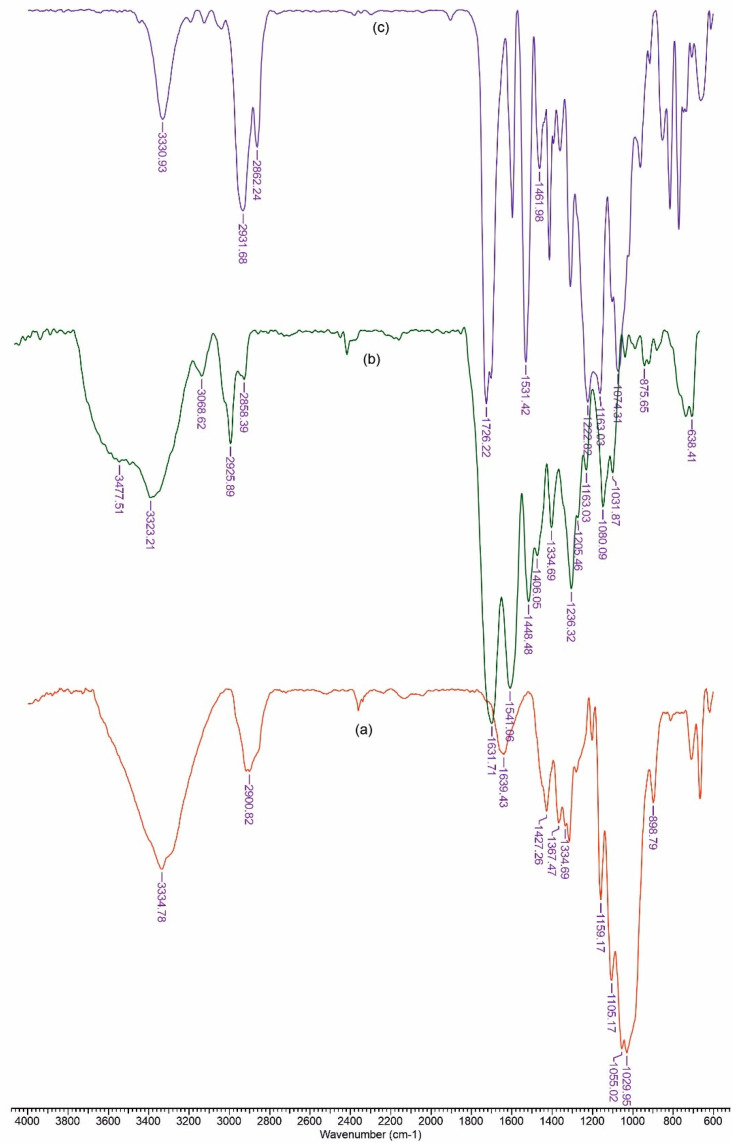
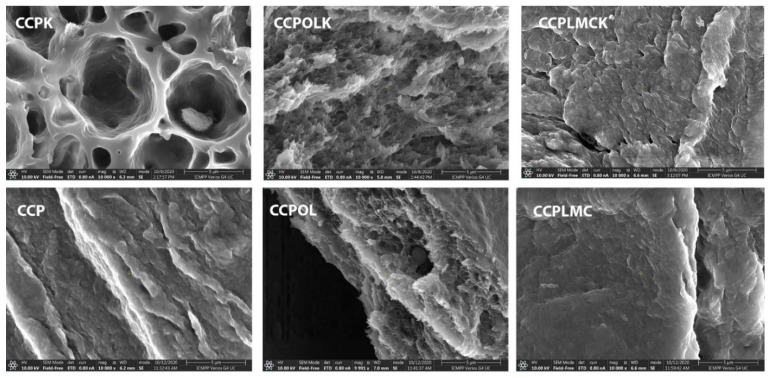
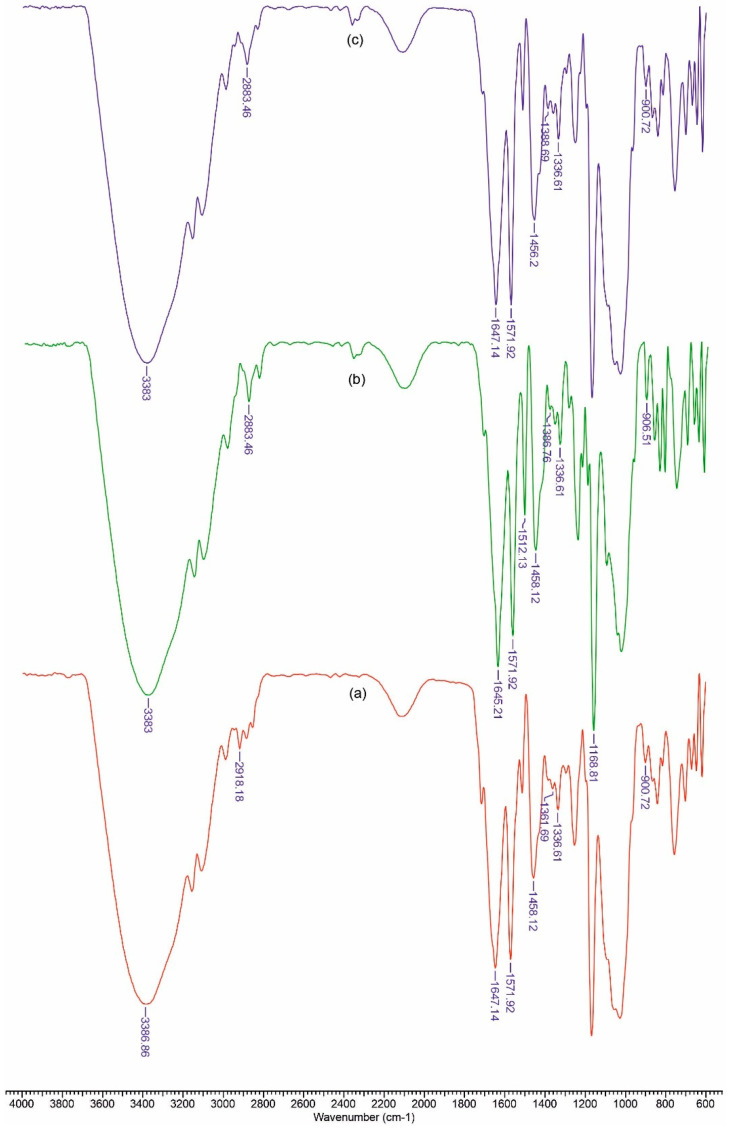
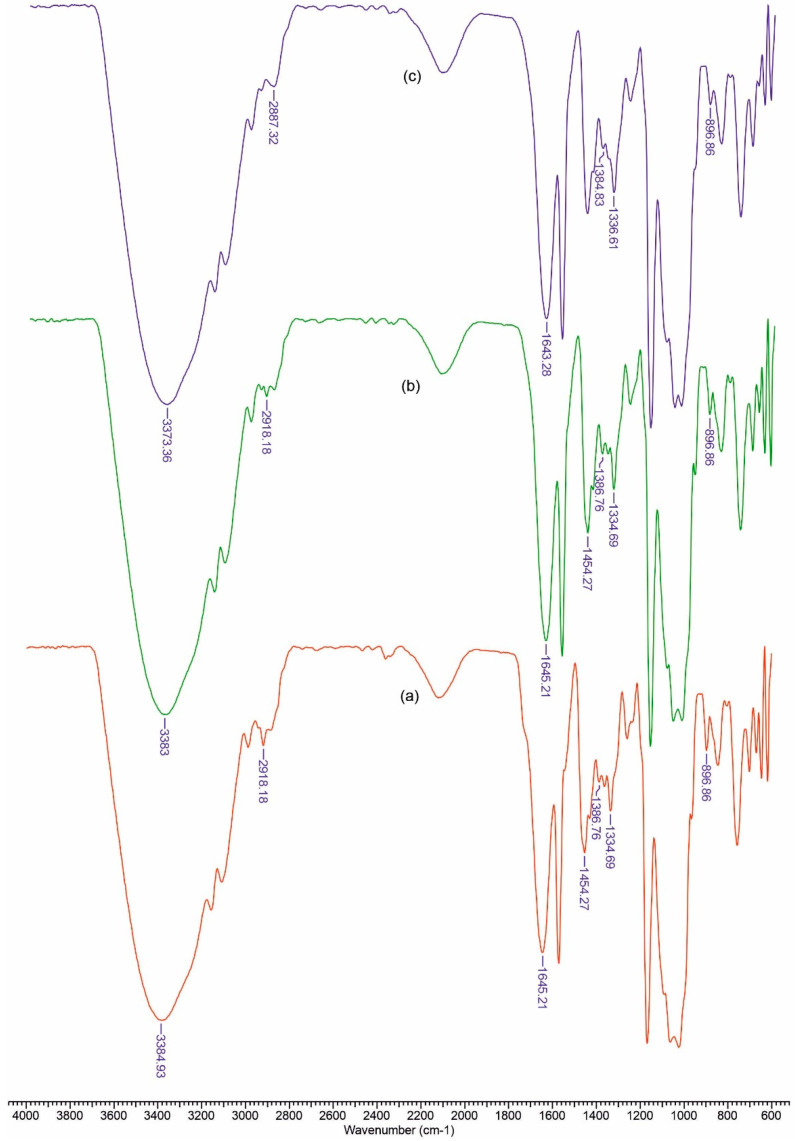
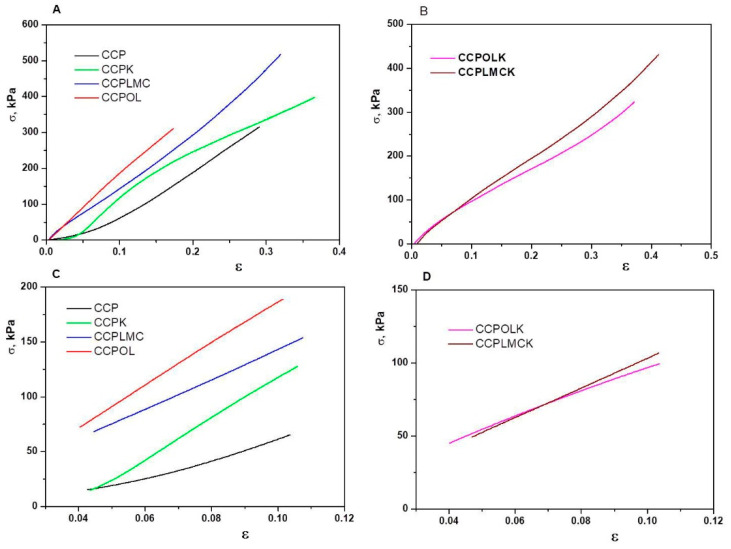
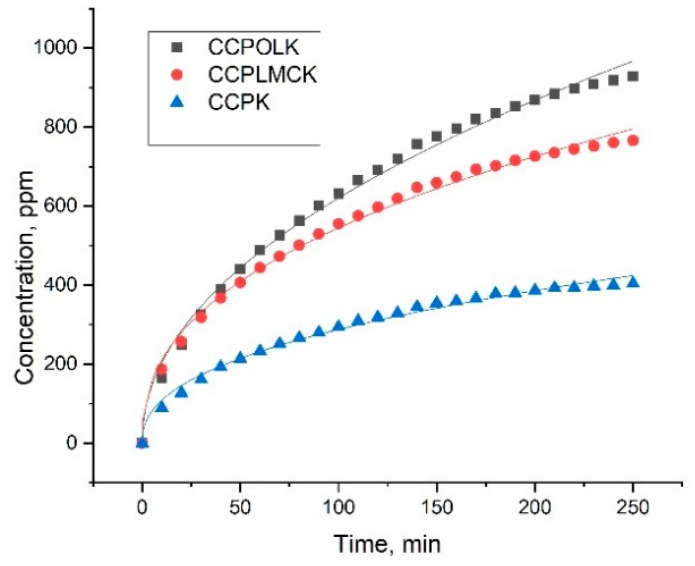
Designing composites based on natural polymers has attracted attention for more than a decade due to the possibility to manufacture medical devices which are biocompatible with the human body. Herein, we present some biomaterials made up of collagen, polyurethane, and cellulose doped with lignin and lignin-metal complex, which served as transcutaneous drug delivery systems. Compared with base material, the compressive strength and the elastic modulus of biocomposites comprising lignin or lignin-metal complex were significantly enhanced; thus, the compressive strength increased from 61.37 to 186.5 kPa, while the elastic modulus increased from 0.828 to 1.928 MPa. The release of ketokonazole from the polymer matrix follows a Korsmeyer-Peppas type kinetics with a Fickian diffusion. All materials tested were shown to be active against pathogenic microorganisms. The mucoadhesiveness, bioadhesiveness, mechanical resistance, release kinetic, and antimicrobial activity make these biocomposites to be candidates as potential systems for controlled drug release.
由于有可能制造出与人体具有生物相容性的医疗设备,基于天然聚合物设计复合材料在十多年来一直备受关注。在此,我们展示了一些由胶原蛋白、聚氨酯和掺杂有木质素及木质素-金属配合物的纤维素组成的生物材料,它们用作经皮给药系统。与基础材料相比,包含木质素或木质素-金属配合物的生物复合材料的抗压强度和弹性模量显著提高;因此,抗压强度从61.37 kPa增加到186.5 kPa,而弹性模量从0.828 MPa增加到1.928 MPa。酮康唑从聚合物基质中的释放遵循具有菲克扩散的Korsmeyer-Peppas型动力学。所有测试材料均显示对致病微生物具有活性。这些生物复合材料的粘膜粘附性、生物粘附性、机械抗性、释放动力学和抗菌活性使其成为潜在的控释系统候选材料。