State Key Laboratory for Diagnosis and Treatment of Infectious Diseases, National Clinical Research Center for Infectious Diseases, Collaborative Innovation Center for Diagnosis and Treatment of Infectious Diseases, The First Affiliated Hospital, Zhejiang University School of Medicine, Hangzhou, 310003, China.
Research Units of Infectious Disease and Microecology, Chinese Academy of Medical Sciences, Beijing, 100730, China.
Neurosci Bull. 2021 Oct;37(10):1510-1522. doi: 10.1007/s12264-021-00730-8. Epub 2021 Jul 3.
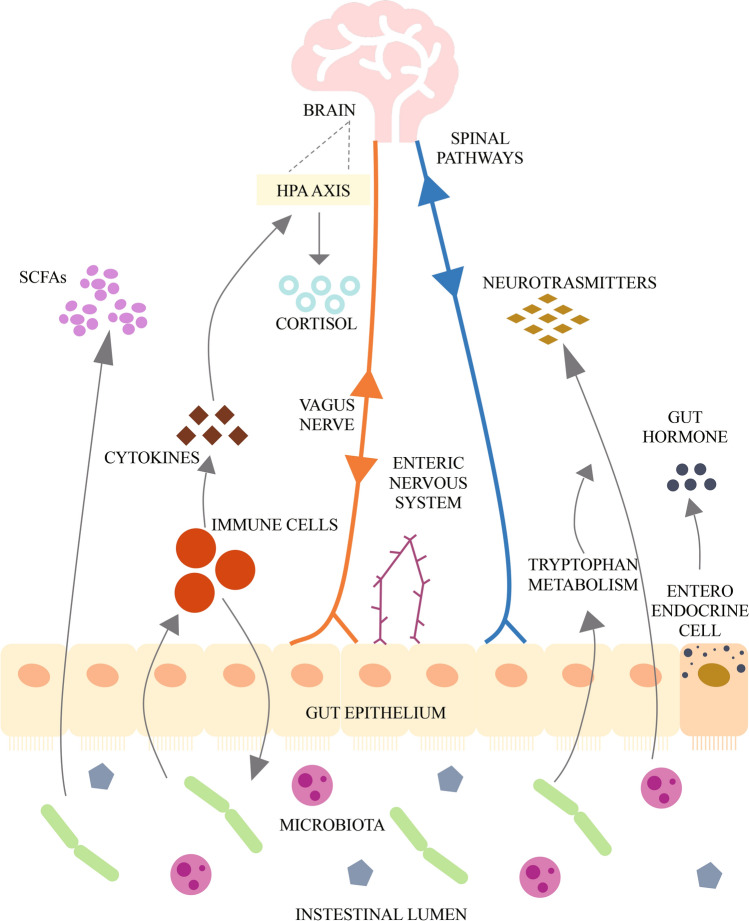
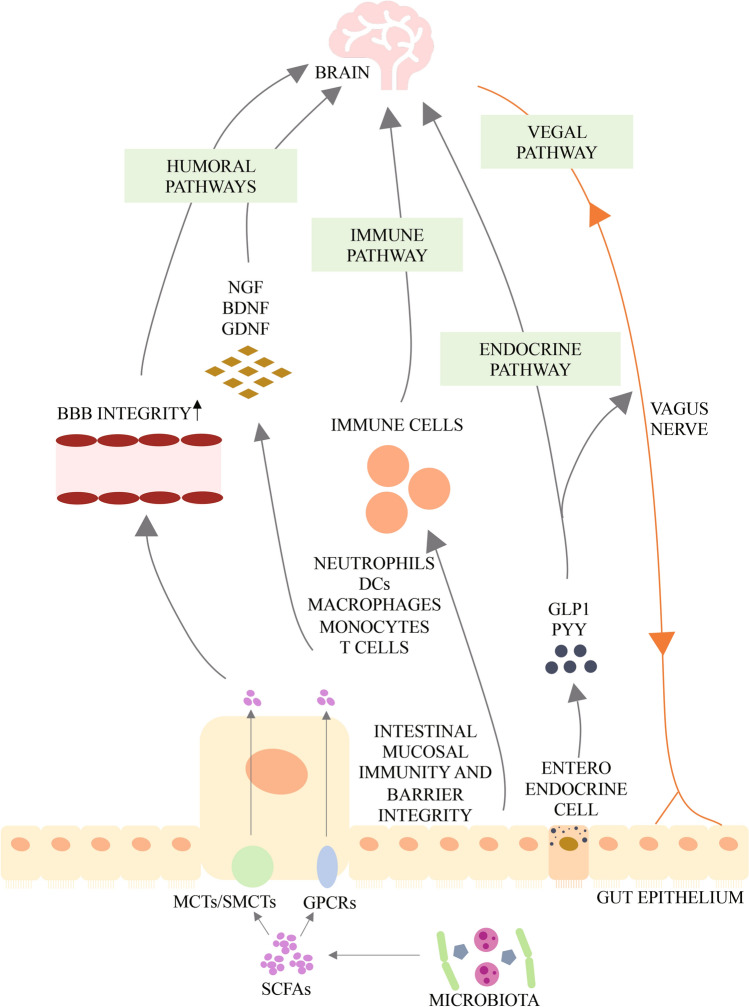
Many recent studies have shown that the gut microbiome plays important roles in human physiology and pathology. Also, microbiome-based therapies have been used to improve health status and treat diseases. In addition, aging and neurodegenerative diseases, including Alzheimer's disease and Parkinson's disease, have become topics of intense interest in biomedical research. Several researchers have explored the links between these topics to study the potential pathogenic or therapeutic effects of intestinal microbiota in disease. But the exact relationship between neurodegenerative diseases and gut microbiota remains unclear. As technology advances, new techniques for studying the microbiome will be developed and refined, and the relationship between diseases and gut microbiota will be revealed. This article summarizes the known interactions between the gut microbiome and neurodegenerative diseases, highlighting assay techniques for the gut microbiome, and we also discuss the potential therapeutic role of microbiome-based therapies in diseases.
许多最近的研究表明,肠道微生物组在人类生理学和病理学中发挥着重要作用。此外,基于微生物组的疗法已被用于改善健康状况和治疗疾病。此外,衰老和神经退行性疾病,包括阿尔茨海默病和帕金森病,已成为生物医学研究的热门话题。一些研究人员已经探索了这些主题之间的联系,以研究肠道微生物群在疾病中的潜在致病或治疗作用。但是,神经退行性疾病和肠道微生物组之间的确切关系尚不清楚。随着技术的进步,将开发和完善用于研究微生物组的新技术,并且将揭示疾病与肠道微生物组之间的关系。本文总结了已知的肠道微生物组与神经退行性疾病之间的相互作用,重点介绍了肠道微生物组的检测技术,并且还讨论了基于微生物组的疗法在疾病中的潜在治疗作用。