Ulrich Kristina, Kube Michael, Becker Regina, Schneck Volker, Ulrich Andreas
Johann Heinrich von Thünen Institute, Institute of Forest Genetics, Waldsieversdorf, Germany.
University of Hohenheim, Stuttgart, Germany.
Front Microbiol. 2021 Jun 16;12:687463. doi: 10.3389/fmicb.2021.687463. eCollection 2021.
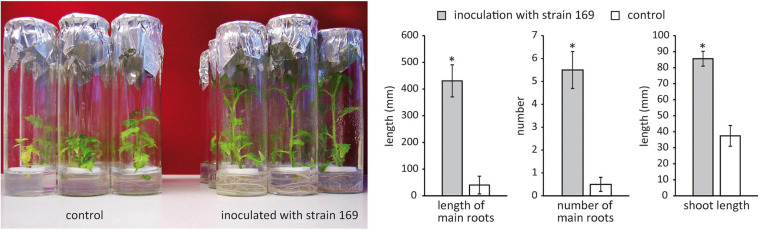
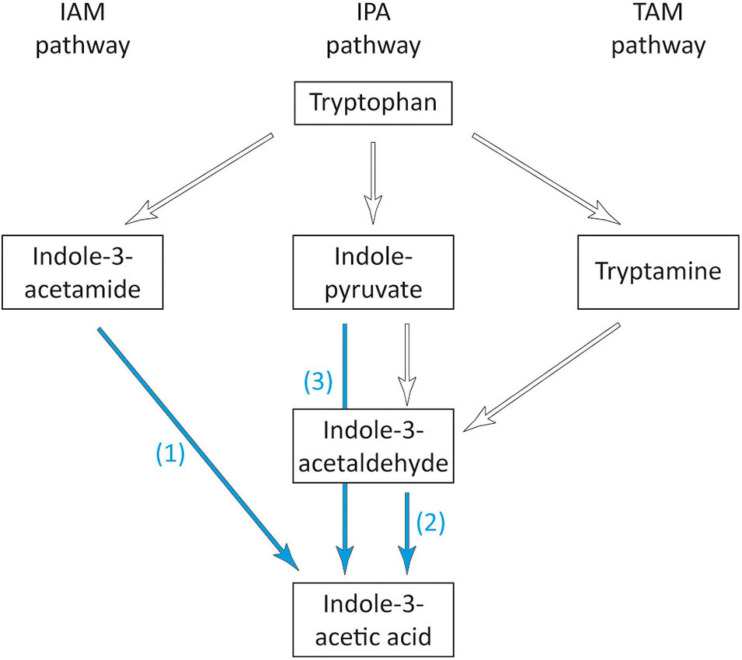
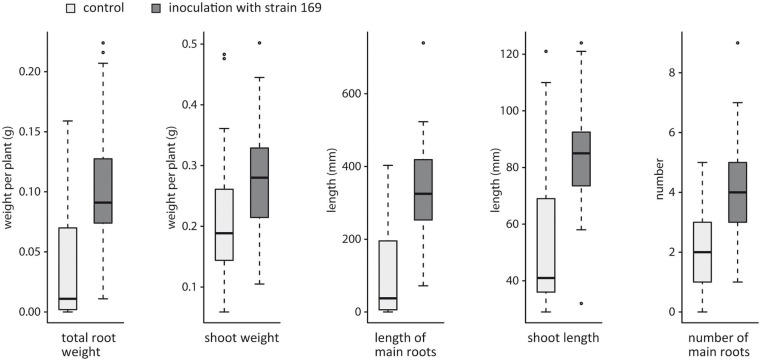
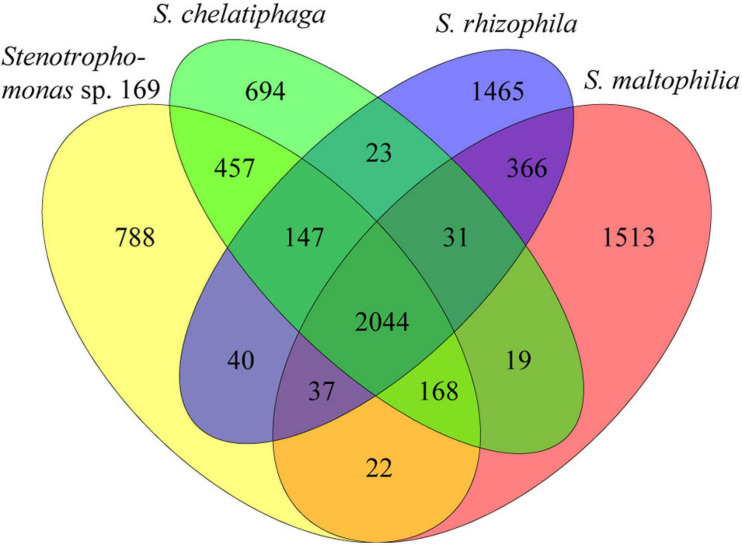
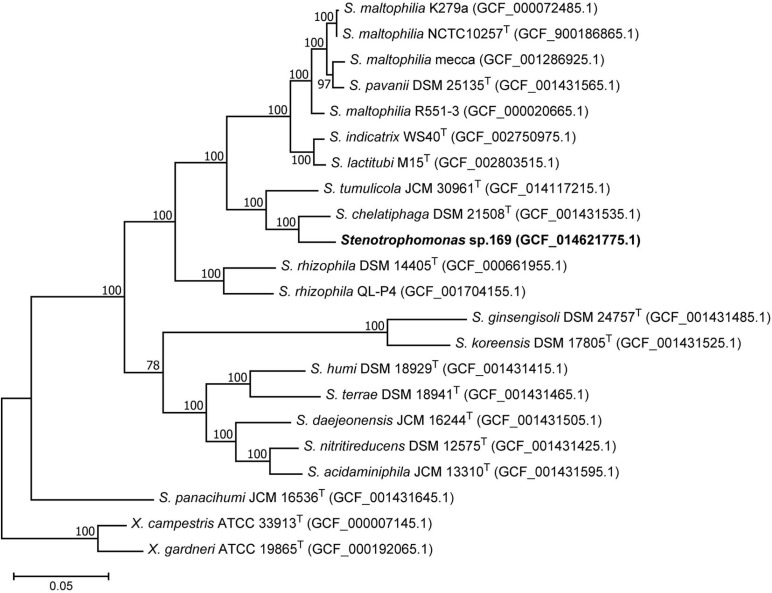
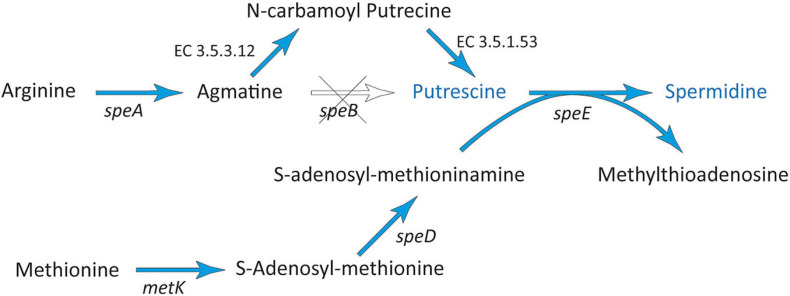
Plant-associated isolates have great potential for plant growth promotion, especially under stress conditions, due to their ability to promote tolerance to abiotic stresses such as salinity or drought. The endophytic strain sp. 169, isolated from a field-grown poplar, increased the growth of inoculated plants, with a particular effect on root development, and was able to stimulate the rooting of poplar cuttings in the greenhouse. The strain produced high amounts of the plant growth-stimulating hormone auxin under conditions. The comparison of the 16S rRNA gene sequences and the phylogenetic analysis of the core genomes showed a close relationship to and a clear separation from . Whole genome sequence analysis revealed functional genes potentially associated with attachment and plant colonization, growth promotion, and stress protection. In detail, an extensive set of genes for twitching motility, chemotaxis, flagella biosynthesis, and the ability to form biofilms, which are connected with host plant colonization, could be identified in the genome of strain 169. The production of indole-3-acetic acid and the presence of genes for auxin biosynthesis pathways and the spermidine pathway could explain the ability to promote plant growth. Furthermore, the genome contained genes encoding for features related to the production of different osmoprotective molecules and enzymes mediating the regulation of stress tolerance and the ability of bacteria to quickly adapt to changing environments. Overall, the results of physiological tests and genome analysis demonstrated the capability of endophytic strain 169 to promote plant growth. In contrast to related species, strain 169 can be considered non-pathogenic and suitable for biotechnology applications.
与植物相关的分离菌株具有极大的促进植物生长的潜力,特别是在胁迫条件下,因为它们能够提高植物对盐度或干旱等非生物胁迫的耐受性。从田间种植的杨树中分离出的内生菌株sp. 169,促进了接种植物的生长,对根系发育有特别的影响,并且能够在温室中刺激杨树插条生根。该菌株在特定条件下产生大量促进植物生长的激素生长素。16S rRNA基因序列的比较和核心基因组的系统发育分析表明,它与[具体物种1]关系密切,与[具体物种2]明显分离。全基因组序列分析揭示了可能与附着、植物定殖、生长促进和胁迫保护相关的功能基因。具体而言,在菌株169的基因组中可以鉴定出大量与抽动运动、趋化性、鞭毛生物合成以及形成生物膜能力相关的基因,这些都与宿主植物定殖有关。吲哚-3-乙酸的产生以及生长素生物合成途径和亚精胺途径相关基因的存在,可以解释其促进植物生长的能力。此外,该基因组包含编码与不同渗透保护分子产生相关特征的基因,以及介导胁迫耐受性调节和细菌快速适应变化环境能力的酶。总体而言,生理测试和基因组分析结果证明了内生菌株169促进植物生长的能力。与相关物种相比,菌株169可被认为是非致病性的,适合用于生物技术应用。