Hébert-Dufresne Laurent, Scarpino Samuel V, Young Jean-Gabriel
Department of Computer Science, University of Vermont, Burlington, VT 05405, USA.
Vermont Complex Systems Center, University of Vermont, Burlington, VT 05405, USA.
Nat Phys. 2020 Apr;16:426-431. doi: 10.1038/s41567-020-0791-2. Epub 2020 Feb 24.
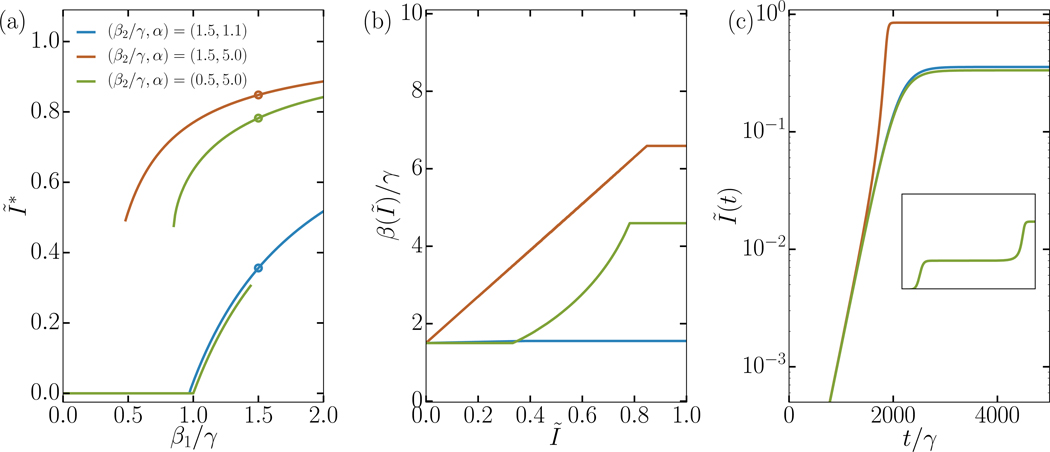
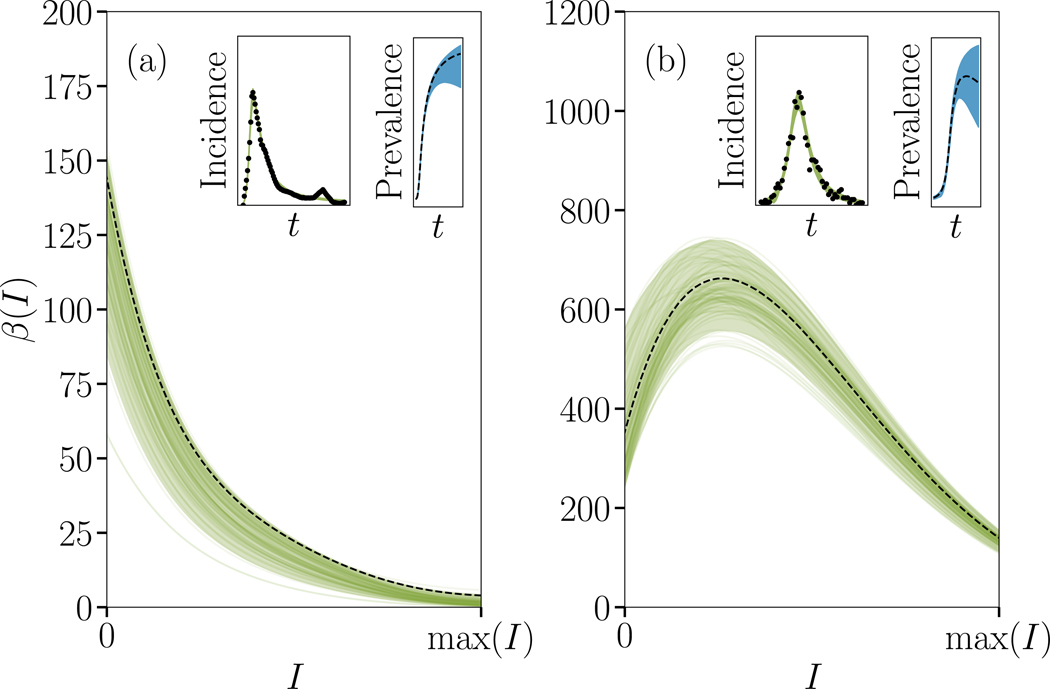
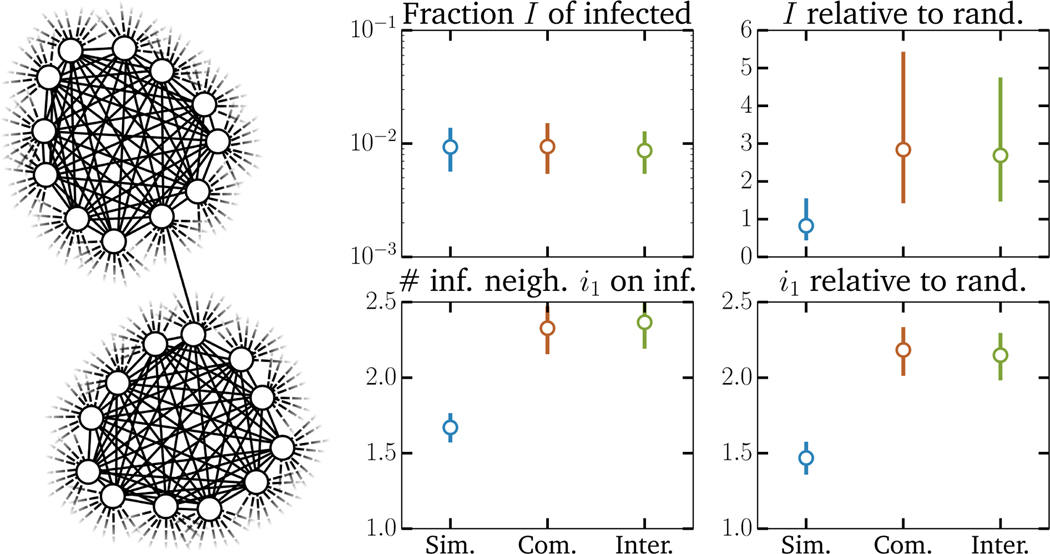
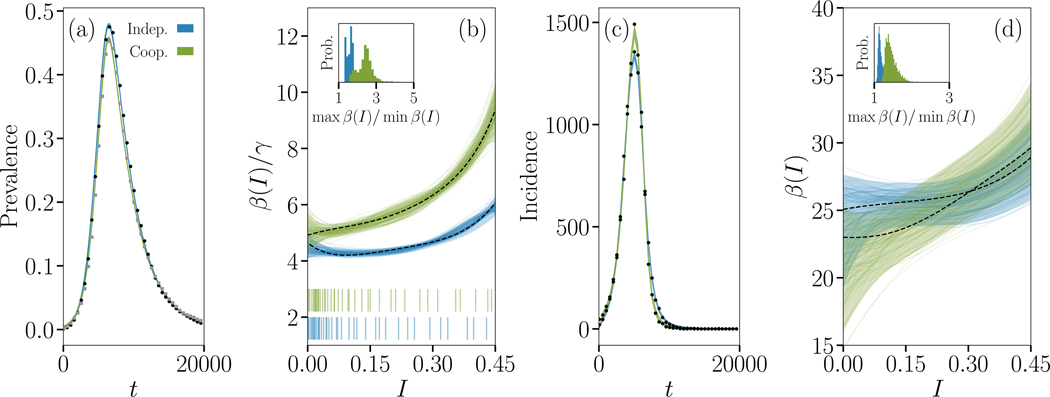
From fake news to innovative technologies, many contagions spread as complex contagions via a process of social reinforcement, where multiple exposures are distinct from prolonged exposure to a single source. Contrarily, biological agents such as Ebola or measles are typically thought to spread as simple contagions. Here, we demonstrate that these different spreading mechanisms can have indistinguishable population-level dynamics once multiple contagions interact. In the social context, our results highlight the challenge of identifying and quantifying spreading mechanisms, such as social reinforcement, in a world where an innumerable amount of ideas, memes and behaviors interact. In the biological context, this parallel allows the use of complex contagions to effectively quantify the non-trivial interactions of infectious diseases.
从假新闻到创新技术,许多传播现象作为复杂传播通过社会强化过程扩散,其中多次接触不同于长时间接触单一来源。相反,诸如埃博拉或麻疹等生物媒介通常被认为以简单传播的方式扩散。在此,我们证明,一旦多种传播相互作用,这些不同的传播机制可能具有难以区分的群体层面动态。在社会背景下,我们的结果凸显了在一个无数思想、模因和行为相互作用的世界中识别和量化传播机制(如社会强化)的挑战。在生物学背景下,这种相似性使得能够利用复杂传播有效地量化传染病的重要相互作用。