Department of Cell Biology, Microbiology and Molecular Biology, University of South Florida, 4202 East Fowler Avenue, ISA 2015, Tampa, FL, USA.
Microb Genom. 2021 Jul;7(7). doi: 10.1099/mgen.0.000598.
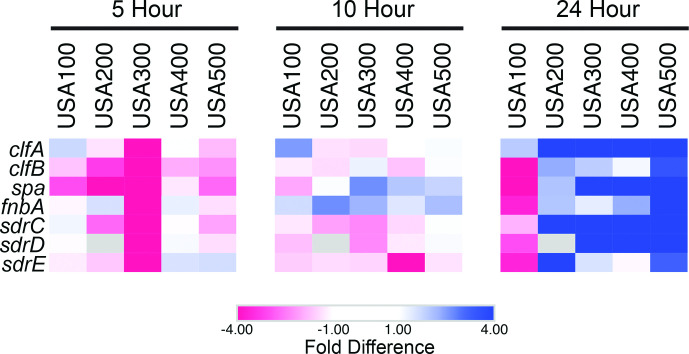
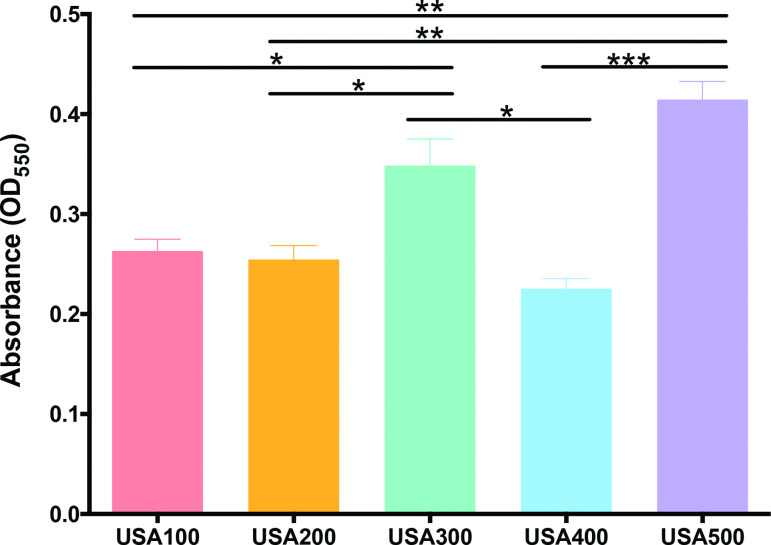
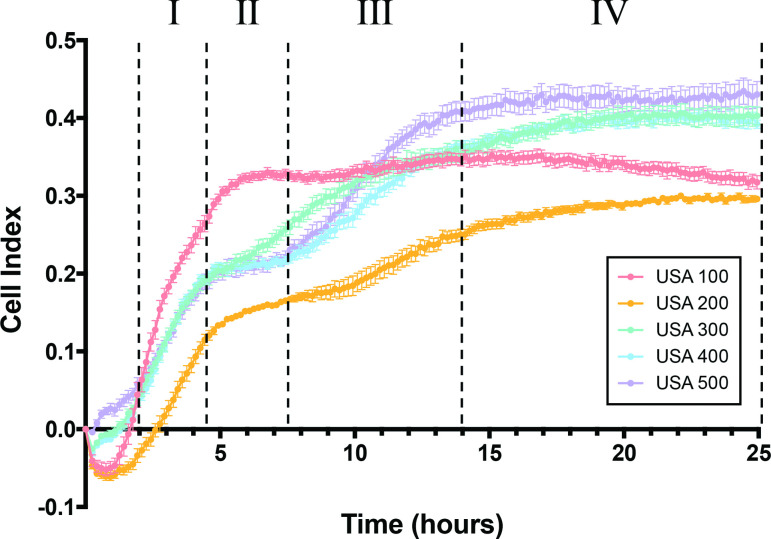
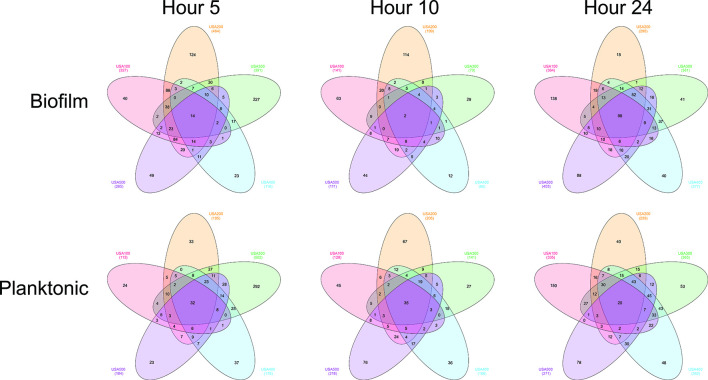
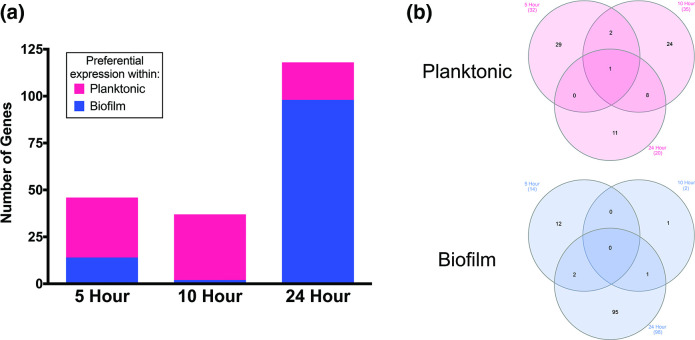
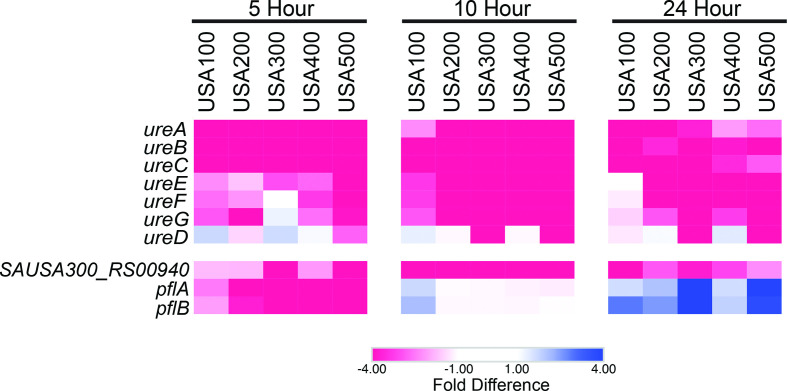
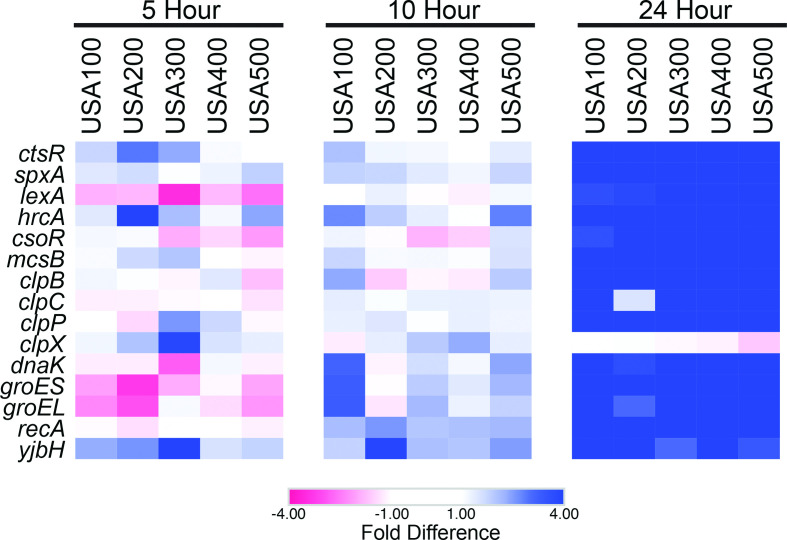
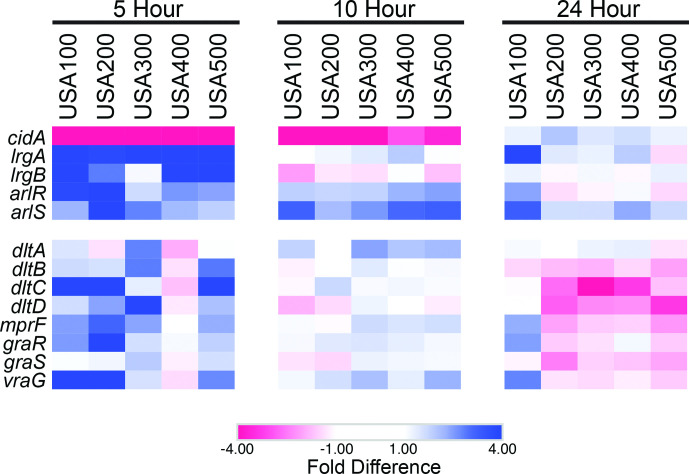
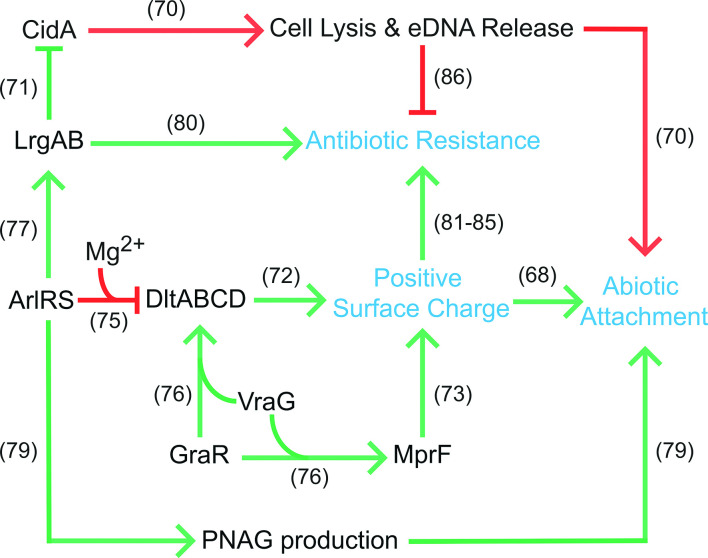
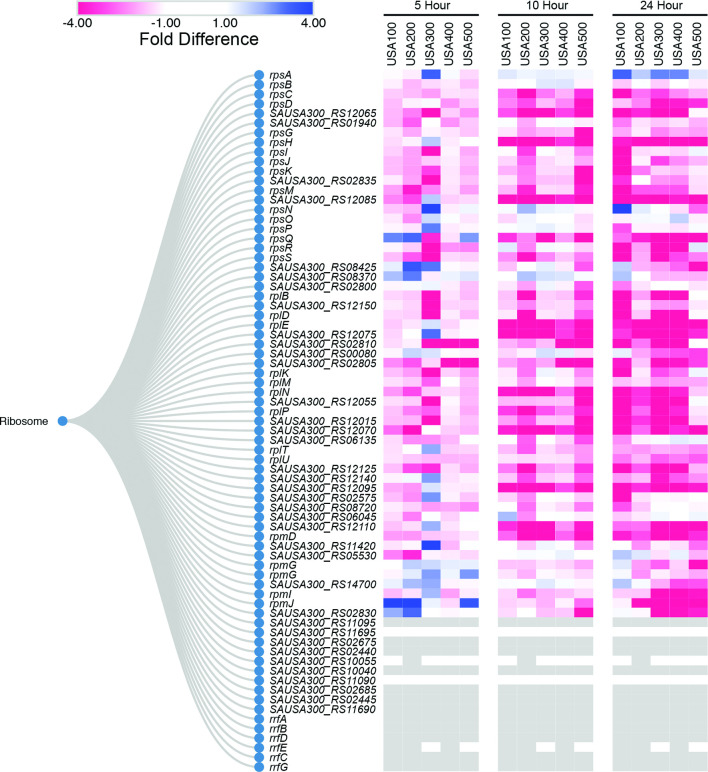
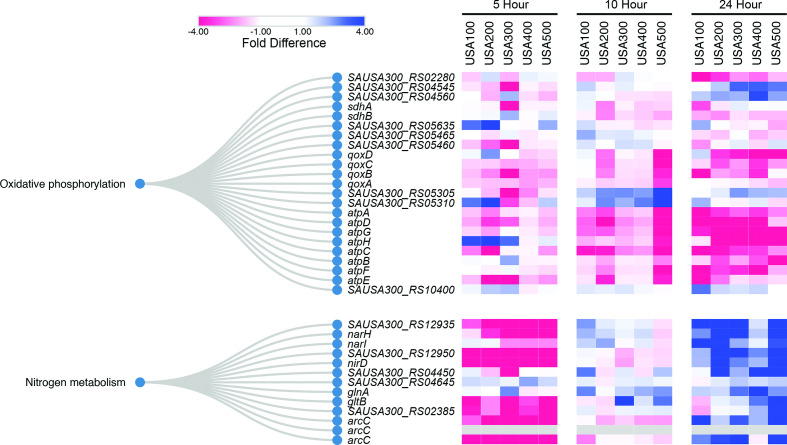
A key characteristic of infections, and one that also varies phenotypically between clones, is that of biofilm formation, which aids in bacterial persistence through increased adherence and immune evasion. Though there is a general understanding of the process of biofilm formation - adhesion, proliferation, maturation and dispersal - the tightly orchestrated molecular events behind each stage, and what drives variation between strains, has yet to be unravelled. Herein we measure biofilm progression and dispersal in real-time across the five major CDC-types (USA100-USA500) revealing adherence patterns that differ markedly amongst strains. To gain insight into this, we performed transcriptomic profiling on these isolates at multiple timepoints, compared to planktonically growing counterparts. Our findings support a model in which eDNA release, followed by increased positive surface charge, perhaps drives initial abiotic attachment. This is seemingly followed by cooperative repression of autolysis and activation of poly-N-acetylglucosamine (PNAG) production, which may indicate a developmental shift in structuring the biofilm matrix. As biofilms mature, diminished translational capacity was apparent, with 53 % of all ribosomal proteins downregulated, followed by upregulation of anaerobic respiration enzymes. These findings are noteworthy because reduced cellular activity and an altered metabolic state have been previously shown to contribute to higher antibiotic tolerance and bacterial persistence. In sum, this work is, to our knowledge, the first study to investigate transcriptional regulation during the early, establishing phase of biofilm formation, and to compare global transcriptional regulation both temporally and across multiple clonal lineages.
生物膜形成是 感染的一个重要特征,也是克隆之间表型差异的一个特征,它通过增加粘附和免疫逃避来帮助细菌存活。尽管人们对生物膜形成的过程(粘附、增殖、成熟和分散)有了一般的了解,但每个阶段背后的紧密协调的分子事件,以及导致 菌株之间变异的原因,仍有待揭示。在此,我们实时测量了五个主要的 CDC 型(USA100-USA500)的生物膜进展和分散,揭示了菌株之间明显不同的粘附模式。为了深入了解这一点,我们对这些分离株在多个时间点进行了转录组谱分析,并与浮游生长的对应物进行了比较。我们的研究结果支持这样一种模型,即 eDNA 的释放,随后正表面电荷的增加,可能驱动最初的非生物附着。这似乎紧接着是自溶的协同抑制和多-N-乙酰葡糖胺(PNAG)产生的激活,这可能表明生物膜基质结构的发育转变。随着生物膜的成熟,翻译能力明显下降,所有核糖体蛋白中有 53%下调,随后厌氧呼吸酶上调。这些发现值得注意,因为先前已经表明,细胞活性降低和代谢状态改变会导致更高的抗生素耐受性和细菌存活。总之,这项工作是我们所知的第一个研究生物膜形成早期建立阶段转录调控的研究,并且比较了多个克隆谱系在时间和全局转录调控方面的差异。