Kumar Pradeep, Singh A B, Singh Rajeev
Department of Environmental Studies, Satyawati College, University of Delhi, Delhi, India.
CSIR- Institute of Genomics and Integrative Biology (IGIB), Delhi University Campus, Delhi, India.
Aerobiologia (Bologna). 2021;37(4):719-732. doi: 10.1007/s10453-021-09718-3. Epub 2021 Jul 3.
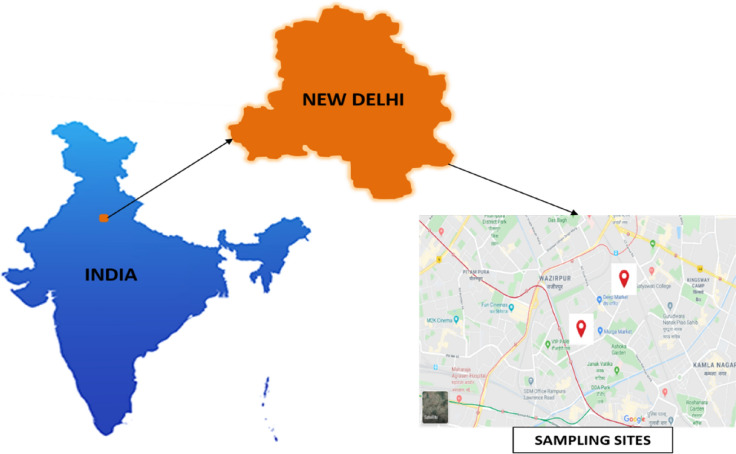
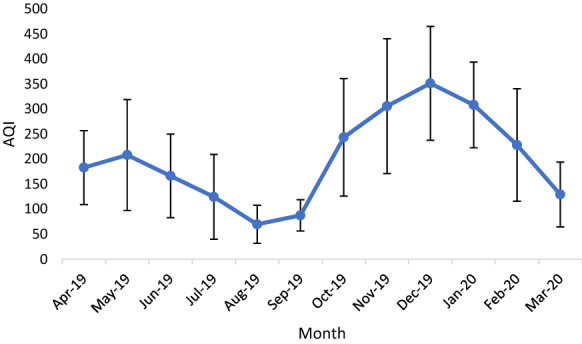
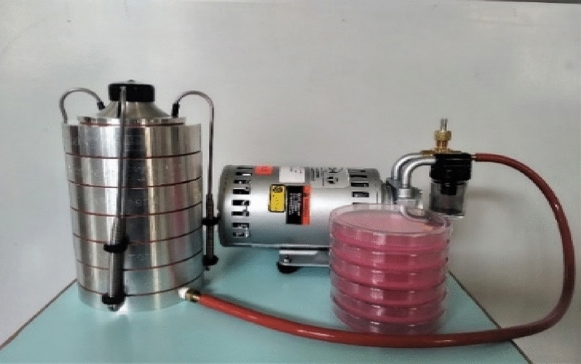
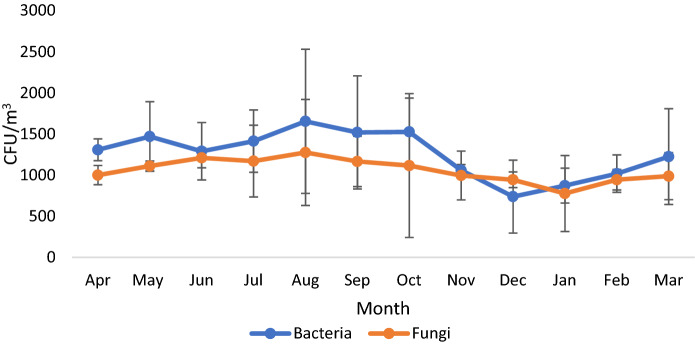
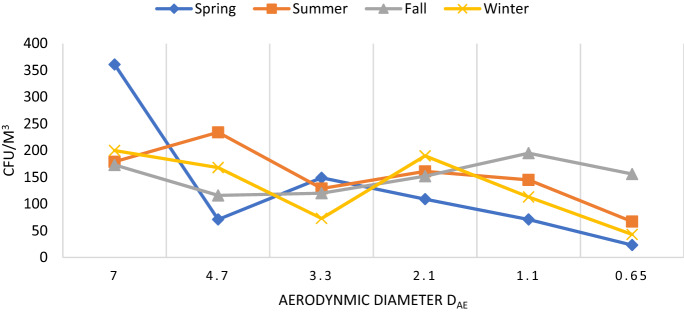
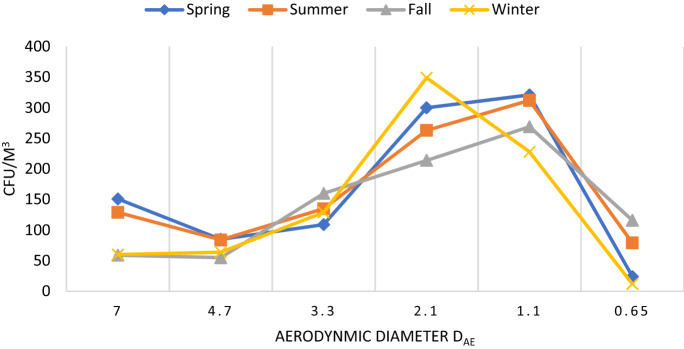
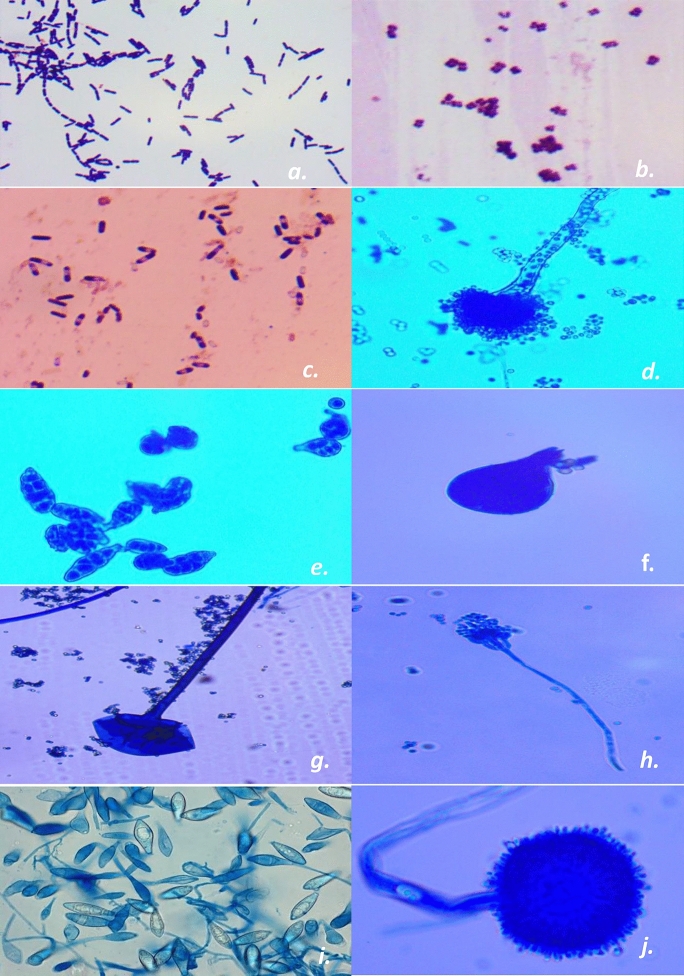
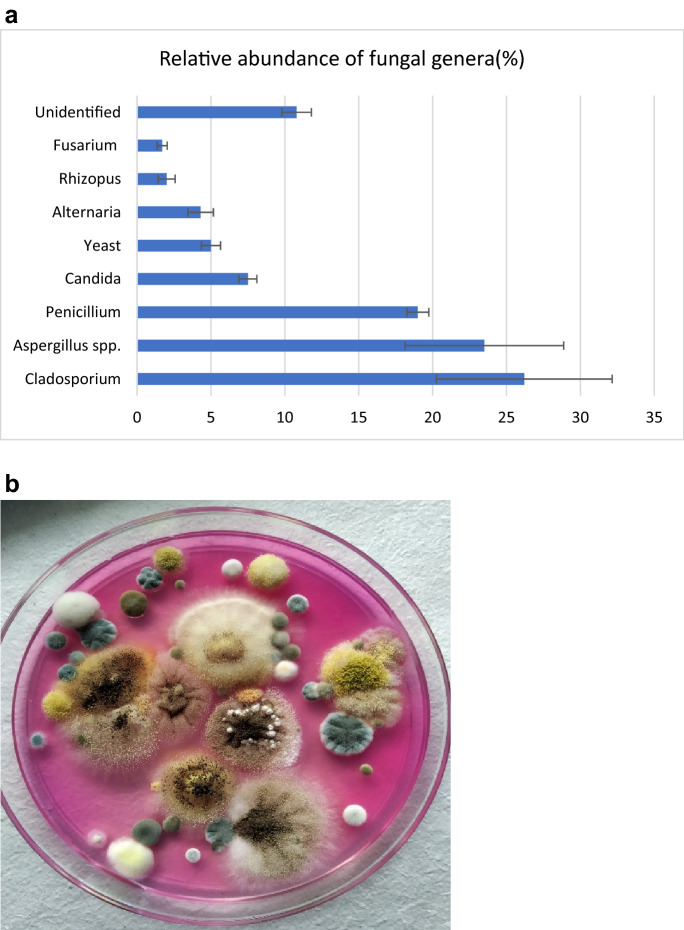
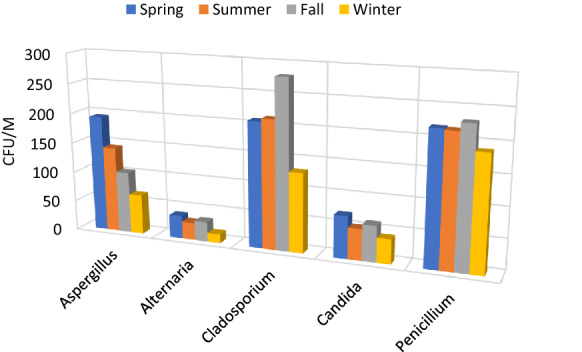
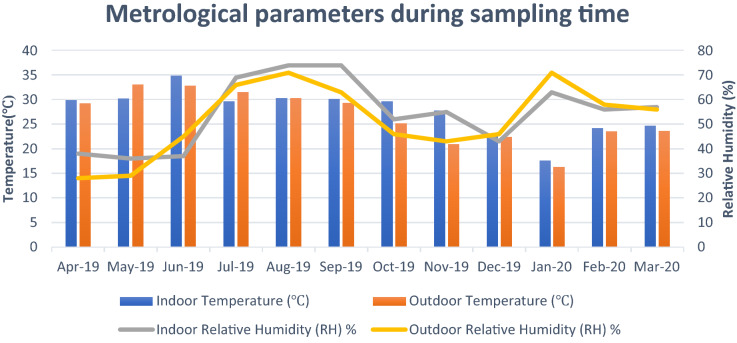
Exposure of microbial agents in the air of indoor dwellings is associated with effects on respiratory and general health. The current study was conducted in the urban area of Delhi Metropolis for the seasonal quantitative assessment of viable microbial indoor air quality. Bioaerosol measurement was conducted by using Anderson six stage impactor with cut-off diameters of 7.0, 4.7, 3.3, 2.1, 1.1, and 0.65 µm) throughout the all the seasons (April 2019 to March 2020). Meteorological parameters such as temperature and relative humidity were measured to check their effect on microbial survival. Air quality index data of the sampling area were recorded by DPCC air quality monitoring system, Ashok Vihar, Delhi. The highest (1654 ± 876.87 CFU/m) and lowest (738 ± 443.59 CFU/m) mean bacterial concentration in houses was recorded in August and December, respectively. Similarly, the highest fungal concentration (1275 ± 645.22 CFU/m) was found in August and the lowest in (776 ± 462.46 CFU/m) in January. Bacterial respirable fraction shows an irregular pattern in different seasons. In the case of fungi, the respirable fraction of 2.1 and 1.1 contributes more than 60% of total culturable bioaerosols in all seasons. Bacterial genera including and were most dominant, and , , , and were the most dominant fungal genera observed indoors. The results of this study suggest that higher respirable fungal fraction might penetrate deeper into the lungs and cause various health effects. A higher concentration of bioaerosols in outdoor areas than indoor shows that the source of indoor bioaerosols is outdoor air.
The online version contains supplementary material available at 10.1007/s10453-021-09718-3.
室内空气中微生物制剂的暴露与对呼吸系统和整体健康的影响相关。本研究在德里大都市市区进行,以对室内空气中有活力的微生物空气质量进行季节性定量评估。在2019年4月至2020年3月的所有季节中,使用截止直径为7.0、4.7、3.3、2.1、1.1和0.65微米的安德森六级冲击器进行生物气溶胶测量。测量温度和相对湿度等气象参数,以检查它们对微生物存活的影响。采样区域的空气质量指数数据由德里阿肖克维哈尔的DPCC空气质量监测系统记录。房屋中平均细菌浓度最高(1654±876.87 CFU/m)和最低(738±443.59 CFU/m)分别记录在8月和12月。同样,真菌浓度最高(1275±645.22 CFU/m)出现在8月,最低(776±462.46 CFU/m)出现在1月。细菌可吸入部分在不同季节呈现不规则模式。对于真菌,在所有季节中,直径为2.1和1.1的可吸入部分占可培养生物气溶胶总量的比例超过60%。包括[具体细菌属]和[具体细菌属]在内的细菌属最为占主导地位,而[具体真菌属]、[具体真菌属]、[具体真菌属]和[具体真菌属]是室内观察到的最占主导地位的真菌属。本研究结果表明,较高的可吸入真菌部分可能更深地渗透到肺部并导致各种健康影响。室外区域的生物气溶胶浓度高于室内,这表明室内生物气溶胶的来源是室外空气。
在线版本包含可在10.1007/s10453-021-09718-3获取的补充材料。