Department of Microbiology, Immunology, and Molecular Genetics, UT-Health San Antonio, San Antonio, Texas, USA.
Select Agent Research Core, UT-Health San Antonio, San Antonio, Texas, USA.
J Virol. 2021 Sep 27;95(20):e0101021. doi: 10.1128/JVI.01010-21. Epub 2021 Jul 28.
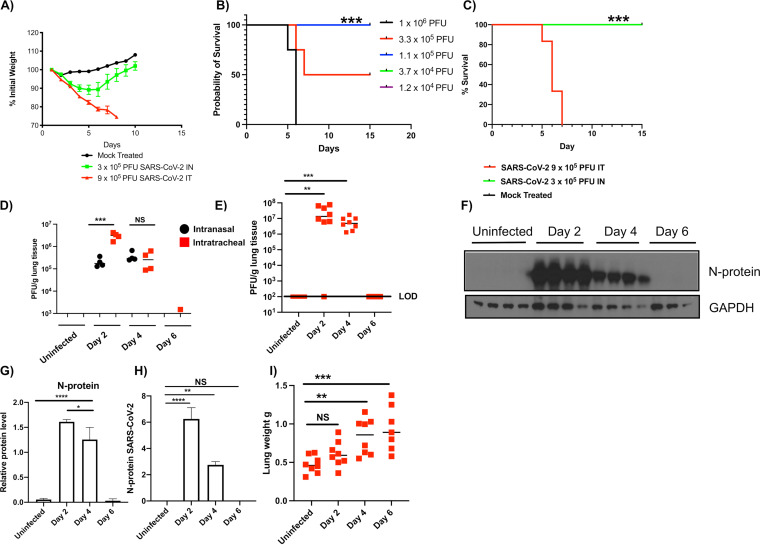
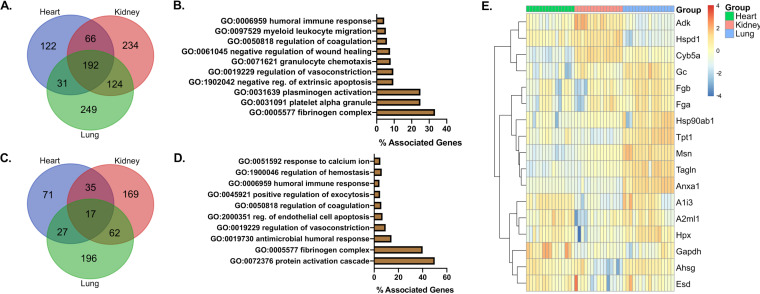
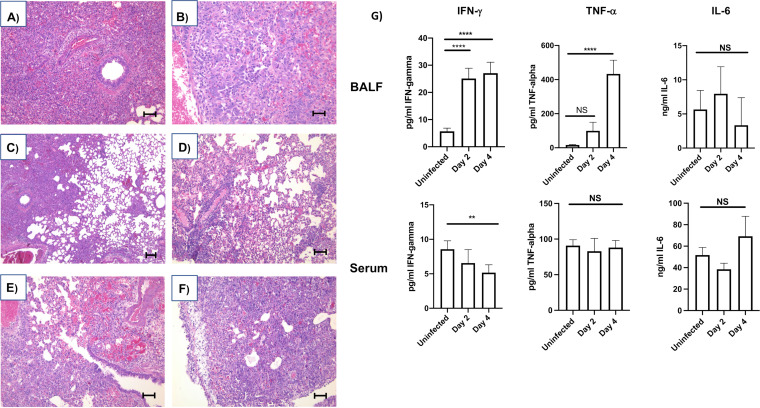
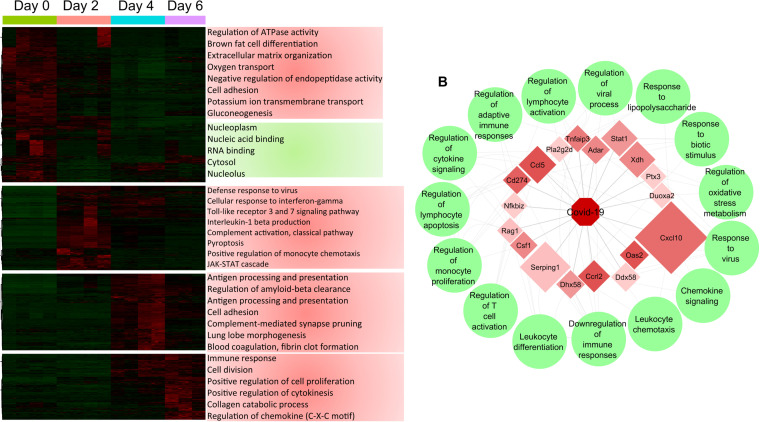
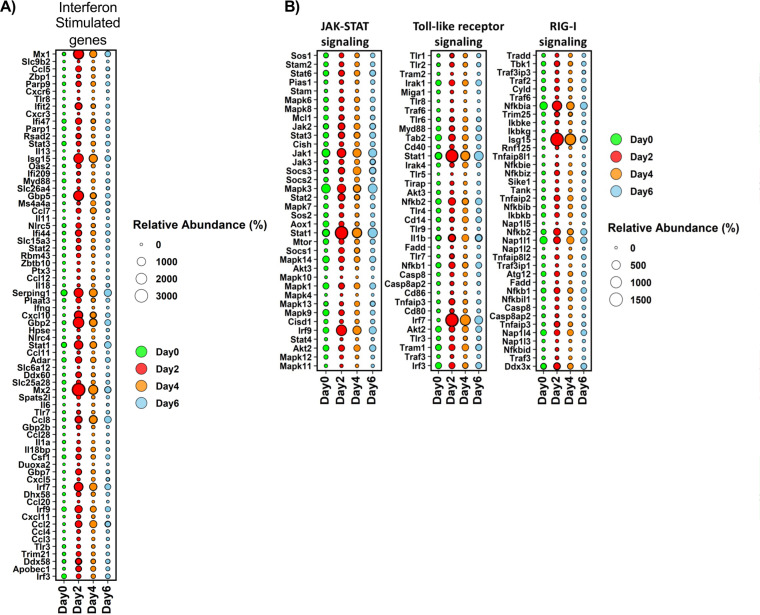
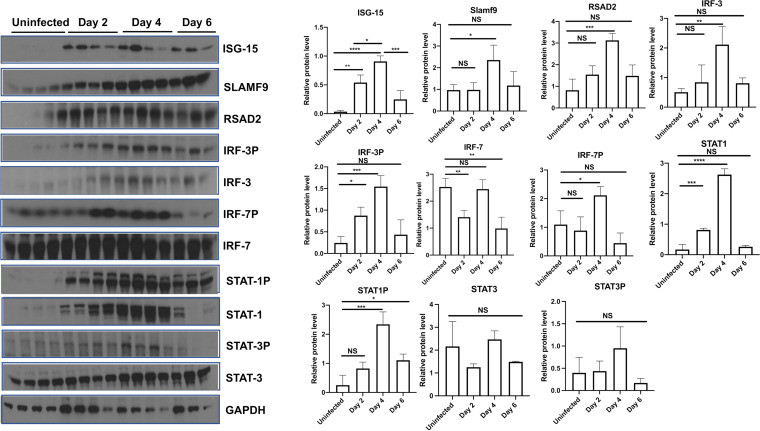
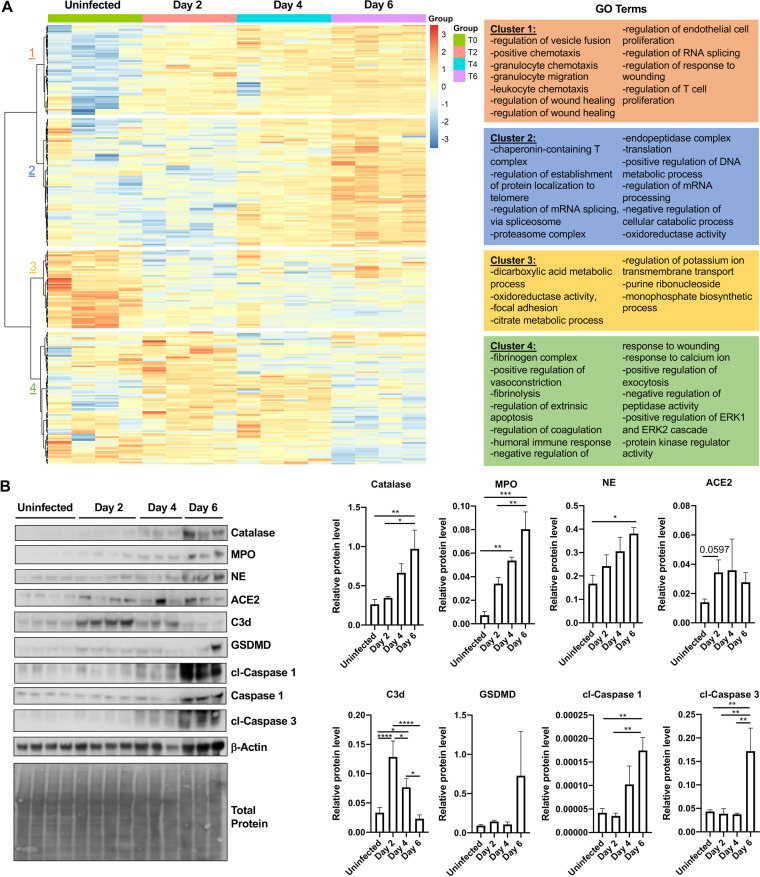
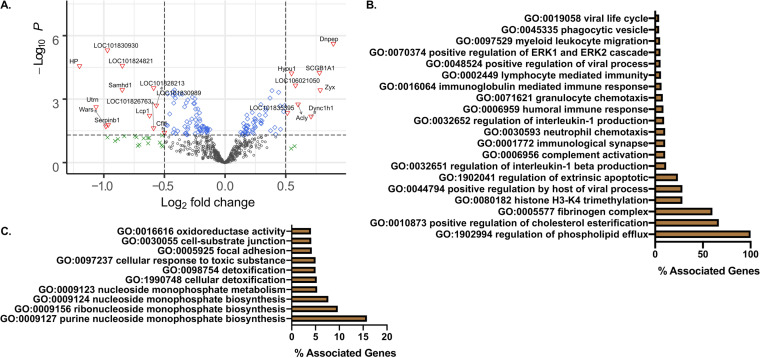
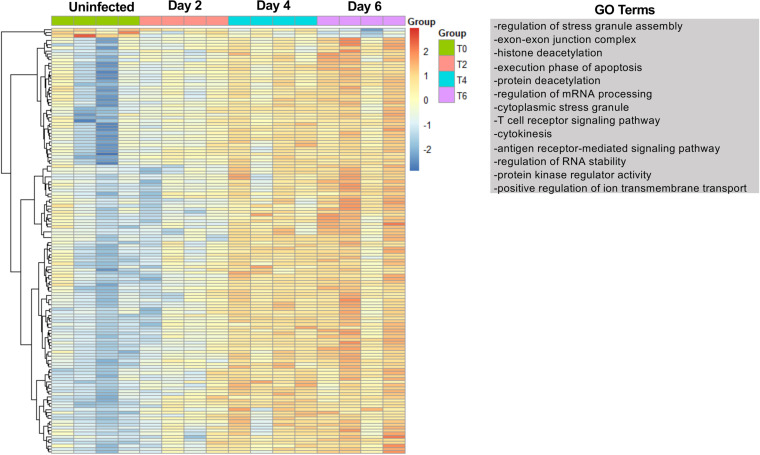
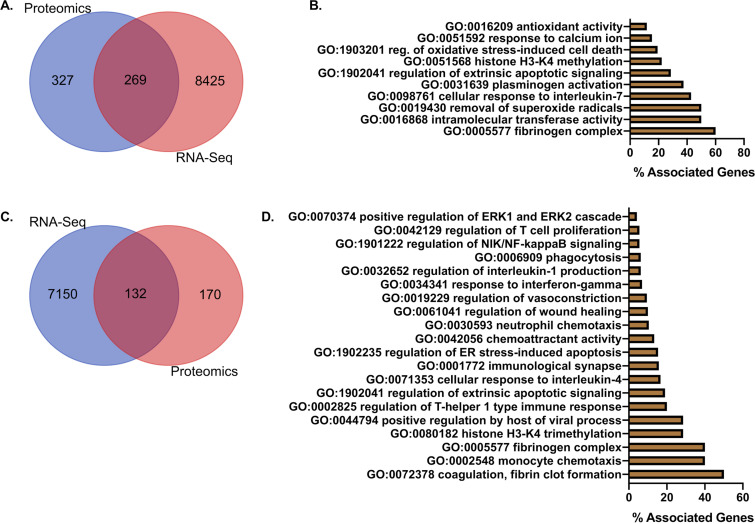
The host response to severe acute respiratory syndrome coronavirus 2 (SARS-CoV-2) is poorly understood due to a lack of an animal model that recapitulates severe human disease. Here, we report a Syrian hamster model that develops progressive lethal pulmonary disease that closely mimics severe coronavirus disease 2019 (COVID-19). We evaluated host responses using a multi-omic, multiorgan approach to define proteome, phosphoproteome, and transcriptome changes. These data revealed both type I and type II interferon-stimulated gene and protein expression along with a progressive increase in chemokines, monocytes, and neutrophil-associated molecules throughout the course of infection that peaked in the later time points correlating with a rapidly developing diffuse alveolar destruction and pneumonia that persisted in the absence of active viral infection. Extrapulmonary proteome and phosphoproteome remodeling was detected in the heart and kidneys following viral infection. Together, our results provide a kinetic overview of multiorgan host responses to severe SARS-CoV-2 infection . The current pandemic caused by severe acute respiratory syndrome coronavirus 2 (SARS-CoV-2) infection has created an urgent need to understand the pathogenesis of this infection. These efforts have been impaired by the lack of animal models that recapitulate severe coronavirus disease 2019 (COVID-19). Here, we report a hamster model that develops severe COVID-19-like disease following infection with human isolates of SARS-CoV-2. To better understand pathogenesis, we evaluated changes in gene transcription and protein expression over the course of infection to provide an integrated multiorgan kinetic analysis of the host response to infection. These data reveal a dynamic innate immune response to infection and corresponding immune pathologies consistent with severe human disease. Altogether, this model will be useful for understanding the pathogenesis of severe COVID-19 and for testing interventions.
由于缺乏能够重现严重人类疾病的动物模型,人们对严重急性呼吸综合征冠状病毒 2(SARS-CoV-2)的宿主反应知之甚少。在这里,我们报告了一种叙利亚仓鼠模型,该模型会发展为进行性致命性肺疾病,与严重的 2019 年冠状病毒病(COVID-19)非常相似。我们使用多组学、多器官方法评估宿主反应,以定义蛋白质组、磷酸蛋白质组和转录组变化。这些数据显示,I 型和 II 型干扰素刺激基因和蛋白的表达都随着趋化因子、单核细胞和中性粒细胞相关分子的逐渐增加而增加,这些变化在感染过程中持续增加,并在后期达到高峰,与快速发展的弥漫性肺泡破坏和肺炎相关,而肺炎在没有活跃病毒感染的情况下持续存在。病毒感染后还检测到肺外蛋白质组和磷酸蛋白质组的重塑。综上所述,我们的研究结果提供了 SARS-CoV-2 严重感染后多器官宿主反应的动态概述。由严重急性呼吸综合征冠状病毒 2(SARS-CoV-2)感染引起的当前大流行迫切需要了解这种感染的发病机制。由于缺乏能够重现严重 2019 年冠状病毒病(COVID-19)的动物模型,这些努力受到了阻碍。在这里,我们报告了一种仓鼠模型,该模型在感染人类 SARS-CoV-2 分离株后会发展为严重的 COVID-19 样疾病。为了更好地了解发病机制,我们评估了感染过程中基因转录和蛋白表达的变化,以提供宿主对感染反应的综合多器官动力学分析。这些数据揭示了感染后的动态先天免疫反应和相应的免疫病理学,与严重的人类疾病一致。总之,该模型将有助于理解严重 COVID-19 的发病机制,并用于测试干预措施。