Chen Shuai, Gil Carmen J, Ning Liqun, Jin Linqi, Perez Lilanni, Kabboul Gabriella, Tomov Martin L, Serpooshan Vahid
Department of Biomedical Engineering, Emory University School of Medicine, Georgia Institute of Technology, Atlanta, GA, United States.
Department of Pediatrics, Emory University School of Medicine, Atlanta, GA, United States.
Front Bioeng Biotechnol. 2021 Jul 20;9:683079. doi: 10.3389/fbioe.2021.683079. eCollection 2021.
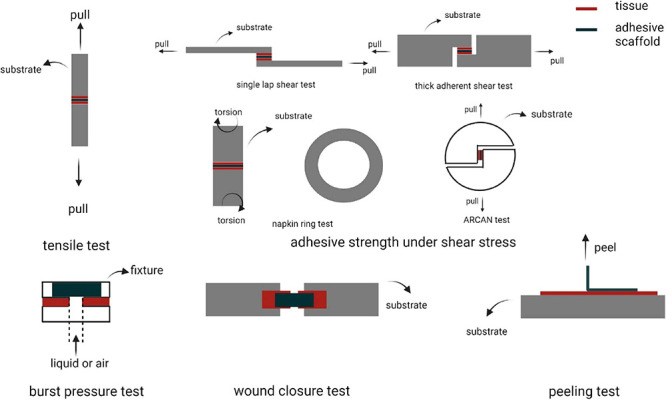
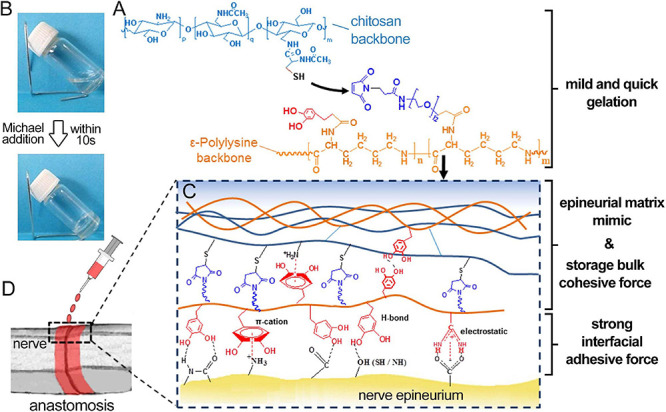
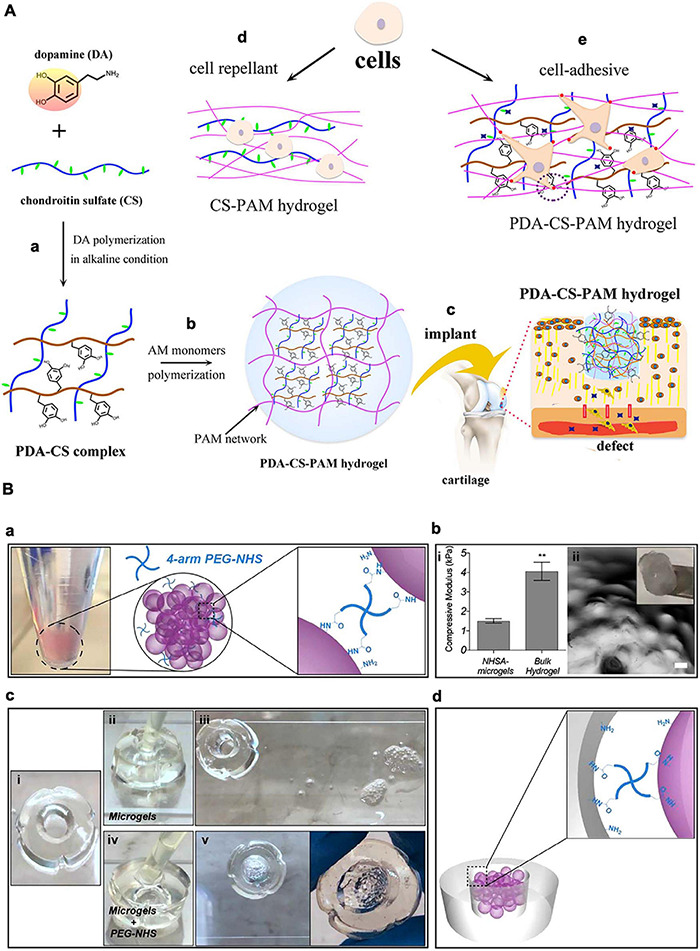
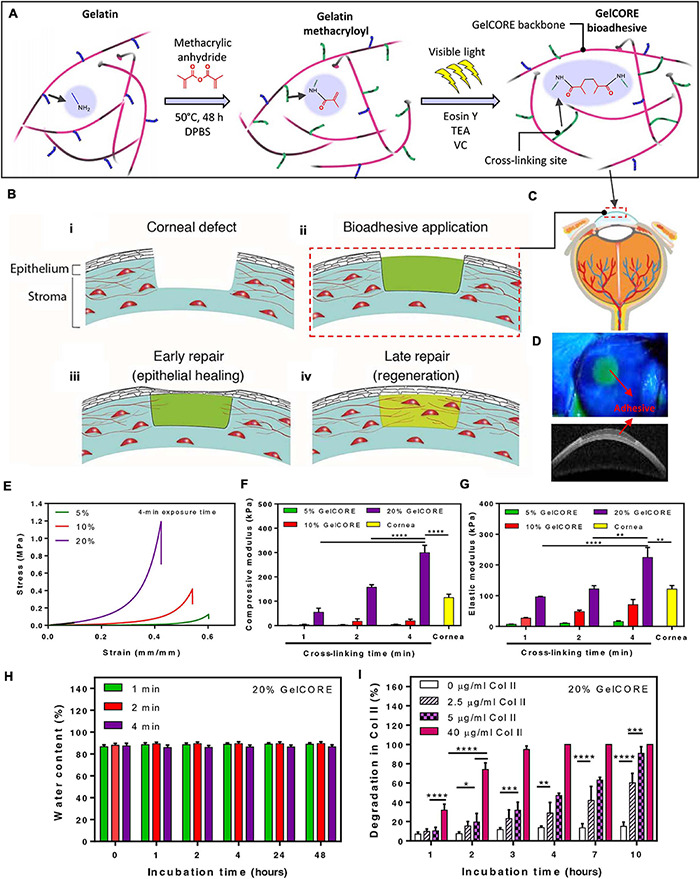
A variety of suture and bioglue techniques are conventionally used to secure engineered scaffold systems onto the target tissues. These techniques, however, confront several obstacles including secondary damages, cytotoxicity, insufficient adhesion strength, improper degradation rate, and possible allergic reactions. Adhesive tissue engineering scaffolds (ATESs) can circumvent these limitations by introducing their intrinsic tissue adhesion ability. This article highlights the significance of ATESs, reviews their key characteristics and requirements, and explores various mechanisms of action to secure the scaffold onto the tissue. We discuss the current applications of advanced ATES products in various fields of tissue engineering, together with some of the key challenges for each specific field. Strategies for qualitative and quantitative assessment of adhesive properties of scaffolds are presented. Furthermore, we highlight the future prospective in the development of advanced ATES systems for regenerative medicine therapies.
传统上,人们使用多种缝合和生物胶水技术将工程化支架系统固定到目标组织上。然而,这些技术面临着几个障碍,包括二次损伤、细胞毒性、粘附强度不足、降解速率不当以及可能的过敏反应。粘性组织工程支架(ATESs)可以通过引入其固有的组织粘附能力来规避这些限制。本文强调了ATESs的重要性,回顾了它们的关键特性和要求,并探讨了将支架固定到组织上的各种作用机制。我们讨论了先进ATES产品在组织工程各个领域的当前应用,以及每个特定领域的一些关键挑战。还介绍了定性和定量评估支架粘附特性的策略。此外,我们强调了用于再生医学治疗的先进ATES系统开发的未来前景。