Al-Sanea Mohammad M, Abelyan Narek, Abdelgawad Mohamed A, Musa Arafa, Ghoneim Mohammed M, Al-Warhi Tarfah, Aljaeed Nada, Alotaibi Ohoud J, Alnusaire Taghreed S, Abdelwahab Sayed F, Helmy Aya, Abdelmohsen Usama Ramadan, Youssif Khayrya A
Department of Pharmaceutical Chemistry, College of Pharmacy, Jouf University, Sakaka 72341, Saudi Arabia.
Institute of Biomedicine and Pharmacy, Russian-Armenian University, Yerevan 0051, Armenia.
Antibiotics (Basel). 2021 Jul 6;10(7):824. doi: 10.3390/antibiotics10070824.
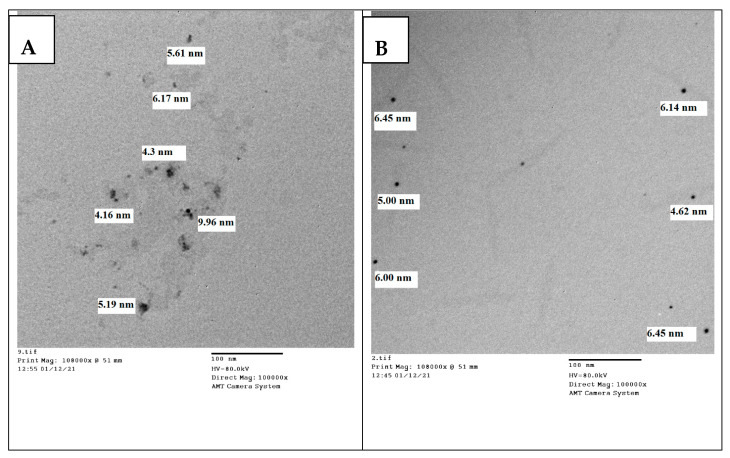
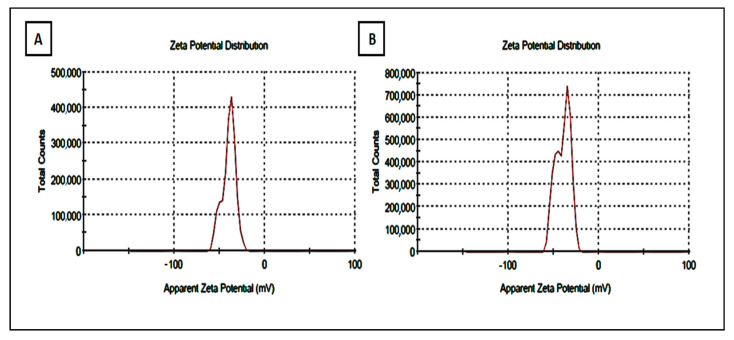
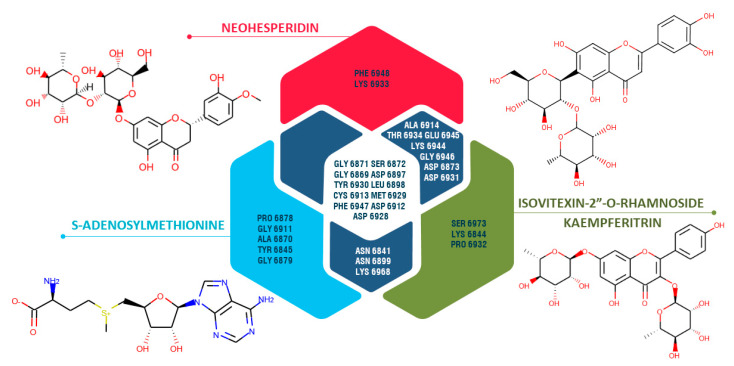
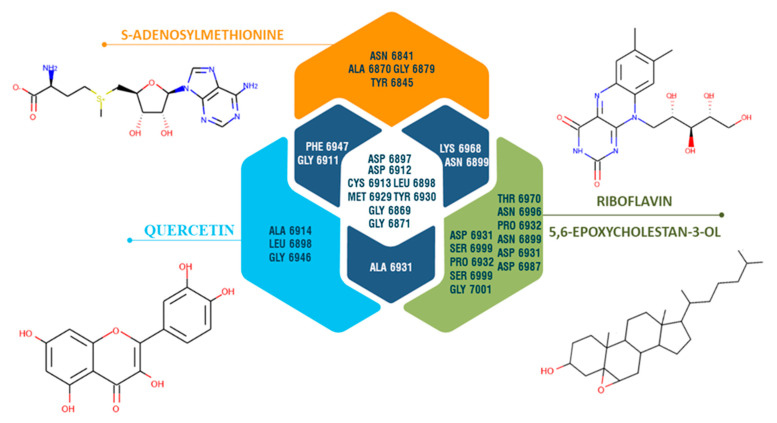
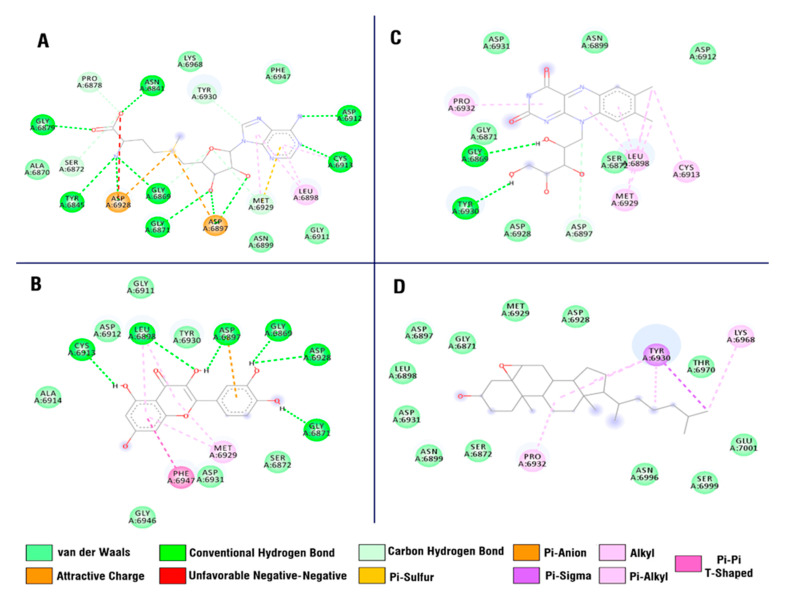
SARS-CoV-2 (COVID-19), a novel coronavirus causing life-threatening pneumonia, caused a pandemic starting in 2019 and caused unprecedented economic and health crises all over the globe. This requires the rapid discovery of anti-SARS-CoV-2 drug candidates to overcome this life-threatening pandemic. Strawberry ( Duch.) and ginger () methanolic extracts were used for silver nanoparticle (AgNPs) synthesis to explore their SARS-CoV-2 inhibitory potential. Moreover, an in silico study was performed to explore the possible chemical compounds that might be responsible for the anti-SARS-CoV-2 potential. The characterization of the green synthesized AgNPs was carried out with transmission electron microscope (TEM), Fourier-transform infrared, spectroscopy ultraviolet-visible spectroscopy, zeta potential, and a dynamic light-scattering technique. The metabolic profiling of strawberry and ginger methanolic extract was assessed using liquid chromatography coupled with high-resolution mass spectrometry. The antiviral potential against SARS-CoV-2 was evaluated using an MTT assay. Moreover, in silico modeling and the molecular dynamic study were conducted via AutoDock Vina to demonstrate the potential of the dereplicated compounds to bind to some of the SARS-CoV-2 proteins. The TEM analysis of strawberry and ginger AgNPs showed spherical nanoparticles with mean sizes of 5.89 nm and 5.77 nm for strawberry and ginger, respectively. The UV-Visible spectrophotometric analysis showed an absorption peak at λmax of 400 nm for strawberry AgNPs and 405 nm for ginger AgNPs. The Zeta potential values of the AgNPs of the methanolic extract of strawberry was -39.4 mV, while for AgNPs of ginger methanolic extract it was -42.6 mV, which indicates a high stability of the biosynthesized nanoparticles. The strawberry methanolic extract and the green synthesized AgNPs of ginger showed the highest antiviral activity against SARS-CoV-2. Dereplication of the secondary metabolites from the crude methanolic extracts of strawberry and ginger resulted in the annotation of different classes of compounds including phenolic, flavonoids, fatty acids, sesquiterpenes, triterpenes, sterols, and others. The docking study was able to predict the different patterns of interaction between the different compounds of strawberry and ginger with seven SARS-CoV-2 protein targets including five viral proteins (Mpro, ADP ribose phosphatase, NSP14, NSP16, PLpro) and two humans (AAK1, Cathepsin L). The molecular docking and dynamics simulation study showed that neohesperidin demonstrated the potential to bind to both human AAK1 protein and SARS-CoV-2 NSP16 protein, which makes this compound of special interest as a potential dual inhibitor. Overall, the present study provides promise for Anti-SARS-CoV-2 green synthesized AgNPs, which could be developed in the future into a new anti-SARS-CoV-2 drug.
严重急性呼吸综合征冠状病毒2(SARS-CoV-2,即新冠病毒)是一种可引发危及生命的肺炎的新型冠状病毒,自2019年起引发了一场全球大流行,并在全球范围内造成了前所未有的经济和健康危机。这就需要迅速发现抗SARS-CoV-2候选药物,以战胜这场危及生命的大流行。草莓(Fragaria × ananassa Duch.)和生姜(Zingiber officinale)的甲醇提取物被用于合成银纳米颗粒(AgNPs),以探索它们对SARS-CoV-2的抑制潜力。此外,还进行了一项计算机模拟研究,以探索可能具有抗SARS-CoV-2潜力的化学化合物。通过透射电子显微镜(TEM)、傅里叶变换红外光谱、紫外可见光谱、zeta电位和动态光散射技术对绿色合成的AgNPs进行了表征。使用液相色谱与高分辨率质谱联用技术评估了草莓和生姜甲醇提取物的代谢谱。使用MTT法评估了对SARS-CoV-2的抗病毒潜力。此外,通过AutoDock Vina进行了计算机模拟建模和分子动力学研究,以证明去重复化合物与一些SARS-CoV-2蛋白结合的潜力。对草莓和生姜AgNPs的TEM分析显示,草莓和生姜的纳米颗粒呈球形,平均粒径分别为5.89 nm和5.77 nm。紫外可见分光光度分析显示,草莓AgNPs在λmax为400 nm处有吸收峰,生姜AgNPs在405 nm处有吸收峰。草莓甲醇提取物的AgNPs的Zeta电位值为-39.4 mV,而生姜甲醇提取物的AgNPs的Zeta电位值为-42.6 mV,这表明生物合成的纳米颗粒具有高稳定性。草莓甲醇提取物和绿色合成的生姜AgNPs对SARS-CoV-2表现出最高的抗病毒活性。对草莓和生姜粗甲醇提取物中的次生代谢产物进行去重复分析,结果鉴定出不同类别的化合物,包括酚类、黄酮类、脂肪酸、倍半萜、三萜、甾醇等。对接研究能够预测草莓和生姜的不同化合物与七个SARS-CoV-2蛋白靶点之间的不同相互作用模式,这七个靶点包括五个病毒蛋白(Mpro、ADP核糖磷酸酶、NSP14、NSP16、PLpro)和两个人类蛋白(AAK1、组织蛋白酶L)。分子对接和动力学模拟研究表明,新橙皮苷具有与人AAK1蛋白和SARS-CoV-2 NSP16蛋白结合的潜力,这使得该化合物作为一种潜在的双重抑制剂具有特殊意义。总体而言,本研究为抗SARS-CoV-2绿色合成的AgNPs带来了希望,未来有望将其开发成一种新型抗SARS-CoV-2药物。