Liu Yun, Feng Wenyu, Dai Yan, Bao Mengying, Yuan Zhenchao, He Mingwei, Qin Zhaojie, Liao Shijie, He Juliang, Huang Qian, Yu Zhenyuan, Zeng Yanyu, Guo Binqian, Huang Rong, Yang Rirong, Jiang Yonghua, Liao Jinling, Xiao Zengming, Zhan Xinli, Lin Chengsen, Xu Jiake, Ye Yu, Ma Jie, Wei Qingjun, Mo Zengnan
Department of Spinal Bone Disease, First Affiliated Hospital of Guangxi Medical University, Nanning, China.
Department of Trauma Orthopedic and Hand Surgery, First Affiliated Hospital of Guangxi Medical University, Nanning, China.
Front Oncol. 2021 Jul 21;11:709210. doi: 10.3389/fonc.2021.709210. eCollection 2021.
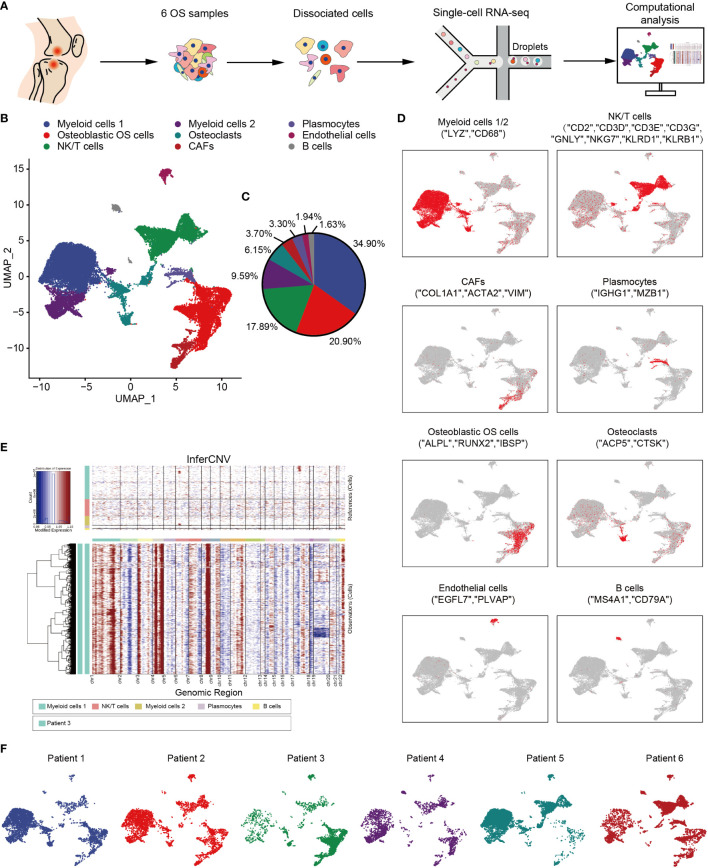
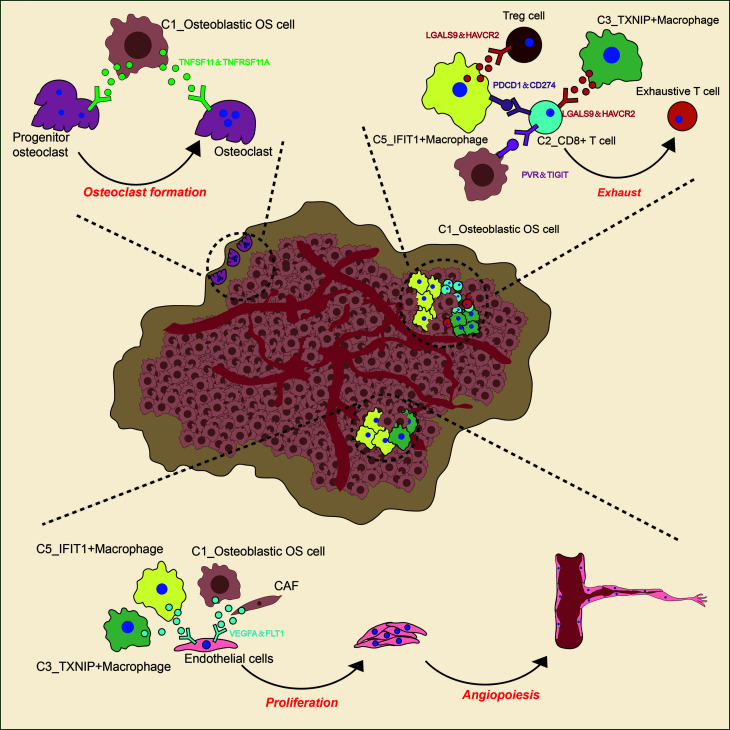
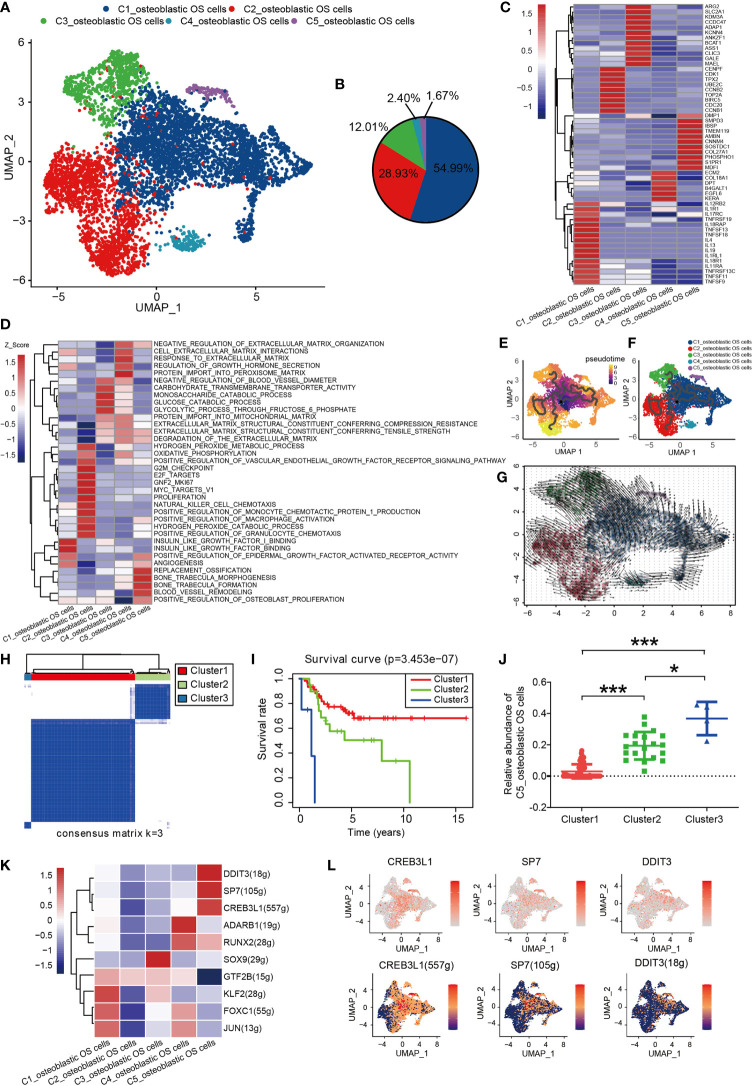
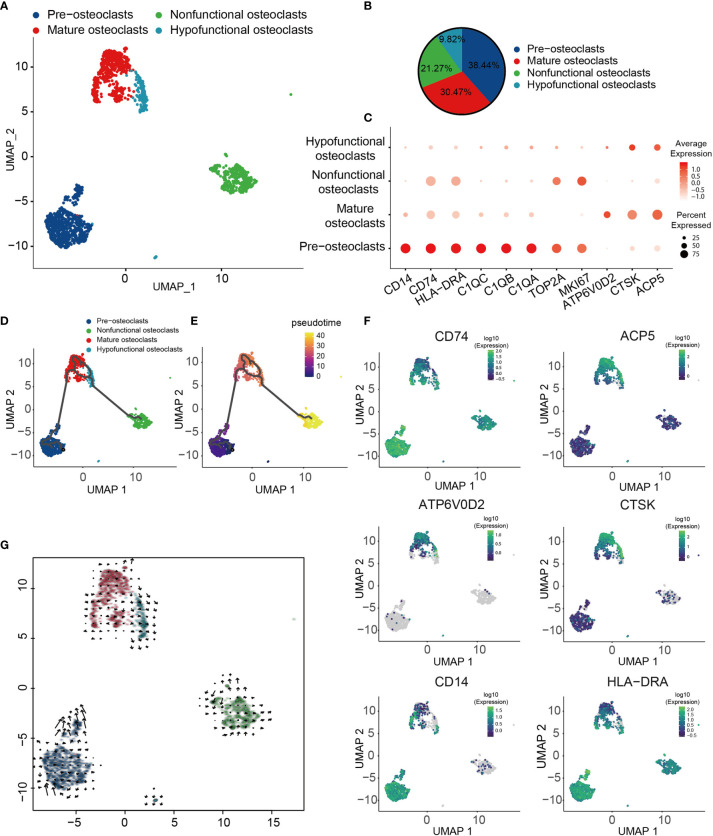
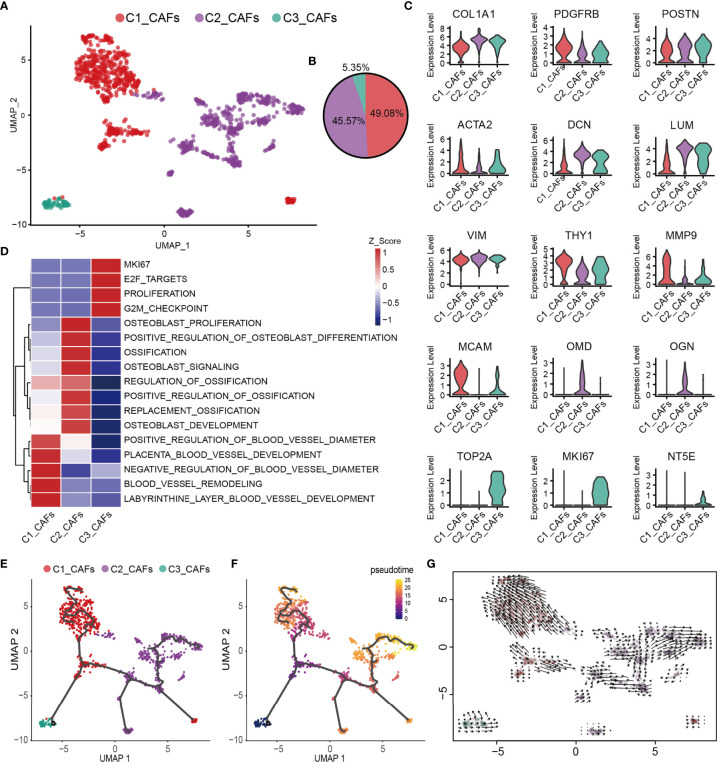
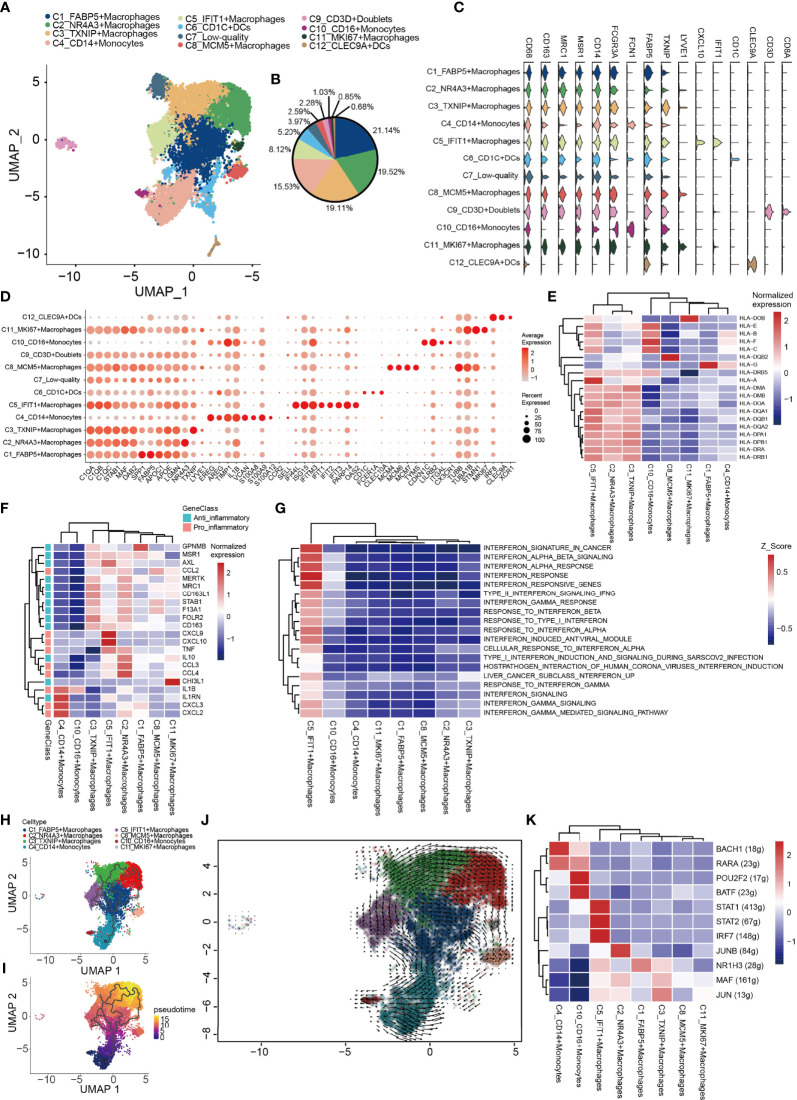
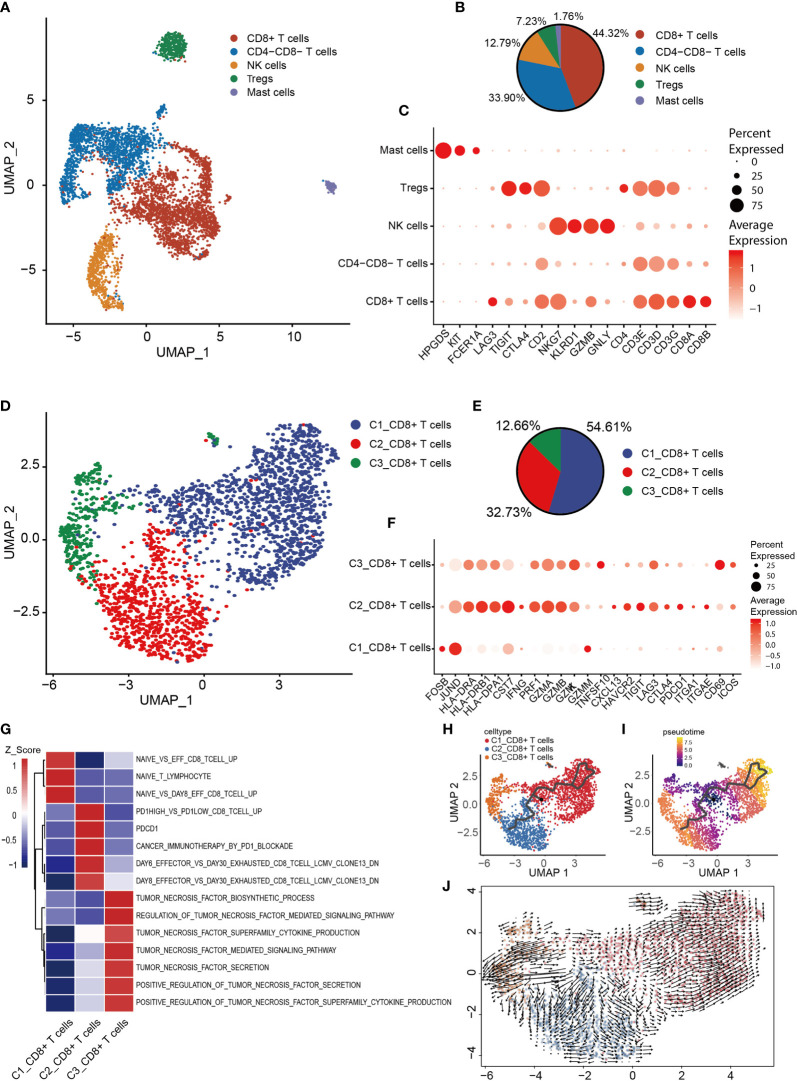
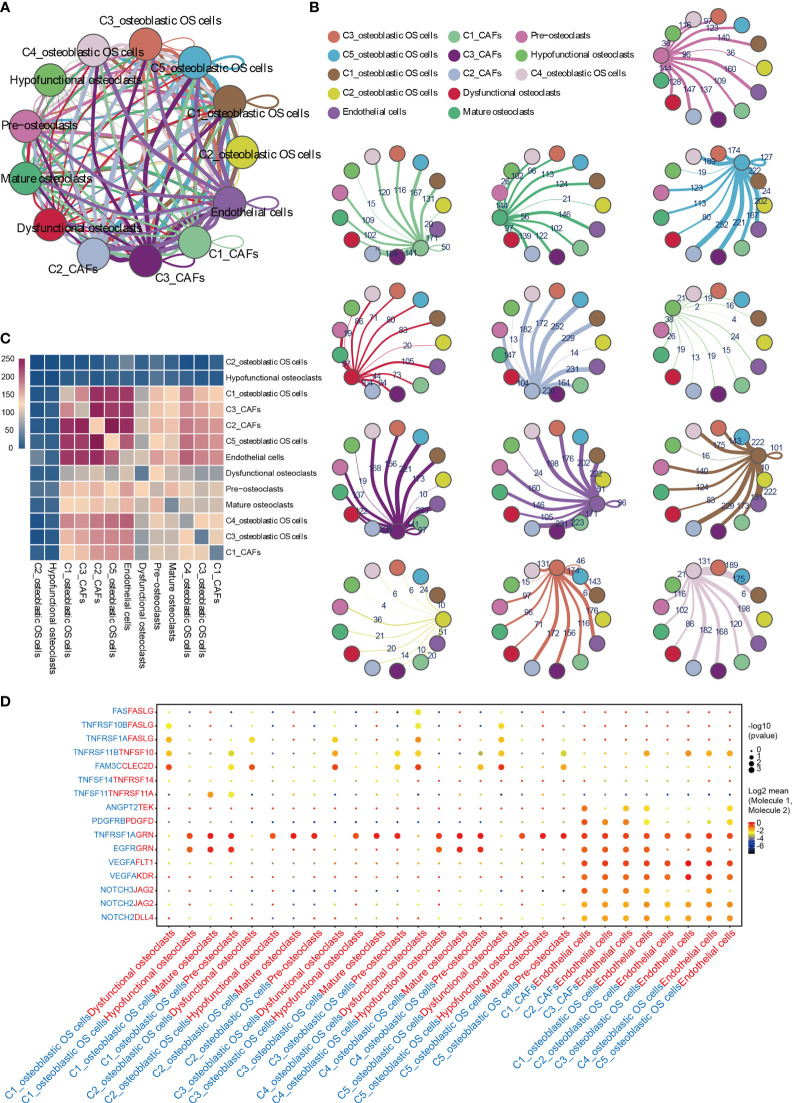
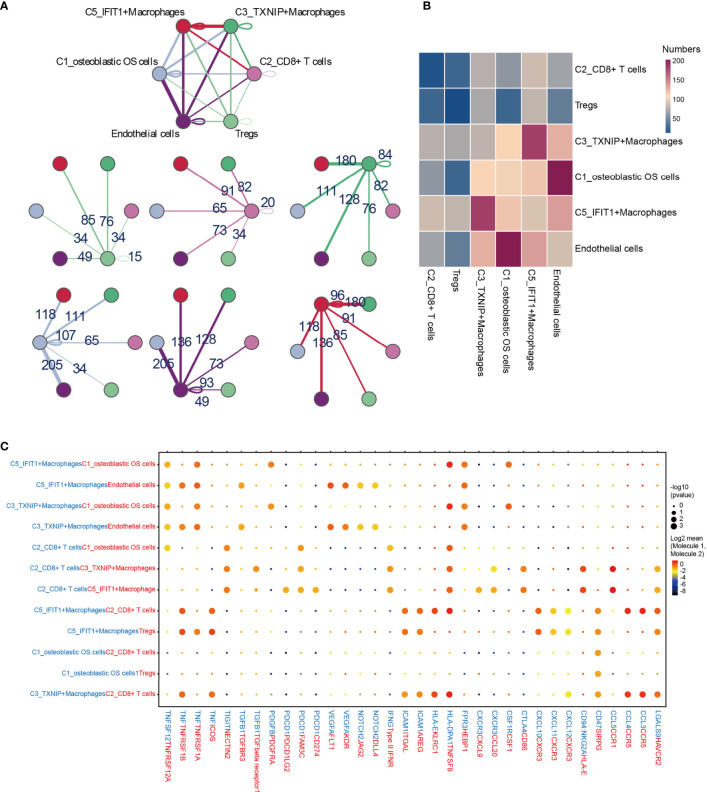
Osteosarcoma (OS), which occurs most commonly in adolescents, is associated with a high degree of malignancy and poor prognosis. In order to develop an accurate treatment for OS, a deeper understanding of its complex tumor microenvironment (TME) is required. In the present study, tissues were isolated from six patients with OS, and then subjected to single-cell RNA sequencing (scRNA-seq) using a 10× Genomics platform. Multiplex immunofluorescence staining was subsequently used to validate the subsets identified by scRNA-seq. ScRNA-seq of six patients with OS was performed prior to neoadjuvant chemotherapy, and data were obtained on 29,278 cells. A total of nine major cell types were identified, and the single-cell transcriptional map of OS was subsequently revealed. Identified osteoblastic OS cells were divided into five subsets, and the subsets of those osteoblastic OS cells with significant prognostic correlation were determined using a deconvolution algorithm. Thereby, different transcription patterns in the cellular subtypes of osteoblastic OS cells were reported, and key transcription factors associated with survival prognosis were identified. Furthermore, the regulation of osteolysis by osteoblastic OS cells receptor activator of nuclear factor kappa-B ligand was revealed. Furthermore, the role of osteoblastic OS cells in regulating angiogenesis through vascular endothelial growth factor-A was revealed. C3_TXNIP macrophages and C5_IFIT1 macrophages were found to regulate regulatory T cells and participate in CD8 T cell exhaustion, illustrating the possibility of immunotherapy that could target CD8 T cells and macrophages. Our findings here show that the role of C1_osteoblastic OS cells in OS is to promote osteolysis and angiogenesis, and this is associated with survival prognosis. In addition, T cell depletion is an important feature of OS. More importantly, the present study provided a valuable resource for the in-depth study of the heterogeneity of the OS TME.
骨肉瘤(OS)最常发生于青少年,具有高度恶性且预后较差。为了开发针对骨肉瘤的精准治疗方法,需要更深入地了解其复杂的肿瘤微环境(TME)。在本研究中,从6例骨肉瘤患者身上分离出组织,然后使用10×基因组学平台进行单细胞RNA测序(scRNA-seq)。随后采用多重免疫荧光染色来验证scRNA-seq鉴定出的细胞亚群。在新辅助化疗前对6例骨肉瘤患者进行了scRNA-seq,并获得了29278个细胞的数据。共鉴定出9种主要细胞类型,随后揭示了骨肉瘤的单细胞转录图谱。将鉴定出的成骨型骨肉瘤细胞分为5个亚群,并使用反卷积算法确定了与预后有显著相关性的成骨型骨肉瘤细胞亚群。由此,报道了成骨型骨肉瘤细胞细胞亚型中的不同转录模式,并鉴定出与生存预后相关的关键转录因子。此外,还揭示了成骨型骨肉瘤细胞通过核因子κB受体激活剂配体对骨溶解的调节作用。此外,还揭示了成骨型骨肉瘤细胞通过血管内皮生长因子-A调节血管生成的作用。发现C3_TXNIP巨噬细胞和C5_IFIT1巨噬细胞调节调节性T细胞并参与CD8 T细胞耗竭,这说明了针对CD8 T细胞和巨噬细胞的免疫疗法的可能性。我们在此的研究结果表明,C1_成骨型骨肉瘤细胞在骨肉瘤中的作用是促进骨溶解和血管生成,这与生存预后相关。此外,T细胞耗竭是骨肉瘤的一个重要特征。更重要的是,本研究为深入研究骨肉瘤TME的异质性提供了宝贵资源。