Front-Line Covid-19 Critical Care Alliance, Madison, WI.
Memphis VA Medical Center-University of Tennessee Health Science Center, Pulmonary, Critical Care, and Research Services, Memphis, TN.
Am J Ther. 2021 Apr 22;28(3):e299-e318. doi: 10.1097/MJT.0000000000001377.
After COVID-19 emerged on U.S shores, providers began reviewing the emerging basic science, translational, and clinical data to identify potentially effective treatment options. In addition, a multitude of both novel and repurposed therapeutic agents were used empirically and studied within clinical trials.
The majority of trialed agents have failed to provide reproducible, definitive proof of efficacy in reducing the mortality of COVID-19 with the exception of corticosteroids in moderate to severe disease. Recently, evidence has emerged that the oral antiparasitic agent ivermectin exhibits numerous antiviral and anti-inflammatory mechanisms with trial results reporting significant outcome benefits. Given some have not passed peer review, several expert groups including Unitaid/World Health Organization have undertaken a systematic global effort to contact all active trial investigators to rapidly gather the data needed to grade and perform meta-analyses.
Data were sourced from published peer-reviewed studies, manuscripts posted to preprint servers, expert meta-analyses, and numerous epidemiological analyses of regions with ivermectin distribution campaigns.
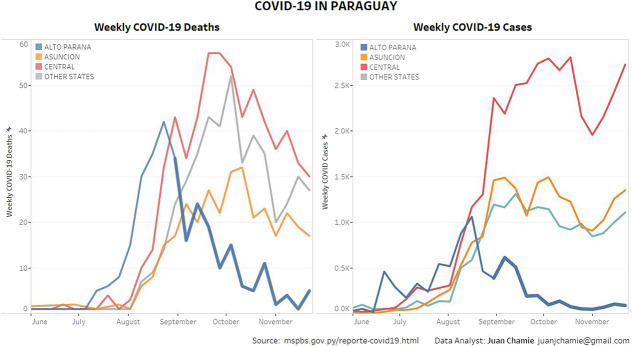
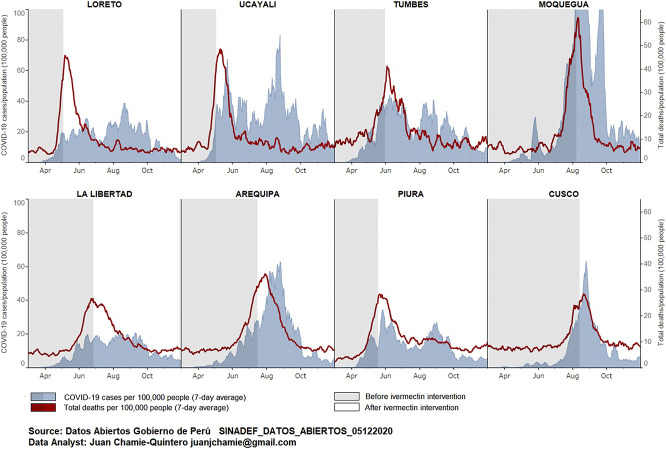
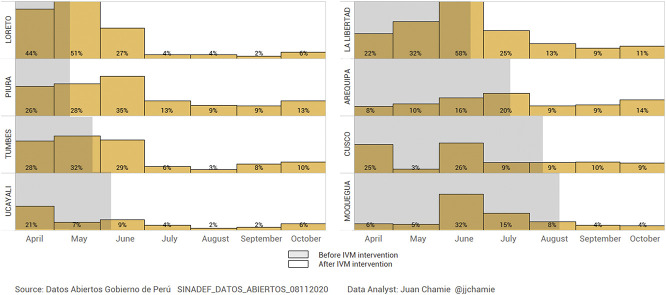
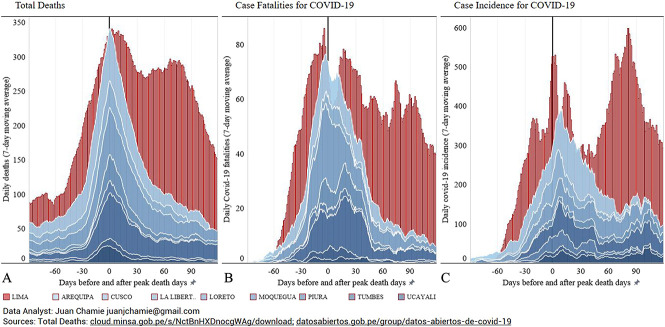
A large majority of randomized and observational controlled trials of ivermectin are reporting repeated, large magnitude improvements in clinical outcomes. Numerous prophylaxis trials demonstrate that regular ivermectin use leads to large reductions in transmission. Multiple, large "natural experiments" occurred in regions that initiated "ivermectin distribution" campaigns followed by tight, reproducible, temporally associated decreases in case counts and case fatality rates compared with nearby regions without such campaigns.
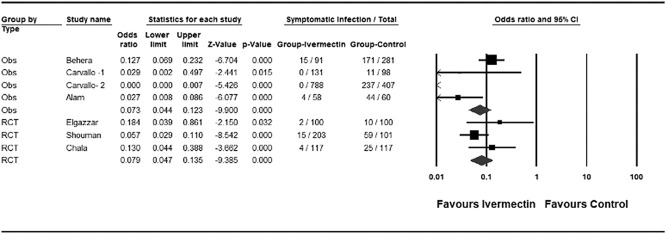
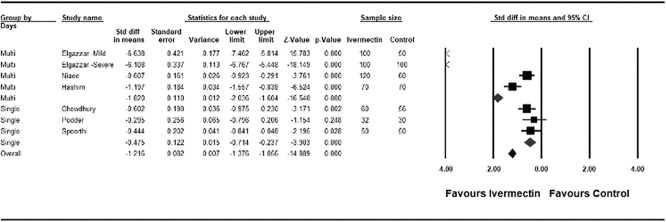
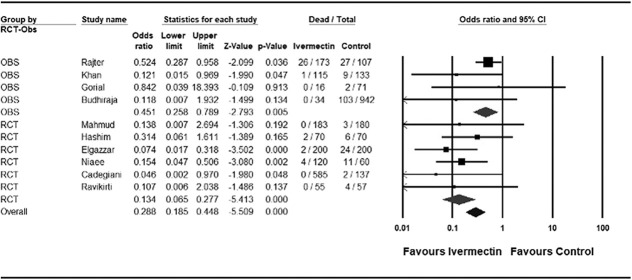
Meta-analyses based on 18 randomized controlled treatment trials of ivermectin in COVID-19 have found large, statistically significant reductions in mortality, time to clinical recovery, and time to viral clearance. Furthermore, results from numerous controlled prophylaxis trials report significantly reduced risks of contracting COVID-19 with the regular use of ivermectin. Finally, the many examples of ivermectin distribution campaigns leading to rapid population-wide decreases in morbidity and mortality indicate that an oral agent effective in all phases of COVID-19 has been identified.
新冠疫情在美国出现后,医护人员开始研究基础科学、转化和临床数据,以确定潜在有效的治疗方法。此外,大量新型和已上市药物被经验性使用,并在临床试验中进行了研究。
除了中重度疾病中使用的皮质类固醇外,大多数试验药物都未能提供降低新冠死亡率的可重复、明确的疗效证据。最近,有证据表明口服抗寄生虫药物伊维菌素具有多种抗病毒和抗炎机制,试验结果报告了显著的获益。由于一些研究尚未通过同行评审,包括 Unitaid/世界卫生组织在内的几个专家组已经开展了一项全球性的系统工作,联系所有正在进行的试验调查人员,迅速收集所需数据,以进行分级和荟萃分析。
数据来自已发表的同行评议研究、预印本服务器上发布的手稿、专家荟萃分析以及有伊维菌素分布活动的地区的大量流行病学分析。
伊维菌素的大多数随机和观察性对照试验都报告了临床结局的反复、大幅度改善。许多预防试验表明,定期使用伊维菌素可大幅降低传播风险。在启动“伊维菌素分发”活动的地区,以及在没有此类活动的附近地区,发生了多次大规模的“自然实验”,随后与附近地区相比,病例数和病死率都出现了紧密、可重复、时间相关的下降。
基于 18 项伊维菌素治疗新冠的随机对照治疗试验的荟萃分析发现,死亡率、临床康复时间和病毒清除时间均有大幅统计学意义的降低。此外,许多对照预防试验报告称,定期使用伊维菌素可显著降低感染新冠的风险。最后,伊维菌素分发活动导致发病率和死亡率在人群中迅速下降的许多例子表明,已经确定了一种对新冠所有阶段都有效的口服药物。