Hassan Tarek A, Sáenz Jorge Enrique, Ducinskiene Danute, Cook Joseph P, Imperato Joseph S, Zou Kelly H
Global Medical and Clinical, Viatris, Canonsburg, PA, USA.
Medical, Viatris, Madrid, Spain.
J Multidiscip Healthc. 2021 Sep 7;14:2453-2465. doi: 10.2147/JMDH.S313626. eCollection 2021.
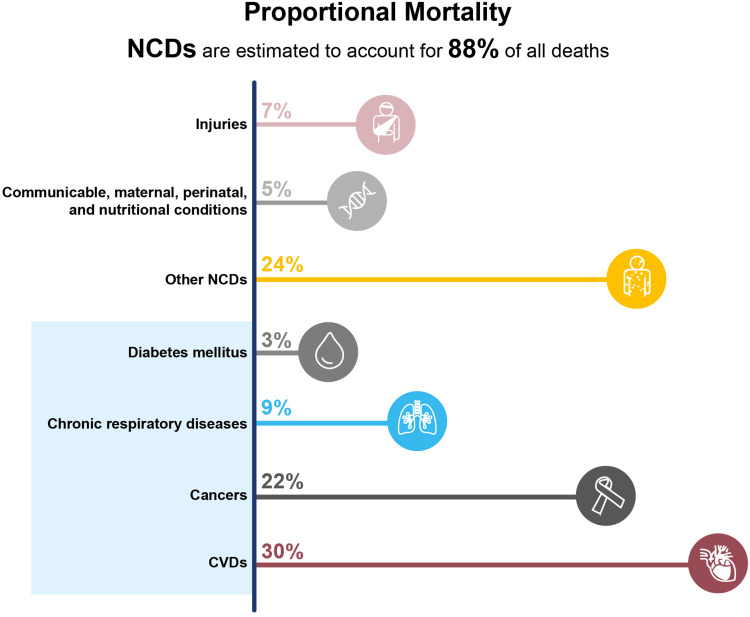
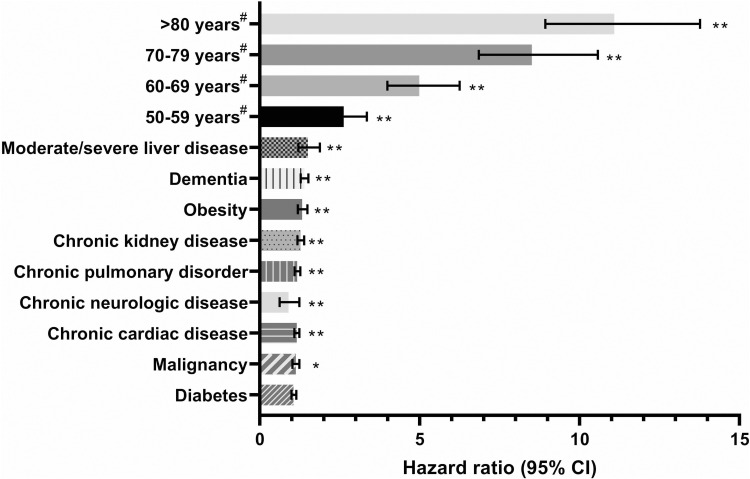
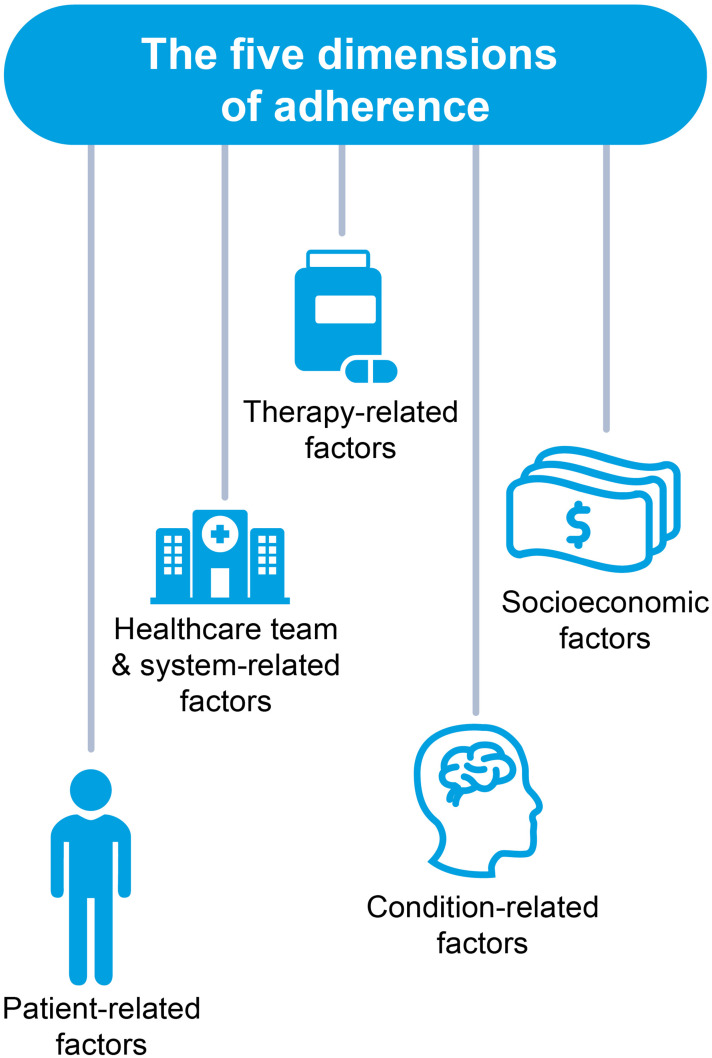
Noncommunicable diseases (NCDs) place a huge burden on healthcare systems and society as a whole. Relatively early in the coronavirus disease 2019 (COVID-19) pandemic, clinicians became aware that in individuals infected with COVID-19, those with preexisting NCDs such as diabetes mellitus and cardiovascular disease (CVD) were at a greater risk of poor outcomes and mortality than those without. The importance of adherence to medications and lifestyle changes to control and prevent NCDs has been a major focus for many years, but with limited success - the proportion of patients adherent and persistent to their medications remains very low. There are many facets to adherence and persistence. Recent evidence suggests that a patient-centric approach is important, and ensuring that a patient is both motivated and empowered is critical to improving adherence/persistence. The COVID-19 pandemic has brought many changes to the way in which patients with NCDs are managed, with telemedicine and ehealth becoming more common. Changes have also occurred in the way in which patients can gain access to medications during the pandemic. The potential for these changes forms the basis of improving the management of patients with NCDs both during and after the pandemic. Over the coming months, a huge amount of work will be put into initiatives to promote adherence to COVID-19 vaccination programs. Those at highest risk of severe COVID-19, such as people aged 80 years and older, are likely to receive the vaccine first in some parts of world. Finally, social determinants of health are critical elements that can impact not just the likelihood of having an NCD or becoming infected with COVID-19, but also access to healthcare, and a patient's adherence and persistence with their treatments.
非传染性疾病给医疗系统乃至整个社会带来了巨大负担。在2019冠状病毒病(COVID-19)大流行的相对早期,临床医生就意识到,在感染COVID-19的个体中,那些患有糖尿病和心血管疾病(CVD)等非传染性疾病的人比没有这些疾病的人面临更差的预后和更高的死亡风险。多年来,坚持药物治疗和改变生活方式以控制和预防非传染性疾病一直是主要关注点,但成效有限——坚持服药和持续治疗的患者比例仍然很低。坚持和持续治疗有很多方面。最近的证据表明,以患者为中心的方法很重要,确保患者有动力并获得支持对于提高坚持/持续治疗至关重要。COVID-19大流行给非传染性疾病患者的管理方式带来了许多变化,远程医疗和电子健康变得更加普遍。在大流行期间患者获取药物的方式也发生了变化。这些变化的潜力构成了在大流行期间及之后改善非传染性疾病患者管理的基础。在未来几个月里,将投入大量工作来推动COVID-19疫苗接种计划的实施。在世界某些地区,80岁及以上的人群等感染COVID-19后出现重症风险最高的人群可能会首先接种疫苗。最后,健康的社会决定因素是关键要素,不仅会影响患非传染性疾病或感染COVID-19的可能性,还会影响获得医疗保健的机会以及患者对治疗的坚持和持续治疗情况。