Brain Chemistry Labs, Box 3464, Jackson, WY 83001, USA.
Dartmouth-Hitchcock Medical Center, Department of Neurology, Geisel School of Medicine at Dartmouth, Lebanon, NH 03756, USA.
Toxins (Basel). 2021 Sep 16;13(9):660. doi: 10.3390/toxins13090660.
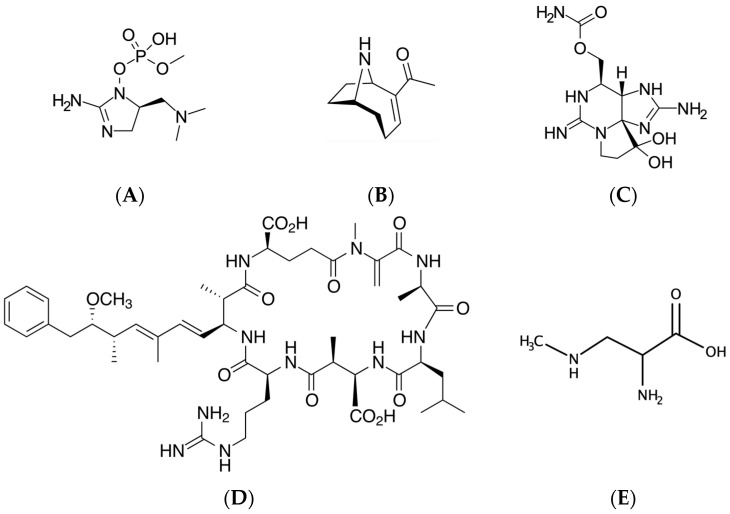
Cyanobacteria are capable of producing a wide range of bioactive compounds with many considered to be toxins. Although there are a number of toxicological outcomes with respect to cyanobacterial exposure, this review aims to examine those which affect the central nervous system (CNS) or have neurotoxicological properties. Such exposures can be acute or chronic, and we detail issues concerning CNS entry, detection and remediation. Exposure can occur through a variety of media but, increasingly, exposure through air via inhalation may have greater significance and requires further investigation. Even though cyanobacterial toxins have traditionally been classified based on their primary mode of toxicity, increasing evidence suggests that some also possess neurotoxic properties and include known cyanotoxins and unknown compounds. Furthermore, chronic long-term exposure to these compounds is increasingly being identified as adversely affecting human health.
蓝藻能够产生多种具有生物活性的化合物,其中许多被认为是毒素。尽管蓝藻暴露有许多毒理学后果,但本综述旨在研究那些影响中枢神经系统(CNS)或具有神经毒性的后果。这种暴露可以是急性的或慢性的,我们详细讨论了与 CNS 进入、检测和修复有关的问题。暴露可以通过多种介质发生,但通过空气吸入途径的暴露越来越重要,需要进一步研究。尽管蓝藻毒素传统上是根据其主要毒性模式进行分类的,但越来越多的证据表明,一些毒素也具有神经毒性,并包括已知的蓝藻毒素和未知的化合物。此外,越来越多的证据表明,长期慢性接触这些化合物会对人类健康产生不利影响。