Department of Biomedical Engineering, College of Medicine and College of Engineering, National Taiwan University, Taipei, Taiwan.
Department of Physical Medicine and Rehabilitation, National Taiwan Hospital University, Taipei, Taiwan.
Elife. 2021 Sep 27;10:e61660. doi: 10.7554/eLife.61660.
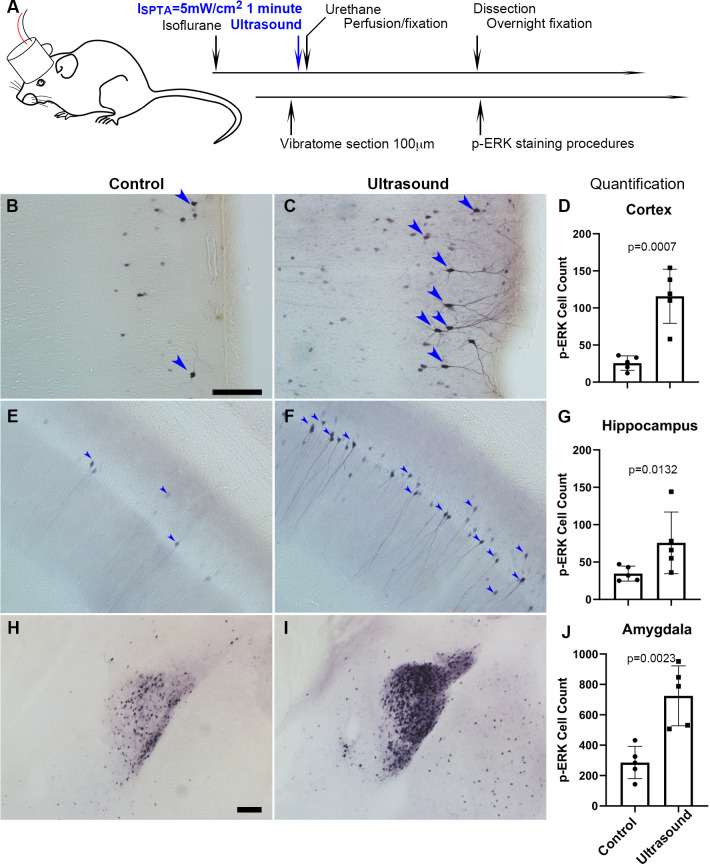
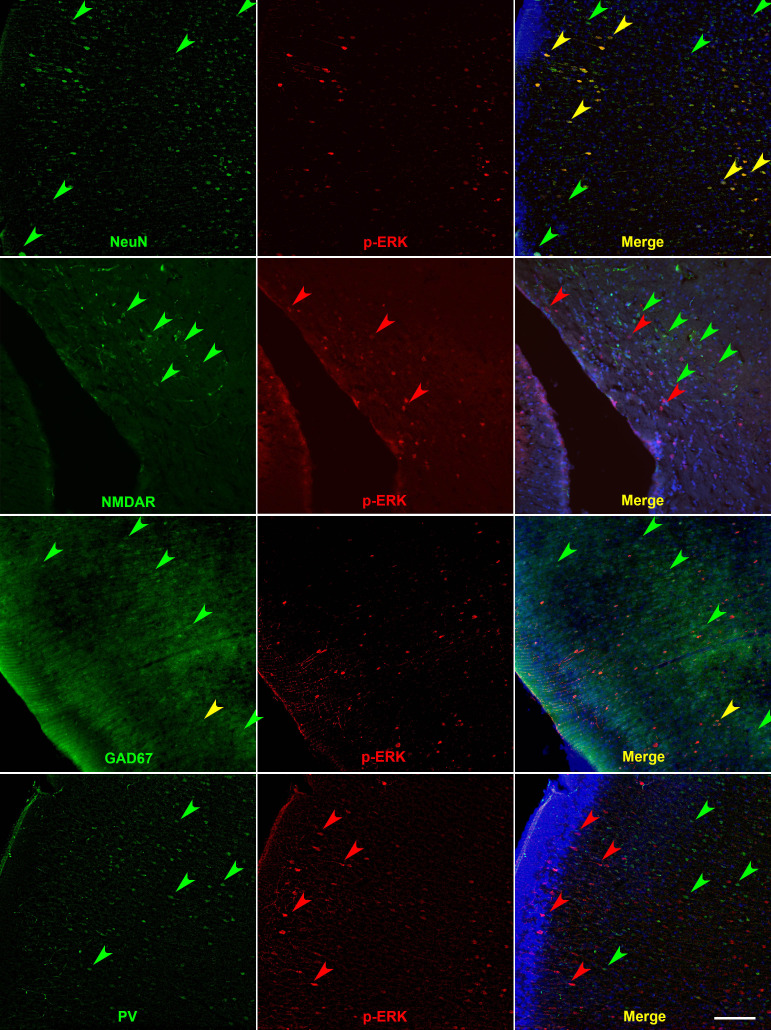
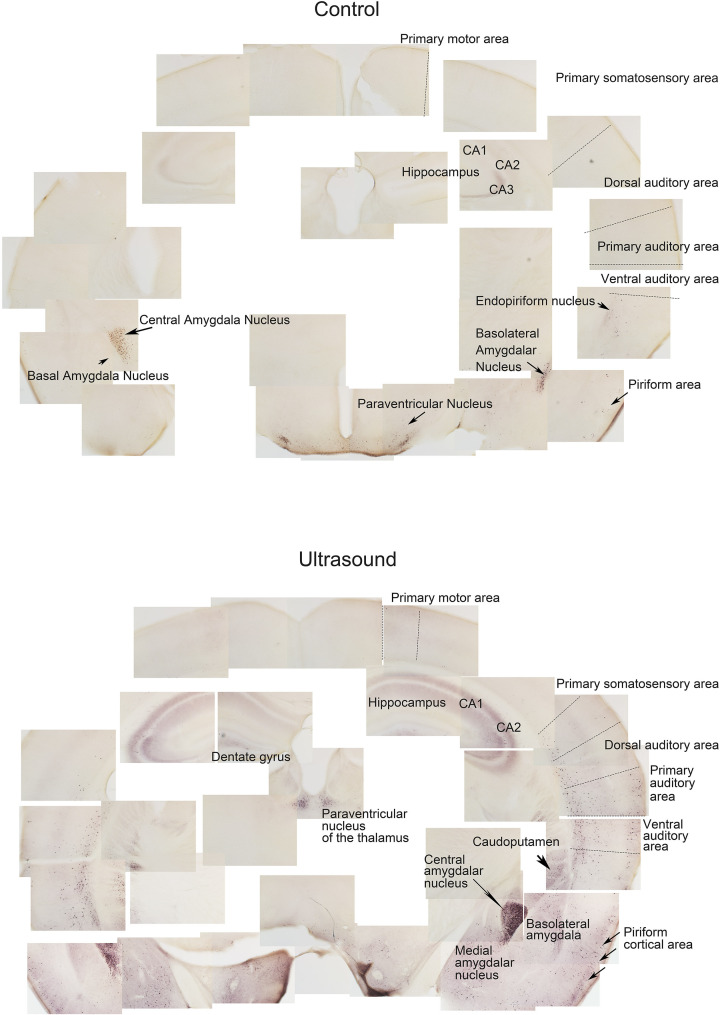
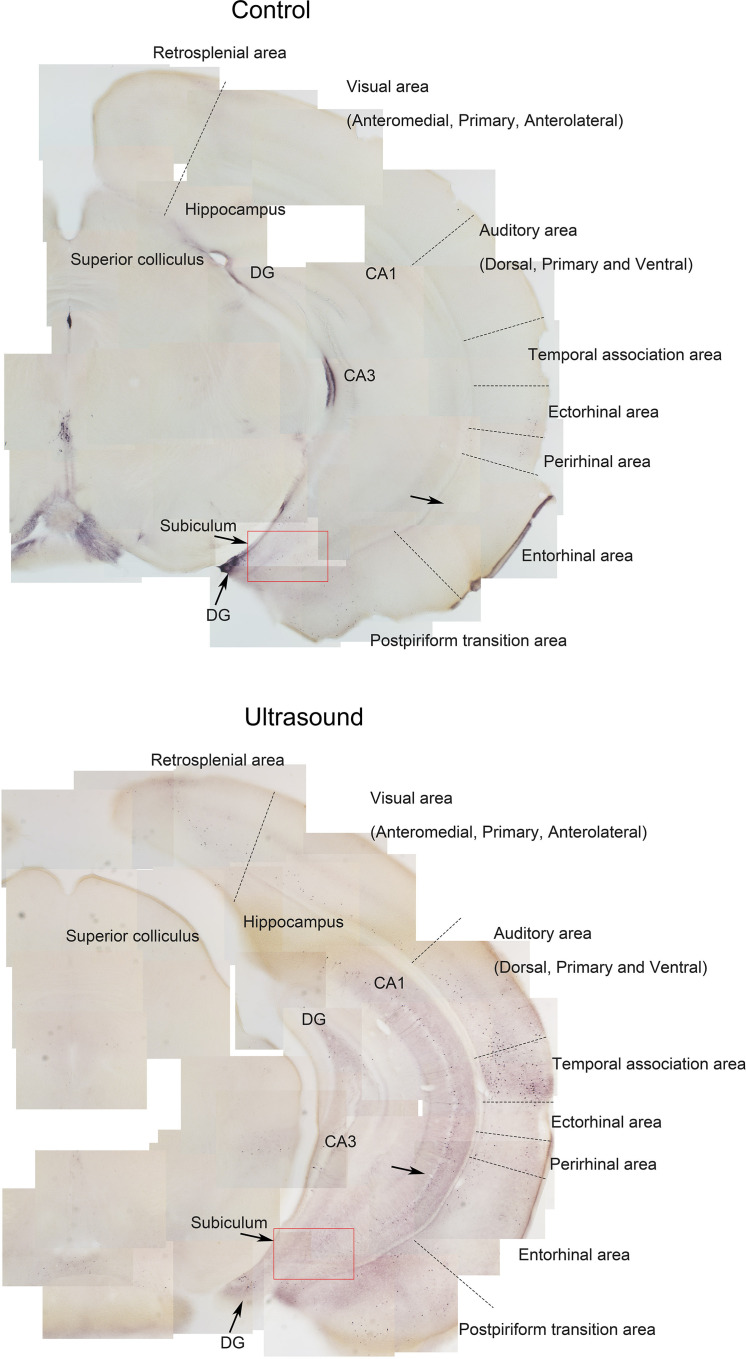
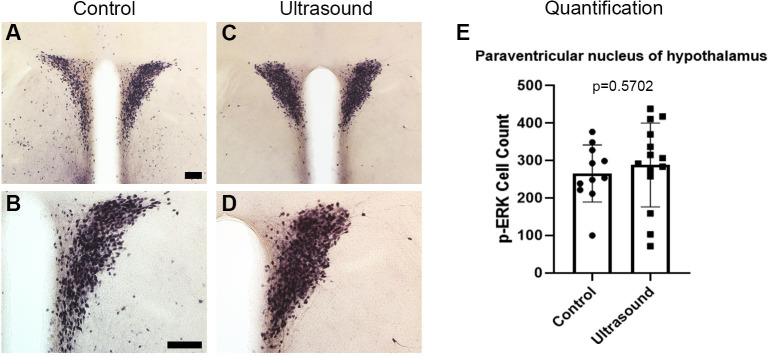
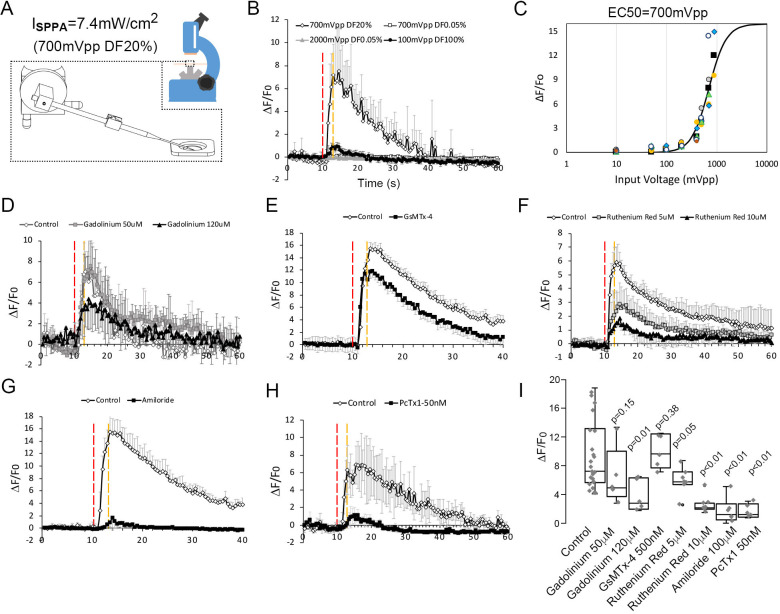
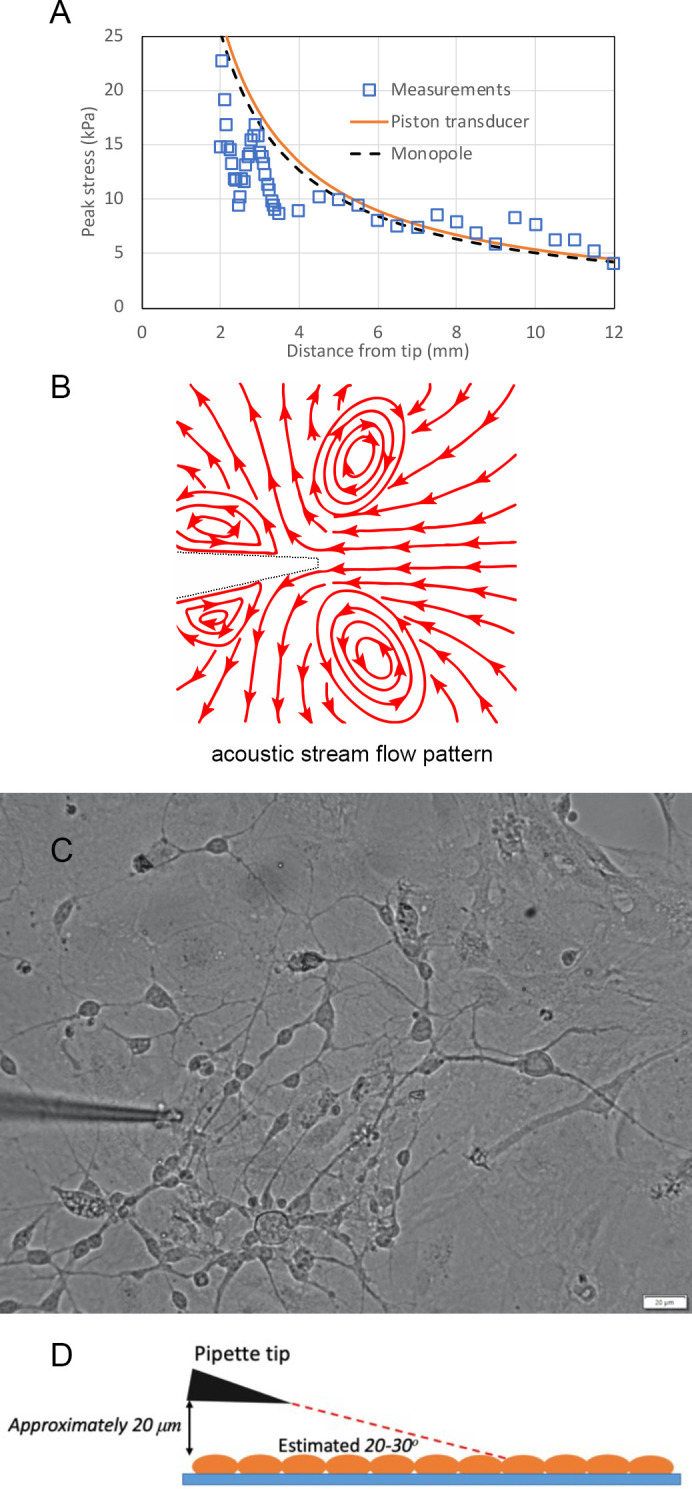
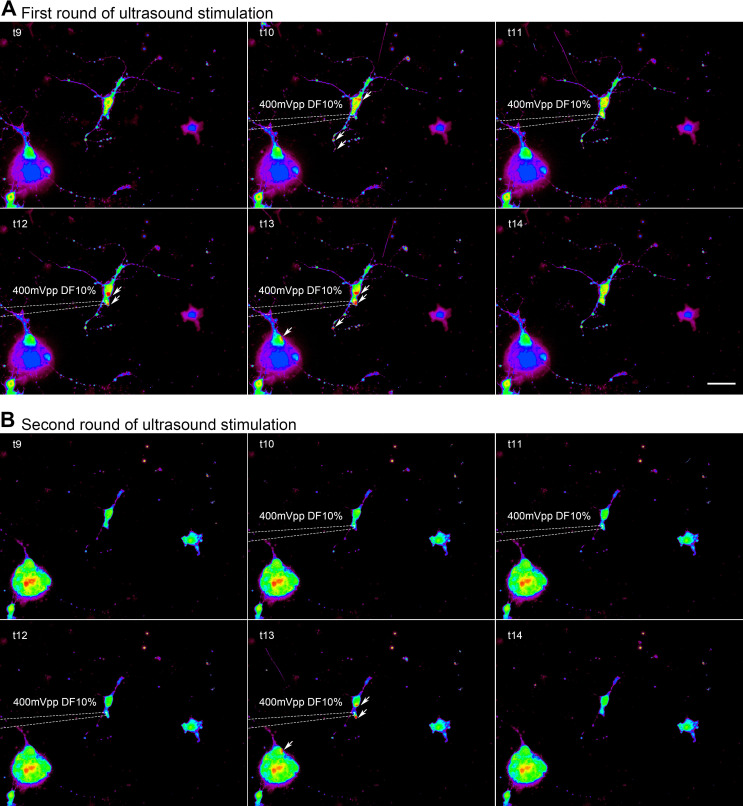
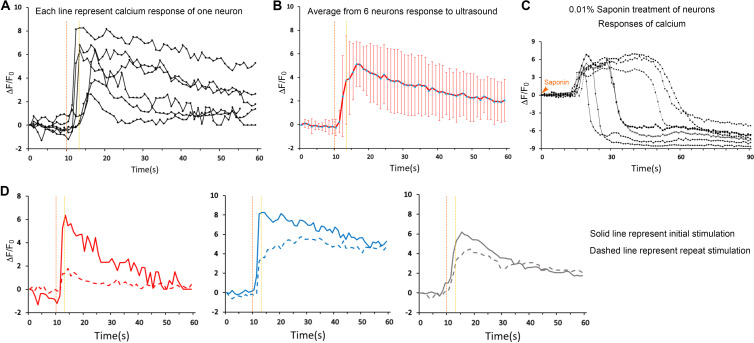
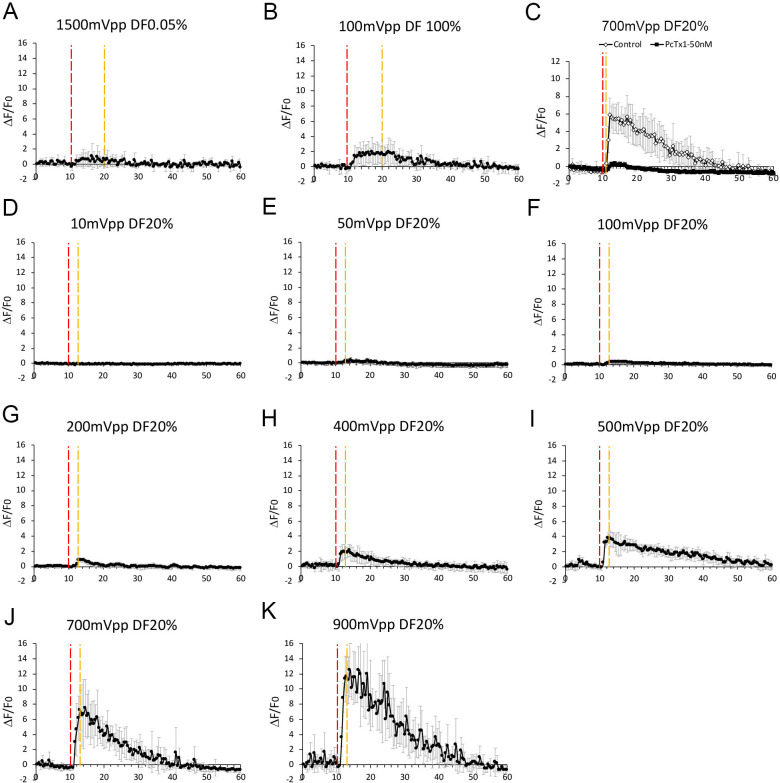
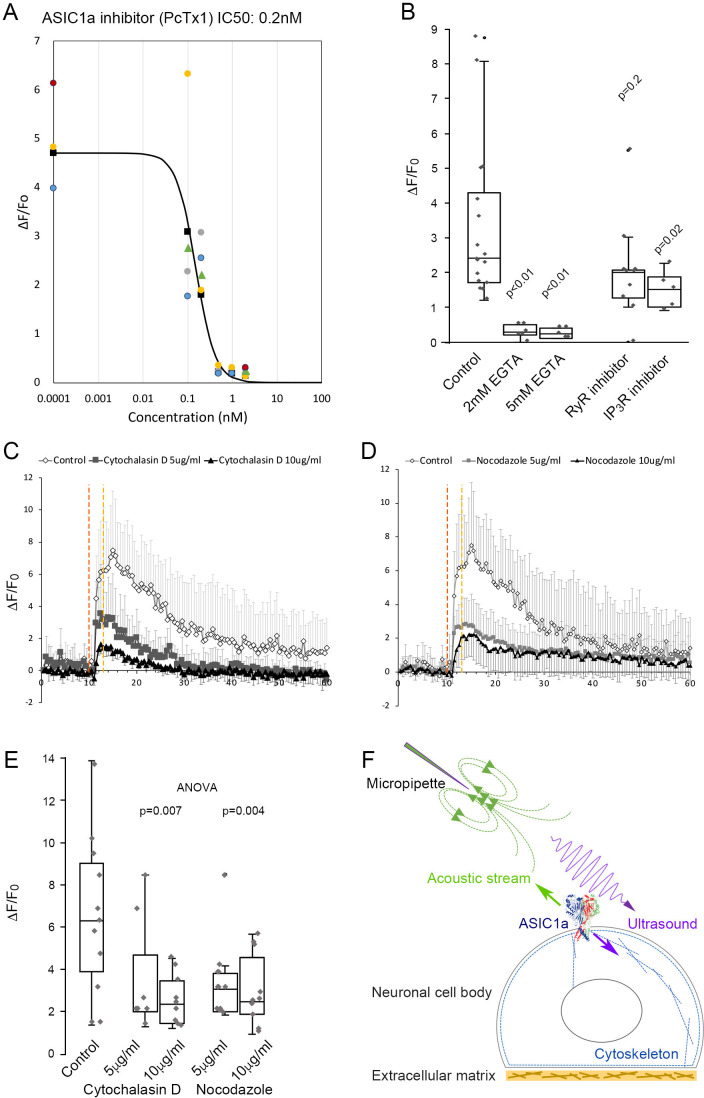
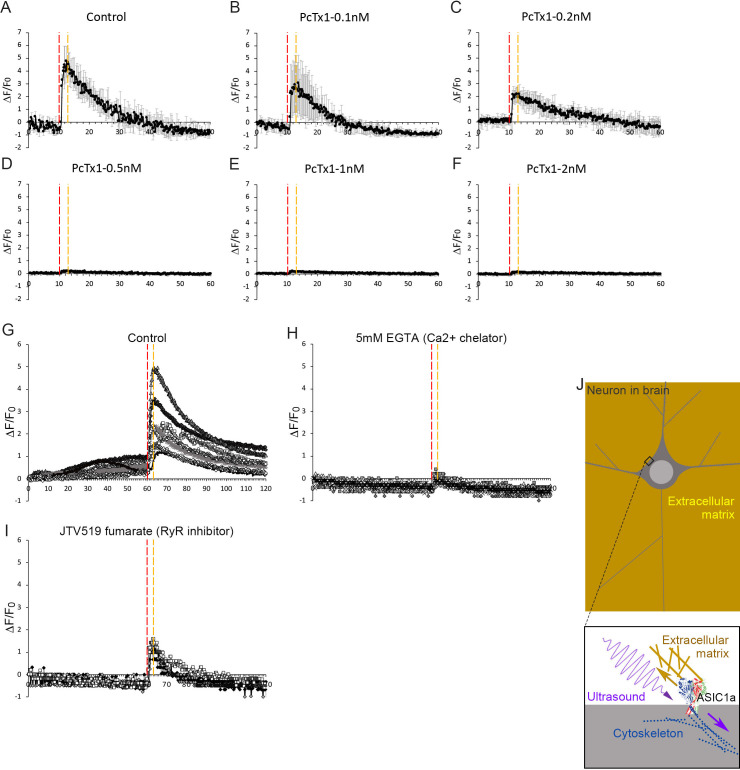
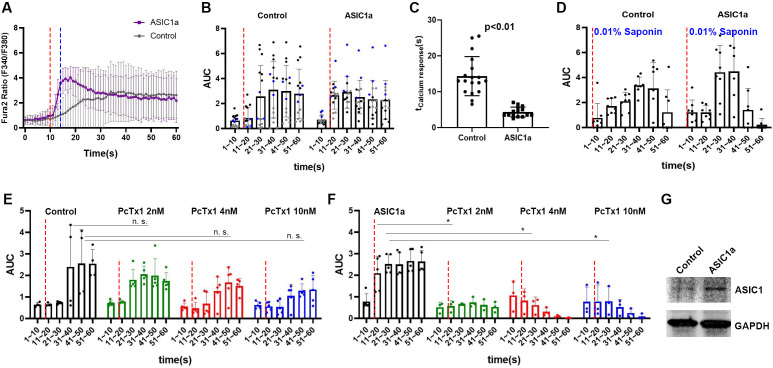
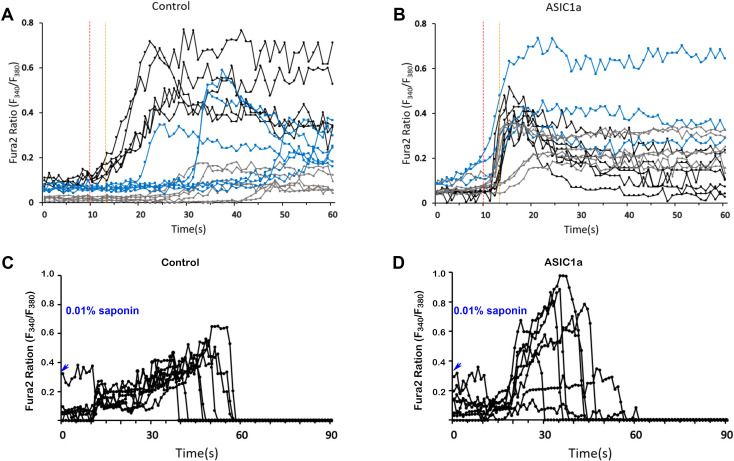
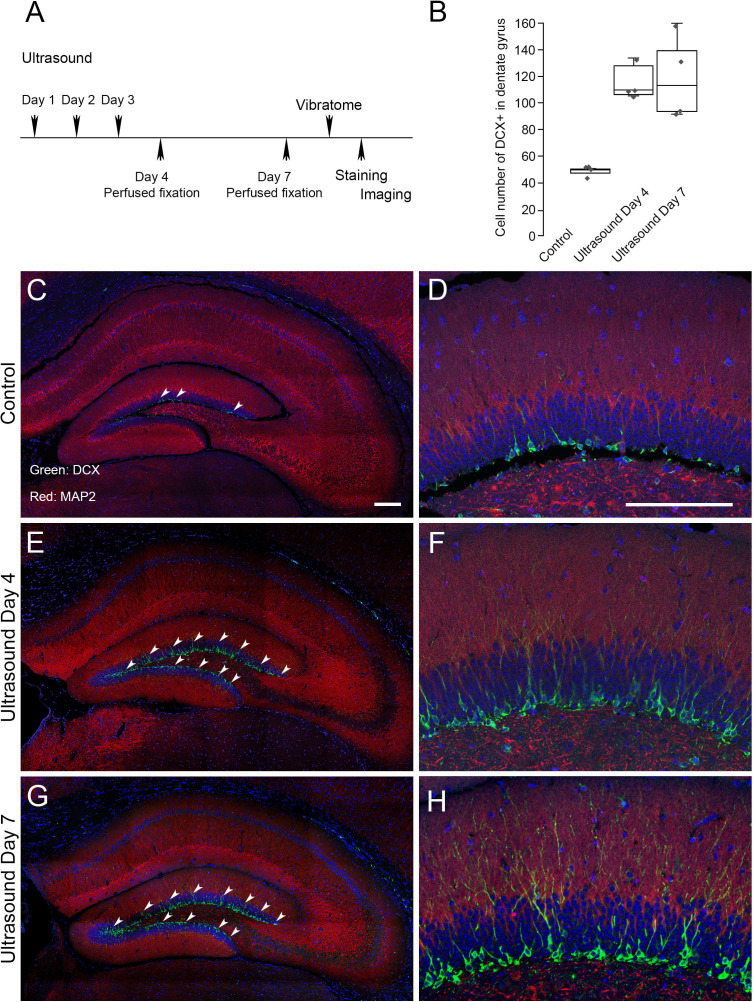
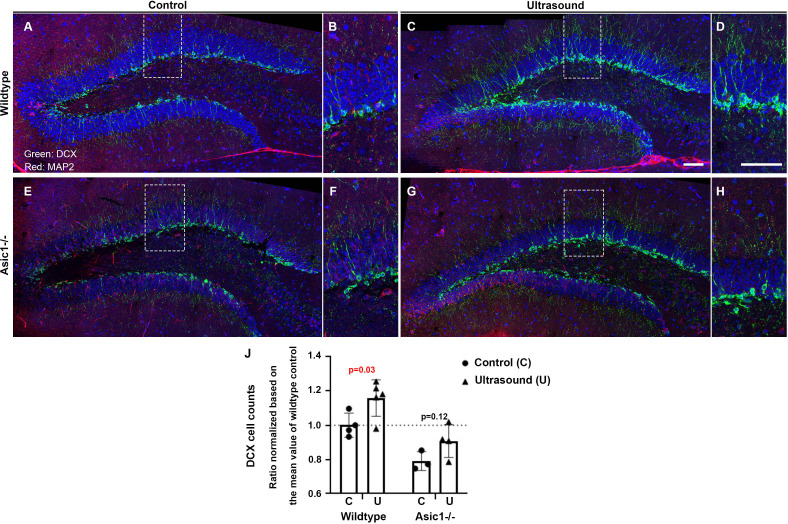
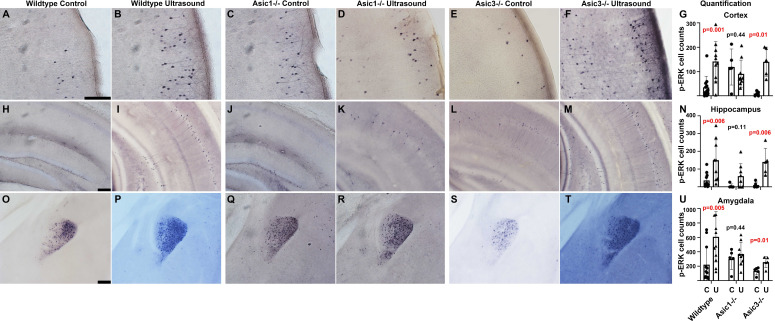
Accumulating evidence has shown transcranial low-intensity ultrasound can be potentially a non-invasive neural modulation tool to treat brain diseases. However, the underlying mechanism remains elusive and the majority of studies on animal models applying rather high-intensity ultrasound that cannot be safely used in humans. Here, we showed low-intensity ultrasound was able to activate neurons in the mouse brain and repeated ultrasound stimulation resulted in adult neurogenesis in specific brain regions. In vitro calcium imaging studies showed that a specific ultrasound stimulation mode, which combined with both ultrasound-induced pressure and acoustic streaming mechanotransduction, is required to activate cultured cortical neurons. ASIC1a and cytoskeletal proteins were involved in the low-intensity ultrasound-mediated mechanotransduction and cultured neuron activation, which was inhibited by ASIC1a blockade and cytoskeleton-modified agents. In contrast, the inhibition of mechanical-sensitive channels involved in bilayer-model mechanotransduction like Piezo or TRP proteins did not repress the ultrasound-mediated neuronal activation as efficiently. The ASIC1a-mediated ultrasound effects in mouse brain such as immediate response of ERK phosphorylation and DCX marked neurogenesis were statistically significantly compromised by ASIC1a gene deletion. Collated data suggest that ASIC1a is the molecular determinant involved in the mechano-signaling of low-intensity ultrasound that modulates neural activation in mouse brain.
越来越多的证据表明,经颅低强度超声可能成为一种非侵入性的神经调节工具,用于治疗脑部疾病。然而,其潜在的机制仍不清楚,且大多数应用于动物模型的研究都采用了高强度超声,而这种超声不能在人体上安全使用。在这里,我们发现低强度超声能够激活小鼠大脑中的神经元,并且重复的超声刺激会导致特定脑区的成年神经发生。体外钙成像研究表明,一种特定的超声刺激模式,结合了超声引起的压力和声流机械转导,是激活培养的皮质神经元所必需的。ASIC1a 和细胞骨架蛋白参与了低强度超声介导的机械转导和培养神经元的激活,ASIC1a 阻断和细胞骨架修饰剂可抑制其介导的机械转导和培养神经元的激活。相比之下,参与双层模型机械转导的机械敏感通道的抑制,如 Piezo 或 TRP 蛋白,不能像 ASIC1a 阻断那样有效地抑制超声介导的神经元激活。ASIC1a 介导的超声在小鼠大脑中的作用,如 ERK 磷酸化的即刻反应和 DCX 标记的神经发生,在 ASIC1a 基因缺失的情况下,其统计学上的即刻反应受到明显损害。综合数据表明,ASIC1a 是参与低强度超声机械信号转导的分子决定因素,调节了小鼠大脑中的神经激活。