Soifoini Toilibou, Donno Dario, Jeannoda Victor, Rakoto Danielle Doll, Msahazi Ahmed, Farhat Saidi Mohamed Mkandzile, Oulam Mouandhoime Zahahe, Beccaro Gabriele Loris
Laboratoire Aliments, Réactivité et Synthèse des Substances Naturelles, Faculté des Sciences et Techniques, Université des Comores, Moroni 167, Comoros.
Dipartimento di Scienze Agrarie, Forestali e Alimentari (DISAFA), Università degli Studi di Torino, 10095 Grugliasco, Italy.
Foods. 2021 Sep 9;10(9):2136. doi: 10.3390/foods10092136.
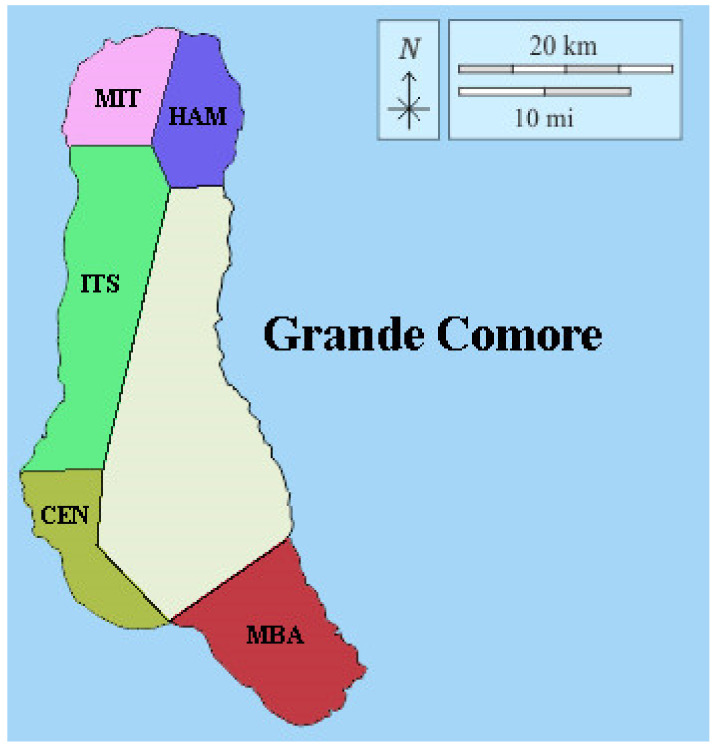
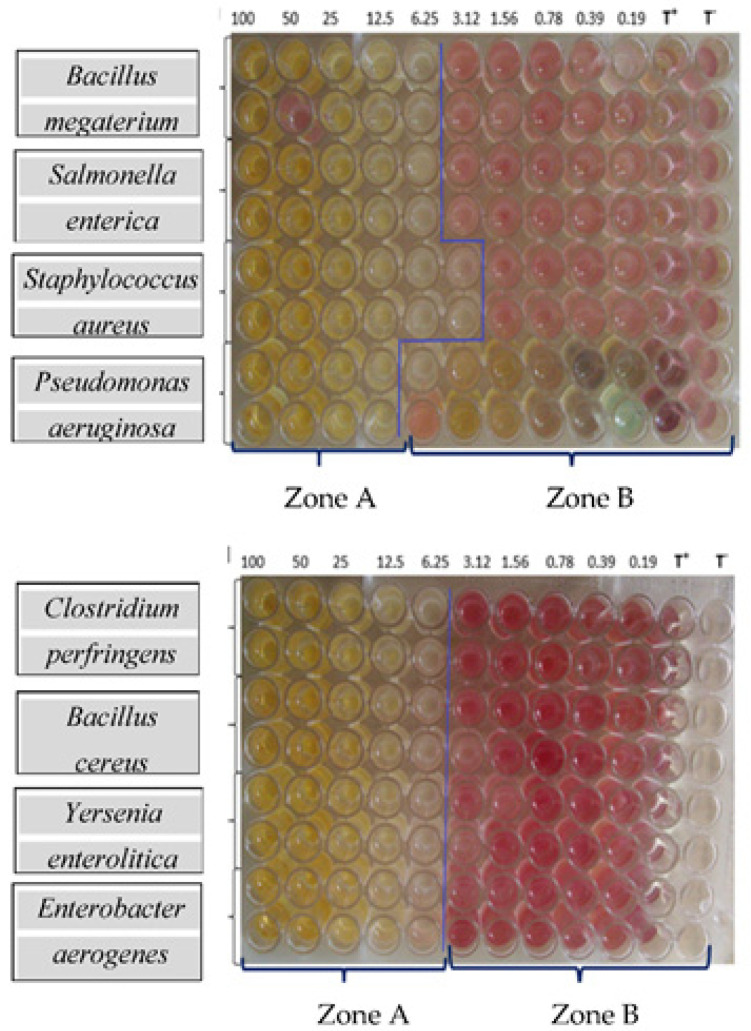
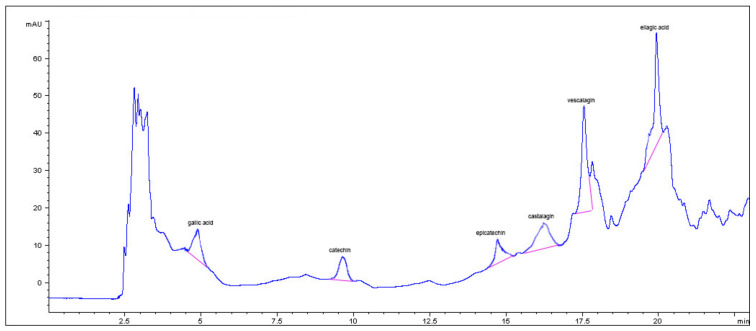
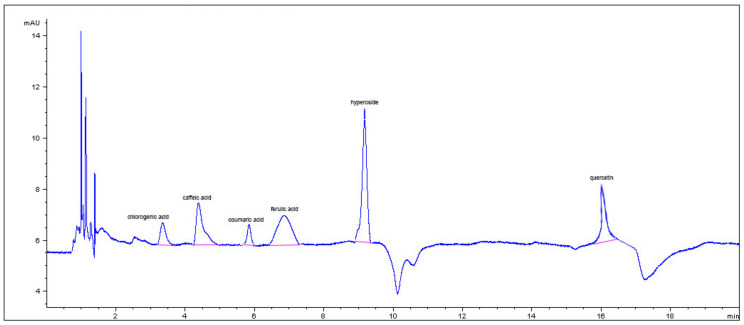
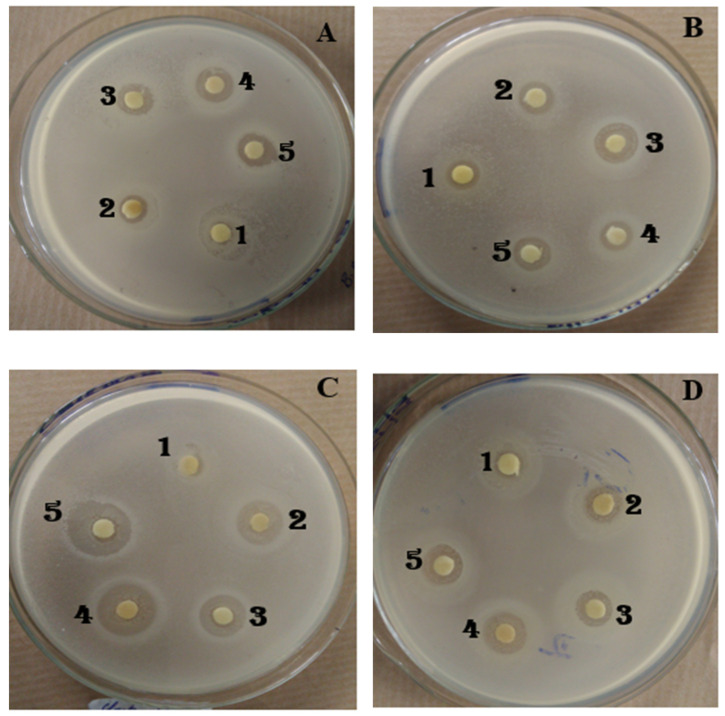
The present study aimed to evaluate the health-promoting potential of breadfruit ( (Parkinson) Fosberg, Moraceae family), a traditional Comorian food, considering the sample variability according to geographic localisation. Moreover, the main aims of this research were also to promote its consumption in the Comoros Islands as potential health-promoting food and evaluate it as a source of bioactive molecules for the food industry thanks to its antioxidant and antibacterial properties. Investigations on biologically active substances were carried out on the extracts obtained from breadfruit flours from five regions of Grande Comore (Ngazidja), the main island in Comoros. Phytochemical screening revealed the presence of tannins and polyphenols, flavonoids, leucoanthocyanins, steroids, and triterpenes. The considered secondary metabolites were phenolic compounds, vitamin C, monoterpenes, and organic acids. The contents of total phenolic compounds (mgGAE/100 g of dry weight-DW) in the extracts ranged from 29.69 ± 1.40 (breadfruit from Mbadjini-ExMBA) to 96.14 ± 2.07 (breadfruit from Itsandra-ExITS). These compounds included flavanols, flavonols, cinnamic acid and benzoic acid derivatives, and tannins which were detected at different levels in the different extracts. Chlorogenic acid presented the highest levels between 26.57 ± 0.31 mg/100 g DW (ExMIT) and 43.80 ± 5.43 mg/100 g DW (ExMBA). Quercetin was by far the most quantitatively important flavonol with levels ranging from 14.68 ± 0.19 mg/100 g DW (ExMIT) to 29.60 ± 0.28 mg/100 g DW (ExITS). The extracts were also rich in organic acids and monoterpenes. Quinic acid with contents ranging from 77.25 ± 6.04 mg/100 g DW (ExMBA) to 658.56 ± 0.25 mg/100 g DW of ExHAM was the most important organic acid in all the breadfruit extracts, while limonene was quantitatively the main monoterpene with contents between 85.86 ± 0.23 mg/100 g DW (ExMIT) and 565.45 ± 0.24 mg/100 g DW (ExITS). The antibacterial activity of the extracts was evaluated on twelve pathogens including six Gram (+) bacteria and six Gram (-) bacteria. By the solid medium disc method, except for and , all the bacteria were sensitive to one or more extracts. Inhibitory Halo Diameters (IHDs) ranged from 8 mm to 16 mm. , , and were the most sensitive with IHD > 14 mm for ExITS. By the liquid microdilution method, MICs ranged from 3.12 mg/mL to 50 mg/mL and varied depending on the extract. was the most sensitive with MICs ≤ 12.5 mg/mL. , , and were the least sensitive with all MICs ≥ 12.5 mg/mL. ExHAM was most effective with a MIC of 3.12 mg/mL on and 6.25 mg/mL on . The antioxidant power of the extracts was evaluated by the FRAP method. The activity ranged from 5.44 ± 0.35 (ExMBA) to 14.83 ± 0.11 mmol Fe/kg DW (ExHAM). Breadfruit from different regions of Comoros contained different classes of secondary metabolites well known for their important pharmacological properties. The results of this study on phenolics, monoterpenes, and organic acids have provided new data on these fruits. The obtained results showed that breadfruit from the biggest island of the Union of Comoros also presented antimicrobial and antioxidant properties, even if some differences in effectiveness existed between fruits from different regions.
本研究旨在评估科摩罗传统食物面包果((Parkinson) Fosberg,桑科)的健康促进潜力,同时考虑到样本因地理定位而产生的变异性。此外,本研究的主要目的还包括在科摩罗群岛推广其作为潜在健康促进食品的消费,并因其抗氧化和抗菌特性将其评估为食品工业生物活性分子的来源。对从科摩罗主要岛屿大科摩罗岛(恩加齐贾)五个地区的面包果粉中提取的提取物进行了生物活性物质研究。植物化学筛选显示存在单宁、多酚、黄酮类化合物、无色花青素、甾体和三萜类化合物。所考虑的次生代谢产物为酚类化合物、维生素C、单萜类化合物和有机酸。提取物中总酚化合物含量(mgGAE/100 g干重-DW)范围为29.69±1.40(来自姆巴吉尼的面包果-ExMBA)至96.14±2.07(来自伊桑德拉的面包果-ExITS)。这些化合物包括黄烷醇、黄酮醇、肉桂酸和苯甲酸衍生物,以及在不同提取物中检测到的不同含量的单宁。绿原酸含量最高,在26.57±0.31 mg/100 g DW(ExMIT)至43.80±5.43 mg/100 g DW(ExMBA)之间。槲皮素是迄今为止含量最丰富的黄酮醇,含量范围为14.68±0.19 mg/100 g DW(ExMIT)至29.60±0.28 mg/100 g DW(ExITS)。提取物还富含有机酸和单萜类化合物。奎尼酸含量范围为77.25±6.04 mg/100 g DW(ExMBA)至658.56±0.25 mg/100 g DW的ExHAM,是所有面包果提取物中最重要的有机酸,而柠檬烯是含量最多的单萜类化合物,含量在85.86±0.23 mg/100 g DW(ExMIT)至565.45±0.24 mg/100 g DW(ExITS)之间。对提取物的抗菌活性进行了评估,针对包括六种革兰氏阳性菌和六种革兰氏阴性菌在内的十二种病原体。通过固体培养基纸片法,除 和 外,所有细菌对一种或多种提取物敏感。抑菌圈直径(IHDs)范围为8 mm至16 mm。 、 和 最敏感,ExITS对其IHD>14 mm。通过液体微量稀释法,最低抑菌浓度(MICs)范围为3.Img/mL至50 mg/mL,且因提取物而异。 最敏感,MICs≤12.5 mg/mL。 、 和 最不敏感,所有MICs≥12.5 mg/mL。ExHAM最有效,对 的MIC为3.12 mg/mL,对 的MIC为6.25 mg/mL。通过铁还原抗氧化能力(FRAP)法评估提取物的抗氧化能力。活性范围为5.44±0.35(ExMBA)至14.83±0.11 mmol Fe/kg DW(ExHAM)。科摩罗不同地区的面包果含有不同种类的次生代谢产物,这些次生代谢产物以其重要的药理特性而闻名。本研究关于酚类、单萜类化合物和有机酸的结果为这些水果提供了新的数据。所得结果表明,科摩罗联盟最大岛屿上的面包果也具有抗菌和抗氧化特性,即使不同地区的水果在有效性上存在一些差异。