Department of Nutritional Sciences, Oklahoma State University, Stillwater, OK74075, USA.
Boden Collaboration for Obesity, Nutrition, Exercise and Eating Disorders, The University of Sydney, Sydney, NSW2006, Australia.
J Nutr Sci. 2021 Sep 14;10:e75. doi: 10.1017/jns.2021.73. eCollection 2021.
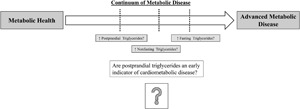
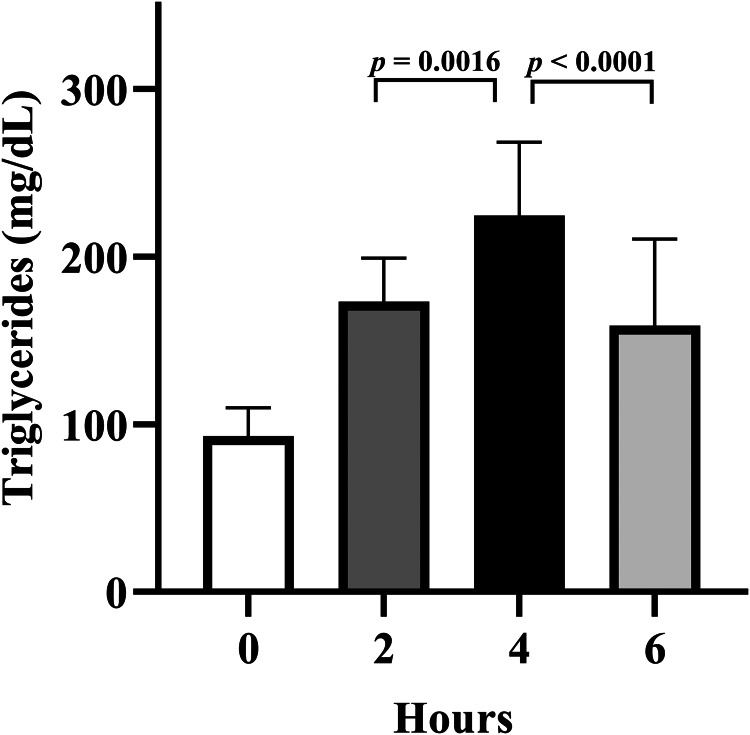
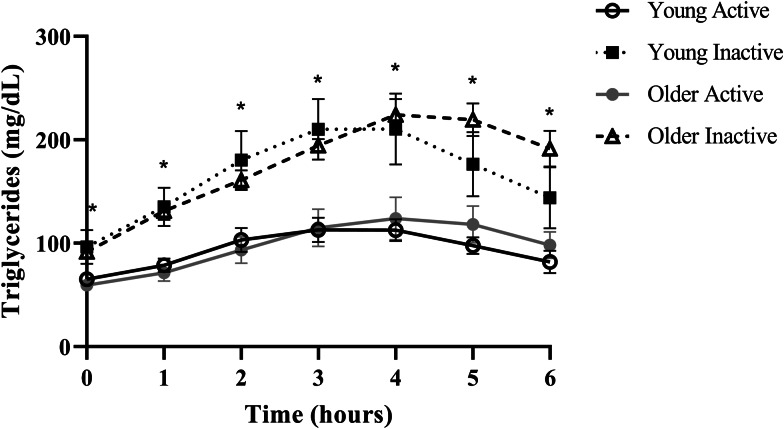
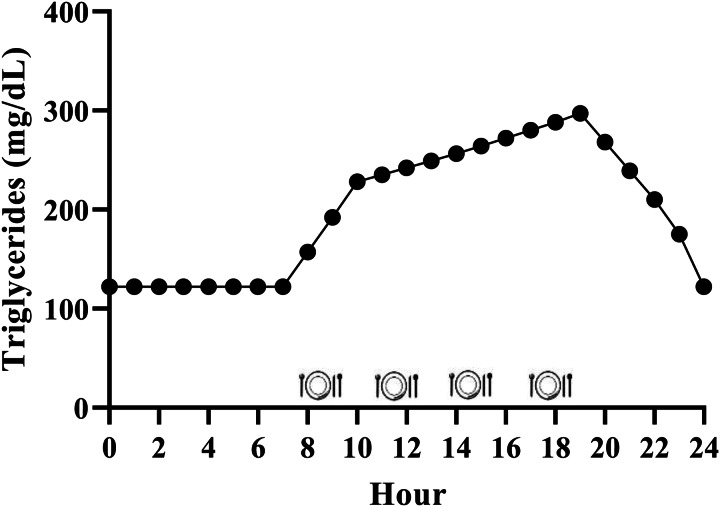
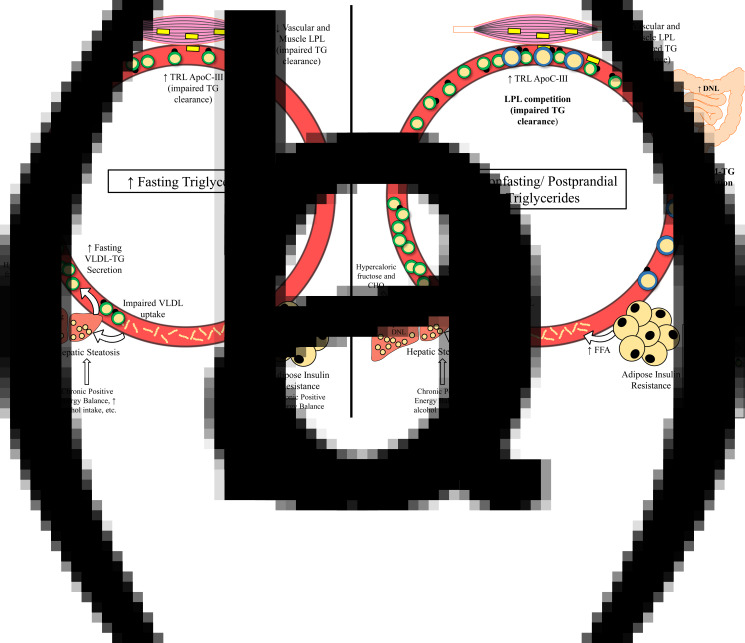
Fasting triacylglycerols have long been associated with cardiovascular disease (CVD) and other cardiometabolic conditions. Evidence suggests that non-fasting triglycerides (i.e. measured within 8 h of eating) better predict CVD than fasting triglycerides, which has led several organisations to recommend non-fasting lipid panels as the new clinical standard. However, unstandardised assessment protocols associated with non-fasting triglyceride measurement may lead to misclassification, with at-risk individuals being overlooked. A third type of triglyceride assessment, postprandial testing, is more controlled, yet historically has been difficult to implement due to the time and effort required to execute it. Here, we review differences in assessment, the underlying physiology and the pathophysiological relevance of elevated fasting, non-fasting and postprandial triglycerides. We also present data suggesting that there may be a distinct advantage of postprandial triglycerides, even over non-fasting triglycerides, for early detection of CVD risk and offer suggestions to make postprandial protocols more clinically feasible.
空腹三酰甘油一直与心血管疾病(CVD)和其他心血管代谢疾病有关。有证据表明,非空腹甘油三酯(即进食后 8 小时内测量)比空腹甘油三酯更好地预测 CVD,这导致一些组织建议将非空腹脂质谱作为新的临床标准。然而,与非空腹甘油三酯测量相关的非标准化评估方案可能导致分类错误,使处于危险中的个体被忽视。第三种甘油三酯评估方法是餐后检测,它更具可控性,但由于执行它所需的时间和精力,在历史上一直难以实施。在这里,我们回顾了评估方法、基础生理学以及空腹、非空腹和餐后甘油三酯升高的病理生理学相关性的差异。我们还提出了一些数据,表明即使是餐后甘油三酯,对于早期检测 CVD 风险也可能具有明显的优势,甚至优于非空腹甘油三酯,并提供了一些建议,使餐后方案更具临床可行性。