Hachim Ibrahim Y, Hachim Mahmood Y, Talaat Iman Mamdouh, López-Ozuna Vanessa M, Saheb Sharif-Askari Narjes, Al Heialy Saba, Halwani Rabih, Hamid Qutayba
Clinical Sciences Department, College of Medicine, University of Sharjah, Sharjah, United Arab Emirates.
Sharjah Institute for Medical Research, University of Sharjah, Dubai, United Arab Emirates.
Front Mol Biosci. 2021 Sep 17;8:728409. doi: 10.3389/fmolb.2021.728409. eCollection 2021.
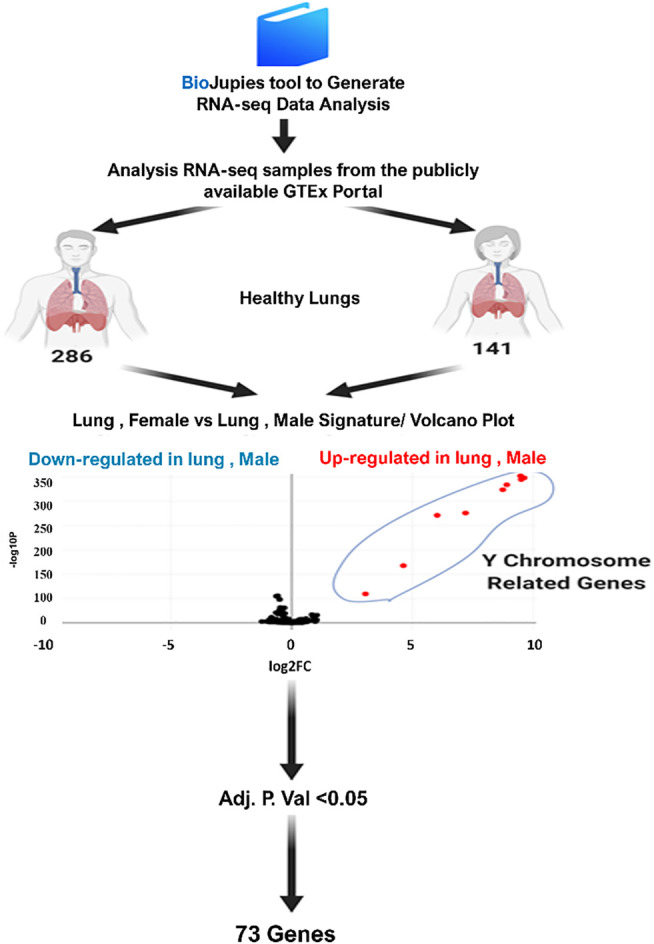
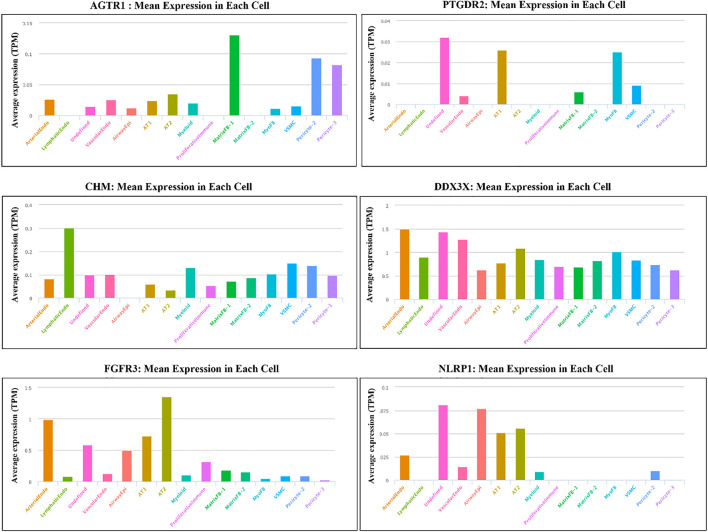
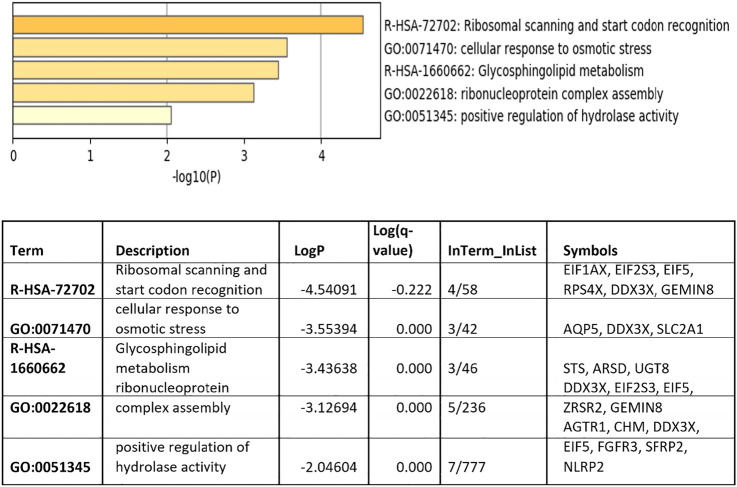
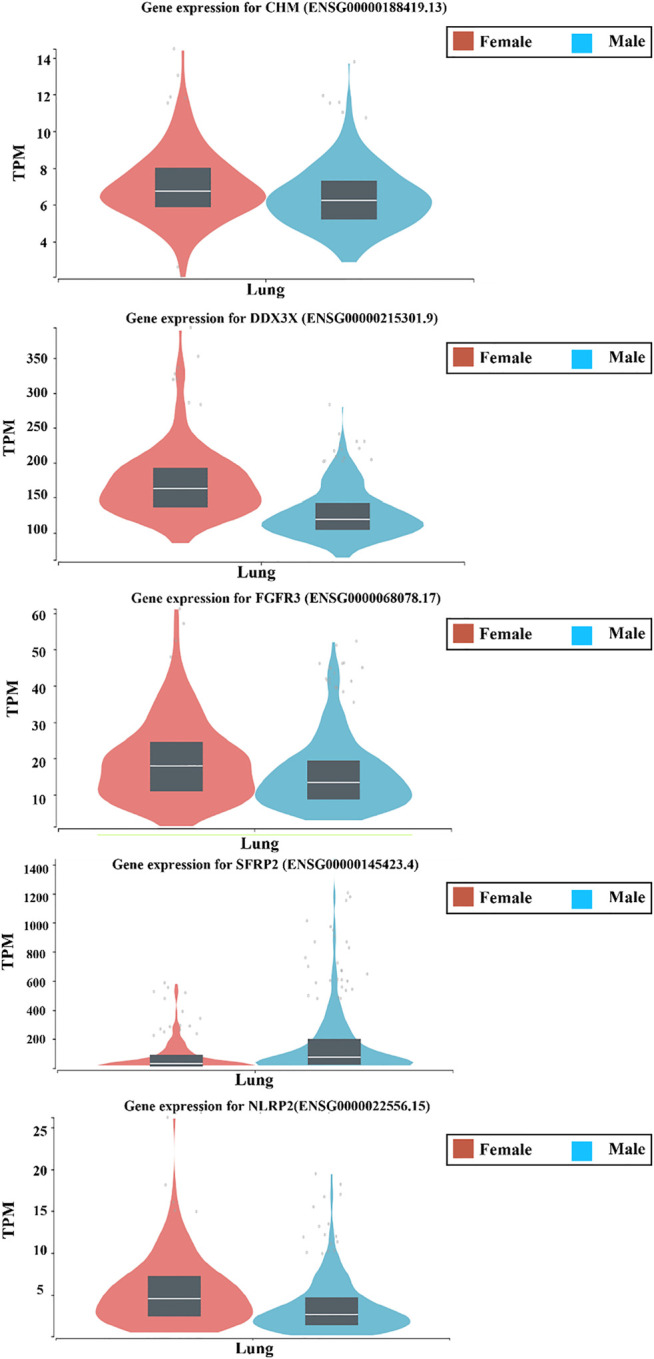
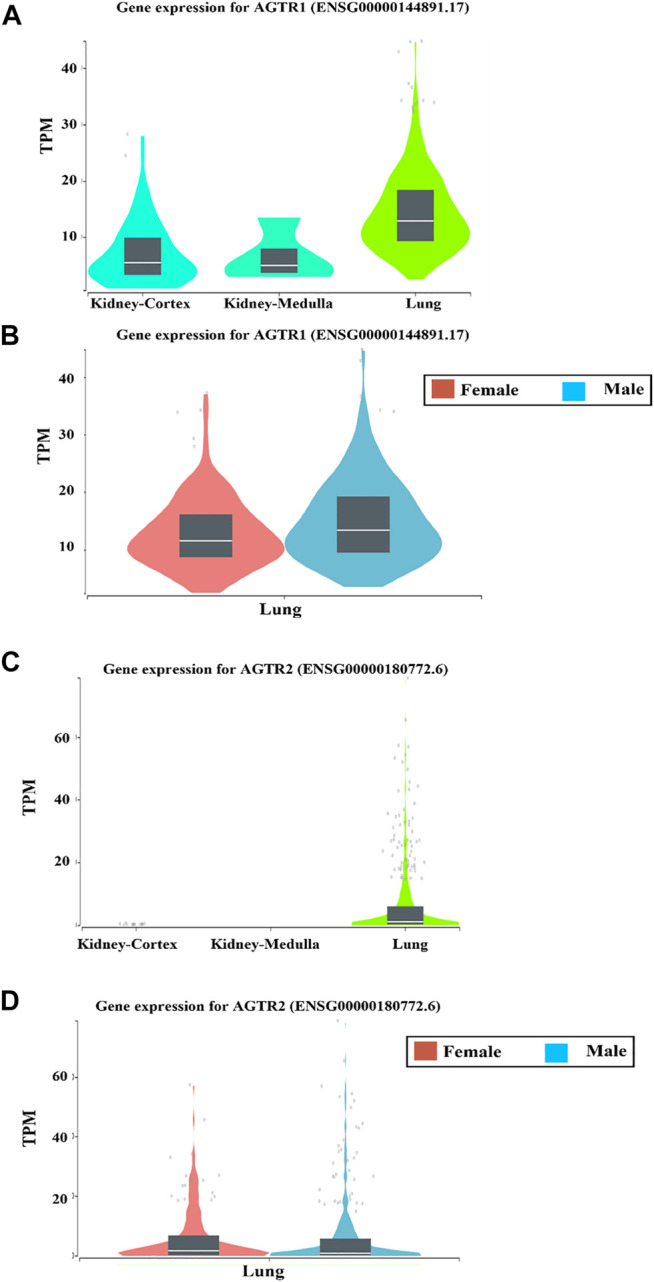
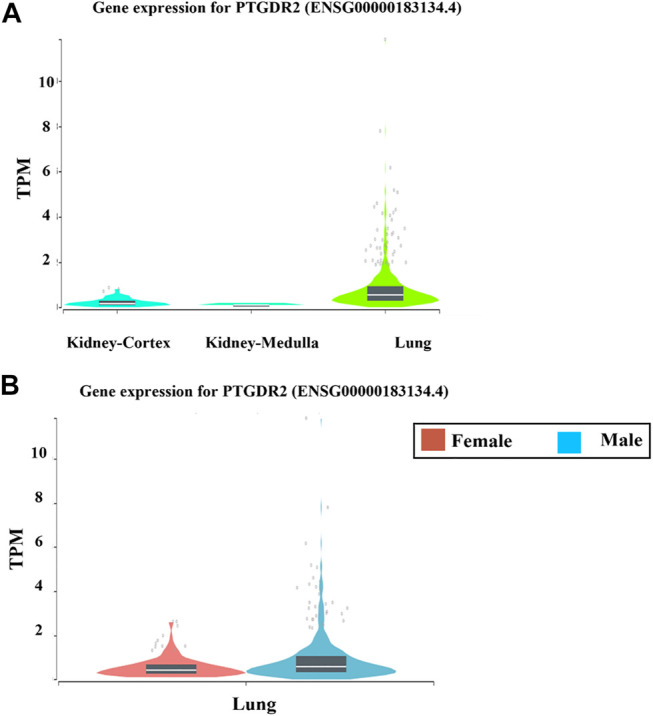
Since the outbreak of the novel coronavirus disease (COVID-19) at the end of 2019, the clinical presentation of the disease showed a great heterogeneity with a diverse impact among different subpopulations. Emerging evidence from different parts of the world showed that male patients usually had a longer disease course as well as worse outcome compared to female patients. A better understanding of the molecular mechanisms behind this difference might be a fundamental step for more effective and personalized response to this disease outbreak. For that reason, here we investigate the molecular basis of gender variations in mortality rates related to COVID-19 infection. To achieve this, we used publicly available lung transcriptomic data from 141 females and compare it to 286 male lung tissues. After excluding Y specific genes, our results showed a shortlist of 73 genes that are differentially expressed between the two groups. Further analysis using pathway enrichment analysis revealed downregulation of a group of genes that are involved in the regulation of hydrolase activity including (CHM, DDX3X, FGFR3, SFRP2, and NLRP2) in males lungs compared to females. This pathway is believed to be essential for immune response and antimicrobial activity in the lung tissues. In contrast, our results showed an increased upregulation of angiotensin II receptor type 1 (AGTR1), a member of the renin-angiotensin system (RAS) that plays a role in angiotensin-converting enzyme 2 (ACE2) activity modulation in male lungs compared to females. Finally, our results showed a differential expression of genes involved in the immune response including the NLRP2 and PTGDR2 in lung tissues of both genders, further supporting the notion of the sex-based immunological differences. Taken together, our results provide an initial evidence of the molecular mechanisms that might be involved in the differential outcomes observed in both genders during the COVID-19 outbreak. This maybe essential for the discovery of new targets and more precise therapeutic options to treat COVID-19 patients from different clinical and epidemiological characteristics with the aim of improving their outcome.
自2019年底新型冠状病毒病(COVID-19)爆发以来,该疾病的临床表现呈现出极大的异质性,在不同亚人群中的影响各不相同。来自世界各地的新证据表明,与女性患者相比,男性患者通常病程更长,预后更差。更好地理解这种差异背后的分子机制可能是更有效和个性化应对此次疾病爆发的基本步骤。因此,我们在此研究与COVID-19感染相关的死亡率性别差异的分子基础。为实现这一目标,我们使用了来自141名女性的公开可用肺转录组数据,并将其与286名男性肺组织进行比较。在排除Y特异性基因后,我们的结果显示两组之间有73个差异表达基因的候选清单。使用通路富集分析的进一步分析显示,与女性相比,男性肺中一组参与水解酶活性调节的基因(包括CHM、DDX3X、FGFR3、SFRP2和NLRP2)下调。该通路被认为对肺组织中的免疫反应和抗菌活性至关重要。相比之下,我们的结果显示,与女性相比,男性肺中血管紧张素II 1型受体(AGTR1)上调,AGTR1是肾素-血管紧张素系统(RAS)的成员,在血管紧张素转换酶2(ACE2)活性调节中起作用。最后,我们的结果显示两性肺组织中参与免疫反应的基因(包括NLRP2和PTGDR2)存在差异表达,进一步支持了基于性别的免疫差异这一观点。综上所述,我们的结果为COVID-19爆发期间两性观察到的不同结果可能涉及的分子机制提供了初步证据。这对于发现新靶点和更精确的治疗方案以治疗具有不同临床和流行病学特征的COVID-19患者从而改善其预后可能至关重要。