Biomolecular Science and Engineering, University of California, Santa Barbaragrid.133342.4, Santa Barbara, California, USA.
Department of Molecular, Cellular and Developmental Biology, University of California, Santa Barbaragrid.133342.4, Santa Barbara, California, USA.
mBio. 2021 Oct 26;12(5):e0253021. doi: 10.1128/mBio.02530-21. Epub 2021 Oct 12.
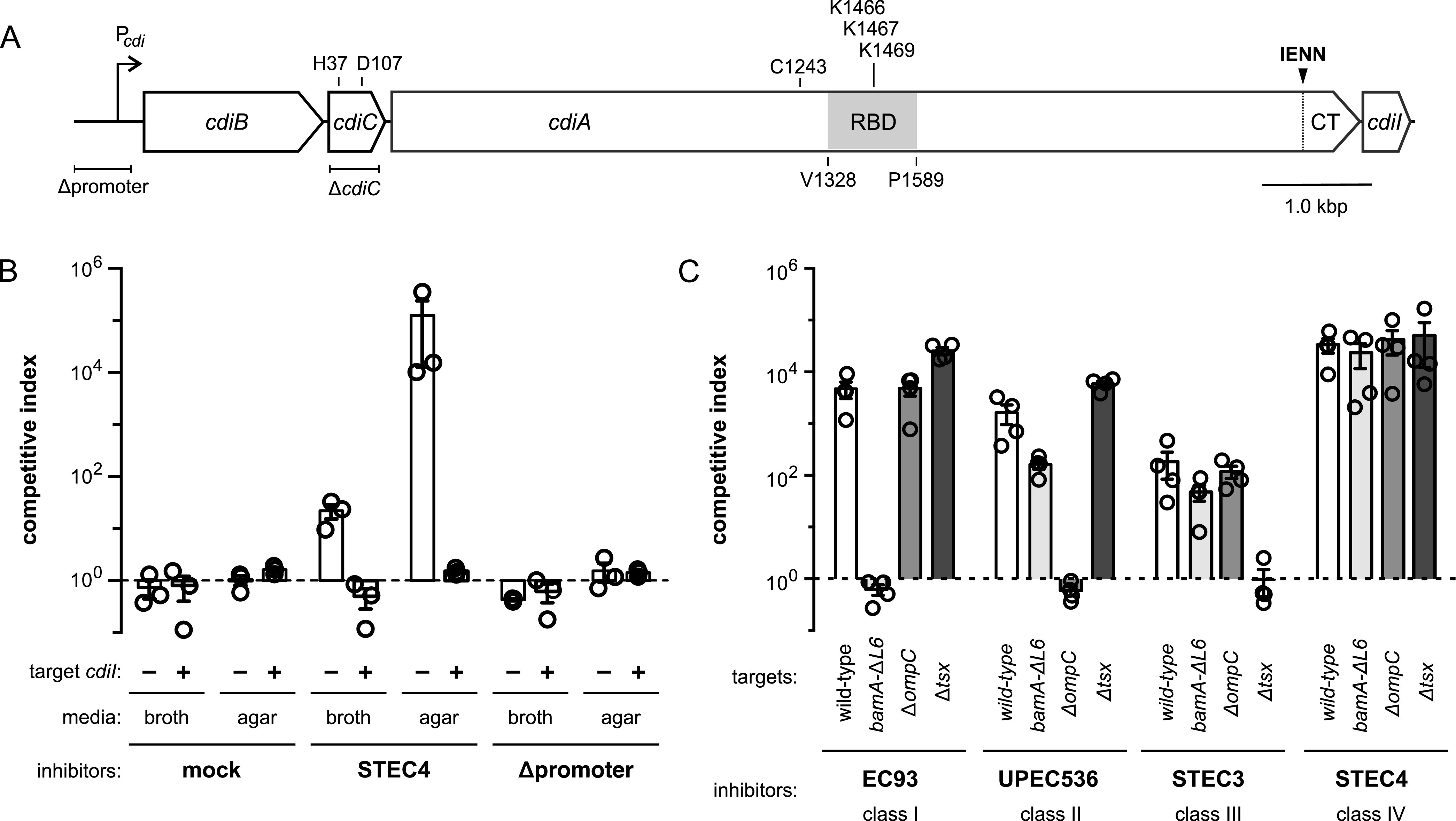
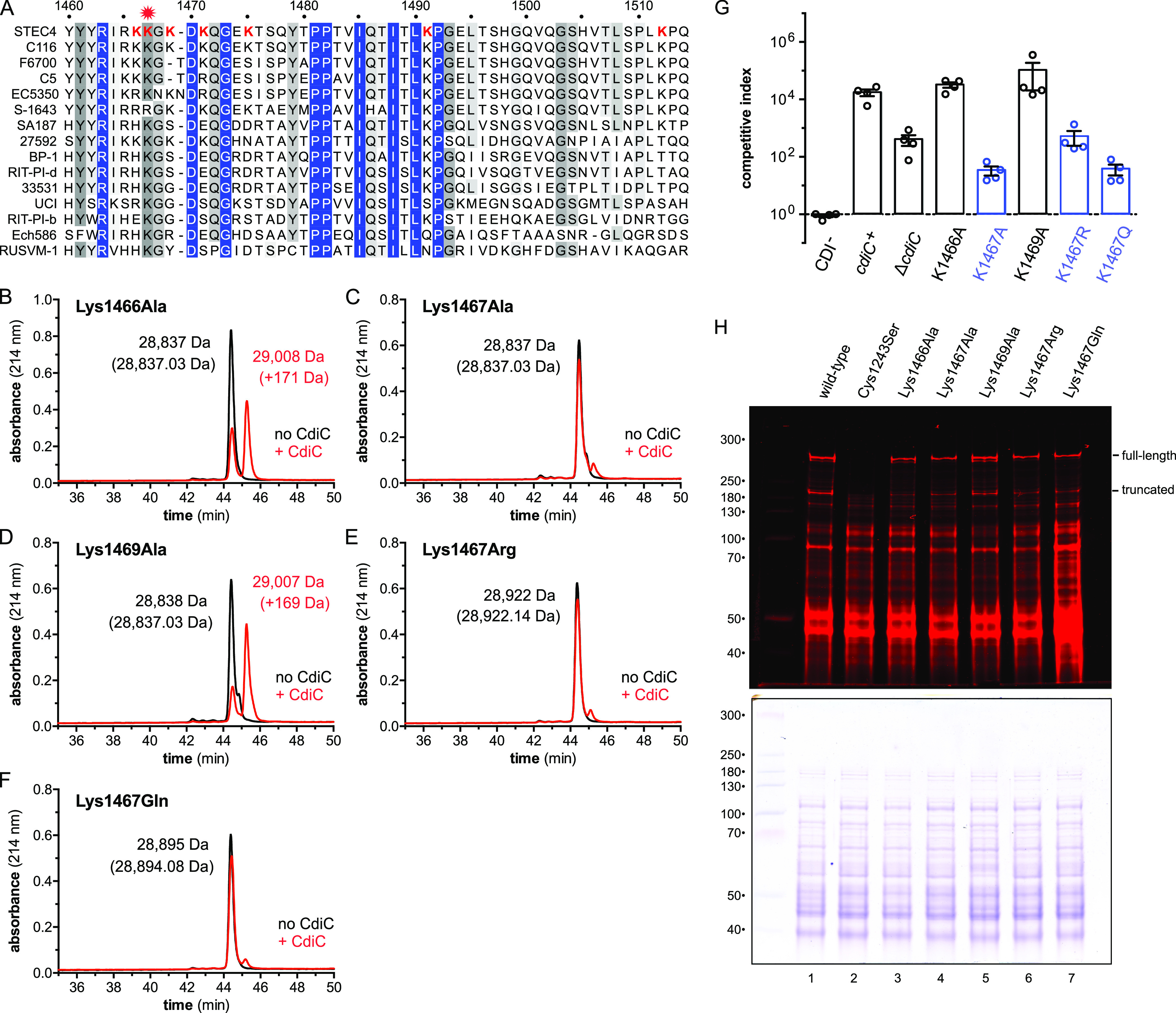
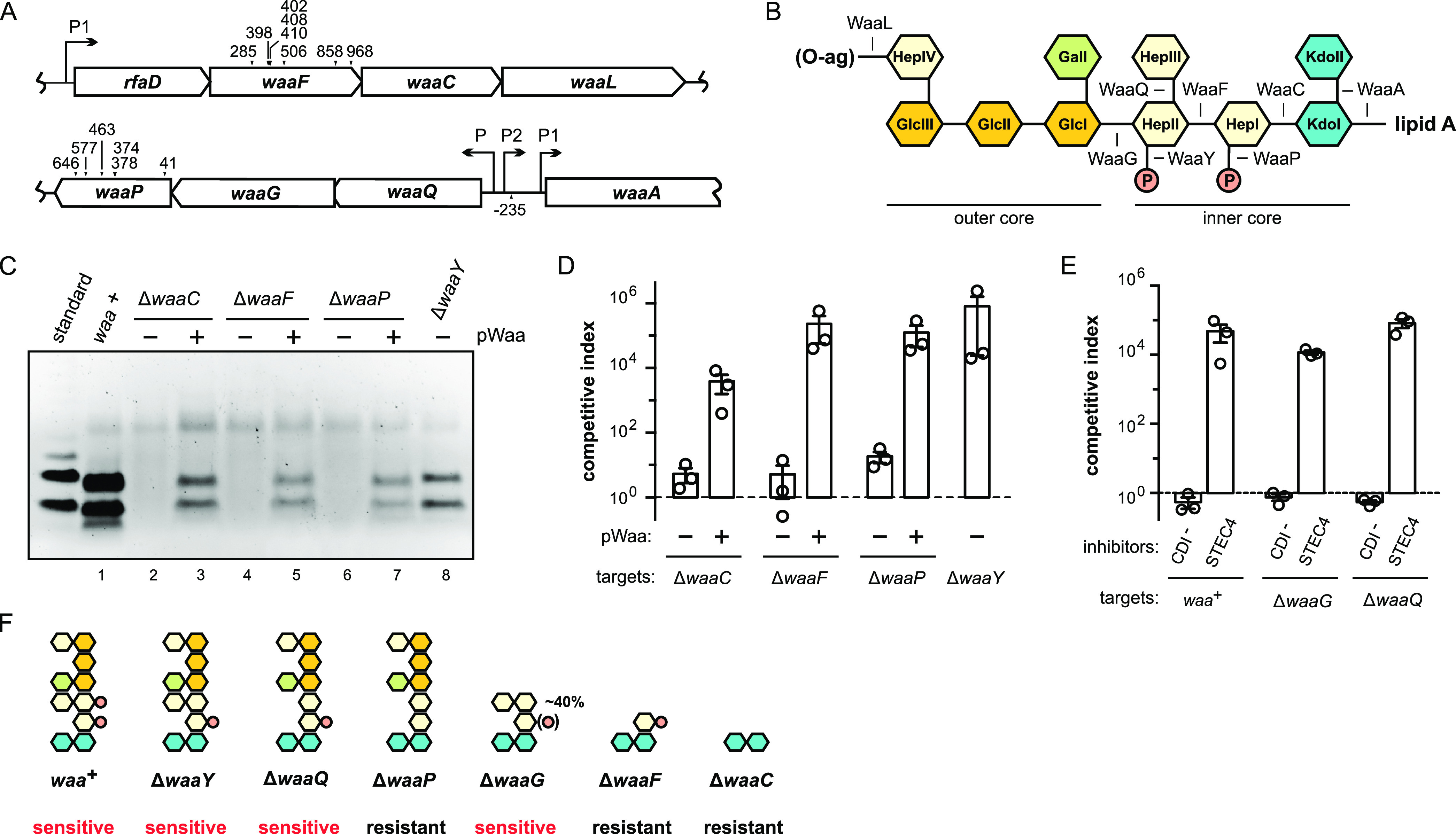
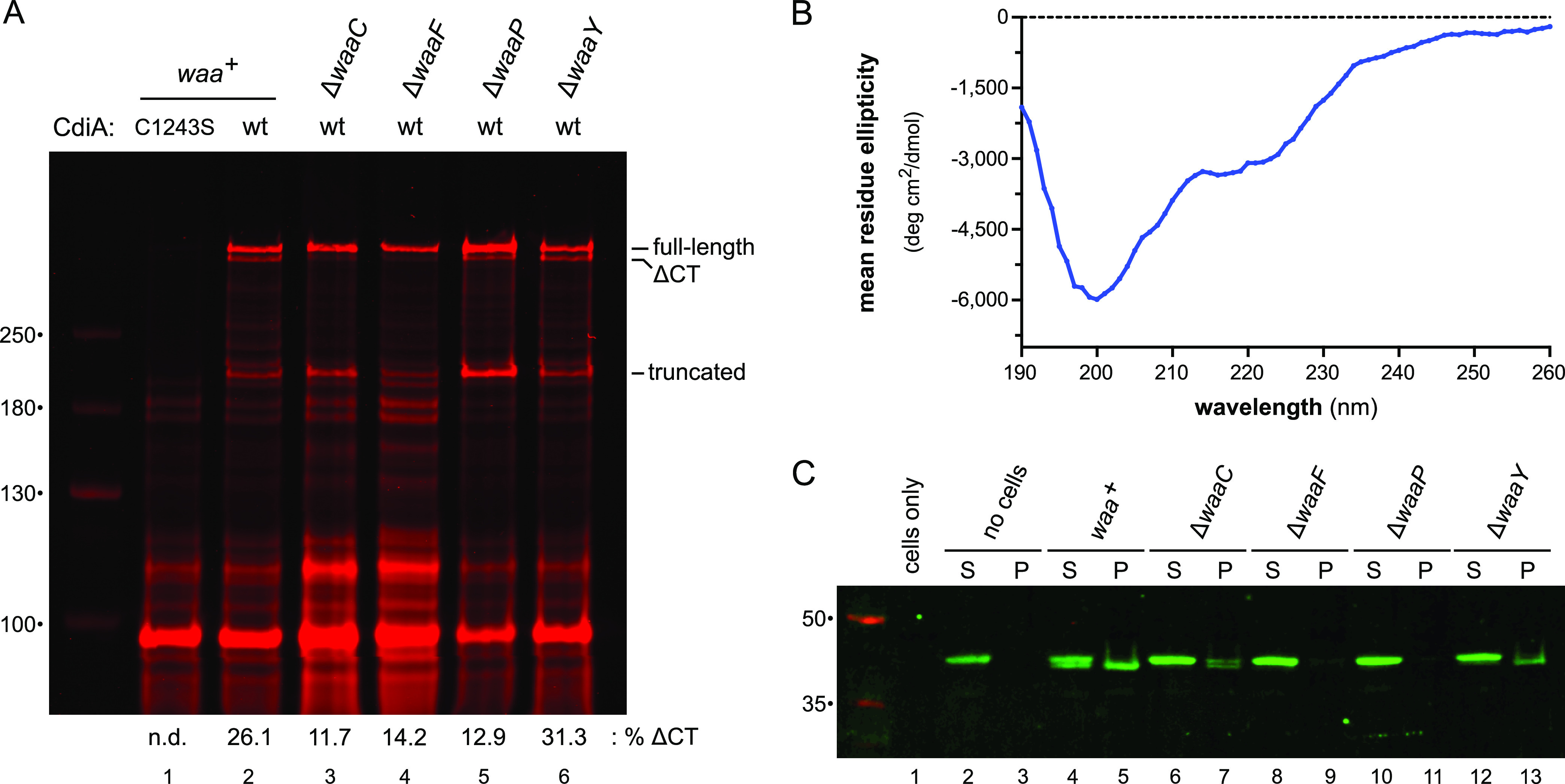
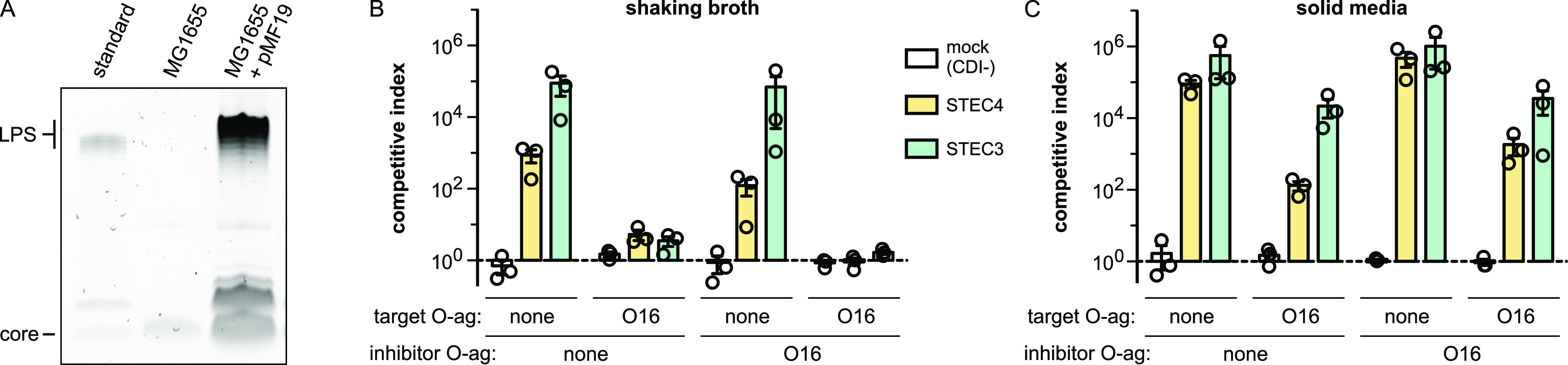
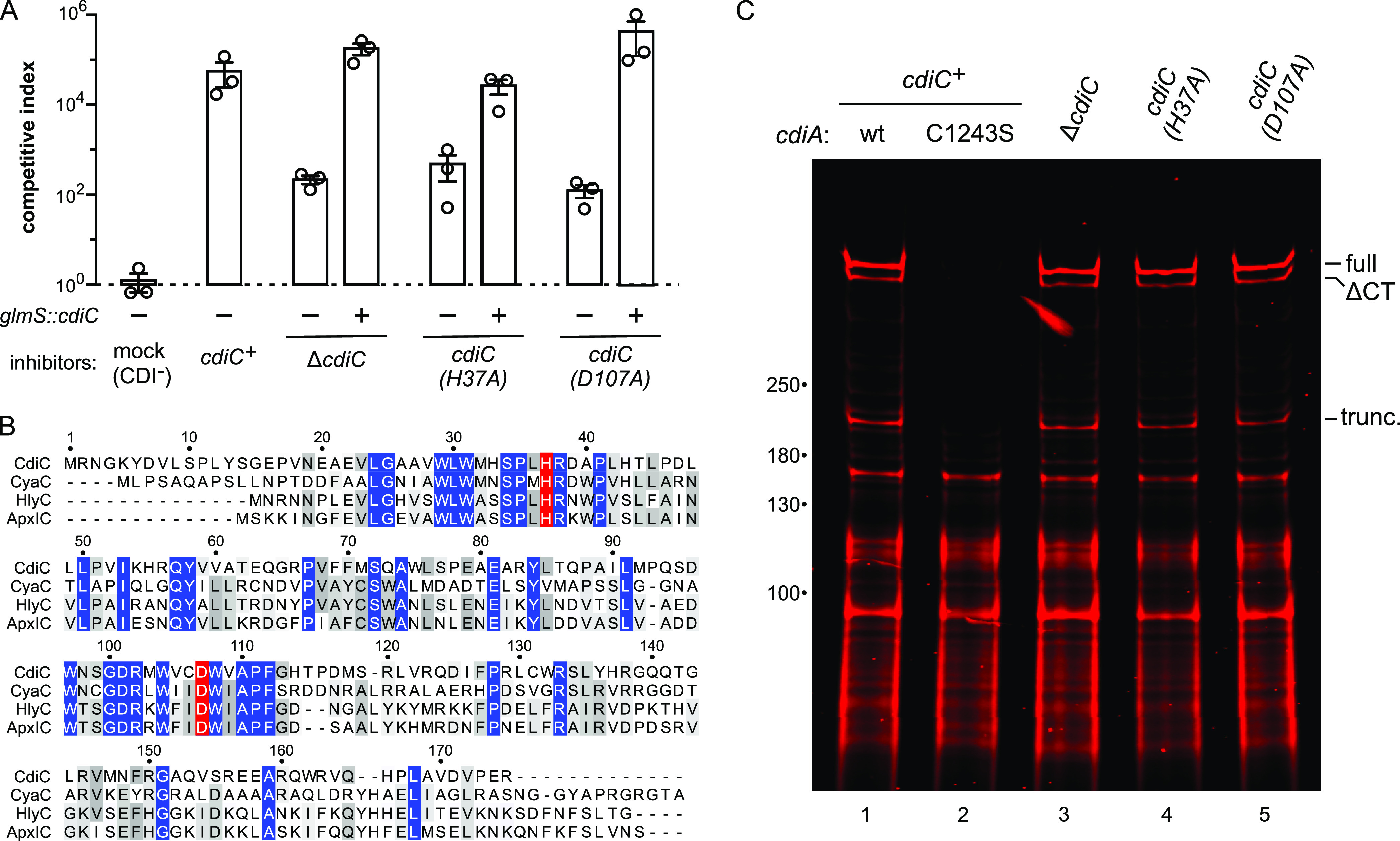
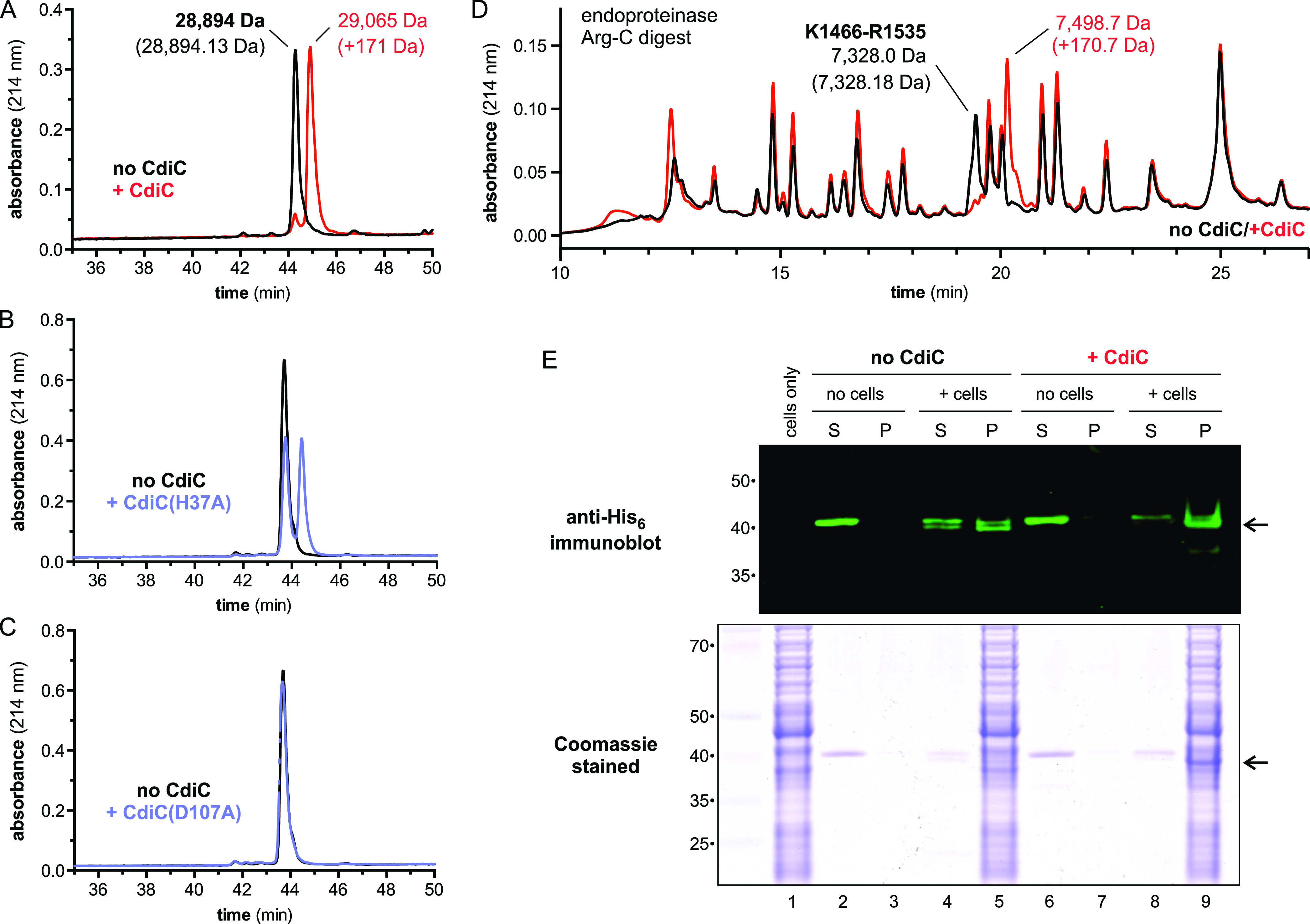
Contact-dependent growth inhibition (CDI) systems enable the direct transfer of protein toxins between competing Gram-negative bacteria. CDI strains produce cell surface CdiA effector proteins that bind specific receptors on neighboring bacteria to initiate toxin delivery. Three classes of CdiA effectors that recognize different outer membrane protein receptors have been characterized in Escherichia coli to date. Here, we describe a fourth effector class that uses the lipopolysaccharide (LPS) core as a receptor to identify target bacteria. Selection for CDI-resistant target cells yielded and "deep-rough" mutants, which are unable to synthesize the full LPS core. The CDI resistance phenotypes of other mutants suggest that phosphorylated inner-core heptose residues form a critical CdiA recognition epitope. Class IV loci also encode putative lysyl acyltransferases (CdiC) that are homologous to enzymes that lipidate repeats-in-toxin (RTX) cytolysins. We found that catalytically active CdiC is required for full target cell killing activity, and we provide evidence that the acyltransferase appends 3-hydroxydecanoate to a specific Lys residue within the CdiA receptor-binding domain. We propose that the lipid moiety inserts into the hydrophobic leaflet of lipid A to anchor CdiA interactions with the core oligosaccharide. Thus, LPS-binding CDI systems appear to have co-opted an RTX toxin-activating acyltransferase to increase the affinity of CdiA effectors for the target cell outer membrane. Contact-dependent growth inhibition (CDI) is a common form of interbacterial competition in which cells use CdiA effectors to deliver toxic proteins into their neighbors. CdiA recognizes target bacteria through specific receptor molecules on the cell surface. Here, we describe a new family of CdiA proteins that use lipopolysaccharide as a receptor to identify target bacteria. Target cell recognition is significantly enhanced by a unique fatty acid that is appended to the receptor-binding region of CdiA. We propose that the linked fatty acid inserts into the target cell outer membrane to stabilize the interaction. The CdiA receptor-binding region appears to mimic the biophysical properties of polymyxins, which are potent antibiotics used to disrupt the outer membranes of Gram-negative bacteria.
接触依赖性生长抑制(CDI)系统使竞争的革兰氏阴性细菌之间能够直接转移蛋白毒素。CDI 菌株产生细胞表面 CdiA 效应蛋白,该蛋白结合邻近细菌上的特定受体以启动毒素传递。迄今为止,已在大肠杆菌中鉴定出三种识别不同外膜蛋白受体的 CdiA 效应蛋白类。在这里,我们描述了第四种效应蛋白类,它利用脂多糖(LPS)核心作为受体来识别靶细菌。对 CDI 抗性靶细胞的选择产生了 和 "深粗糙"突变体,这些突变体无法合成完整的 LPS 核心。其他 突变体的 CDI 抗性表型表明,磷酸化的内核心庚糖残基形成了 CdiA 识别表位的关键。第四类 基因座还编码假定的赖氨酸酰基转移酶(CdiC),它们与脂化重复内毒素(RTX)细胞溶素的酶同源。我们发现,催化活性的 CdiC 是完全杀死靶细胞活性所必需的,并且我们提供了证据表明,酰基转移酶将 3-羟基癸酸附加到 CdiA 受体结合结构域内的特定赖氨酸残基上。我们提出,脂部分插入到脂质 A 的疏水性叶中,以锚定 CdiA 与核心寡糖的相互作用。因此,LPS 结合的 CDI 系统似乎已经采用了 RTX 毒素激活酰基转移酶来增加 CdiA 效应物与靶细胞外膜的亲和力。接触依赖性生长抑制(CDI)是细菌之间常见的竞争形式,其中细胞使用 CdiA 效应物将毒性蛋白递送到其邻近细胞中。CdiA 通过细胞表面上的特定受体分子识别靶细胞。在这里,我们描述了一种新的 CdiA 蛋白家族,它使用脂多糖作为受体来识别靶细胞。靶细胞识别通过附加到 CdiA 受体结合区域的独特脂肪酸显著增强。我们提出,连接的脂肪酸插入靶细胞外膜以稳定相互作用。CdiA 受体结合区域似乎模拟了多粘菌素的物理特性,多粘菌素是一种有效的抗生素,用于破坏革兰氏阴性细菌的外膜。