Galvan Daniel L, Mise Koki, Danesh Farhad R
Section of Nephrology, The University of Texas at MD Anderson Cancer Center, Houston, TX, United States.
Department of Nephrology, Rheumatology, Endocrinology and Metabolism, Okayama University Graduate School of Medicine, Dentistry and Pharmaceutical Sciences, Okayama, Japan.
Front Med (Lausanne). 2021 Sep 27;8:745279. doi: 10.3389/fmed.2021.745279. eCollection 2021.
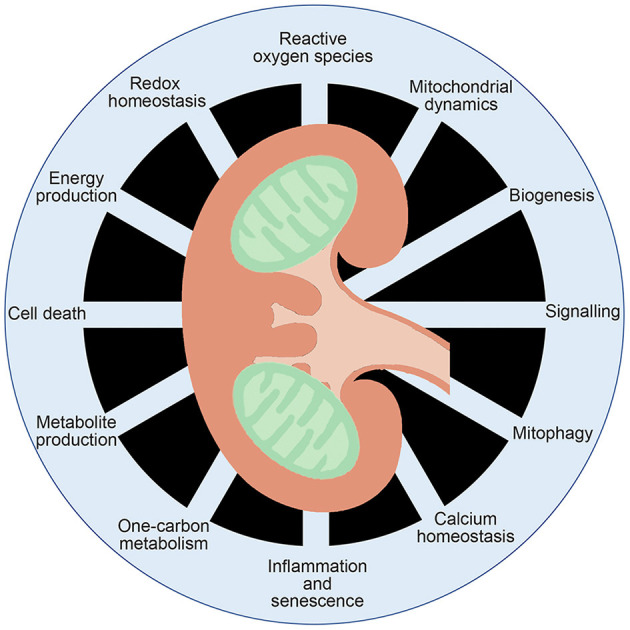
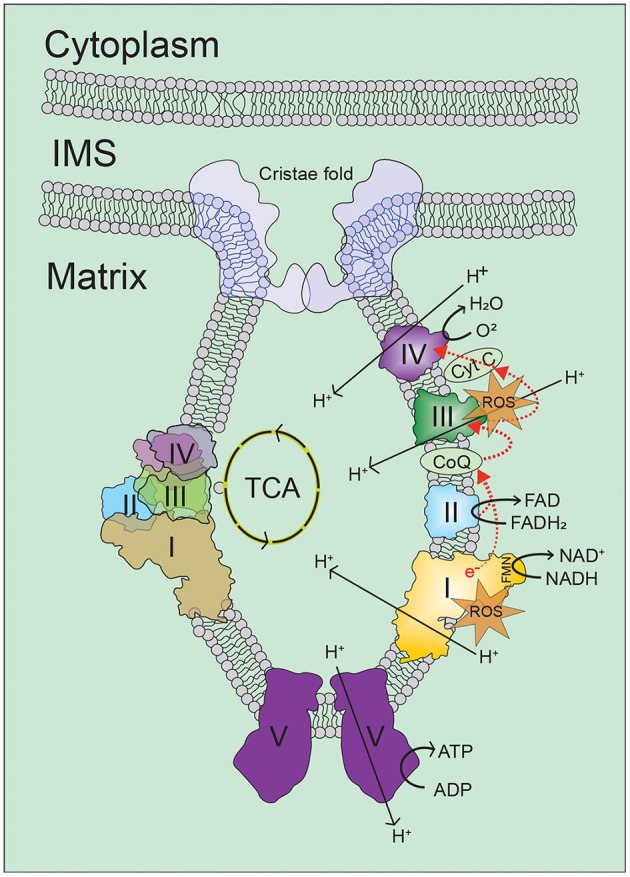
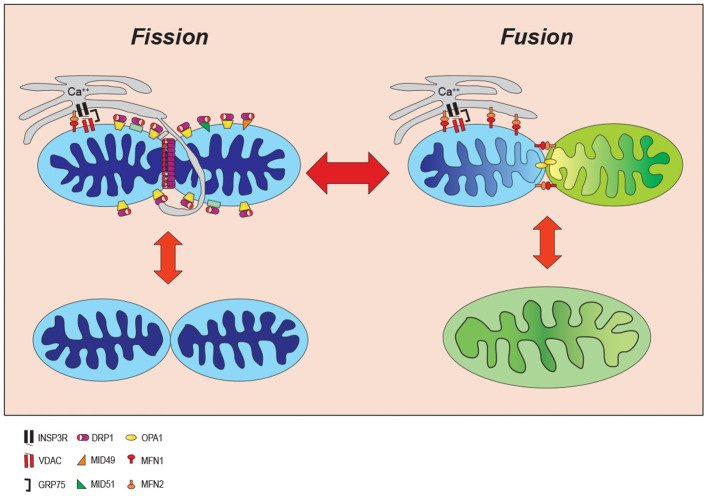
The role and nature of mitochondrial dysfunction in diabetic kidney disease (DKD) has been extensively studied. Yet, the molecular drivers of mitochondrial remodeling in DKD are poorly understood. Diabetic kidney cells exhibit a cascade of mitochondrial dysfunction ranging from changes in mitochondrial morphology to significant alterations in mitochondrial biogenesis, biosynthetic, bioenergetics and production of reactive oxygen species (ROS). How these changes individually or in aggregate contribute to progression of DKD remain to be fully elucidated. Nevertheless, because of the remarkable progress in our basic understanding of the role of mitochondrial biology and its dysfunction in DKD, there is great excitement on future targeted therapies based on improving mitochondrial function in DKD. This review will highlight the latest advances in understanding the nature of mitochondria dysfunction and its role in progression of DKD, and the development of mitochondrial targets that could be potentially used to prevent its progression.
线粒体功能障碍在糖尿病肾病(DKD)中的作用和本质已得到广泛研究。然而,人们对DKD中线粒体重塑的分子驱动因素了解甚少。糖尿病肾病细胞表现出一系列线粒体功能障碍,从线粒体形态变化到线粒体生物发生、生物合成、生物能量学以及活性氧(ROS)产生的显著改变。这些变化单独或共同如何导致DKD的进展仍有待充分阐明。尽管如此,由于我们对线粒体生物学及其功能障碍在DKD中的作用有了基本认识,基于改善DKD中线粒体功能的未来靶向治疗令人十分期待。本综述将重点介绍在理解线粒体功能障碍的本质及其在DKD进展中的作用方面的最新进展,以及可能用于预防其进展的线粒体靶点的开发。