Zhang Wei, Lv Mingti, Shi Yating, Mu Yonghui, Yao Zhaoyang, Yang Zhijun
School of Basic Medical Sciences, Xinxiang Medical University, Xinxiang 453003, China.
School of Life Science and Technology, Xinxiang Medical University, Xinxiang 453003, China.
Evid Based Complement Alternat Med. 2021 Oct 5;2021:6480381. doi: 10.1155/2021/6480381. eCollection 2021.
Huangqi Sijunzi decoction (HQSJZD) is a commonly used conventional Chinese herbal medicine prescription for invigorating Qi, tonifying Yang, and removing dampness. Modern pharmacology and clinical applications of HQSJZD have shown that it has a certain curative effect on Alzheimer's disease (AD).
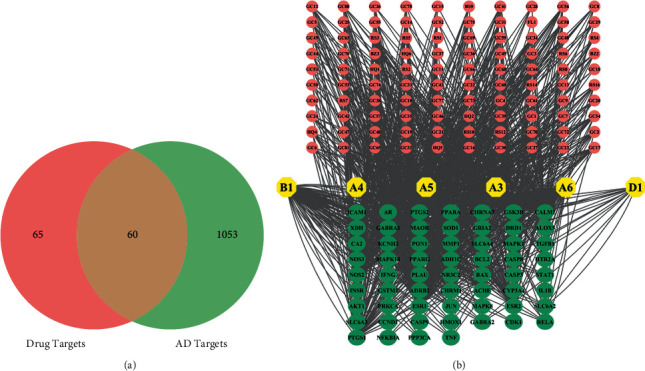
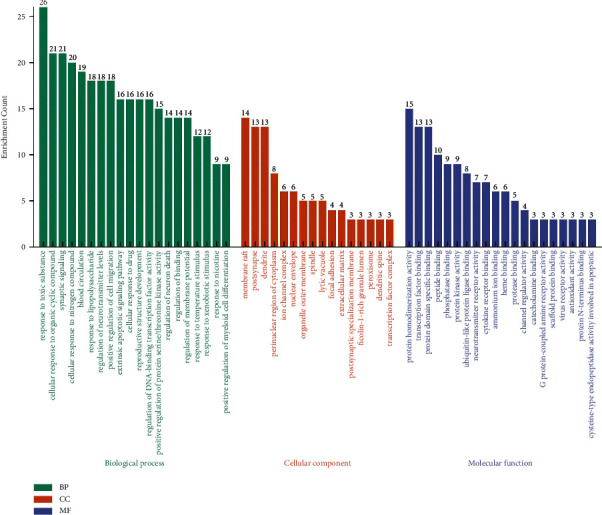
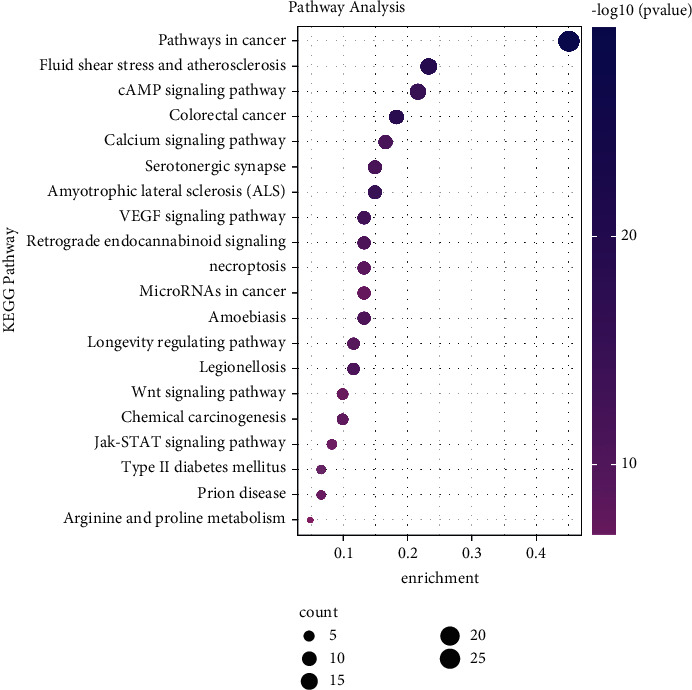
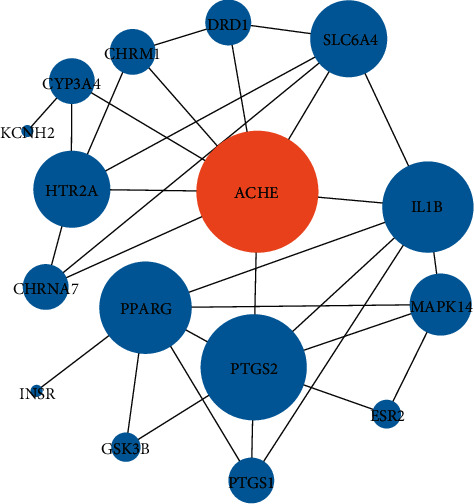
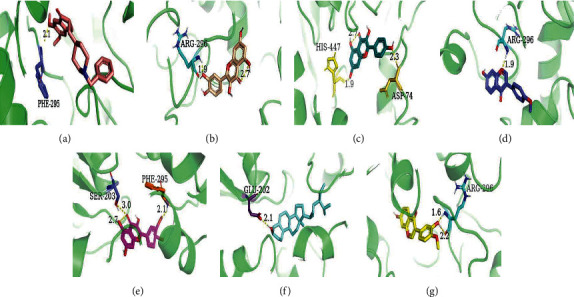
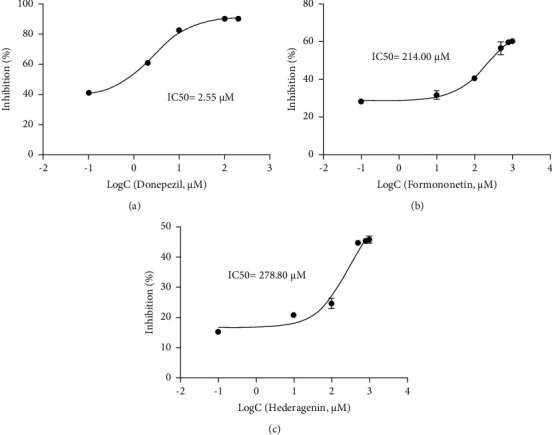
The active components and targets of HQSJZD were searched in the Traditional Chinese Medicine Systems Pharmacology Database and Analysis Platform (TCMSP). The genes corresponding to the targets were retrieved using UniProt and GeneCard database. The herb-compound-target network and protein-protein interaction (PPI) network were constructed by Cytoscape. The core targets of HQSJZD were analysed by Gene Ontology (GO) and Kyoto Encyclopedia of Genes and Genomes (KEGG). The main active compounds of HQSJZD were docked with acetylcholinesterase (AChE). In vitro experiments were conducted to detect the inhibitory and neuroprotective effects of AChE.
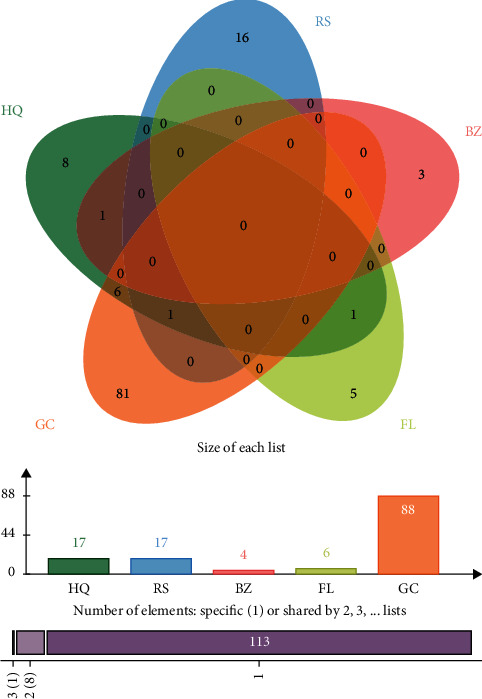
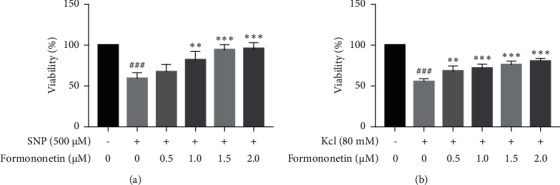
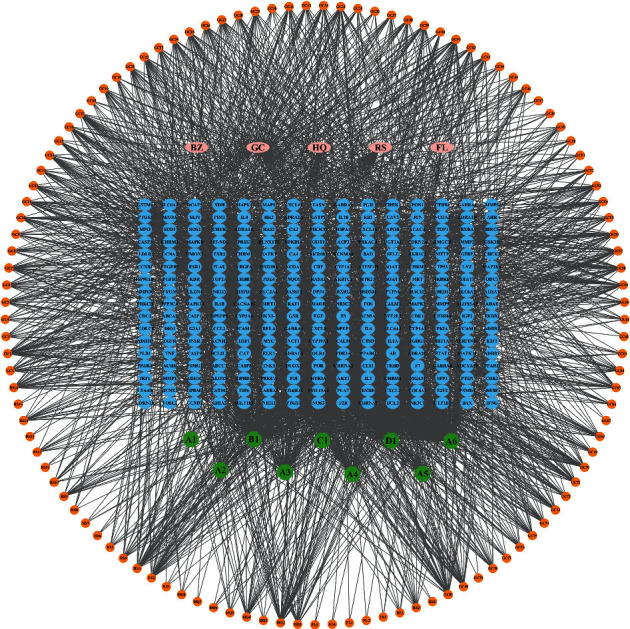
Compound-target network mainly contained 132 compounds and 255 corresponding targets. The main compounds contained quercetin, kaempferol, formononetin, isorhamnetin, hederagenin, and calycosin. Key targets contained AChE, PTGS2, PPARG, IL-1B, GSK3B, etc. There were 1708 GO items in GO enrichment analysis and 310 signalling pathways in KEGG, mainly including the cAMP signalling pathway, the vascular endothelial growth factor (VEGF) signalling pathway, serotonergic synapses, the calcium signalling pathway, type II diabetes mellitus, arginine and proline metabolism, and the longevity regulating pathway. Molecular docking showed that hederagenin and formononetin were the top 2 compounds of HQSJZD, which had a high affinity with AChE. And formononetin has a good neuroprotective effect, which can improve the oxidative damage of nerve cells.
HQSJZD was found to have the potential to treat AD by targeting multiple AD-related targets. Formononetin and hederagenin in HQSJZD may regulate multiple signalling pathways through AChE, which might play a therapeutic role in AD.
黄芪四君子汤是一种常用的传统中药方剂,具有益气、壮阳、祛湿的功效。黄芪四君子汤的现代药理学及临床应用表明,其对阿尔茨海默病(AD)有一定疗效。
在中药系统药理学数据库与分析平台(TCMSP)中检索黄芪四君子汤的活性成分及靶点。利用UniProt和GeneCard数据库检索与靶点对应的基因。通过Cytoscape构建药物-化合物-靶点网络和蛋白质-蛋白质相互作用(PPI)网络。采用基因本体论(GO)和京都基因与基因组百科全书(KEGG)对黄芪四君子汤的核心靶点进行分析。将黄芪四君子汤的主要活性化合物与乙酰胆碱酯酶(AChE)进行分子对接。进行体外实验检测AChE的抑制作用和神经保护作用。
药物-化合物-靶点网络主要包含132种化合物和255个相应靶点。主要化合物包括槲皮素、山奈酚、芒柄花素、异鼠李素、常春藤皂苷元、毛蕊异黄酮。关键靶点包括AChE、PTGS2、PPARG、IL-1B、GSK3B等。GO富集分析中有1708个GO条目,KEGG中有310条信号通路,主要包括环磷酸腺苷(cAMP)信号通路、血管内皮生长因子(VEGF)信号通路、5-羟色胺能突触、钙信号通路、II型糖尿病、精氨酸和脯氨酸代谢以及长寿调节通路。分子对接显示常春藤皂苷元和芒柄花素是黄芪四君子汤中排名前两位的化合物,它们与AChE具有高亲和力。芒柄花素具有良好的神经保护作用,可改善神经细胞的氧化损伤。
发现黄芪四君子汤通过作用于多个与AD相关的靶点具有治疗AD的潜力。黄芪四君子汤中的芒柄花素和常春藤皂苷元可能通过AChE调节多种信号通路,这可能在AD中发挥治疗作用。