Dillon Martha, Lopez Antonio, Lin Edward, Sales Dominic, Perets Ron, Jain Pooja
Department of Microbiology and Immunology, Drexel University College of Medicine, Philadelphia, PA 19129, USA.
Cancers (Basel). 2021 Oct 10;13(20):5059. doi: 10.3390/cancers13205059.
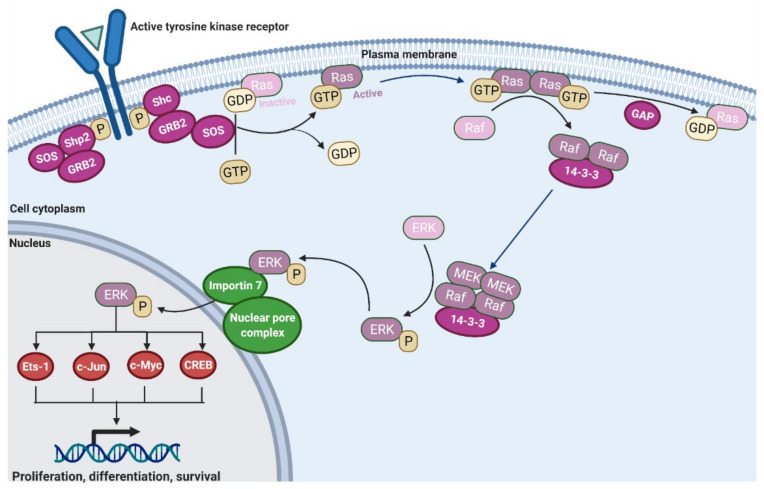
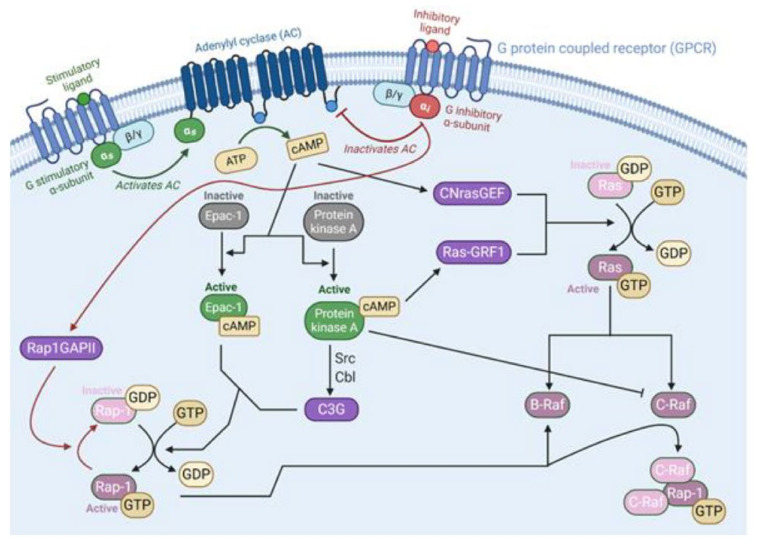
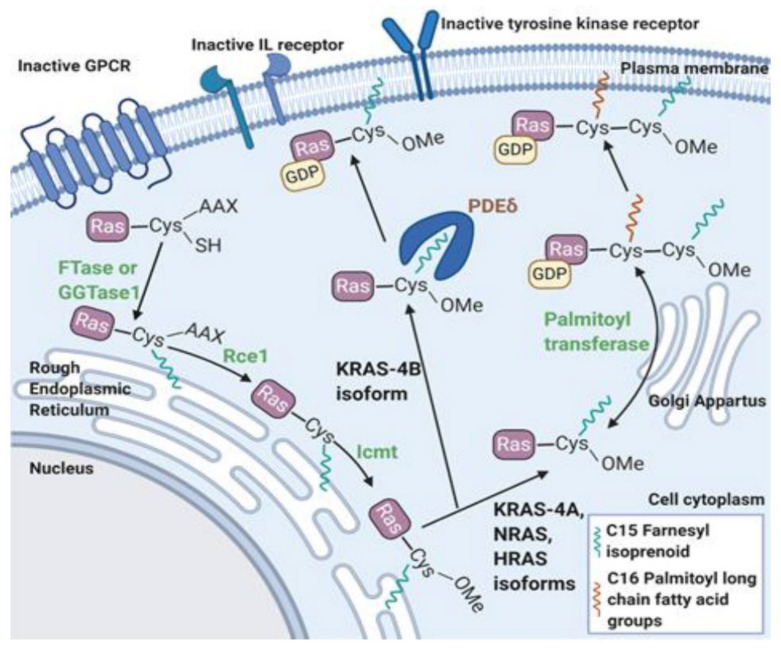
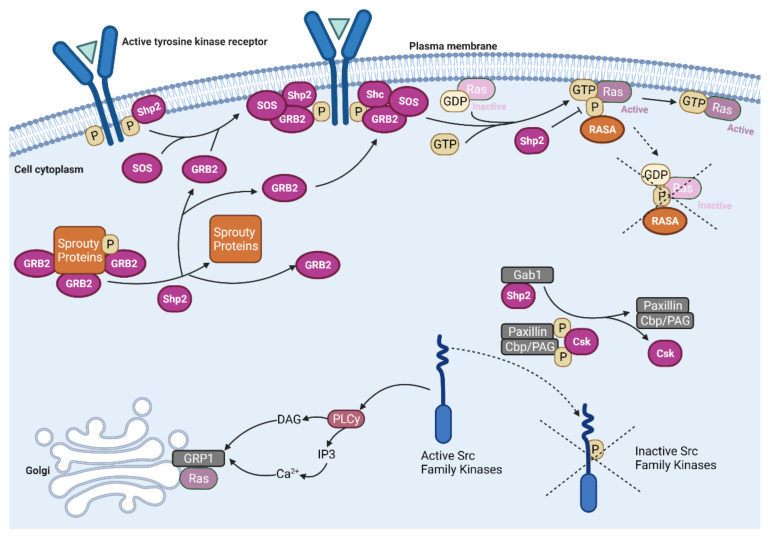
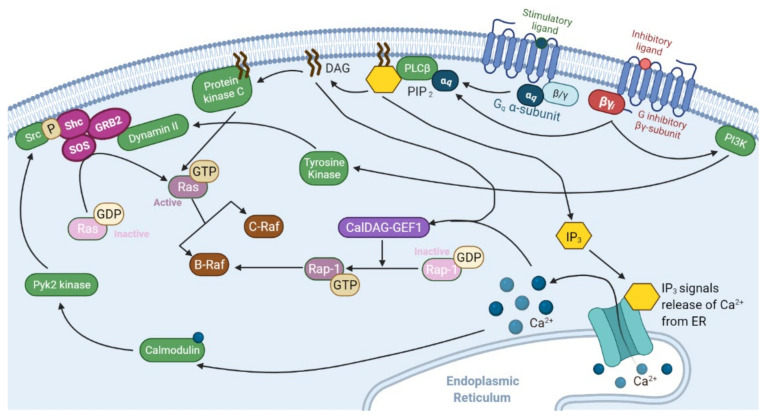
The mitogen-activated protein kinase (MAPK) pathway, consisting of the Ras-Raf-MEK-ERK signaling cascade, regulates genes that control cellular development, differentiation, proliferation, and apoptosis. Within the cascade, multiple isoforms of Ras and Raf each display differences in functionality, efficiency, and, critically, oncogenic potential. According to the NCI, over 30% of all human cancers are driven by genes. This dysfunctional signaling is implicated in a wide variety of leukemias and solid tumors, both with and without viral etiology. Due to the strong evidence of Ras-Raf involvement in tumorigenesis, many have attempted to target the cascade to treat these malignancies. Decades of unsuccessful experimentation had deemed Ras undruggable, but recently, the approval of Sotorasib as the first ever KRas inhibitor represents a monumental breakthrough. This advancement is not without novel challenges. As a G12C mutant-specific drug, it also represents the issue of drug target specificity within Ras pathway; not only do many drugs only affect single mutational profiles, with few pan-inhibitor exceptions, tumor genetic heterogeneity may give rise to drug-resistant profiles. Furthermore, significant challenges in targeting downstream Raf, especially the BRaf isoform, lie in the paradoxical activation of wild-type BRaf by BRaf mutant inhibitors. This literature review will delineate the mechanisms of Ras signaling in the MAPK pathway and its possible oncogenic mutations, illustrate how specific mutations affect the pathogenesis of specific cancers, and compare available and in-development treatments targeting the Ras pathway.
丝裂原活化蛋白激酶(MAPK)通路由Ras-Raf-MEK-ERK信号级联组成,可调节控制细胞发育、分化、增殖和凋亡的基因。在该信号级联中,Ras和Raf的多种亚型在功能、效率以及关键的致癌潜力方面均表现出差异。据美国国家癌症研究所(NCI)称,超过30%的人类癌症是由基因驱动的。这种功能失调的信号传导与多种白血病和实体瘤有关,无论是否有病毒病因。由于有充分证据表明Ras-Raf参与肿瘤发生,许多人试图靶向该信号级联来治疗这些恶性肿瘤。数十年的实验未成功,曾认为Ras不可成药,但最近,索托拉西布作为首个KRas抑制剂获批,这代表了一个重大突破。这一进展并非没有新的挑战。作为一种G12C突变特异性药物,它还代表了Ras通路内药物靶点特异性的问题;不仅许多药物仅影响单一突变谱,除了少数泛抑制剂外,肿瘤基因异质性可能会产生耐药谱。此外,靶向下游Raf,尤其是BRAF亚型,存在重大挑战,即BRAF突变抑制剂会反常激活野生型BRAF。这篇文献综述将阐述Ras信号在MAPK通路中的机制及其可能的致癌突变,说明特定突变如何影响特定癌症的发病机制,并比较针对Ras通路的现有和正在研发的治疗方法。