Department of Cardiothoracic Surgery, the Second Affiliated Hospital of Nanchang University, 1 Ming de Road, Nanchang, 330000, People's Republic of China.
Mol Cancer. 2021 Nov 9;20(1):144. doi: 10.1186/s12943-021-01448-x.
CD8 T cells play a critical role in the innate antitumour immune response. Recently, CD8 T cell dysfunction has been verified in various malignant cancers, including non-small cell lung cancer (NSCLC). However, the molecular biological mechanisms of CD8 T cell dysfunction in human NSCLC are still unclear.
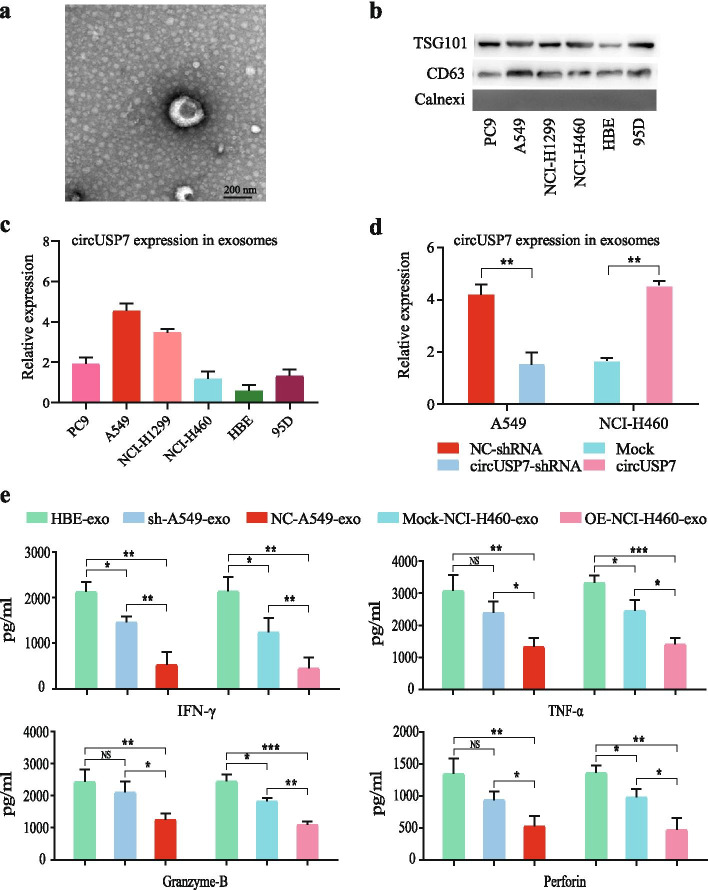
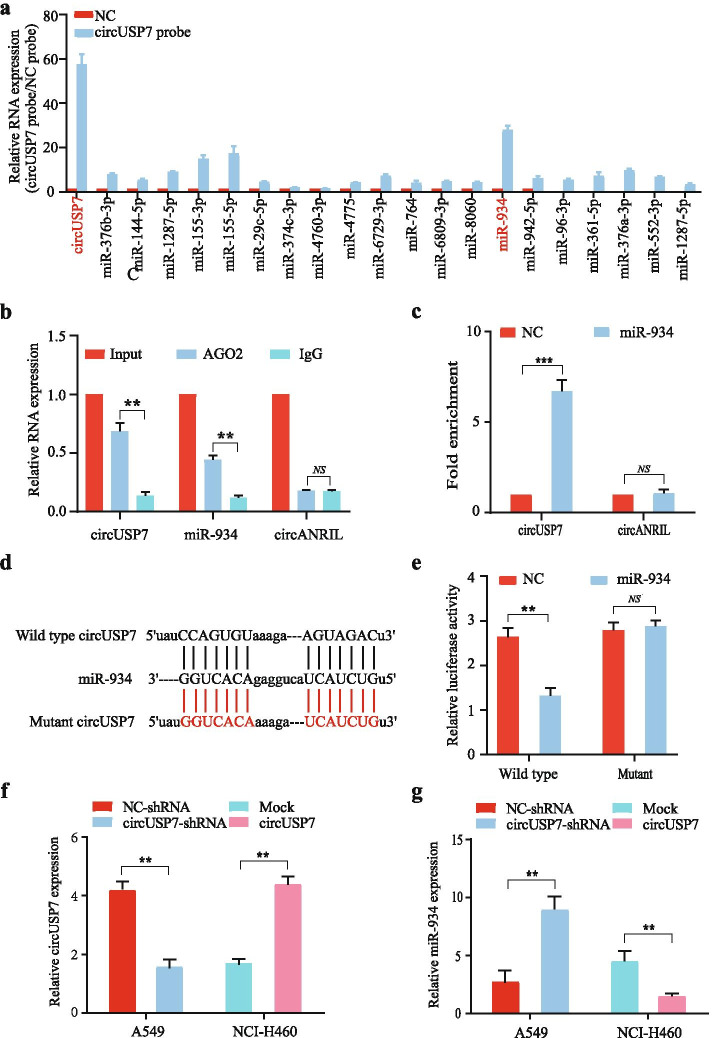
The expression of circular ubiquitin-specific protease-7 (circUSP7) in NSCLC tissues, exosomes, and cell lines was detected by quantitative real-time polymerase chain reaction (qRT-PCR). Exosomes were isolated from the culture medium of NSCLC cells and the plasma of NSCLC patients using an ultracentrifugation method and the ExoQuick Exosome Precipitation Solution kit. The exosomes were then characterized by transmission electronic microscopy (TEM), NanoSight and western blotting. The role of circUSP7 in CD8 T cell dysfunction was assessed by enzyme-linked immunosorbent assay (ELISA). In vivo circular RNA (circRNA) precipitation (circRIP), RNA immunoprecipitation (RIP), and luciferase reporter assays were performed to explore the molecular mechanisms of circUSP7 in CD8 T cells. In a retrospective study, the clinical characteristics and prognostic significance of circUSP7 in NSCLC tissues were determined.
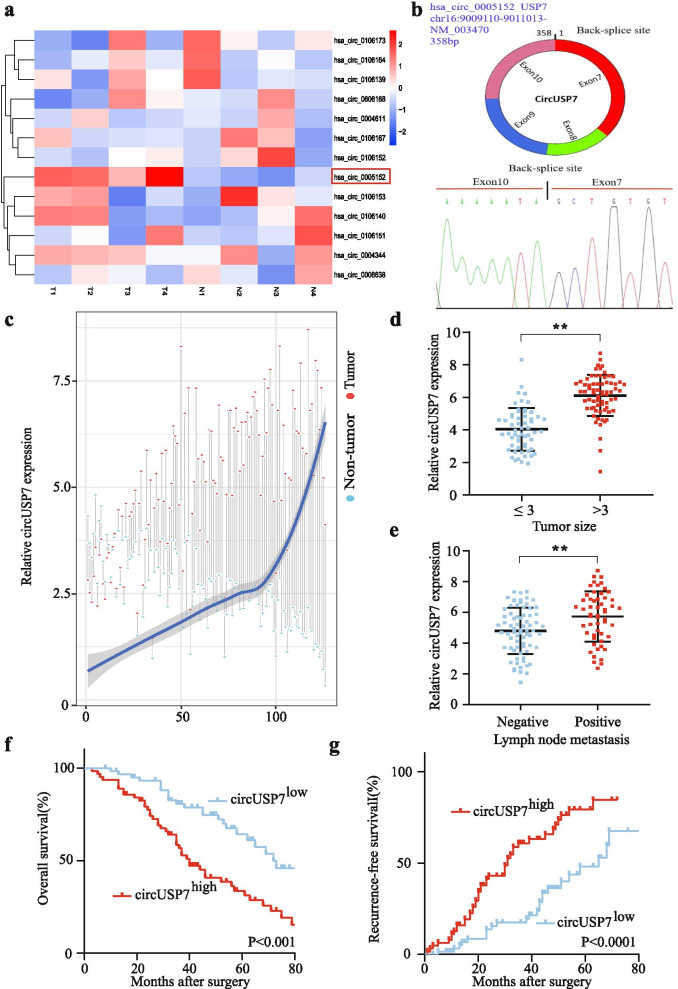
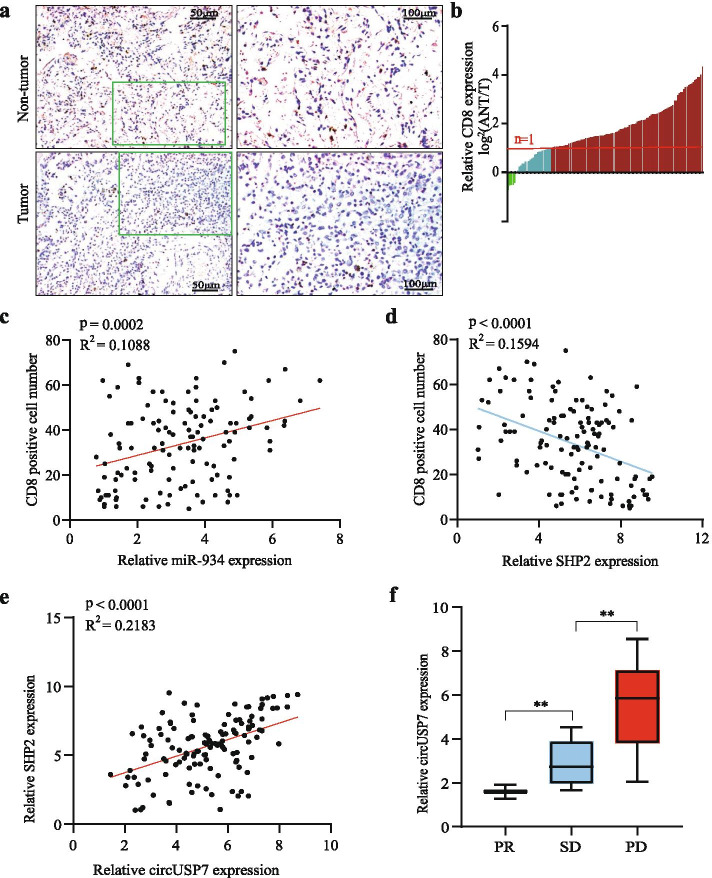
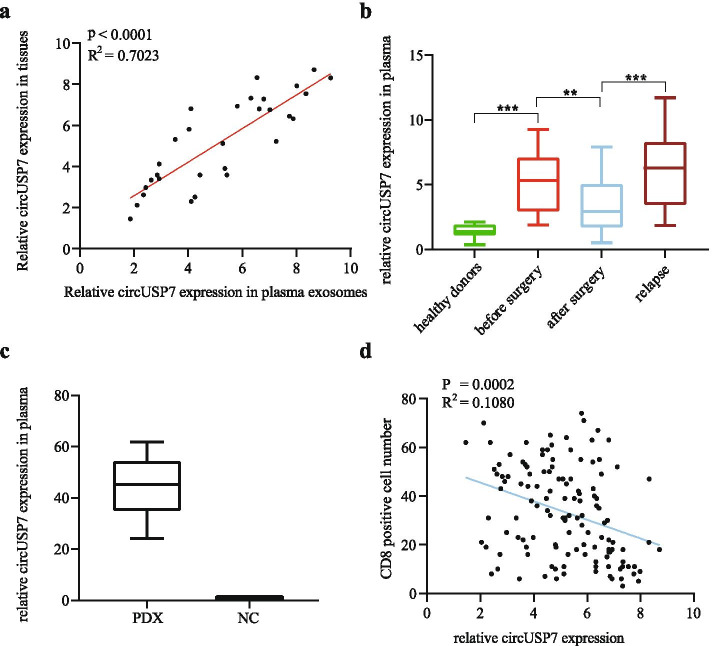
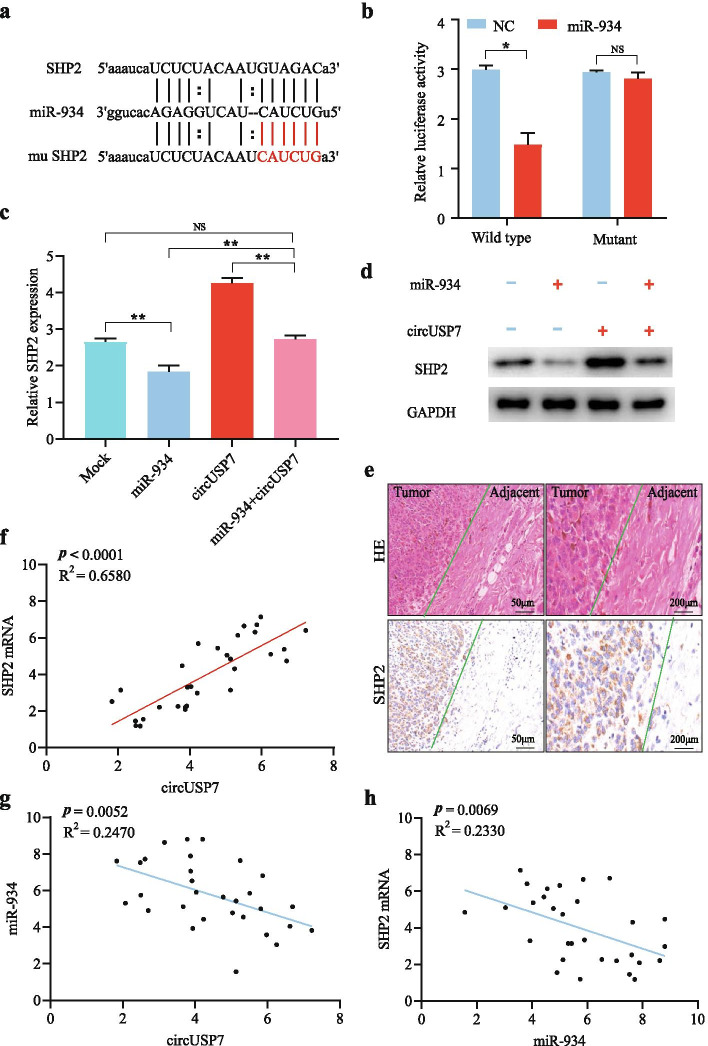
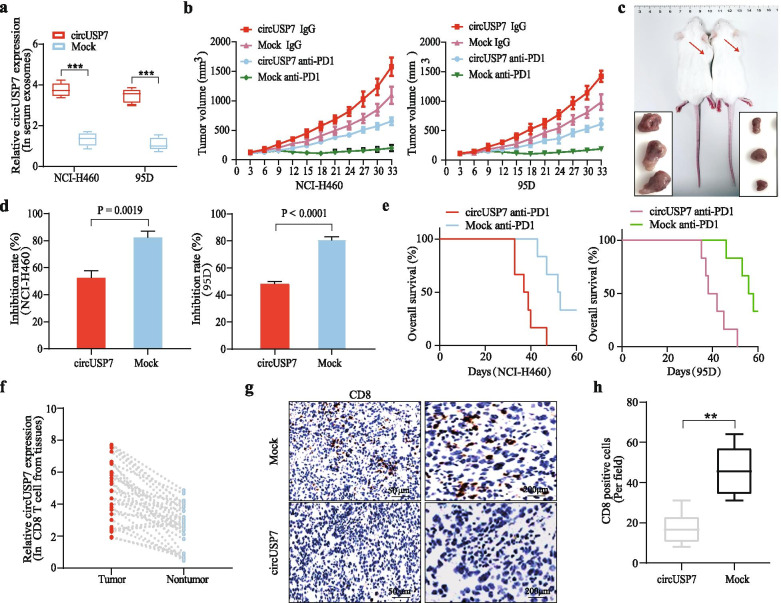
The expression levels of circUSP7 were higher in human NSCLC tissues than in matched adjacent nontumour tissues. Increased levels of circUSP7 indicate poor clinical prognosis and CD8 T cell dysfunction in patients with NSCLC. The circUSP7 found in NSCLC patient plasma is predominantly secreted by NSCLC cells in an exosomal manner, and circUSP7 inhibits IFN-γ, TNF-α, Granzyme-B and Perforin secretion by CD8 T cells. Furthermore, circUSP7 inhibits CD8 T cell function by upregulating the expression of Src homology region 2 (SH2)-containing protein tyrosine phosphatase 2 (SHP2) via sponging miR-934. Finally, we show that circUSP7 may promote resistance to anti-PD1 immunotherapy in NSCLC patients.
Exosomal circUSP7 is predominantly secreted by NSCLC cells and contributes to immunosuppression by promoting CD8 T cell dysfunction in NSCLC. CircUSP7 induces resistance to anti-PD1 immunotherapy, providing a potential therapeutic strategy for NSCLC patients.
CD8 T 细胞在先天抗肿瘤免疫反应中发挥关键作用。最近,在各种恶性肿瘤中,包括非小细胞肺癌(NSCLC)中,已经证实了 CD8 T 细胞功能障碍。然而,人 NSCLC 中 CD8 T 细胞功能障碍的分子生物学机制尚不清楚。
通过实时定量聚合酶链反应(qRT-PCR)检测 NSCLC 组织、外泌体和细胞系中环状泛素特异性蛋白酶 7(circUSP7)的表达。采用超速离心法和 ExoQuick 外泌体沉淀试剂盒从 NSCLC 细胞培养上清液和 NSCLC 患者血浆中分离外泌体。通过透射电子显微镜(TEM)、纳米视差和 Western blot 对其进行鉴定。通过酶联免疫吸附试验(ELISA)评估 circUSP7 在 CD8 T 细胞功能障碍中的作用。进行体内环状 RNA(circRNA)沉淀(circRIP)、RNA 免疫沉淀(RIP)和荧光素酶报告基因测定,以探索 circUSP7 在 CD8 T 细胞中的分子机制。在回顾性研究中,确定了 NSCLC 组织中 circUSP7 的临床特征和预后意义。
circUSP7 在人 NSCLC 组织中的表达水平高于配对的非肿瘤组织。circUSP7 水平升高表明 NSCLC 患者的临床预后不良和 CD8 T 细胞功能障碍。从 NSCLC 患者血浆中发现的 circUSP7 主要以外泌体的形式由 NSCLC 细胞分泌,circUSP7 抑制 CD8 T 细胞 IFN-γ、TNF-α、Granzyme-B 和 Perforin 的分泌。此外,circUSP7 通过海绵吸附 miR-934 上调 Src 同源区 2(SH2)含蛋白酪氨酸磷酸酶 2(SHP2)的表达,抑制 CD8 T 细胞功能。最后,我们表明 circUSP7 可能促进 NSCLC 患者对抗 PD1 免疫治疗的耐药性。
外泌体 circUSP7 主要由 NSCLC 细胞分泌,并通过促进 NSCLC 中 CD8 T 细胞功能障碍来发挥免疫抑制作用。CircUSP7 诱导对抗 PD1 免疫治疗的耐药性,为 NSCLC 患者提供了一种潜在的治疗策略。