School of Psychology, University of Birmingham, Birmingham, UK.
Cerebellum. 2022 Dec;21(6):926-943. doi: 10.1007/s12311-021-01325-9. Epub 2021 Nov 10.
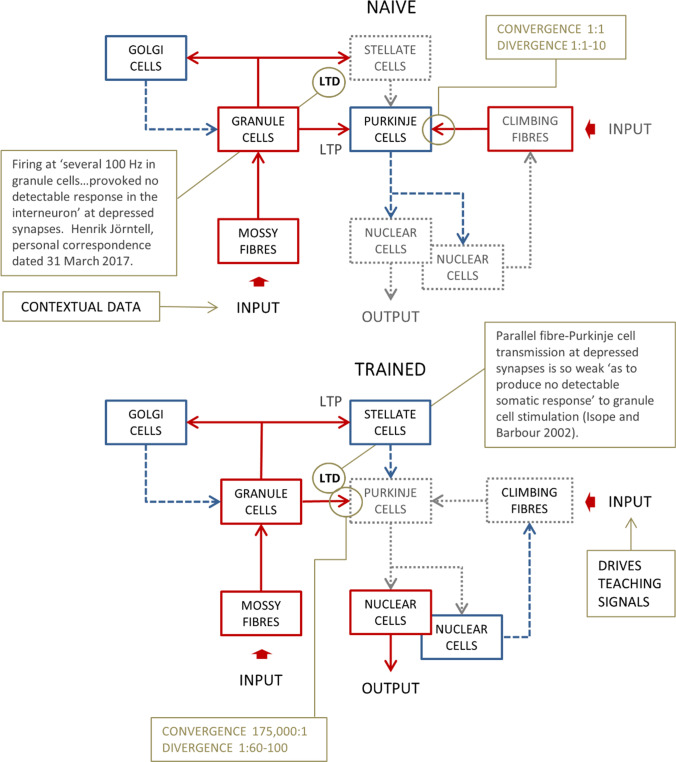
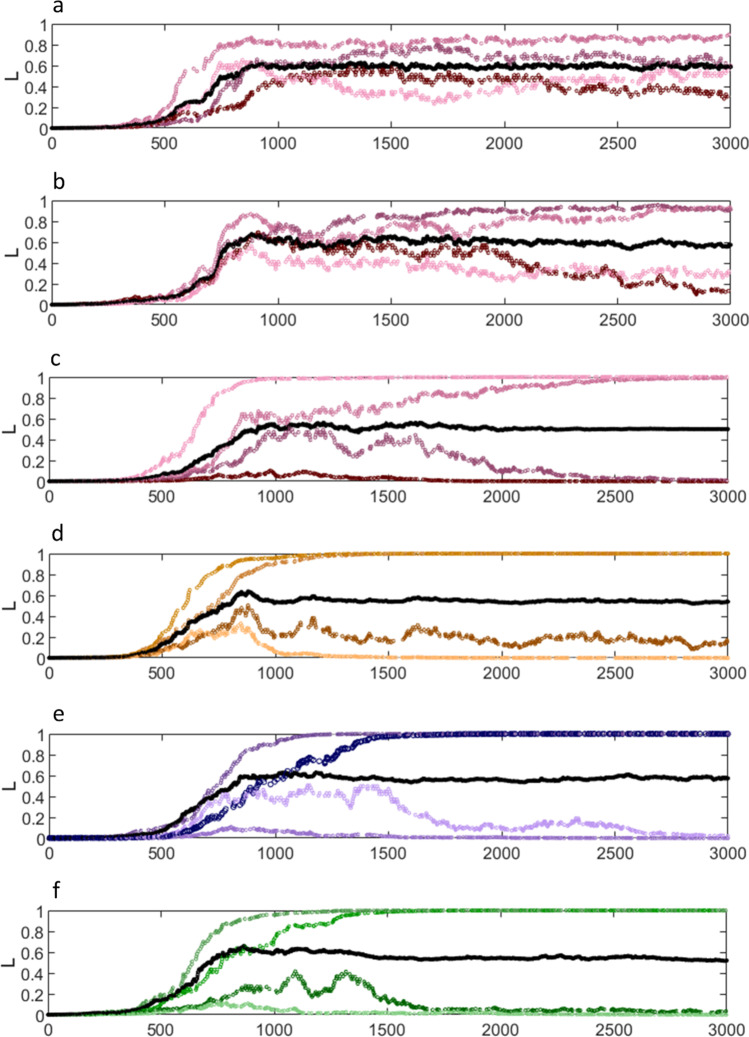
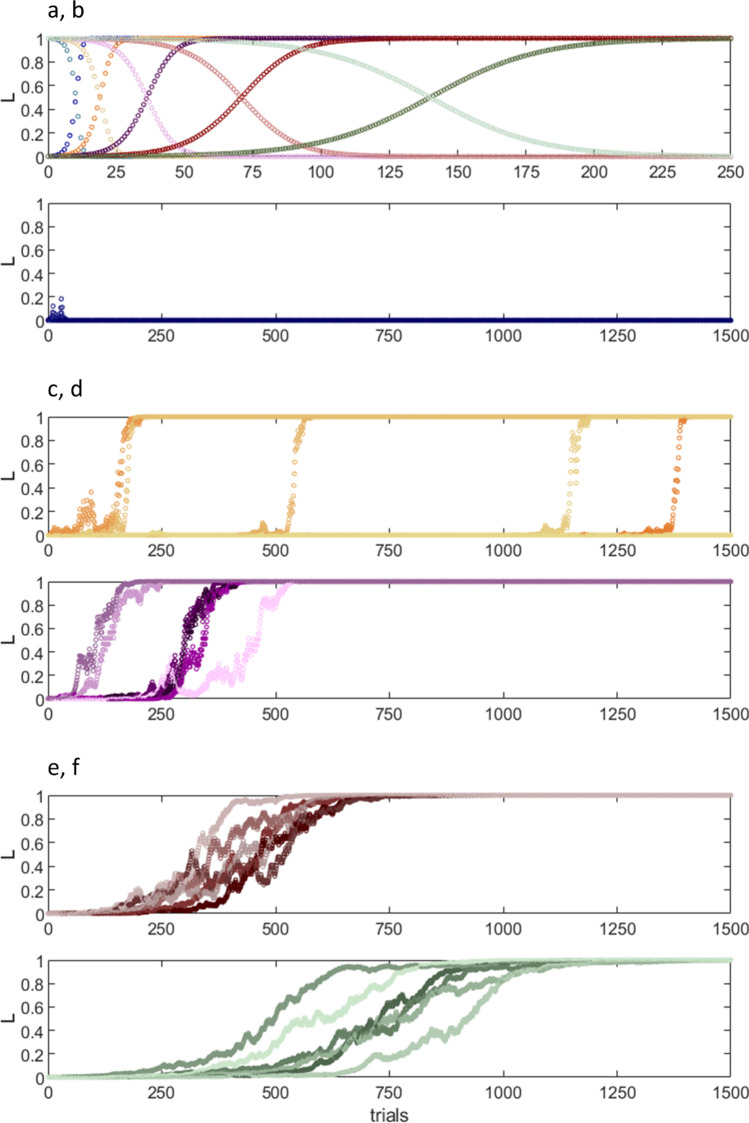
This paper presents a model of learning by the cerebellar circuit. In the traditional and dominant learning model, training teaches finely graded parallel fibre synaptic weights which modify transmission to Purkinje cells and to interneurons that inhibit Purkinje cells. Following training, input in a learned pattern drives a training-modified response. The function is that the naive response to input rates is displaced by a learned one, trained under external supervision. In the proposed model, there is no weight-controlled graduated balance of excitation and inhibition of Purkinje cells. Instead, the balance has two functional states-a switch-at synaptic, whole cell and microzone level. The paper is in two parts. The first is a detailed physiological argument for the synaptic learning function. The second uses the function in a computational simulation of pattern memory. Against expectation, this generates a predictable outcome from input chaos (real-world variables). Training always forces synaptic weights away from the middle and towards the limits of the range, causing them to polarise, so that transmission is either robust or blocked. All conditions teach the same outcome, such that all learned patterns receive the same, rather than a bespoke, effect on transmission. In this model, the function of learning is gating-that is, to select patterns that trigger output merely, and not to modify output. The outcome is memory-operated gate activation which operates a two-state balance of weight-controlled transmission. Group activity of parallel fibres also simultaneously contains a second code contained in collective rates, which varies independently of the pattern code. A two-state response to the pattern code allows faithful, and graduated, control of Purkinje cell firing by the rate code, at gated times.
本文提出了一种小脑回路学习模型。在传统的主导学习模型中,训练可以教给精细分级的平行纤维突触权重,这些权重可以改变对浦肯野细胞和抑制浦肯野细胞的中间神经元的传递。训练后,学习模式的输入会驱动经过训练的修改后的响应。其功能是,对输入率的原始响应被经过外部监督训练的学习响应所取代。在所提出的模型中,不存在权重控制的浦肯野细胞兴奋和抑制的分级平衡。相反,平衡有两个功能状态——在突触、全细胞和微区水平的开关。本文分为两部分。第一部分是对突触学习功能的详细生理学论证。第二部分在模式记忆的计算模拟中使用该功能。出人意料的是,这从输入混沌(实际变量)中产生了可预测的结果。训练总是迫使突触权重远离中间并趋向于范围的极限,导致它们极化,从而使传递要么稳健要么受阻。所有条件都教出相同的结果,因此所有学习的模式对传递的影响都是相同的,而不是定制的。在这个模型中,学习的功能是门控——也就是说,选择仅仅触发输出的模式,而不是修改输出。其结果是记忆操作门激活,它以权重控制的传递的两态平衡为操作。平行纤维的群体活动也同时包含了集体速率中包含的第二个代码,该代码独立于模式代码而变化。对模式代码的两态响应允许以门控的方式通过速率代码对浦肯野细胞放电进行忠实的、分级的控制。