Islam Md Serajul, Hongxin Wang, Admassu Habtamu, Mahdi Amer Ali, Chaoyang Ma, Wei Fu An
State Key Laboratory of Food Science and Technology, Jiangnan University, 1800 Lihu Avenue, 214122 Wuxi, Jiangsu Province, PR China.
National Engineering Research Center for Functional Food, Jiangnan University, 1800 Lihu Avenue, 214122 Wuxi, Jiangsu Province, PR China.
Food Technol Biotechnol. 2021 Sep;59(3):360-375. doi: 10.17113/ftb.59.03.21.7087.
Cardiovascular diseases and diabetes are the biggest causes of death globally. Bioactive peptides derived from many food proteins using enzymatic proteolysis and food processing have a positive impact on the prevention of these diseases. The bioactivity of Chinese pond turtle muscle proteins and their enzymatic hydrolysates has not received much attention, thus this study aims to investigate their antioxidant, antidiabetic and cytotoxic activities.
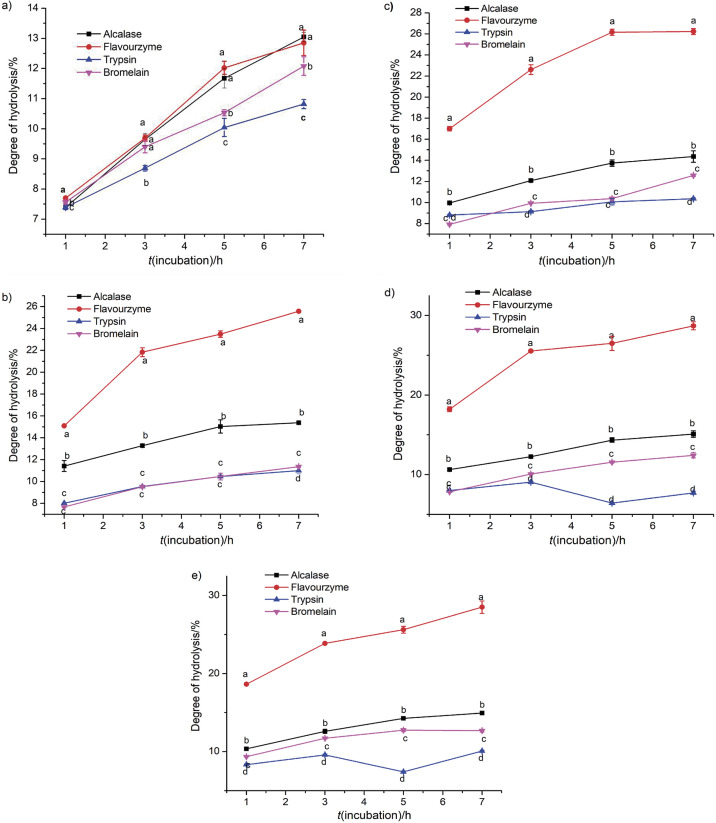
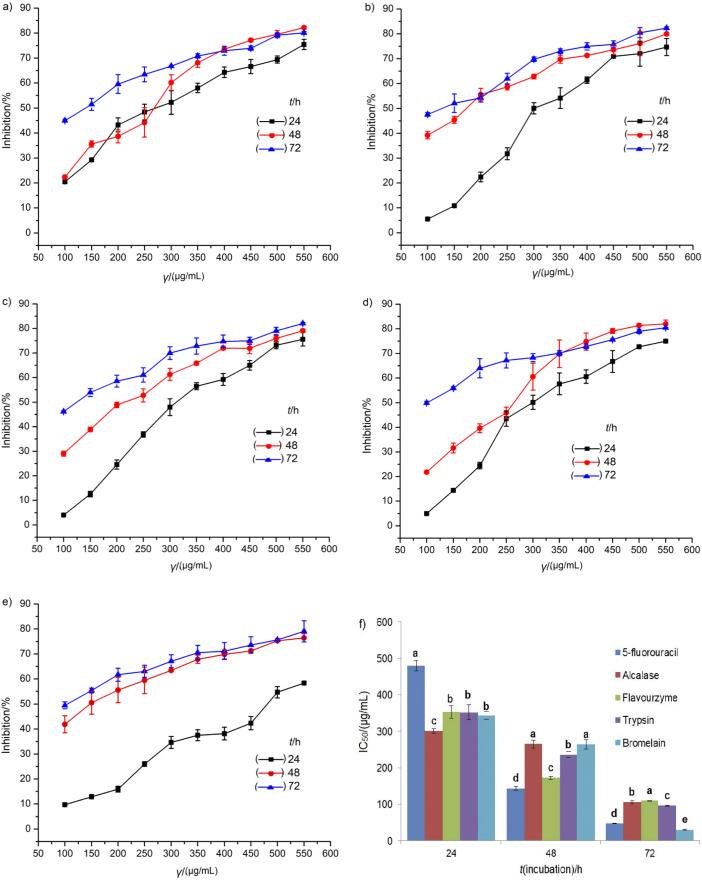
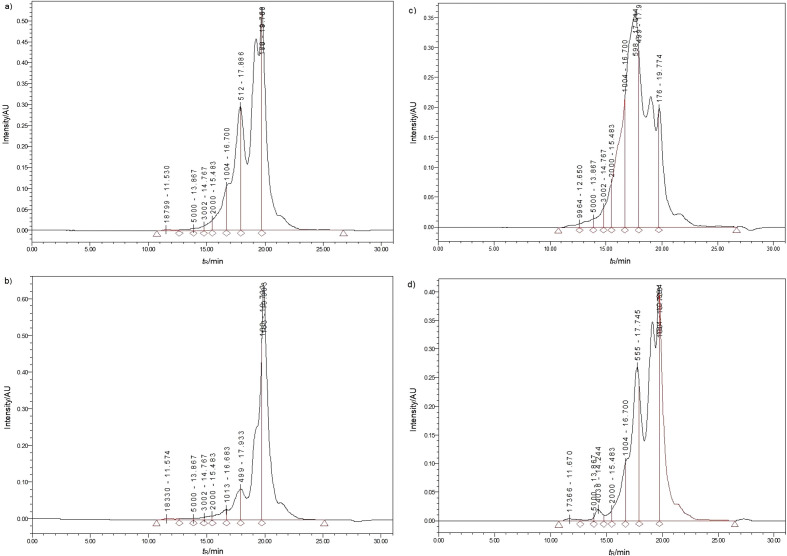
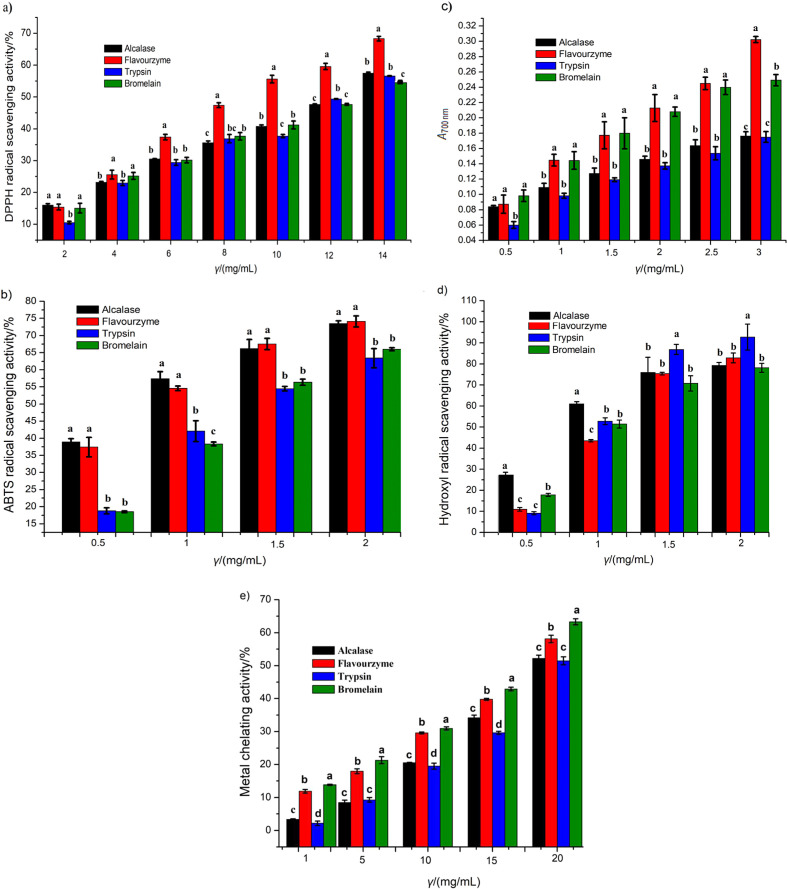
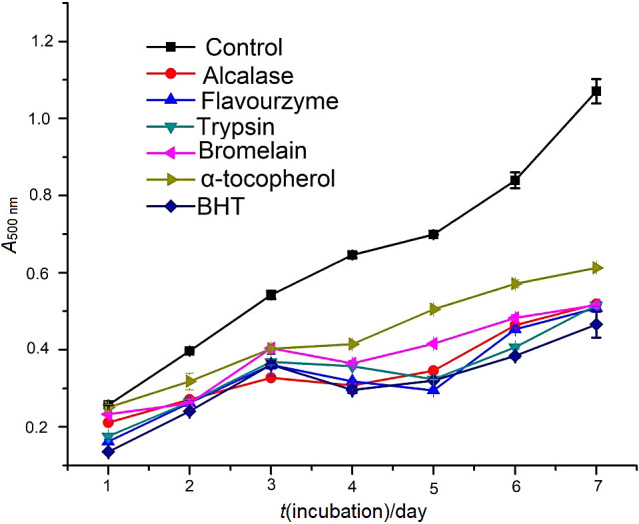
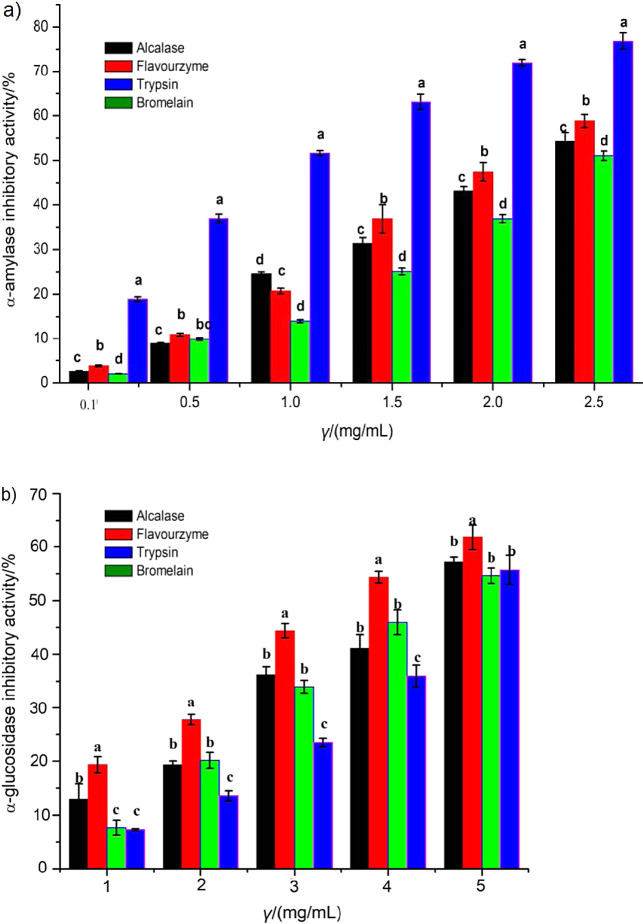
Chinese pond turtle muscles were hydrolysed using four proteolytic enzymes (Alcalase, Flavourzyme, trypsin and bromelain) and the degrees of hydrolysis were measured. High-performance liquid chromatography (HPLC) was conducted to explore the amino acid profiles and molecular mass distribution of the hydrolysates. The antioxidant activities were evaluated using various tests, including 1,1-diphenyl-2-picrylhydrazyl (DPPH) and 2,2'-azino-bis(3-ethylbenzothiazoline-6-sulfonic acid) (ABTS), hydroxyl radical scavenging activity, reducing capacity, chelating Fe and lipid peroxide inhibition activity. Antidiabetic activity was evaluated using α-amylase inhibition and α-glucosidase inhibition assays. Besides, cytotoxic effect of hydrolysates on human colon cancer (HT-29) cells was assessed.
The amino acid composition of the hydrolysates revealed higher mass fractions of glutamic, aspartic, lysine, hydroxyproline and hydrophobic amino acids. Significantly highest inhibition of lipid peroxidation was achieved when hydrolysate obtained with Alcalase was used. Protein hydrolysate produced with Flavourzyme had the highest radical scavenging activity measured by DPPH (68.32%), ABTS (74.12%) and FRAP ( =0.300) assays, α-glucosidase (61.80%) inhibition and cytotoxic effect (82.26%) on HT-29 cell line at 550 µg/mL. Hydrolysates obtained with trypsin and bromelain had significantly highest (p<0.05) hydroxyl radical scavenging (92.70%) and Fe metal chelating (63.29%) activities, respectively. The highest α-amylase (76.89%) inhibition was recorded when using hydrolysates obtained with bromelain and Flavourzyme.
Enzymatic hydrolysates of Chinese pond turtle muscle protein had high antioxidant, cytotoxic and antidiabetic activities. The findings of this study indicated that the bioactive hydrolysates or peptides from Chinese pond turtle muscle protein can be potential ingredients in pharmaceuticals and functional food formulations.
心血管疾病和糖尿病是全球最大的死因。通过酶解和食品加工从多种食物蛋白中获得的生物活性肽对预防这些疾病具有积极作用。中华鳖肌肉蛋白及其酶解产物的生物活性尚未得到足够关注,因此本研究旨在探究其抗氧化、抗糖尿病和细胞毒性活性。
使用四种蛋白酶(碱性蛋白酶、风味酶、胰蛋白酶和菠萝蛋白酶)对中华鳖肌肉进行水解,并测定水解度。采用高效液相色谱法(HPLC)探究酶解产物的氨基酸谱和分子量分布。通过多种试验评估抗氧化活性,包括1,1-二苯基-2-苦基肼(DPPH)和2,2'-联氮-双-(3-乙基苯并噻唑啉-6-磺酸)(ABTS)、羟自由基清除活性、还原能力、螯合铁和抑制脂质过氧化活性。通过α-淀粉酶抑制和α-葡萄糖苷酶抑制试验评估抗糖尿病活性。此外,评估酶解产物对人结肠癌(HT-29)细胞的细胞毒性作用。
酶解产物的氨基酸组成显示,谷氨酸、天冬氨酸、赖氨酸、羟脯氨酸和疏水氨基酸的质量分数较高。使用碱性蛋白酶获得的酶解产物对脂质过氧化的抑制作用显著最高。用风味酶制备的蛋白水解物在550μg/mL时,通过DPPH(68.32%)、ABTS(74.12%)和FRAP(=0.300)试验测定的自由基清除活性最高,对α-葡萄糖苷酶的抑制率为(61.80%),对HT-29细胞系的细胞毒性作用为(82.26%)。用胰蛋白酶和菠萝蛋白酶获得的酶解产物分别具有显著最高(p<0.05)的羟自由基清除活性(92.70%)和铁离子螯合活性(63.29%)。使用菠萝蛋白酶和风味酶获得的酶解产物对α-淀粉酶的抑制率最高(76.89%)。
中华鳖肌肉蛋白的酶解产物具有较高的抗氧化、细胞毒性和抗糖尿病活性。本研究结果表明,中华鳖肌肉蛋白的生物活性酶解产物或肽可成为药物和功能性食品配方中的潜在成分。