Department of Molecular Genetics, University of Toronto, Toronto, ON, M5G 1M1, Canada.
Department of Computer Science and Engineering, University of Minnesota, Minneapolis, MN, 55455, USA.
Nat Commun. 2021 Nov 11;12(1):6497. doi: 10.1038/s41467-021-26850-3.
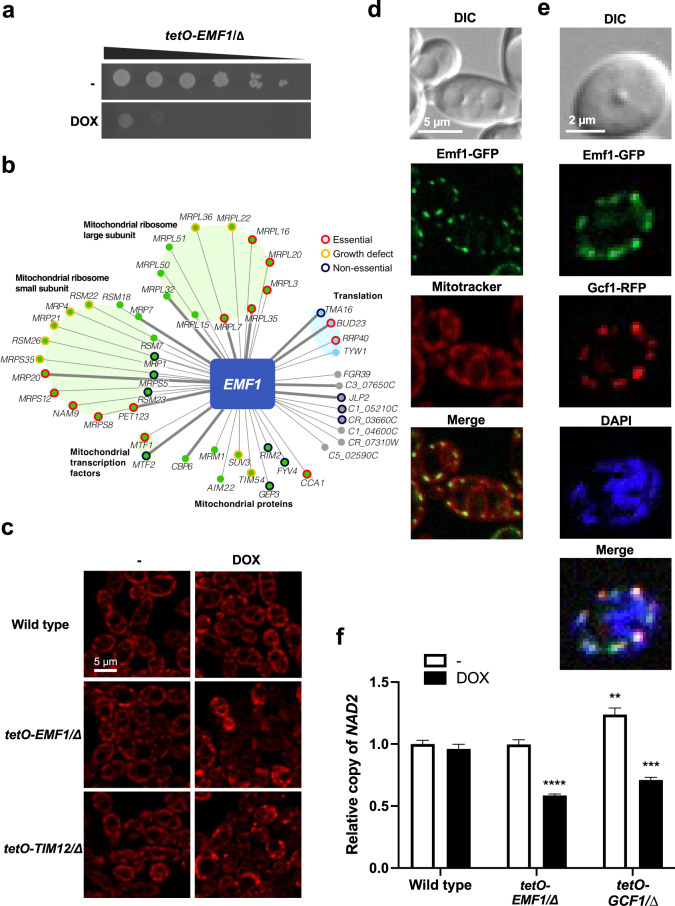
Fungal pathogens pose a global threat to human health, with Candida albicans among the leading killers. Systematic analysis of essential genes provides a powerful strategy to discover potential antifungal targets. Here, we build a machine learning model to generate genome-wide gene essentiality predictions for C. albicans and expand the largest functional genomics resource in this pathogen (the GRACE collection) by 866 genes. Using this model and chemogenomic analyses, we define the function of three uncharacterized essential genes with roles in kinetochore function, mitochondrial integrity, and translation, and identify the glutaminyl-tRNA synthetase Gln4 as the target of N-pyrimidinyl-β-thiophenylacrylamide (NP-BTA), an antifungal compound.
真菌病原体对人类健康构成全球性威胁,其中白色念珠菌是主要的致死病原体之一。对必需基因进行系统分析提供了一种发现潜在抗真菌靶点的强大策略。在这里,我们构建了一个机器学习模型,用于生成白色念珠菌全基因组基因必需性预测,并将该病原体最大的功能基因组资源(GRACE 集合)扩展了 866 个基因。利用该模型和化学生物学分析,我们确定了三个功能未知的必需基因的功能,它们在动粒功能、线粒体完整性和翻译中起作用,并确定谷氨酰-tRNA 合成酶 Gln4 是抗真菌化合物 N-嘧啶基-β-噻吩基丙烯酰胺(NP-BTA)的靶标。