Division of Neonatology, Department of Pediatrics, University of Minnesota, Minneapolis, MN, USA.
University of Minnesota Informatics Institute, Minneapolis, MN, USA.
Pediatr Res. 2022 Sep;92(3):712-720. doi: 10.1038/s41390-021-01832-9. Epub 2021 Nov 13.
Phlebotomy-induced anemia (PIA) is universal and variable in degree among preterm infants and may contribute to neurodevelopmental risk. In mice, PIA causes brain tissue hypoxia, iron deficiency, and long-term sex-dependent neurobehavioral abnormalities. The neuroregulatory molecular pathways disrupted by PIA underlying these effects are unknown.
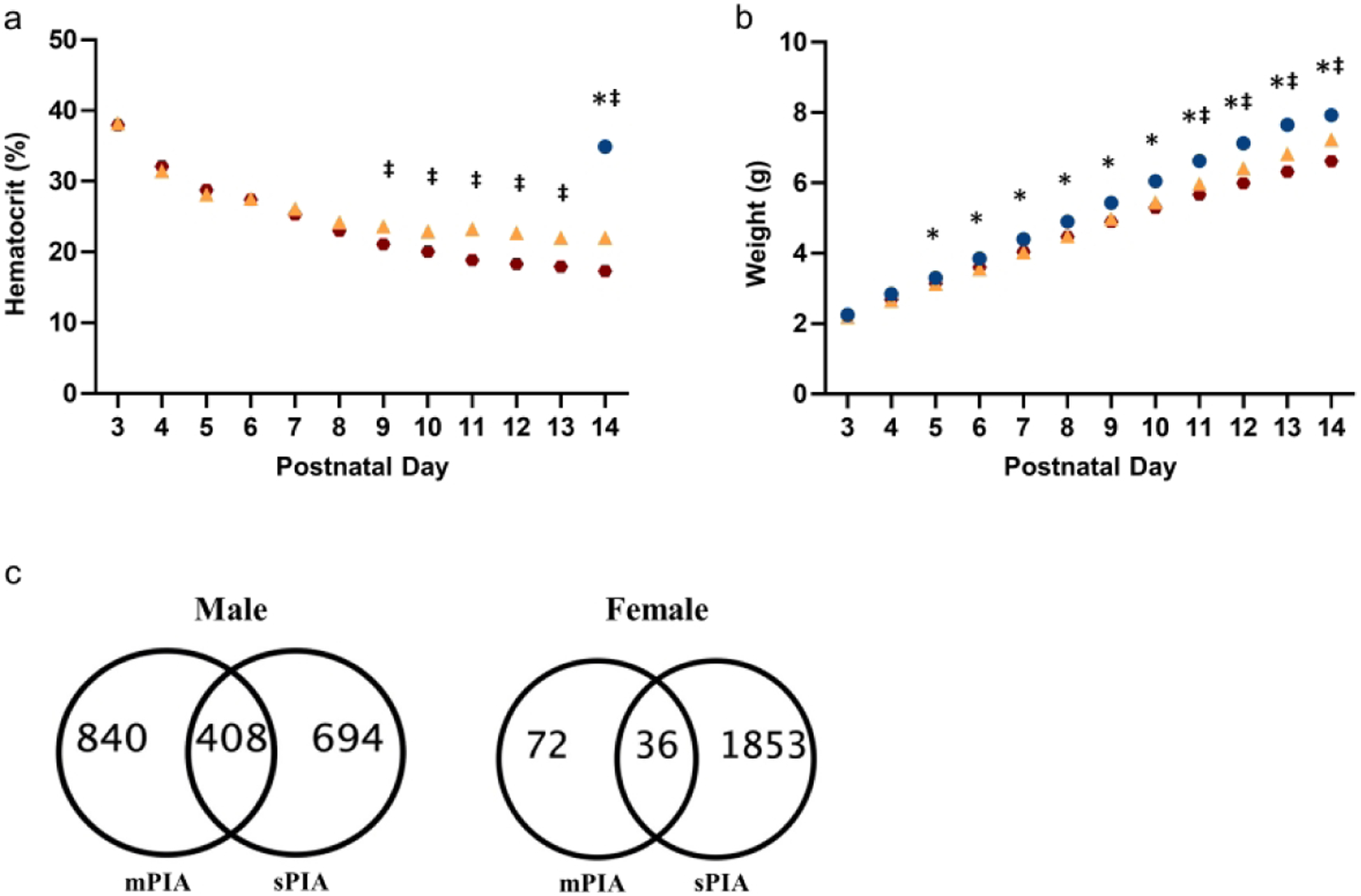
Male and female pups were phlebotomized daily from postnatal day (P)3-P14 via facial venipuncture to target hematocrits of 25% (moderate, mPIA) and 18% (severe, sPIA). P14 hippocampal RNA from non-bled control and PIA mice was sequenced by next-generation sequencing to identify differentially expressed genes (DEGs) that were analyzed using Ingenuity Pathway Analysis.
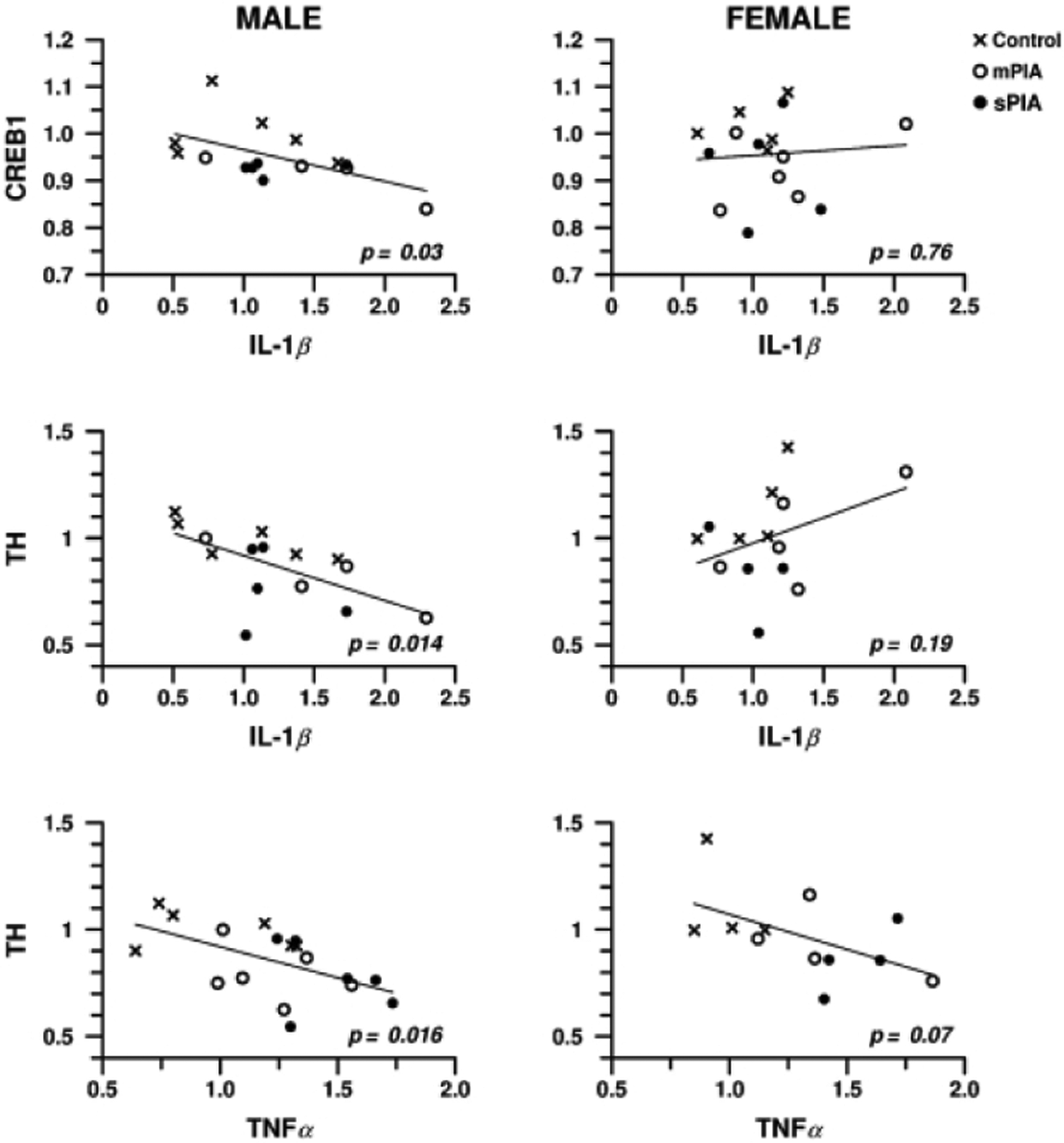
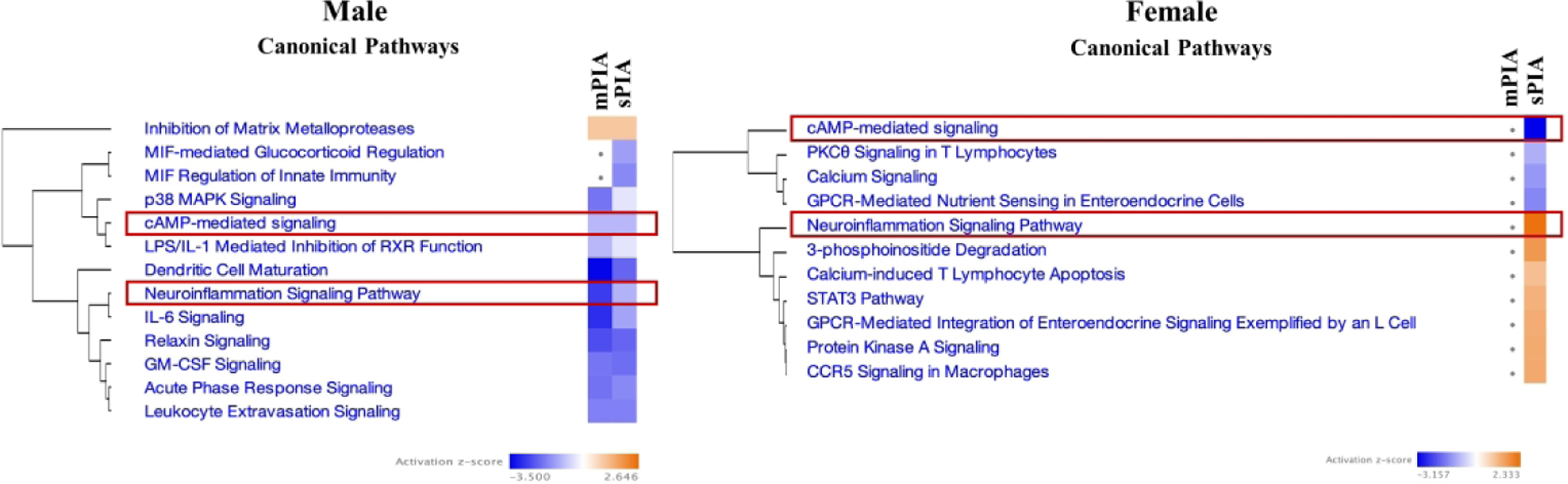
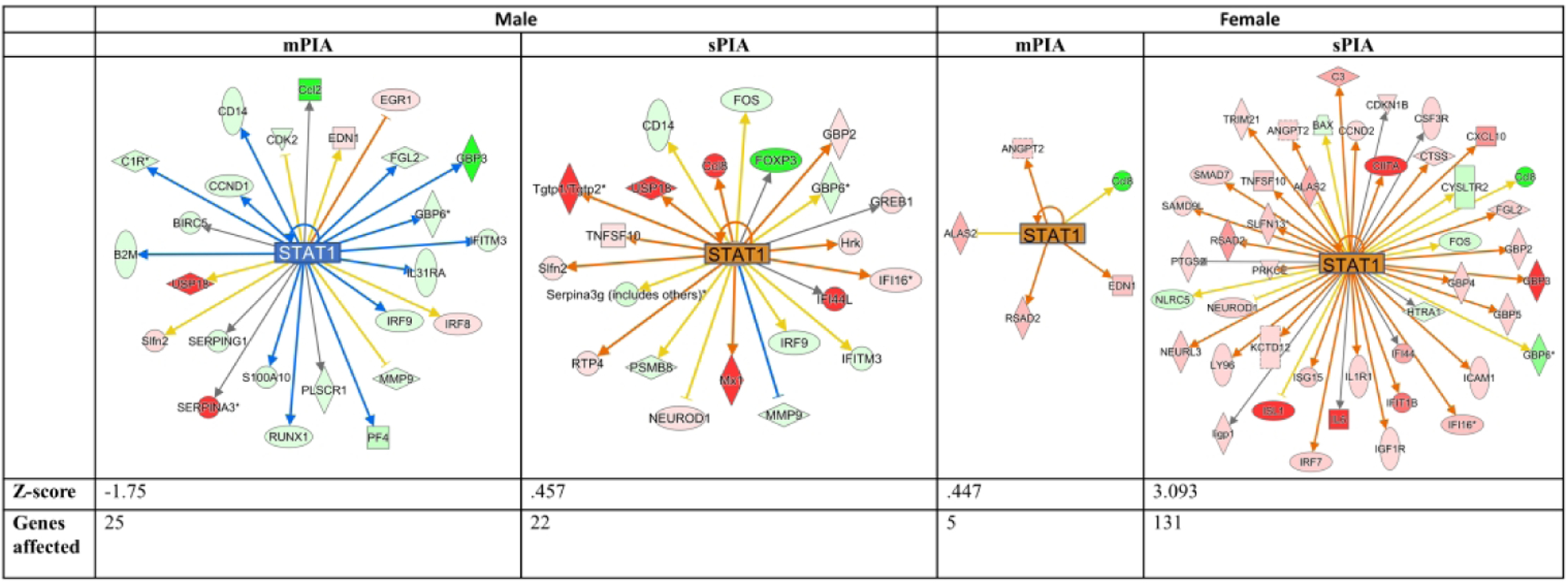
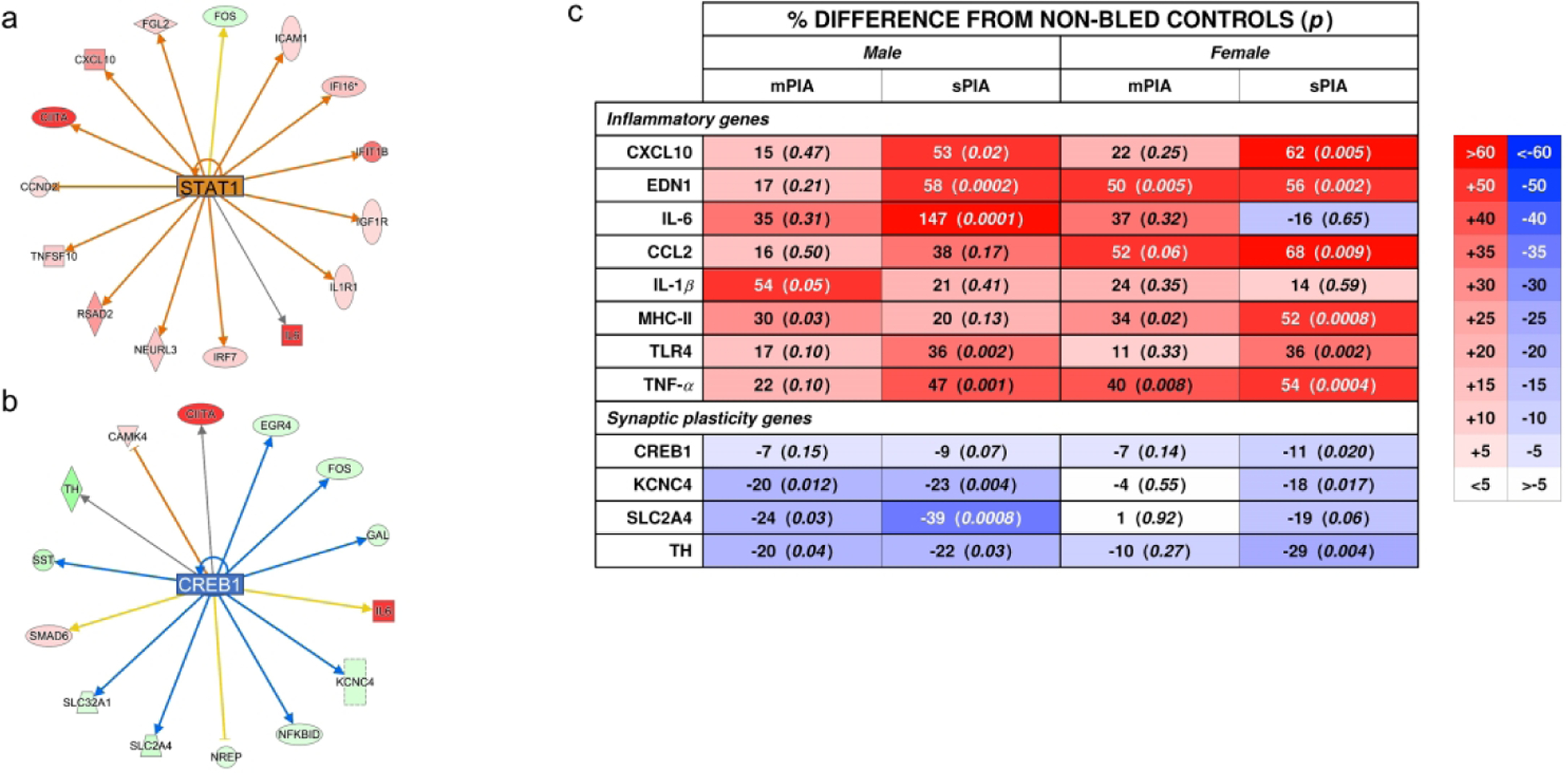
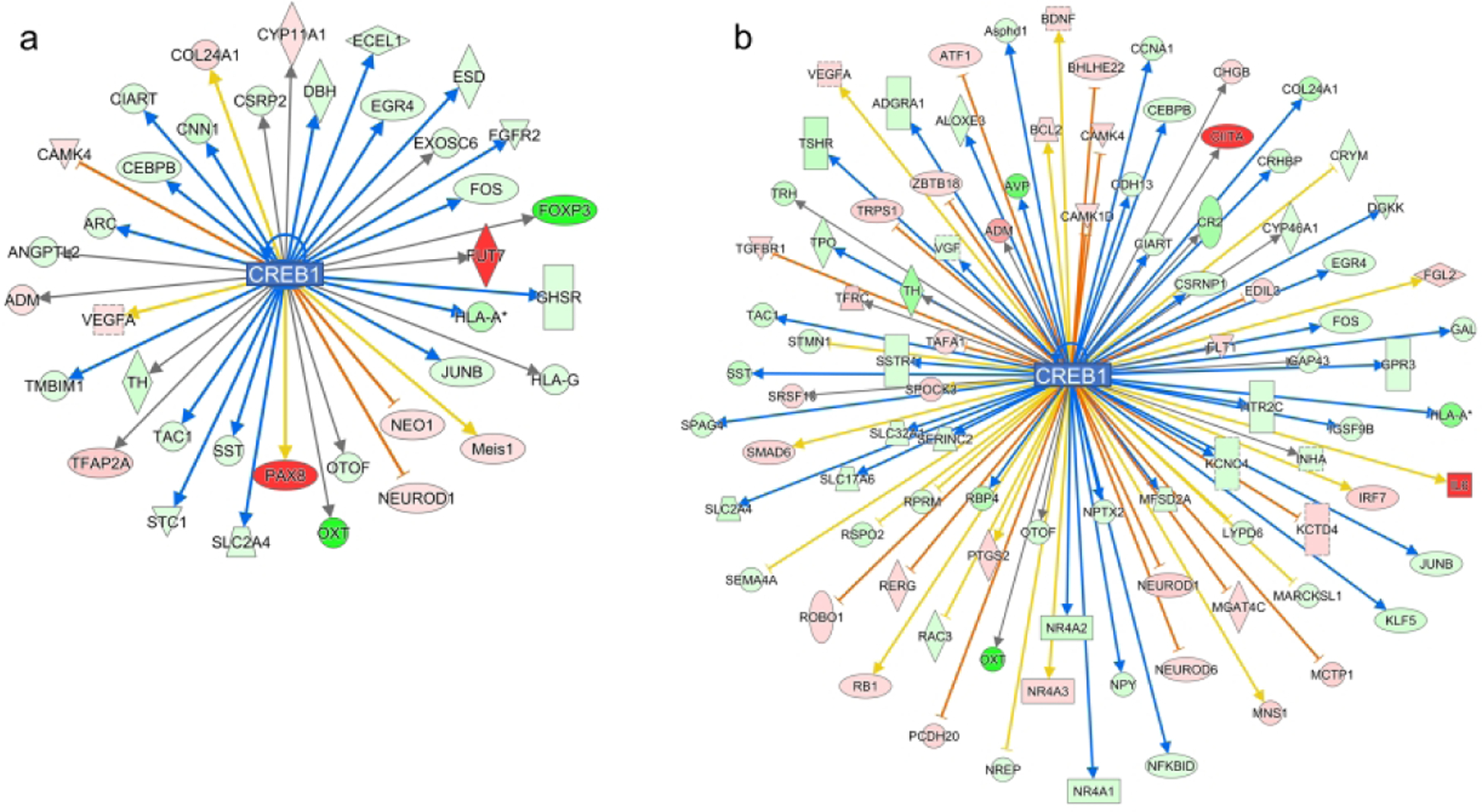
mPIA females showed the least DEGs (0.5% of >22,000 genes) whereas sPIA females had the most (8.6%), indicating a dose-dependent effect. mPIA and sPIA males showed similar changes in gene expression (5.3% and 4.7%, respectively), indicating a threshold effect at mPIA. The pattern of altered genes induced by PIA indicates sex-specific and anemia-dose-dependent effects with increased pro-inflammation in females and decreased neurodevelopment in males.
These gene-expression changes may underlie the reduced recognition memory function in male and abnormal social-cognitive behavior in female adult mice following neonatal PIA. These results parallel clinical studies demonstrating sex-specific behavioral outcomes as a function of neonatal anemia.
Phlebotomy-induced anemia (PIA) in neonatal mice results in an altered hippocampal transcriptome and the severity of changes are dependent upon degree of anemia and sex of neonatal mice. The reported findings provide context to the sex-specific outcomes that have been reported in transfusion threshold clinical trials of preterm infants and therefore may inform treatment strategies that may be based on sex. These data advance the field by showing that consequences of PIA may be based in sex-specific transcriptomic alterations. Such changes may also result from other causes of neonatal anemia that also affect term infants.
经皮穿刺采血引起的贫血(PIA)在早产儿中普遍存在且程度不一,可能导致神经发育风险。 在小鼠中,PIA 导致脑组织缺氧、缺铁和长期的性别依赖性神经行为异常。 导致这些影响的 PIA 破坏的神经调节分子途径尚不清楚。
通过面部静脉切开术从出生后第 3 天(P)3 至 14 天每天对雄性和雌性幼崽进行采血,以将血细胞比容目标设定为 25%(中度,mPIA)和 18%(重度,sPIA)。 对非采血对照和 PIA 小鼠的 P14 海马 RNA 进行下一代测序以鉴定差异表达基因(DEGs),并使用 Ingenuity 通路分析对其进行分析。
mPIA 雌性显示出最少的 DEGs(>22000 个基因中的 0.5%),而 sPIA 雌性则显示出最多(8.6%),表明存在剂量依赖性效应。 mPIA 和 sPIA 雄性的基因表达变化相似(分别为 5.3%和 4.7%),表明 mPIA 存在阈值效应。 PIA 诱导的基因改变模式表明存在性别特异性和贫血剂量依赖性效应,即雌性炎症增加,雄性神经发育减少。
这些基因表达的变化可能是导致新生儿 PIA 后雄性识别记忆功能降低和雌性社会认知行为异常的基础。 这些结果与临床研究相平行,表明新生儿贫血与性别特异性行为结果有关。
新生小鼠的经皮穿刺采血引起的贫血(PIA)导致海马转录组发生改变,且变化的严重程度取决于贫血的程度和新生小鼠的性别。 报告的研究结果为早产儿输血阈值临床试验中报告的性别特异性结果提供了背景信息,因此可能为基于性别的治疗策略提供信息。 这些数据通过显示 PIA 的后果可能基于性别特异性转录组改变,从而推进了该领域的发展。 这些变化也可能源于影响足月婴儿的其他新生儿贫血的原因。