Etiologically Elusive Disorders Research Network (EEDRN), New Delhi, India.
Department of Anatomy, All India Institute of Medical Sciences (AIIMS), Patna, India.
Front Immunol. 2021 Nov 1;12:693938. doi: 10.3389/fimmu.2021.693938. eCollection 2021.
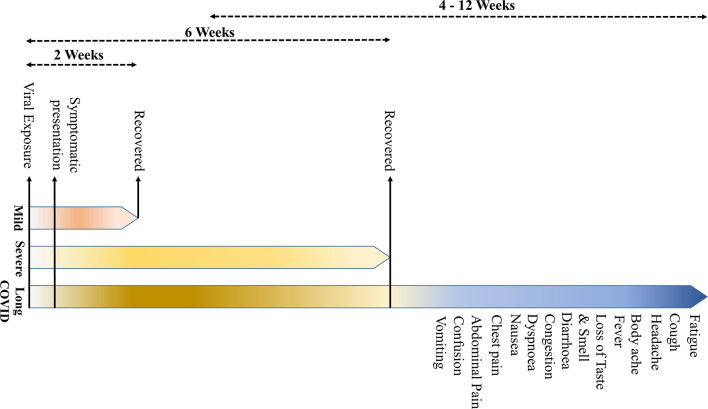
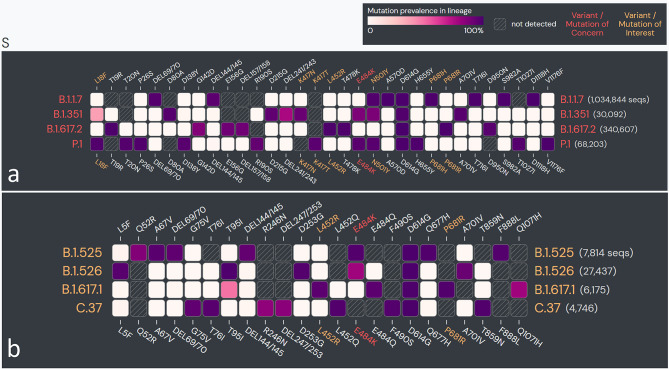
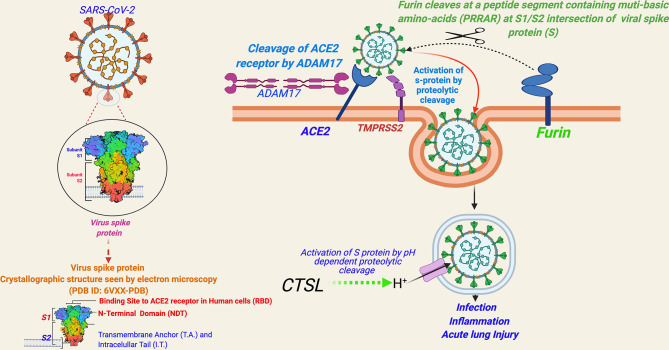
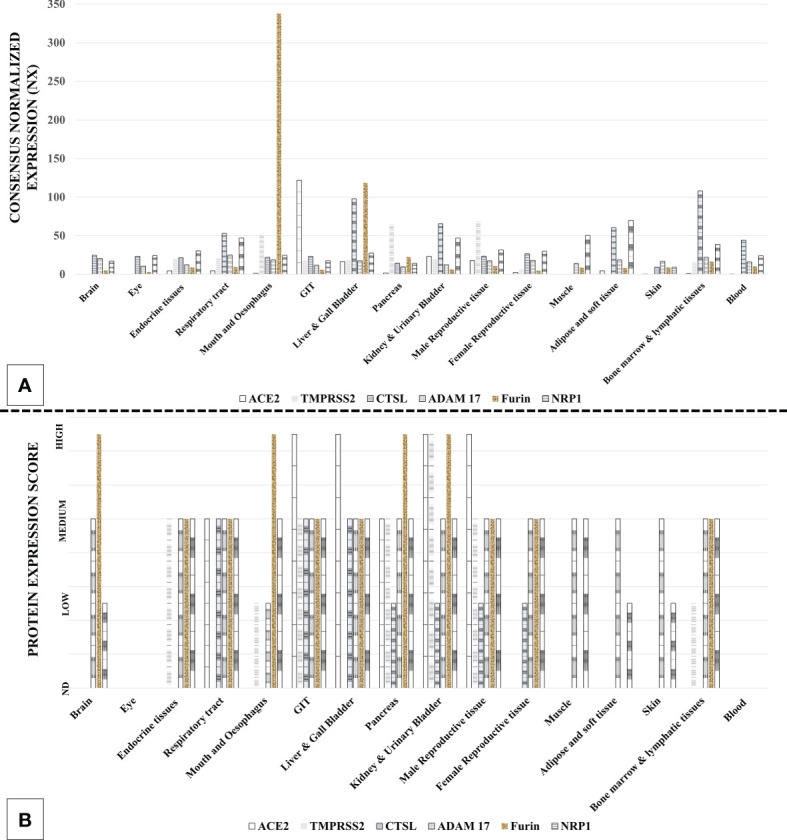
More than one and a half years have elapsed since the commencement of the coronavirus disease 2019 (COVID-19) pandemic, and the world is struggling to contain it. Being caused by a previously unknown virus, in the initial period, there had been an extreme paucity of knowledge about the disease mechanisms, which hampered preventive and therapeutic measures against COVID-19. In an endeavor to understand the pathogenic mechanisms, extensive experimental studies have been conducted across the globe involving cell culture-based experiments, human tissue organoids, and animal models, targeted to various aspects of the disease, , viral properties, tissue tropism and organ-specific pathogenesis, involvement of physiological systems, and the human immune response against the infection. The vastly accumulated scientific knowledge on all aspects of COVID-19 has currently changed the scenario from great despair to hope. Even though spectacular progress has been made in all of these aspects, multiple knowledge gaps are remaining that need to be addressed in future studies. Moreover, multiple severe acute respiratory syndrome coronavirus 2 (SARS-CoV-2) variants have emerged across the globe since the onset of the first COVID-19 wave, with seemingly greater transmissibility/virulence and immune escape capabilities than the wild-type strain. In this review, we narrate the progress made since the commencement of the pandemic regarding the knowledge on COVID-19 mechanisms in the human body, including virus-host interactions, pulmonary and other systemic manifestations, immunological dysregulations, complications, host-specific vulnerability, and long-term health consequences in the survivors. Additionally, we provide a brief review of the current evidence explaining molecular mechanisms imparting greater transmissibility and virulence and immune escape capabilities to the emerging SARS-CoV-2 variants.
自 2019 年冠状病毒病(COVID-19)大流行开始以来,已经过去了一年半多的时间,世界仍在努力控制它。由于是由一种以前未知的病毒引起的,在最初阶段,人们对疾病机制知之甚少,这阻碍了针对 COVID-19 的预防和治疗措施。为了了解发病机制,全球范围内进行了广泛的实验研究,涉及基于细胞培养的实验、人体组织类器官和动物模型,针对疾病的各个方面,包括病毒特性、组织嗜性和器官特异性发病机制、生理系统的参与以及人体对感染的免疫反应。目前,COVID-19 各方面的大量科学知识已经改变了从极度绝望到希望的局面。尽管在所有这些方面都取得了惊人的进展,但仍有多个知识空白需要在未来的研究中解决。此外,自第一波 COVID-19 疫情以来,全球已经出现了多种严重急性呼吸综合征冠状病毒 2(SARS-CoV-2)变体,其传播力/毒力和免疫逃逸能力似乎比野生型更强。在这篇综述中,我们叙述了自大流行开始以来,关于人体 COVID-19 机制的知识进展,包括病毒-宿主相互作用、肺部和其他系统表现、免疫失调、并发症、宿主特异性脆弱性以及幸存者的长期健康后果。此外,我们还简要回顾了目前解释赋予新兴 SARS-CoV-2 变体更高传播力、毒力和免疫逃逸能力的分子机制的证据。