University of Southern California, Los Angeles, CA, USA.
Facebook, Menlo Park, CA, USA.
Nat Biomed Eng. 2023 Apr;7(4):546-558. doi: 10.1038/s41551-021-00811-z. Epub 2021 Nov 18.
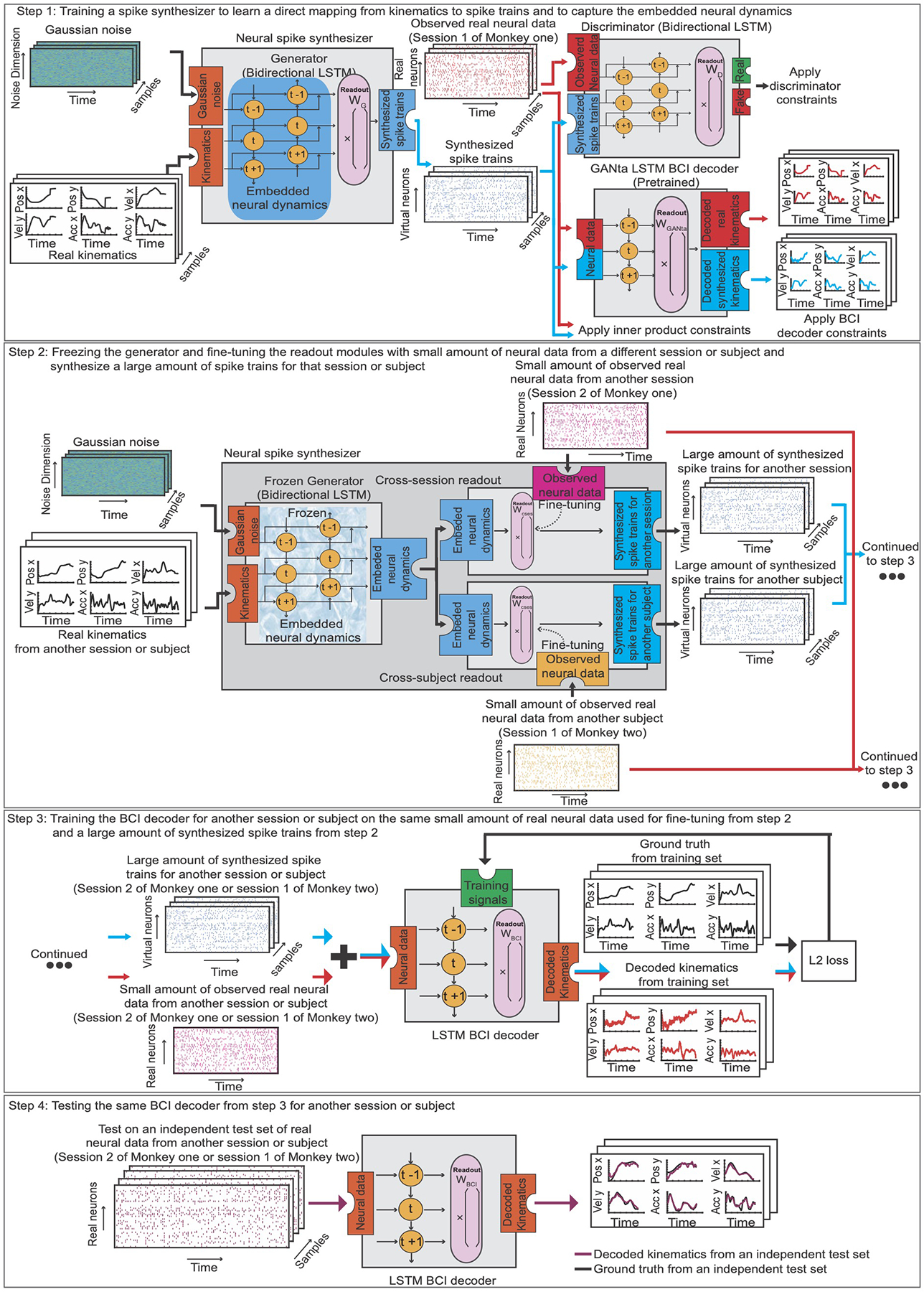
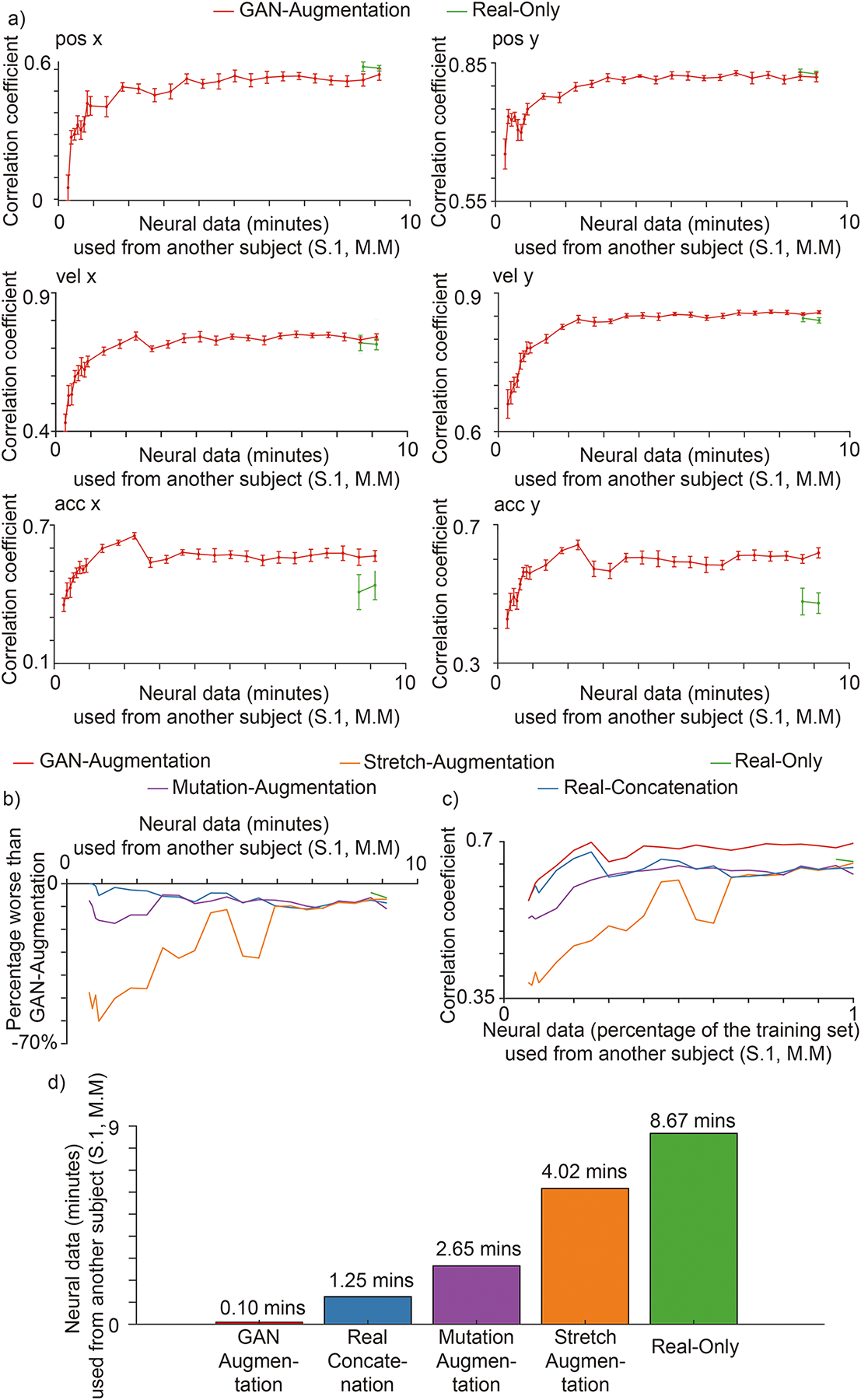
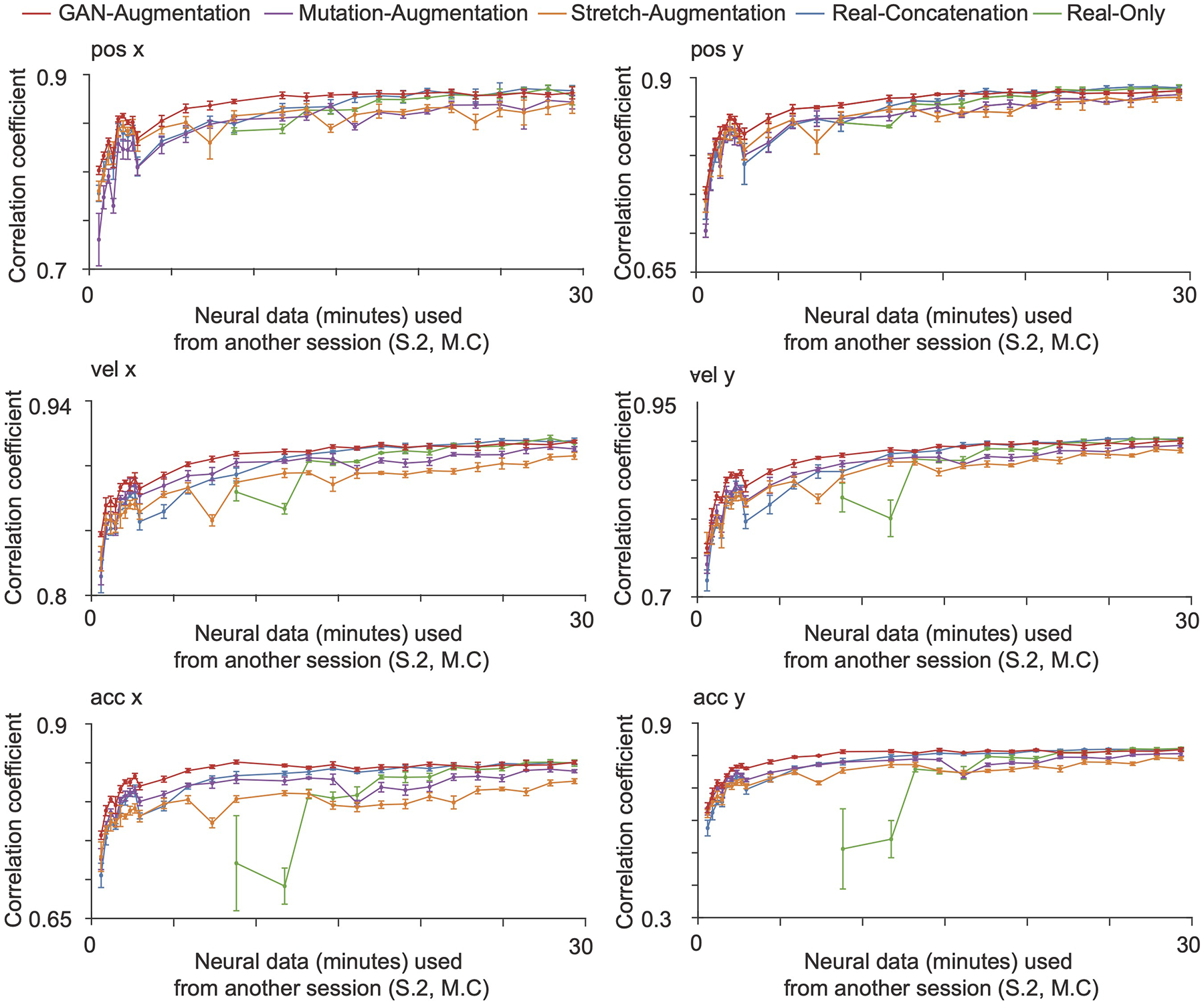
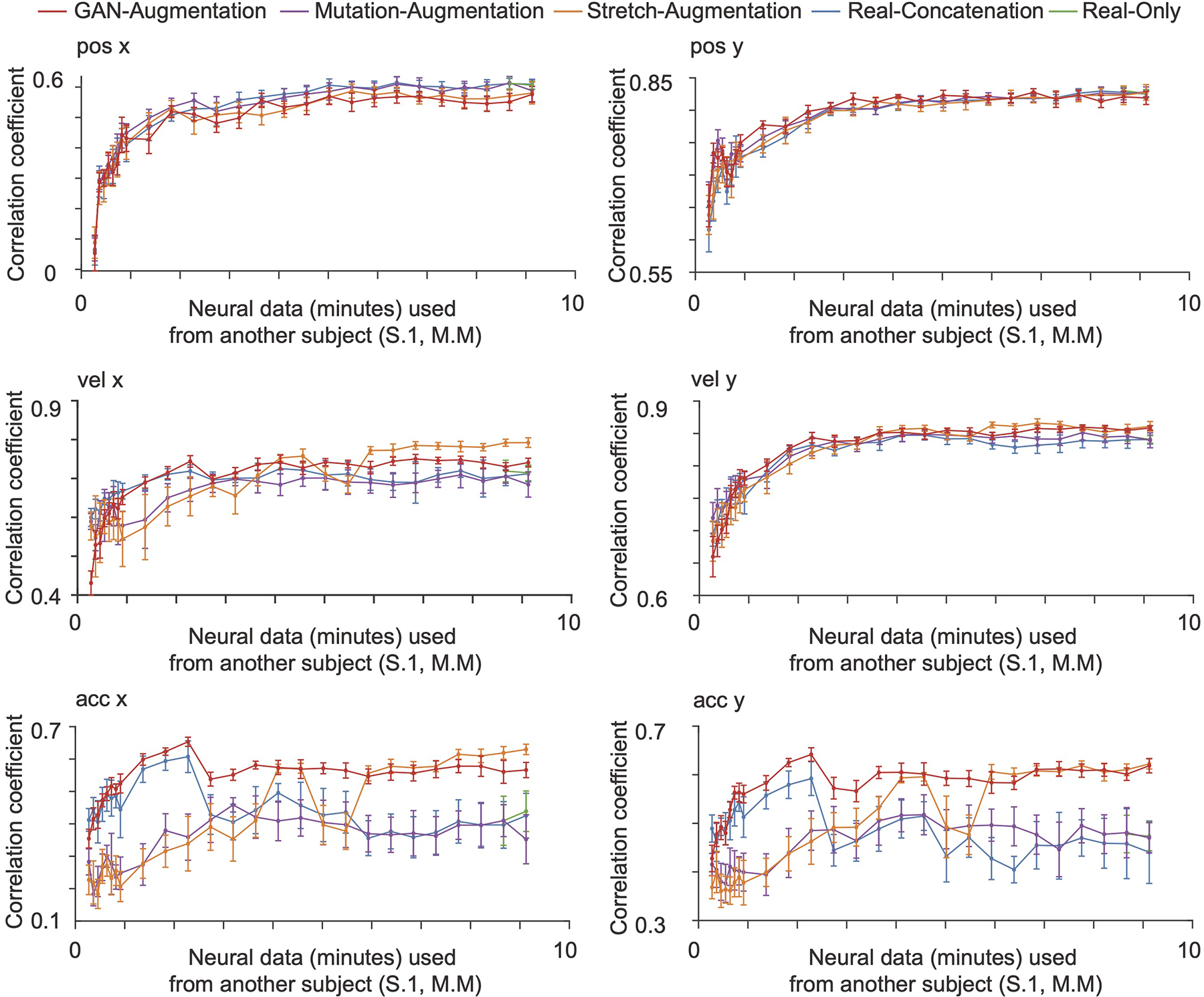
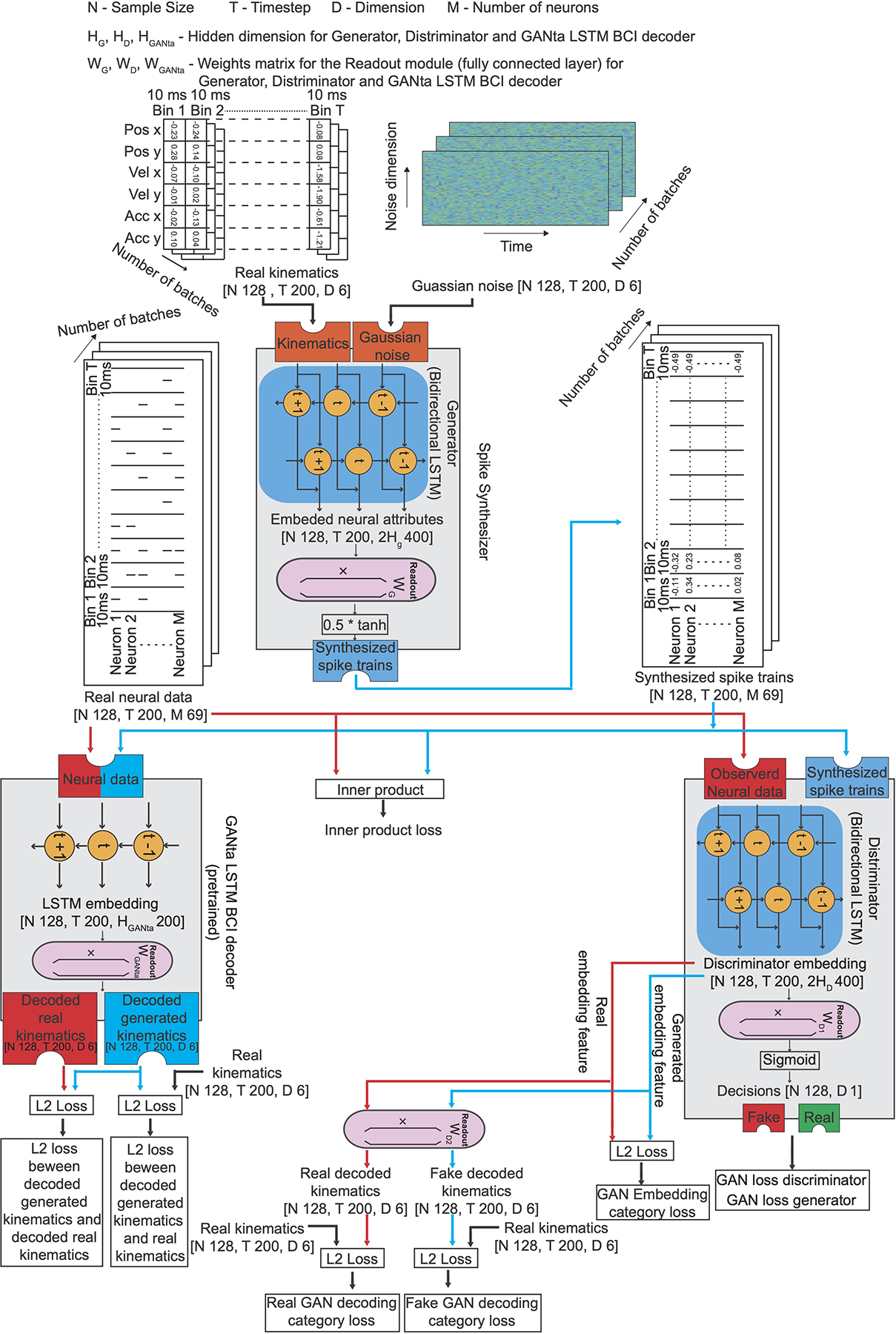
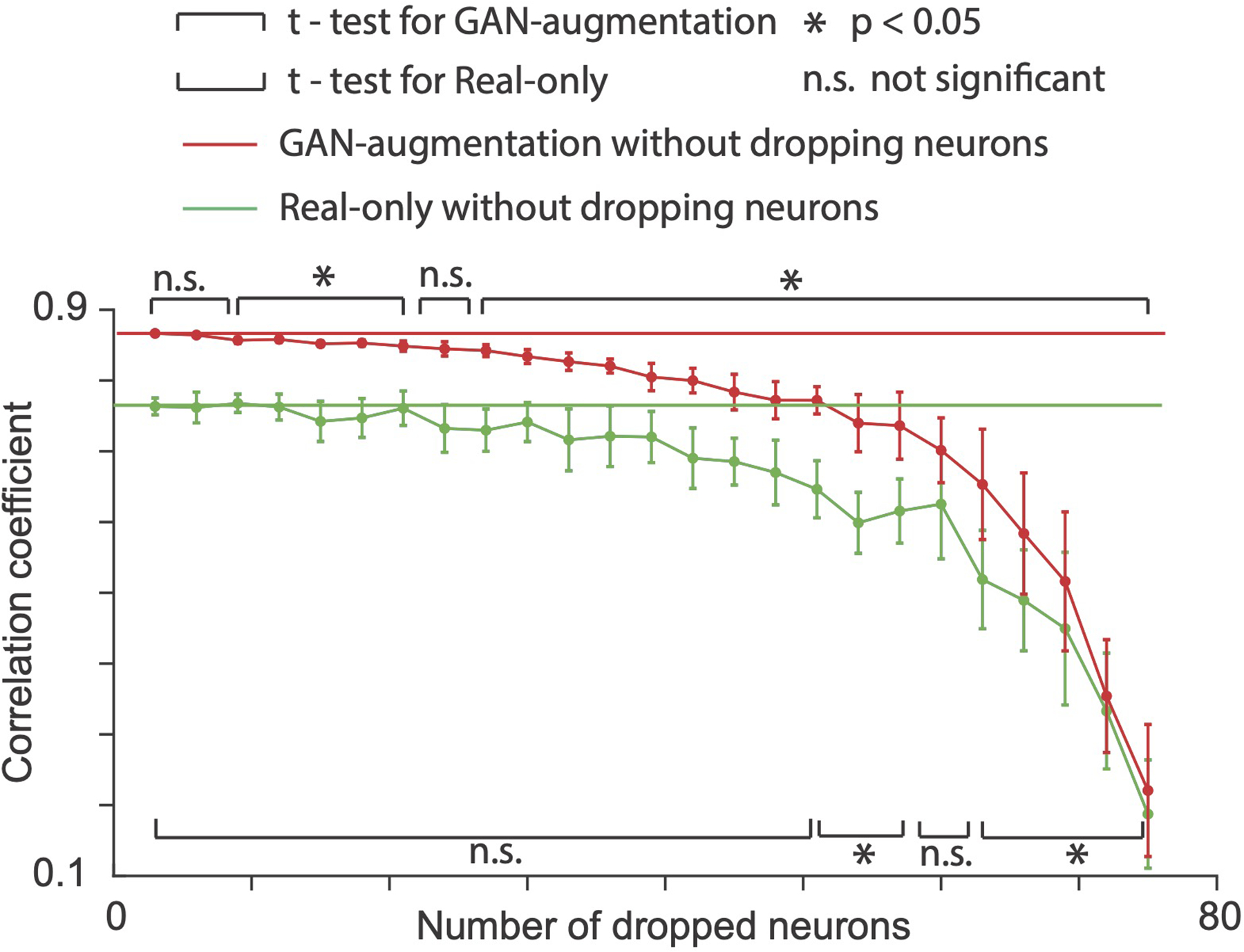
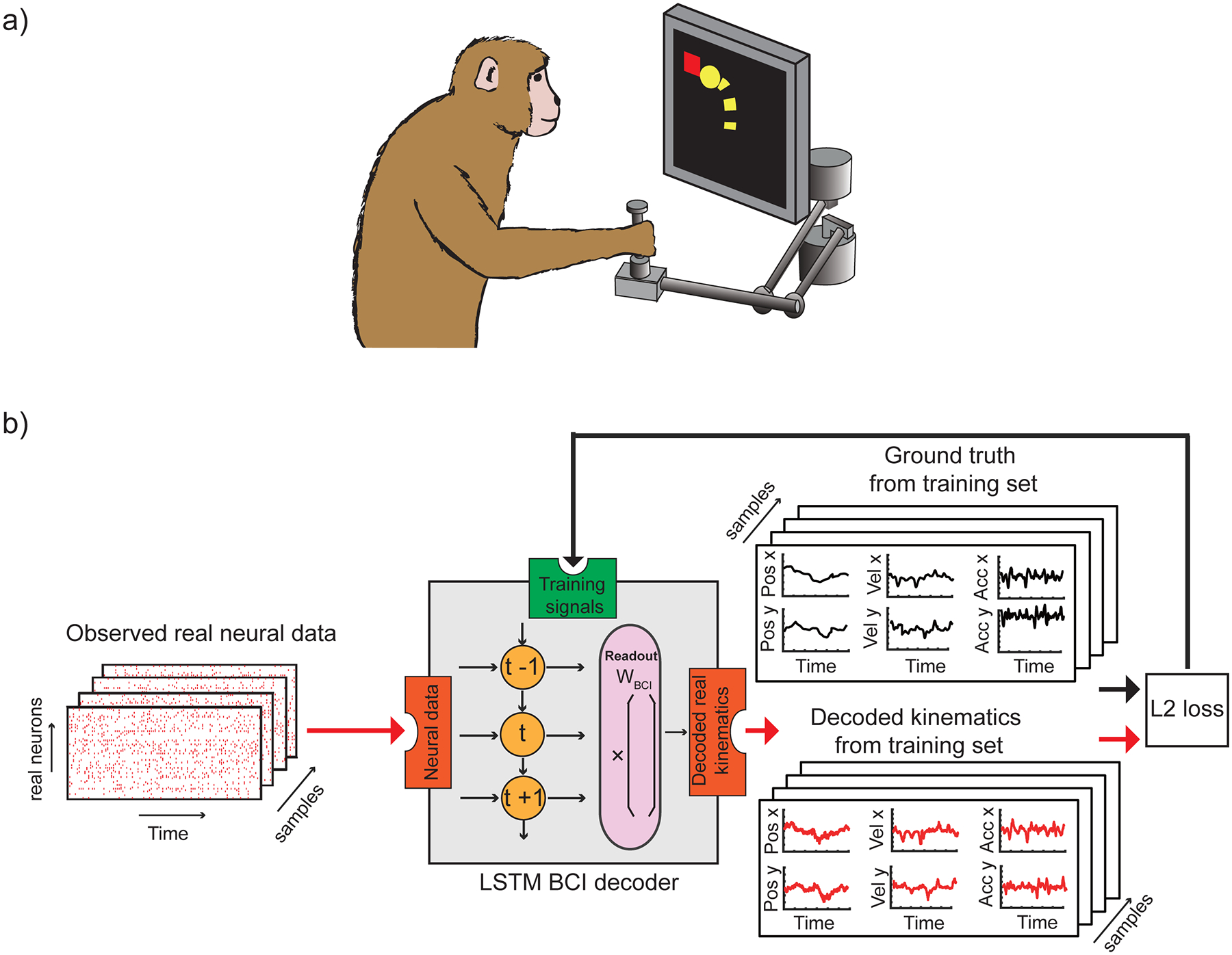
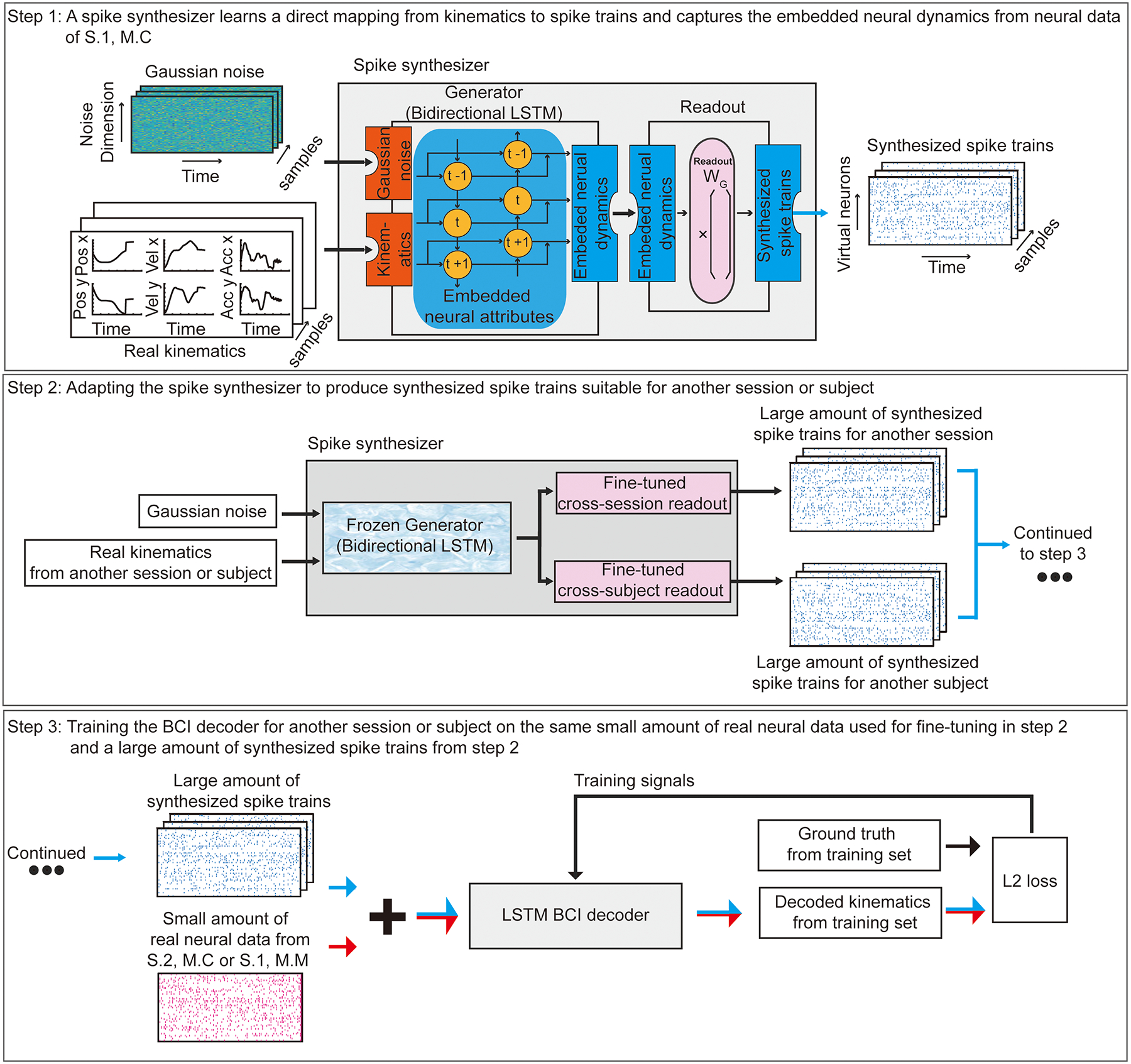
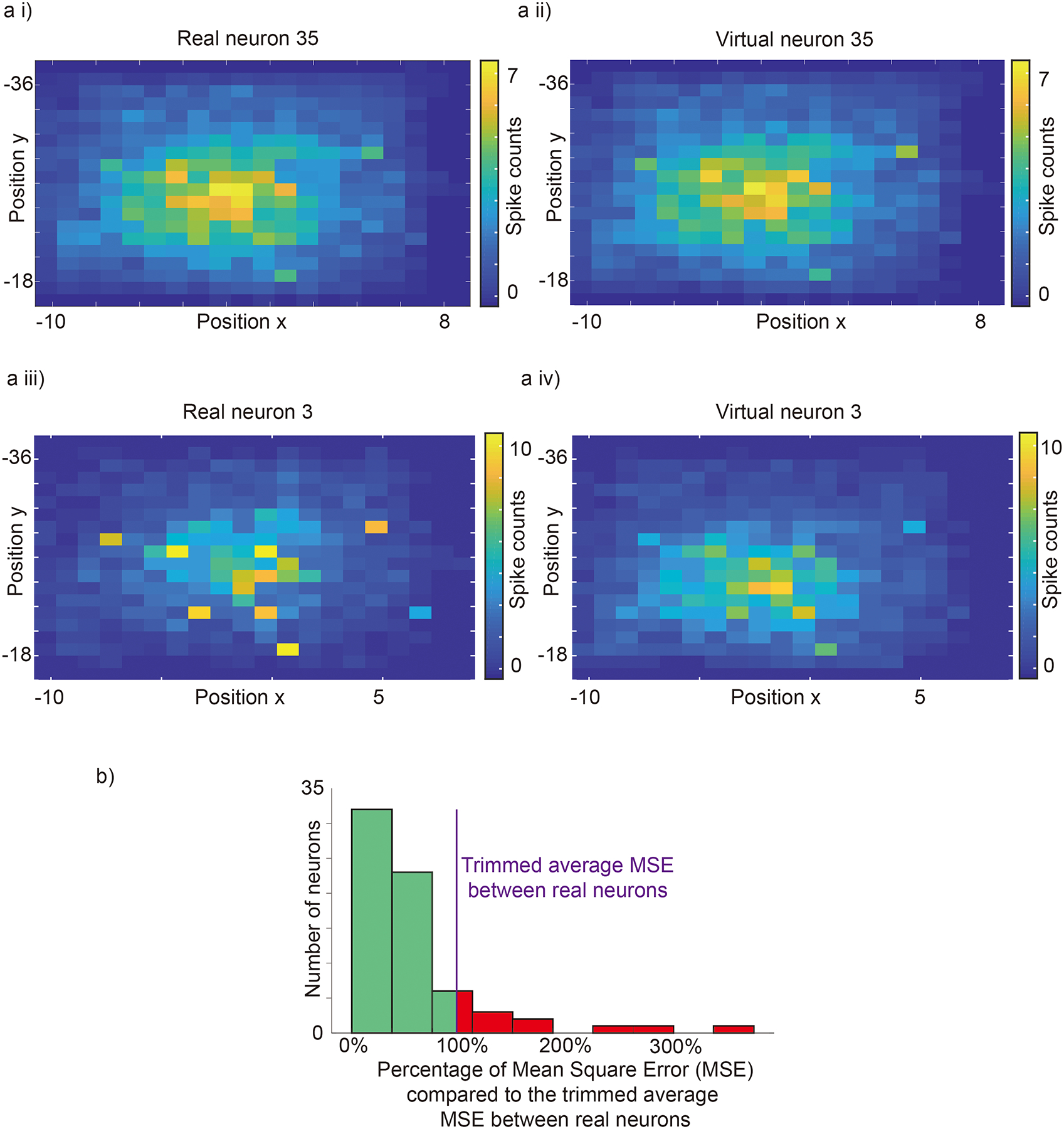
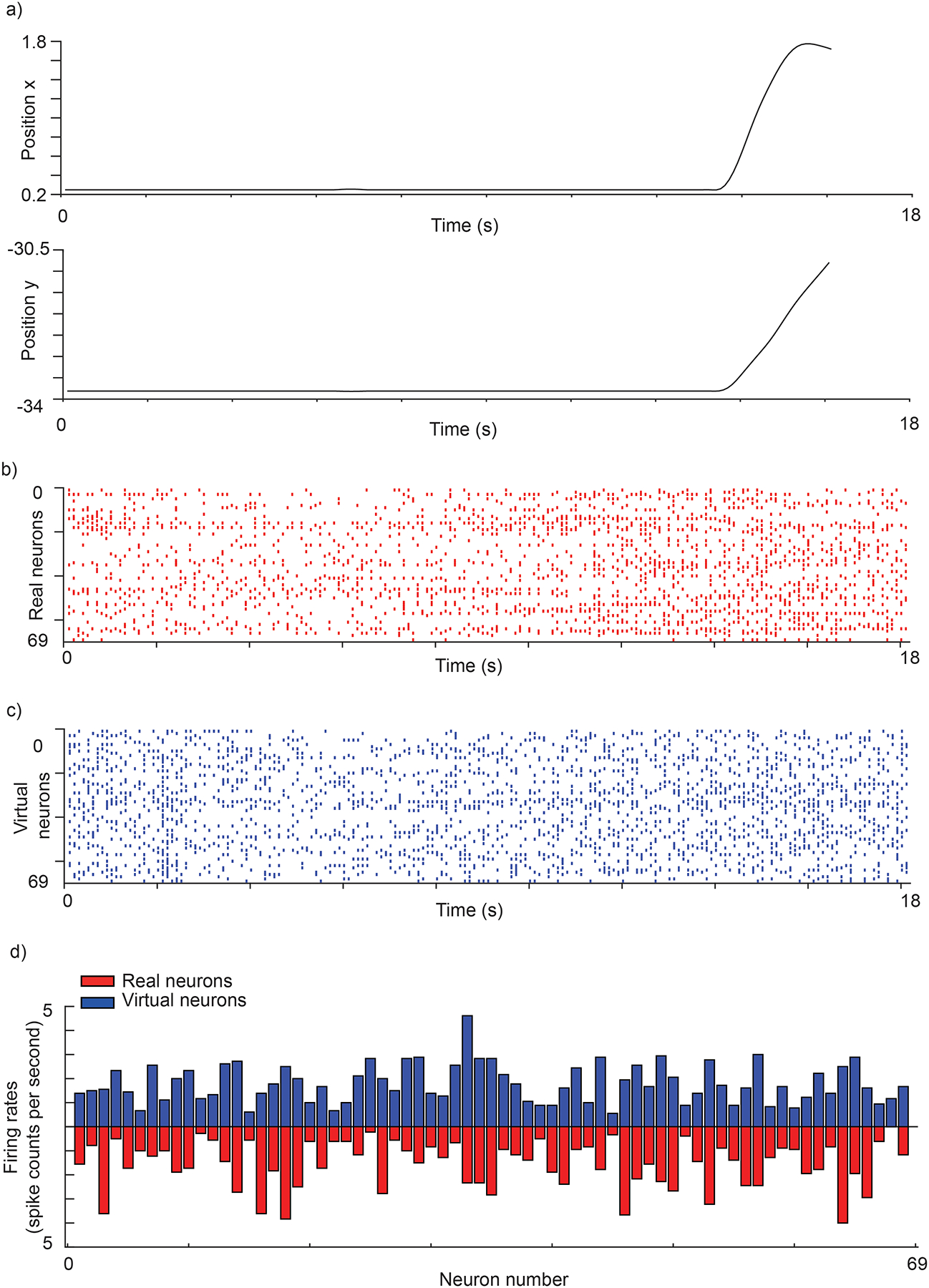
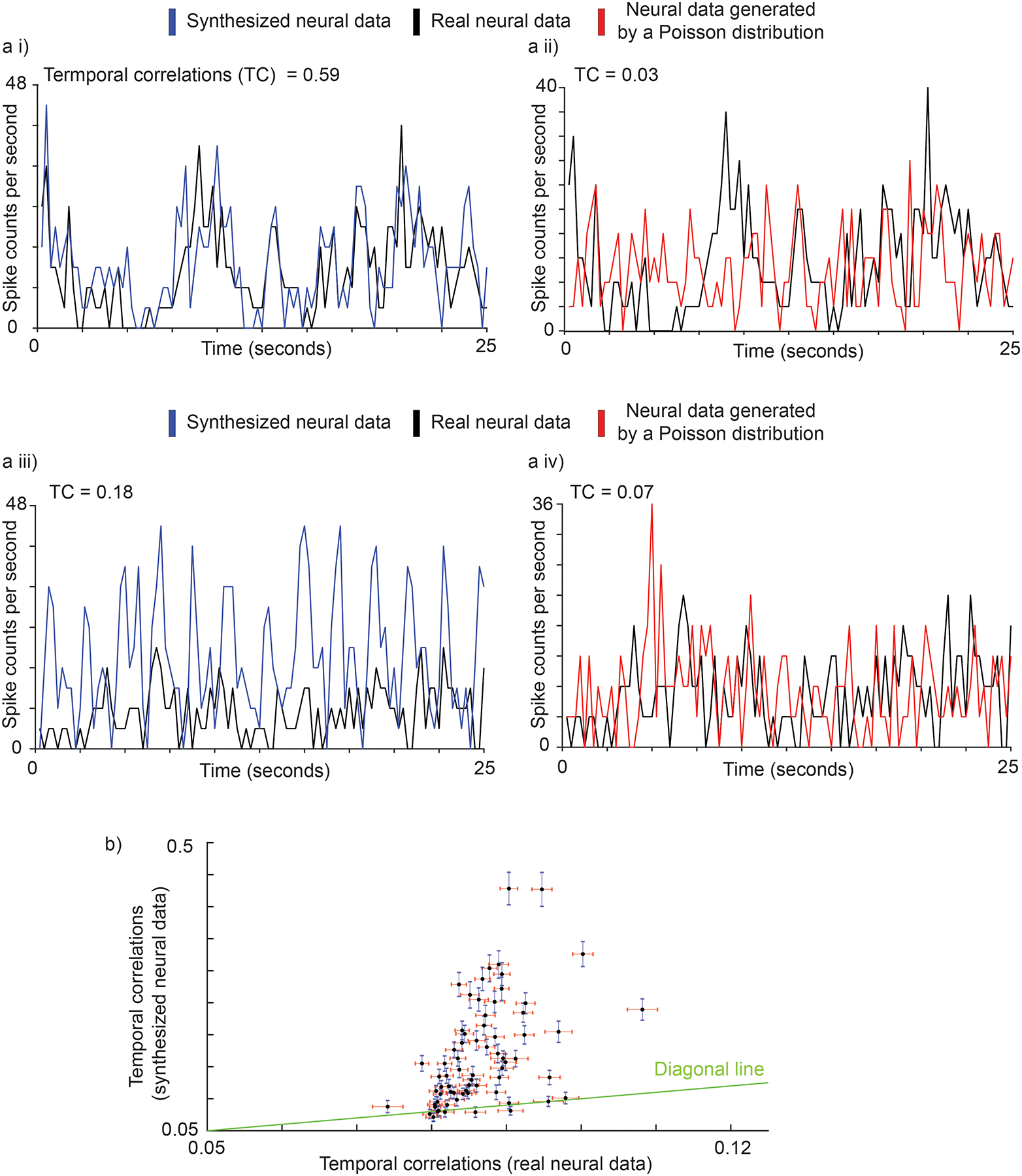
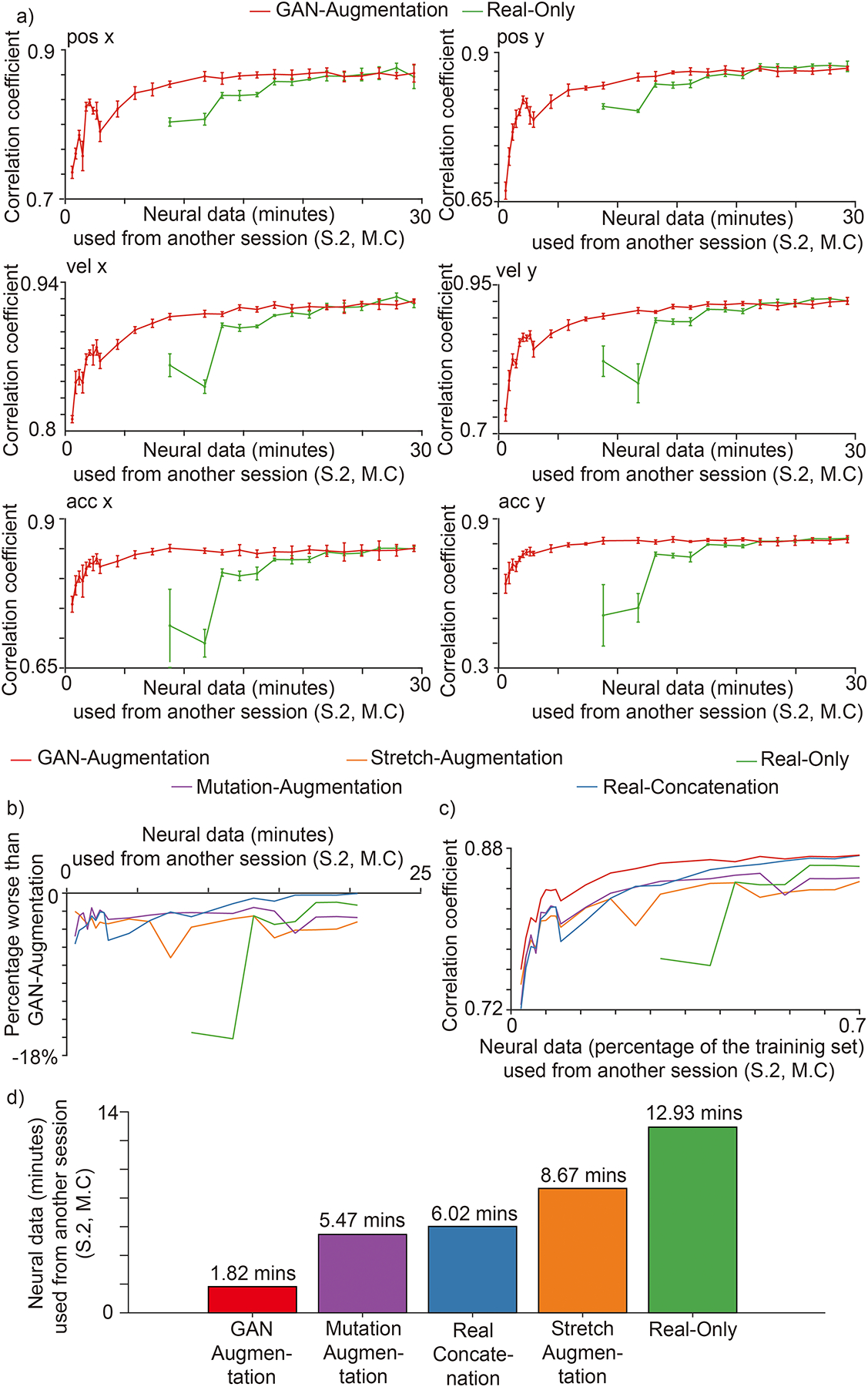
For brain-computer interfaces (BCIs), obtaining sufficient training data for algorithms that map neural signals onto actions can be difficult, expensive or even impossible. Here we report the development and use of a generative model-a model that synthesizes a virtually unlimited number of new data distributions from a learned data distribution-that learns mappings between hand kinematics and the associated neural spike trains. The generative spike-train synthesizer is trained on data from one recording session with a monkey performing a reaching task and can be rapidly adapted to new sessions or monkeys by using limited additional neural data. We show that the model can be adapted to synthesize new spike trains, accelerating the training and improving the generalization of BCI decoders. The approach is fully data-driven, and hence, applicable to applications of BCIs beyond motor control.
对于脑机接口 (BCI) 来说,获得可将神经信号映射到动作的算法的足够训练数据可能是困难的、昂贵的甚至是不可能的。在这里,我们报告了生成模型的开发和使用,这是一种模型,可以从学习到的数据分布中合成数量几乎无限的新数据分布,从而学习手运动学和相关神经尖峰序列之间的映射。生成尖峰序列合成器是在一只猴子执行伸展任务的一个记录会话的数据上进行训练的,可以通过使用有限的额外神经数据快速适应新的会话或猴子。我们表明,该模型可以适应新尖峰序列的合成,从而加速 BCI 解码器的训练和提高泛化能力。该方法完全是数据驱动的,因此适用于超越运动控制的 BCI 应用。