Farahani Masoumeh, Niknam Zahra, Mohammadi Amirabad Leila, Amiri-Dashatan Nasrin, Koushki Mehdi, Nemati Mohadeseh, Danesh Pouya Fahima, Rezaei-Tavirani Mostafa, Rasmi Yousef, Tayebi Lobat
Proteomics Research Center, Shahid Beheshti University of Medical Sciences, Tehran, Iran.
Marquette University School of Dentistry, Milwaukee, WI 53233, USA.
Biomed Pharmacother. 2022 Jan;145:112420. doi: 10.1016/j.biopha.2021.112420. Epub 2021 Nov 12.
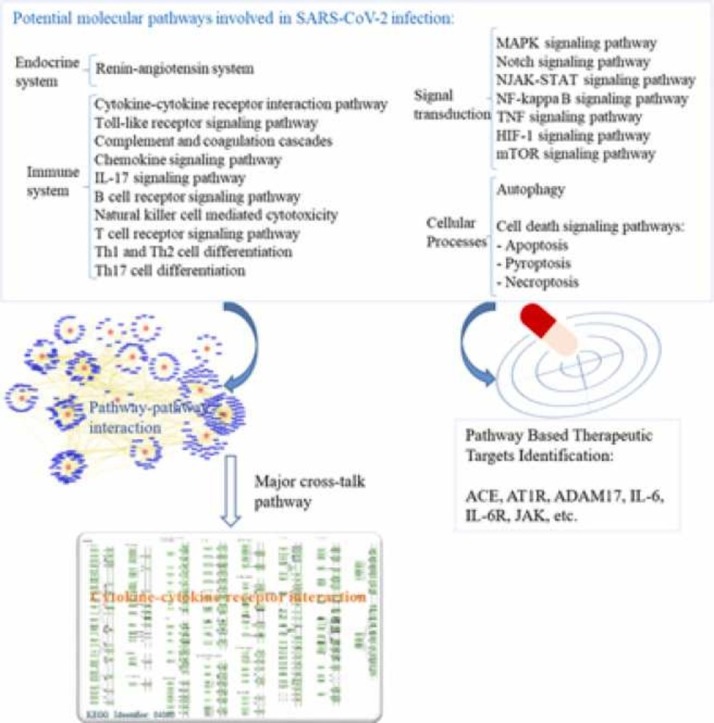
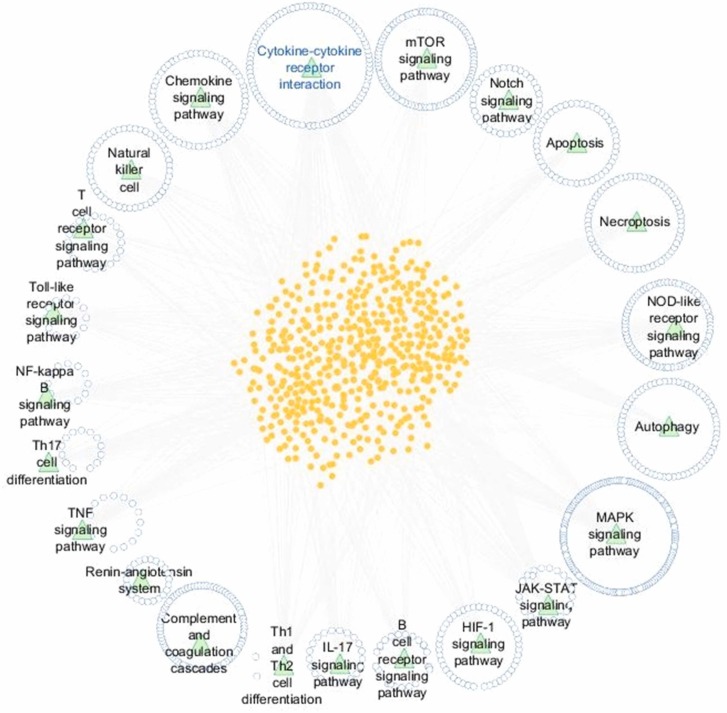
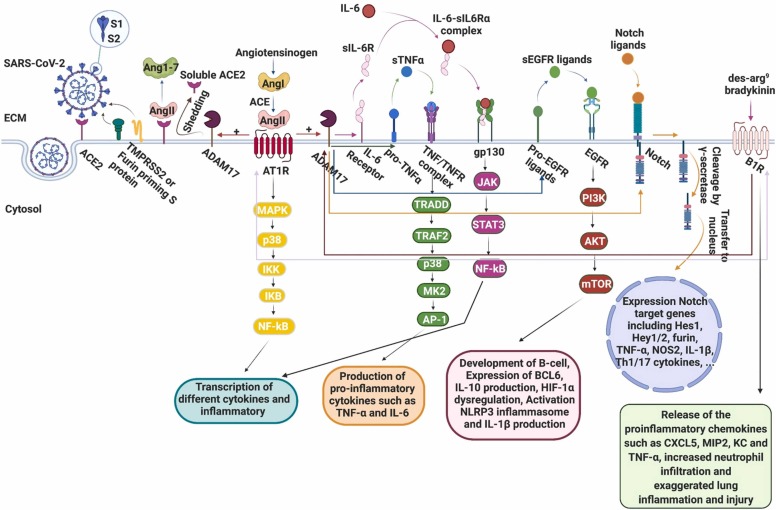
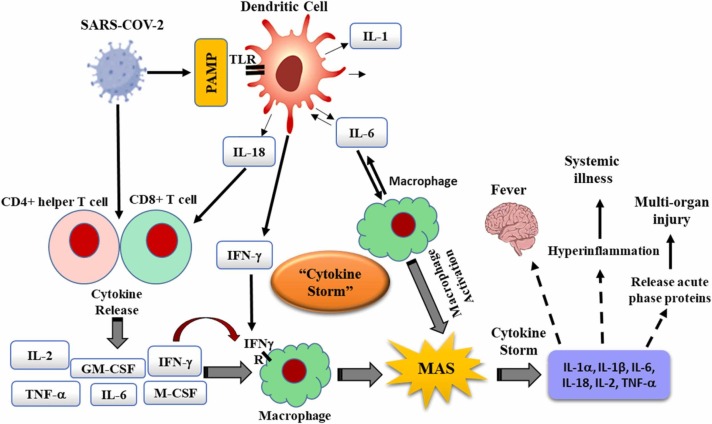
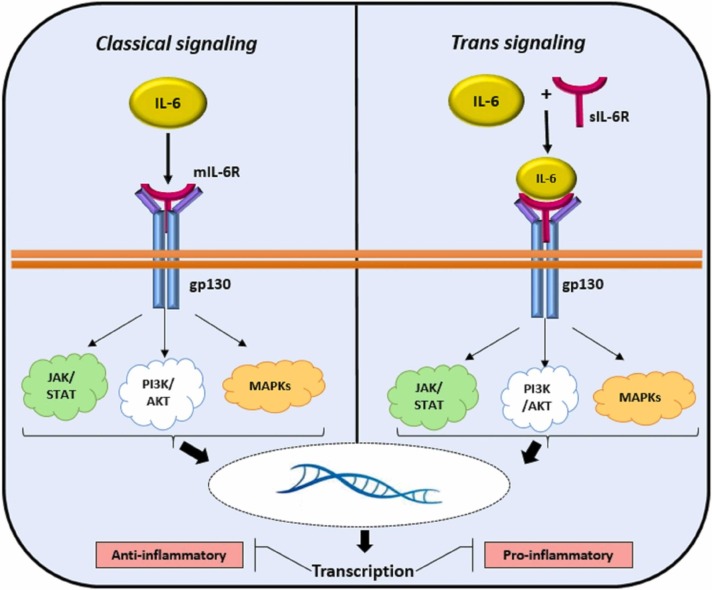
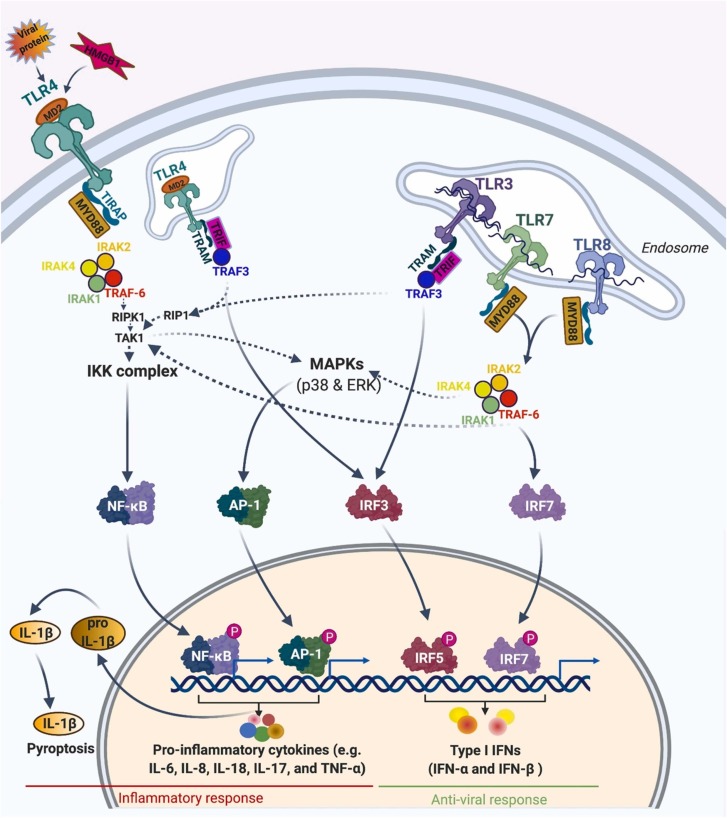
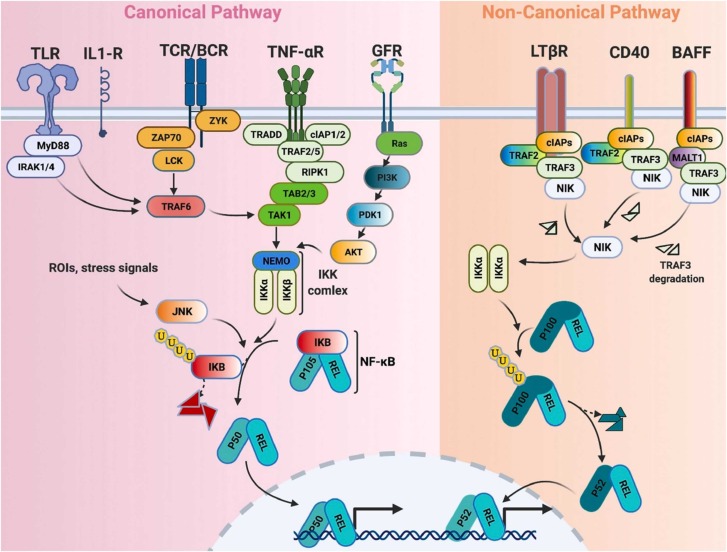
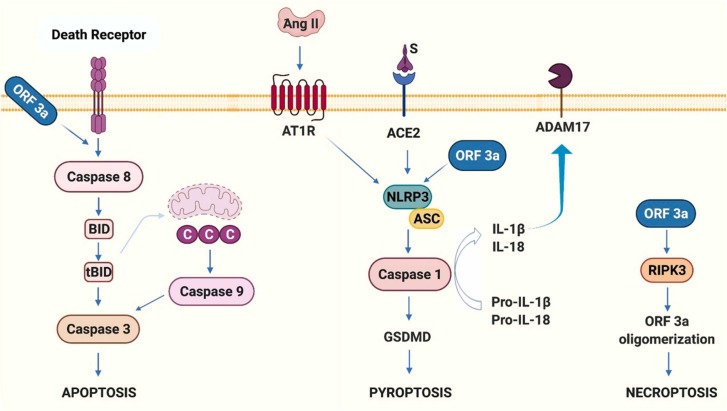
Deciphering the molecular downstream consequences of severe acute respiratory syndrome coronavirus (SARS-CoV)- 2 infection is important for a greater understanding of the disease and treatment planning. Furthermore, greater understanding of the underlying mechanisms of diagnostic and therapeutic strategies can help in the development of vaccines and drugs against COVID-19. At present, the molecular mechanisms of SARS-CoV-2 in the host cells are not sufficiently comprehended. Some of the mechanisms are proposed considering the existing similarities between SARS-CoV-2 and the other members of the β-CoVs, and others are explained based on studies advanced in the structure and function of SARS-CoV-2. In this review, we endeavored to map the possible mechanisms of the host response following SARS-CoV-2 infection and surveyed current research conducted by in vitro, in vivo and human observations, as well as existing suggestions. We addressed the specific signaling events that can cause cytokine storm and demonstrated three forms of cell death signaling following virus infection, including apoptosis, pyroptosis, and necroptosis. Given the elicited signaling pathways, we introduced possible pathway-based therapeutic targets; ADAM17 was especially highlighted as one of the most important elements of several signaling pathways involved in the immunopathogenesis of COVID-19. We also provided the possible drug candidates against these targets. Moreover, the cytokine-cytokine receptor interaction pathway was found as one of the important cross-talk pathways through a pathway-pathway interaction analysis for SARS-CoV-2 infection.
了解严重急性呼吸综合征冠状病毒(SARS-CoV)-2感染的分子下游后果对于更深入地理解该疾病和制定治疗计划至关重要。此外,更深入地了解诊断和治疗策略的潜在机制有助于开发针对COVID-19的疫苗和药物。目前,SARS-CoV-2在宿主细胞中的分子机制尚未得到充分理解。一些机制是基于SARS-CoV-2与其他β冠状病毒成员之间现有的相似性提出的,而其他机制则是基于对SARS-CoV-2结构和功能的研究进展来解释的。在这篇综述中,我们努力梳理SARS-CoV-2感染后宿主反应的可能机制,并调查了目前通过体外、体内和人体观察进行的研究以及现有建议。我们阐述了可能导致细胞因子风暴的特定信号事件,并展示了病毒感染后的三种细胞死亡信号形式,包括凋亡、焦亡和坏死性凋亡。鉴于引发的信号通路,我们介绍了基于通路的可能治疗靶点;ADAM17作为参与COVID-19免疫发病机制的几种信号通路中最重要的元素之一被特别强调。我们还提供了针对这些靶点的可能候选药物。此外,通过对SARS-CoV-2感染的通路-通路相互作用分析,发现细胞因子-细胞因子受体相互作用通路是重要的相互作用通路之一。