Department of Electrical and Computer Engineering, Technical University Munich, Arcisstraße 21, 80333, München, Germany.
Paderborn University, Warburger Str. 100, 33098, Paderborn, Germany.
Comput Biol Med. 2022 Feb;141:105049. doi: 10.1016/j.compbiomed.2021.105049. Epub 2021 Nov 20.
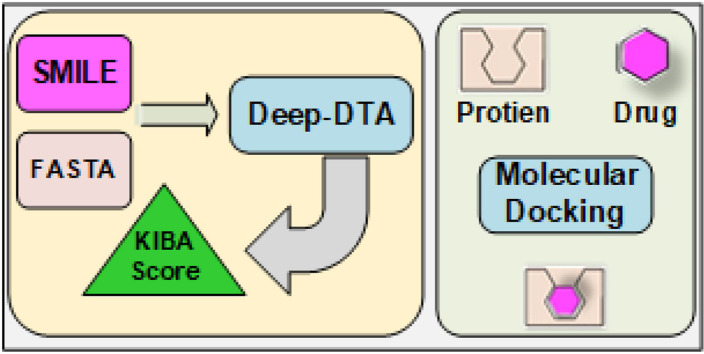
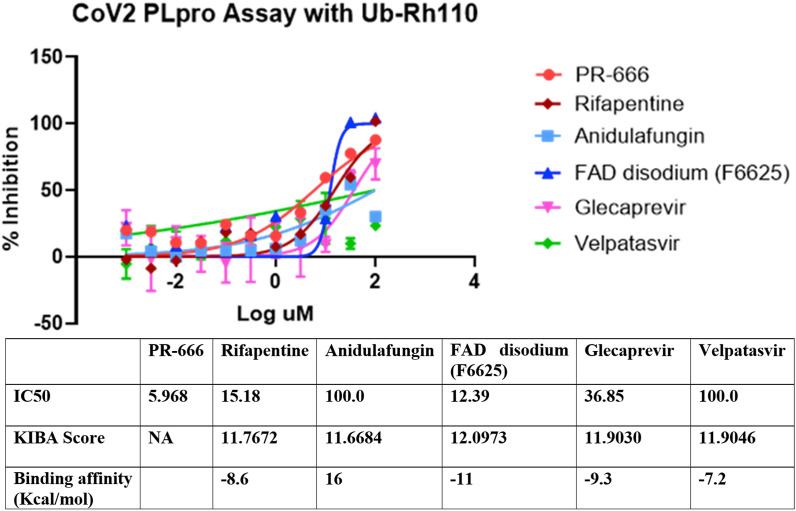
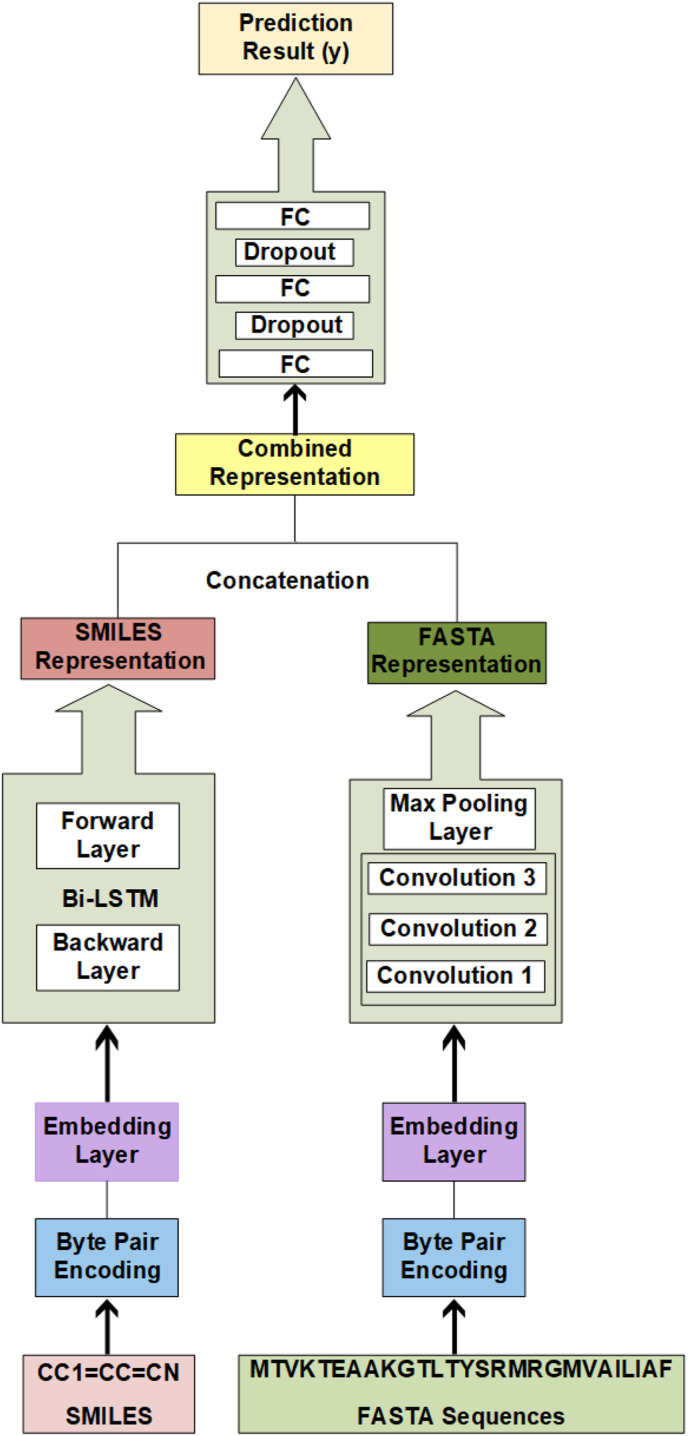
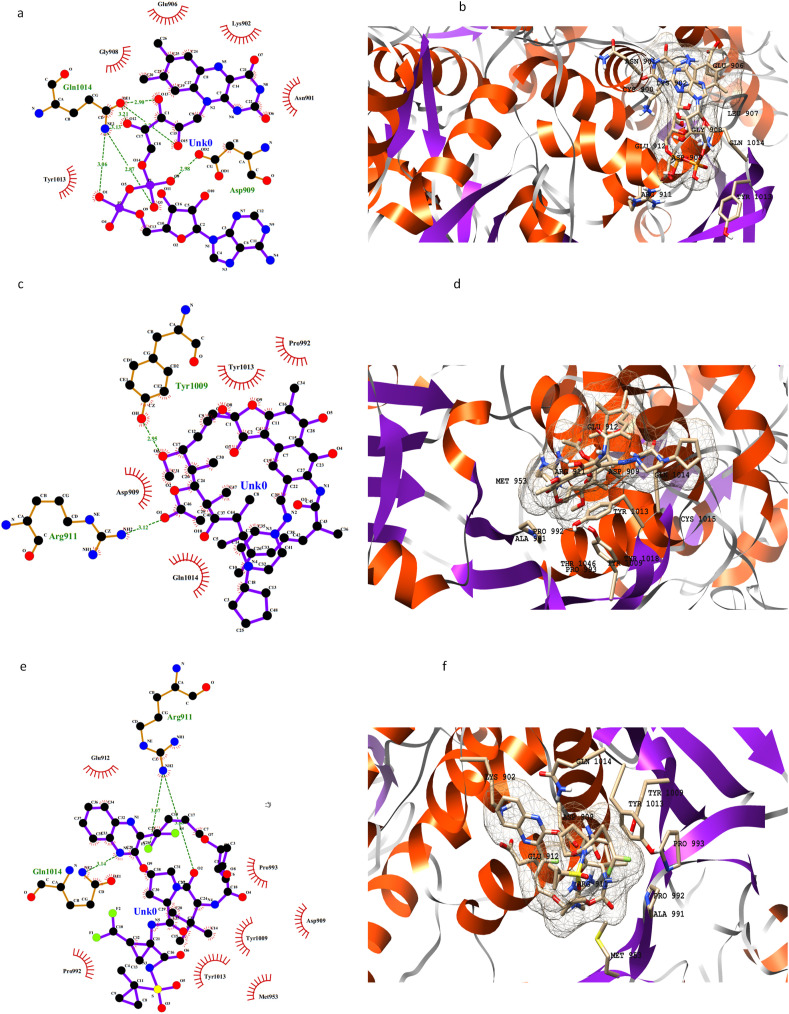
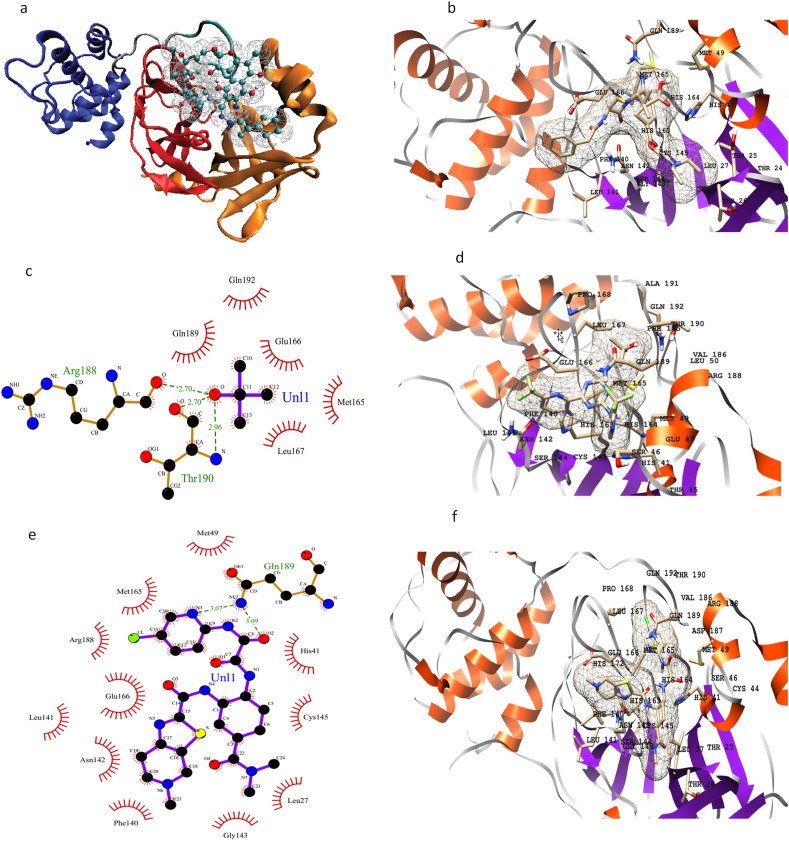
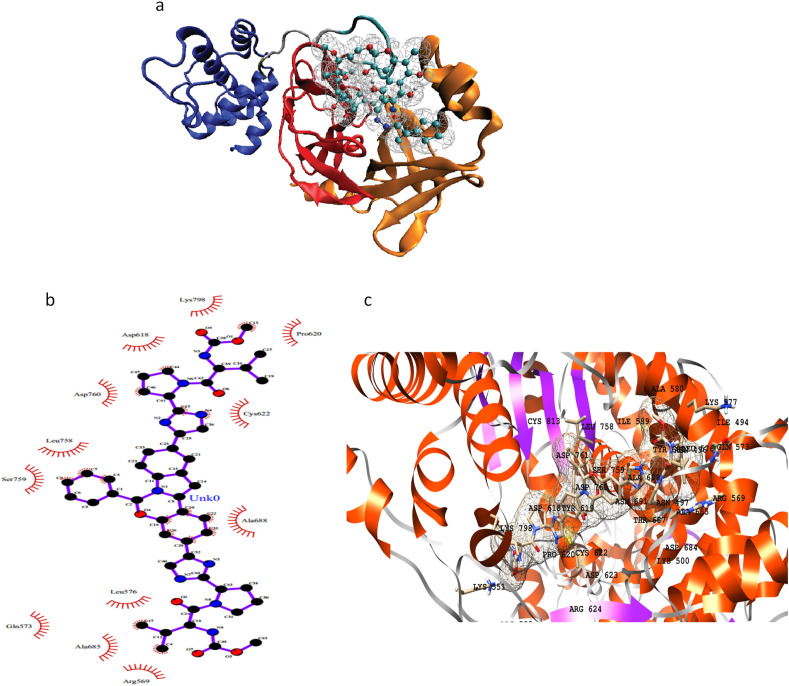
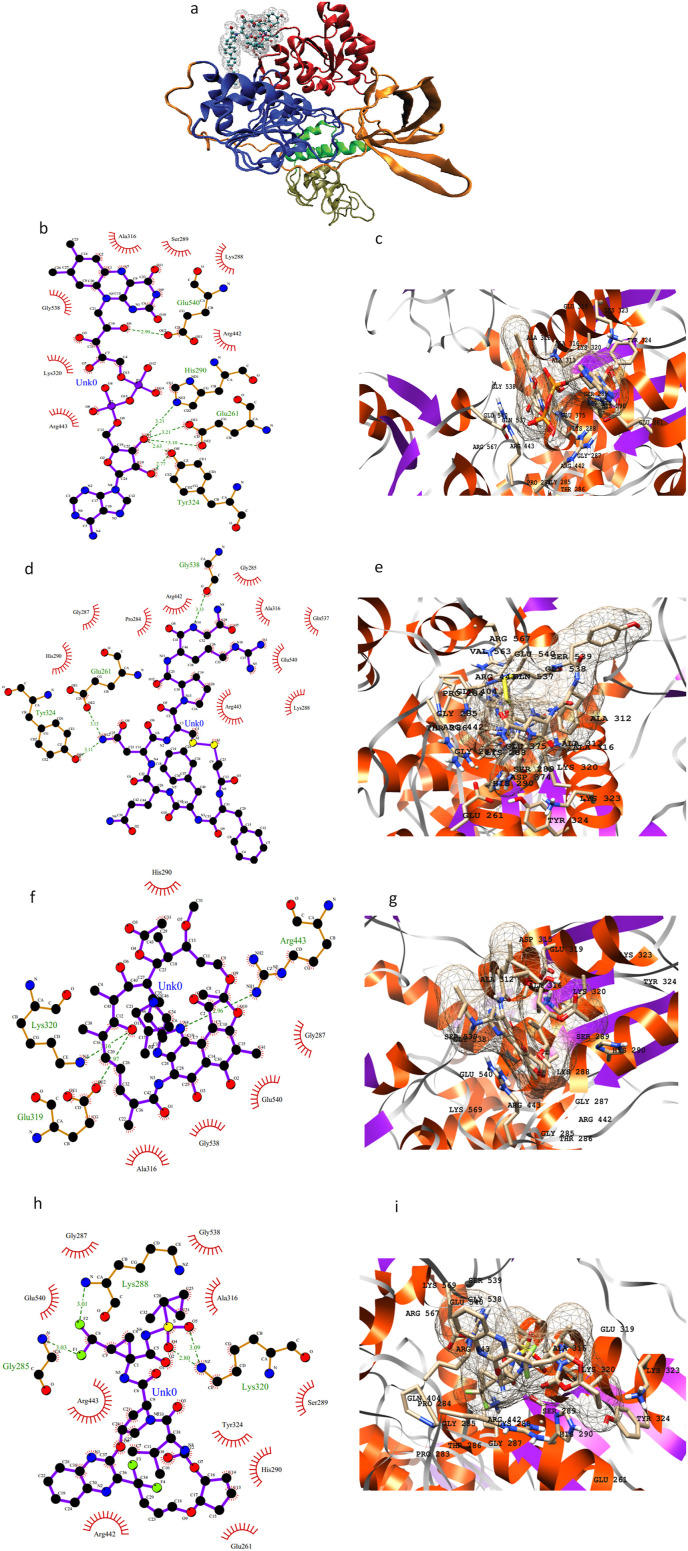
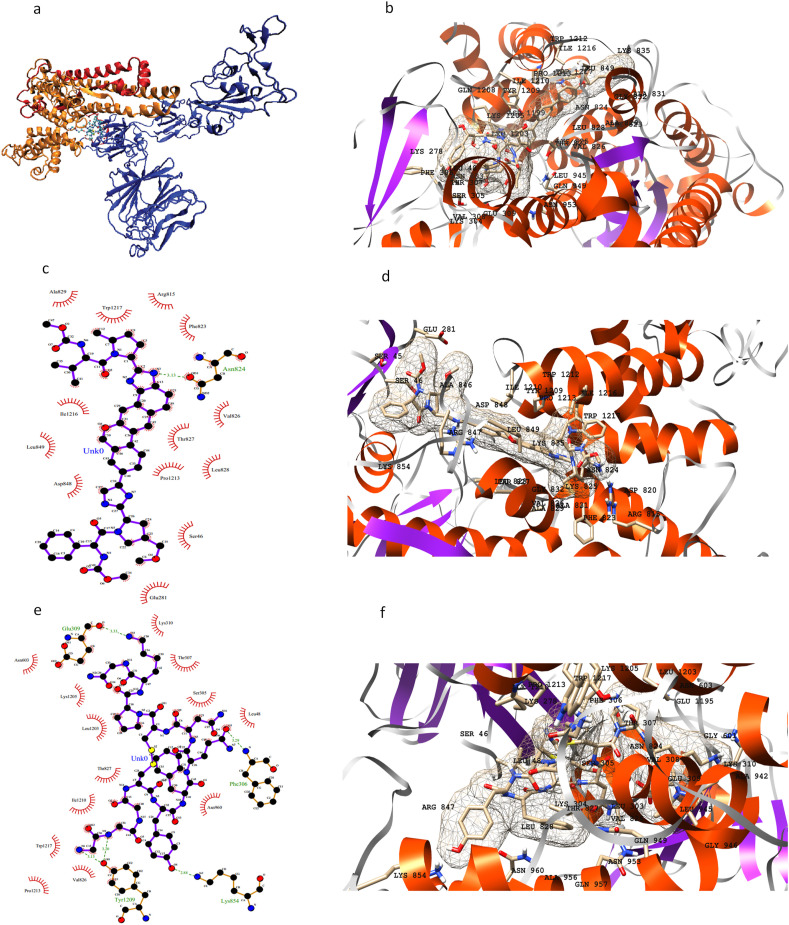
The ongoing pandemic of Coronavirus Disease 2019 (COVID-19) has posed a serious threat to global public health. Drug repurposing is a time-efficient approach to finding effective drugs against SARS-CoV-2 in this emergency. Here, we present a robust experimental design combining deep learning with molecular docking experiments to identify the most promising candidates from the list of FDA-approved drugs that can be repurposed to treat COVID-19. We have employed a deep learning-based Drug Target Interaction (DTI) model, called DeepDTA, with few improvements to predict drug-protein binding affinities, represented as KIBA scores, for 2440 FDA-approved and 8168 investigational drugs against 24 SARS-CoV-2 viral proteins. FDA-approved drugs with the highest KIBA scores were selected for molecular docking simulations. We ran around 50,000 docking simulations for 168 selected drugs against 285 total predicted and/or experimentally proven active sites of all 24 SARS-CoV-2 viral proteins. A list of 49 most promising FDA-approved drugs with the best consensus KIBA scores and binding affinity values against selected SARS-CoV-2 viral proteins was generated. Most importantly, 16 drugs including anidulafungin, velpatasvir, glecaprevir, rifapentine, flavin adenine dinucleotide (FAD), terlipressin, and selinexor demonstrated the highest predicted inhibitory potential against key SARS-CoV-2 viral proteins. We further measured the inhibitory activity of 5 compounds (rifapentine, velpatasvir, glecaprevir, anidulafungin, and FAD disodium) on SARS-CoV-2 PLpro using Ubiquitin-Rhodamine 110 Gly fluorescent intensity assay. The highest inhibition of PLpro activity was seen with rifapentine (IC50: 15.18 μM) and FAD disodium (IC50: 12.39 μM), the drugs with high predicted KIBA scores and binding affinities.
持续的 2019 年冠状病毒病(COVID-19)大流行对全球公共卫生构成了严重威胁。在这种紧急情况下,药物再利用是寻找针对 SARS-CoV-2 的有效药物的一种高效方法。在这里,我们提出了一种强大的实验设计,结合深度学习和分子对接实验,从可用于治疗 COVID-19 的已批准 FDA 药物清单中确定最有前途的候选药物。我们采用了一种基于深度学习的药物靶标相互作用(DTI)模型,称为 DeepDTA,并进行了一些改进,以预测 2440 种已批准 FDA 和 8168 种研究性药物与 24 种 SARS-CoV-2 病毒蛋白的药物-蛋白结合亲和力,用 KIBA 评分表示。具有最高 KIBA 评分的已批准 FDA 药物被选为分子对接模拟。我们针对所有 24 种 SARS-CoV-2 病毒蛋白的 285 个总预测和/或实验证明的活性部位,对 168 种选定药物进行了约 50000 次对接模拟。生成了一份针对选定 SARS-CoV-2 病毒蛋白具有最佳共识 KIBA 评分和结合亲和力值的 49 种最有前途的已批准 FDA 药物清单。最重要的是,包括 anidulafungin、velpatasvir、glecaprevir、rifapentine、黄素腺嘌呤二核苷酸(FAD)、terlipressin 和 selinexor 在内的 16 种药物对关键 SARS-CoV-2 病毒蛋白表现出最高的预测抑制潜力。我们进一步使用泛素 - 罗丹明 110 甘氨酸荧光强度测定法测量了 5 种化合物(rifapentine、velpatasvir、glecaprevir、anidulafungin 和 FAD 二钠盐)对 SARS-CoV-2 PLpro 的抑制活性。rifapentine(IC50:15.18 μM)和 FAD 二钠盐(IC50:12.39 μM)对 PLpro 活性的抑制作用最强,这两种药物的 KIBA 评分和结合亲和力都很高。