Gonçalves Ana C, Flores-Félix José D, Costa Ana R, Falcão Amílcar, Alves Gilberto, Silva Luís R
CICS-UBI-Health Sciences Research Centre, University of Beira Interior, 6201-506 Covilhã, Portugal.
CIBIT-Coimbra Institute for Biomedical Imaging and Translational Research, University of Coimbra, 3000-548 Coimbra, Portugal.
Foods. 2021 Oct 29;10(11):2623. doi: 10.3390/foods10112623.
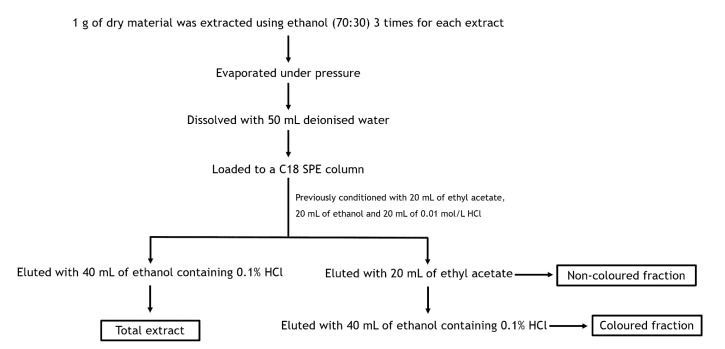
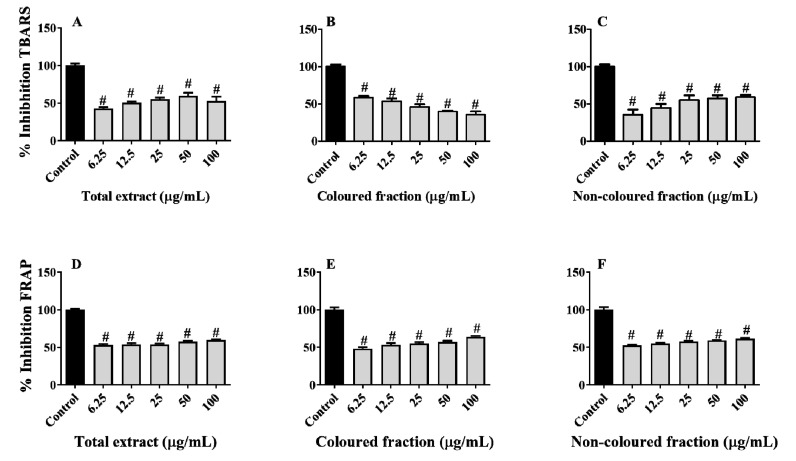
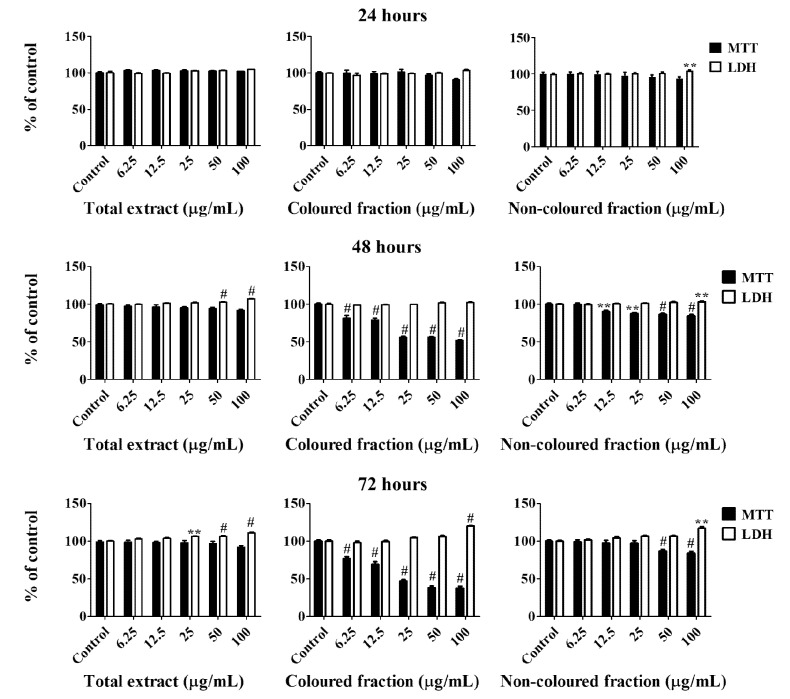
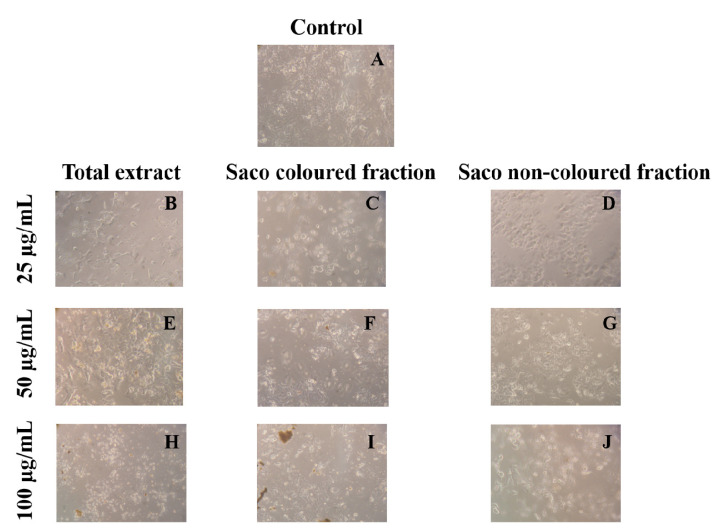
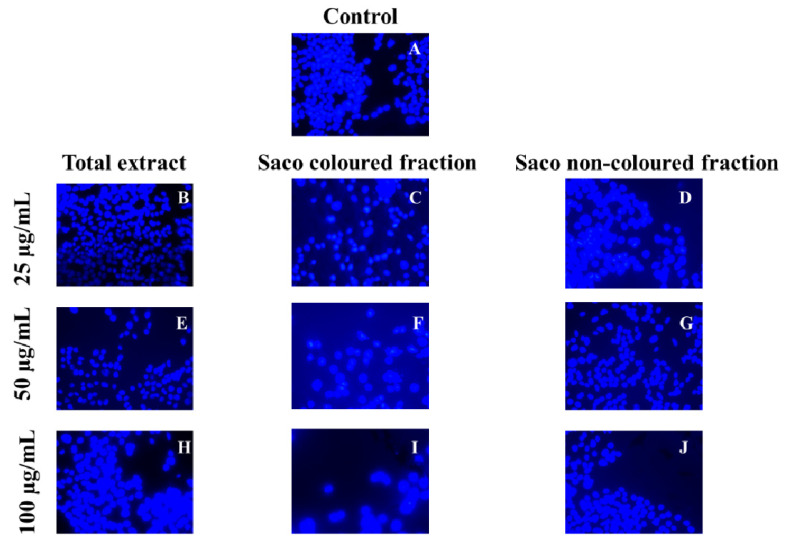
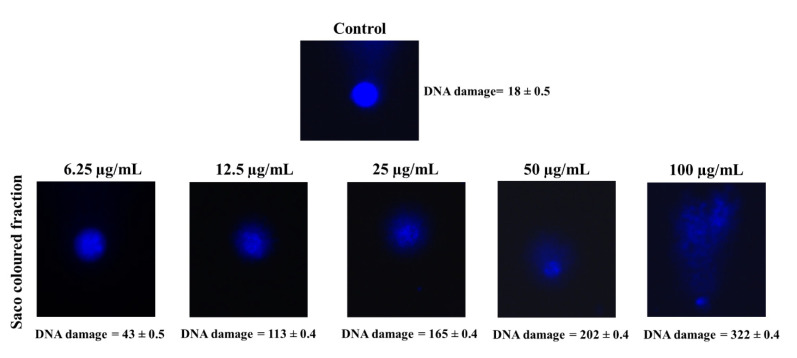
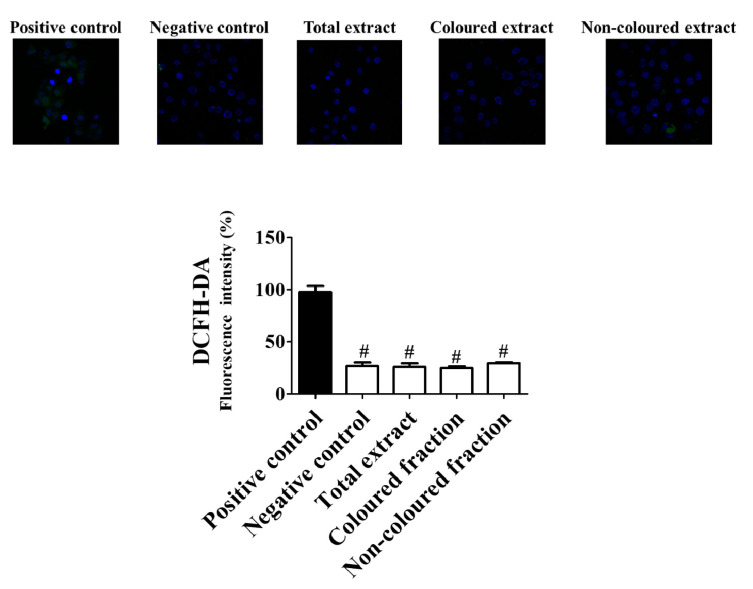
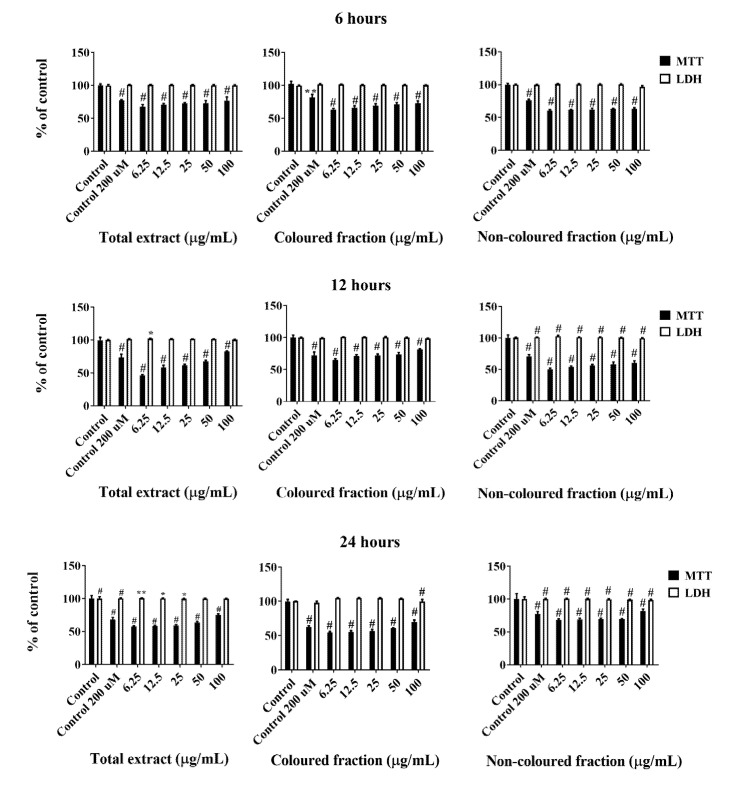
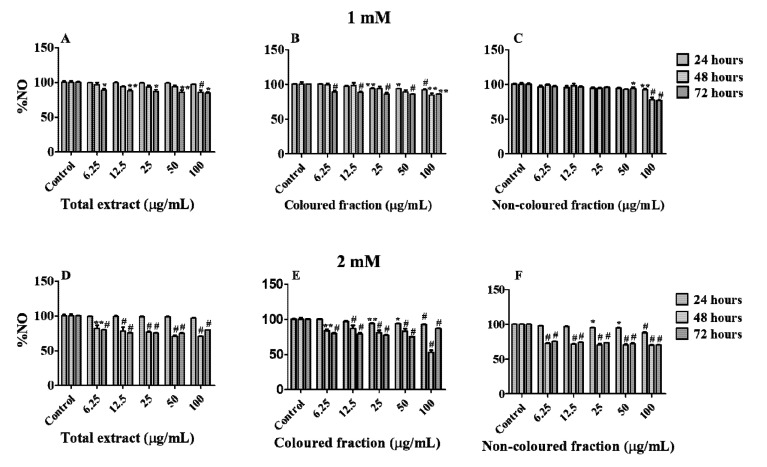
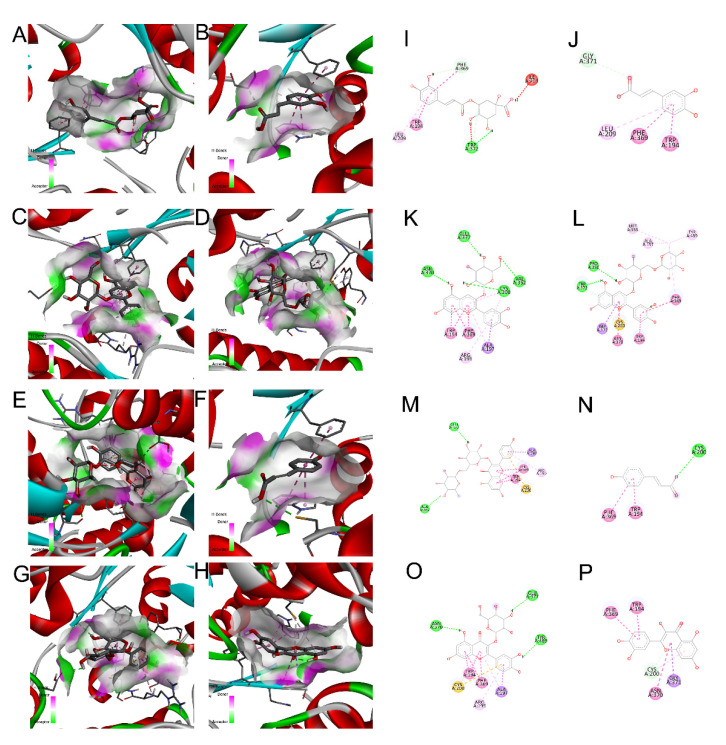
Cancer is the second cause of death worldwide. Among cancers, hepatocellular carcinoma is one of the most prevalent. Evidence indicates that the daily consumption of fruits and vegetables can prevent the onset of various cancers due to the presence of bioactive compounds. Sweet cherries are known for their richness in phenolics, including anthocyanins, which are the major constituents, and presumably, the key contributors to their biological activity. Therefore, the present study aimed to evaluate the effects of three different cherry fractions on human hepatocellular carcinoma (HepG2) cells viability and effectiveness to improve the redox status of these cells under oxidative damage induced by nitric oxide radicals and hydrogen peroxide. Phenolic characterization of fractions was performed by Fourier transform infrared spectroscopy. The obtained results indicated that enriched phenolic fractions of sweet cherries (cv. Saco, can impair cell viability and suppress cells growth after 72 h of exposure, promoting necrosis at the highest tested concentrations (>50 µg/mL). Additionally, fractions also showed the capacity to protect these cells against oxidative injury by capturing radicals before they can attack cells' membrane and by modulating reactive oxygen and nitrogen species generation, as demonstrated by bioinformatic tools.
癌症是全球第二大致死原因。在各类癌症中,肝细胞癌是最为常见的癌症之一。有证据表明,由于生物活性化合物的存在,日常食用水果和蔬菜可预防多种癌症的发生。甜樱桃以富含酚类物质而闻名,其中包括花青素,花青素是其主要成分,大概也是其生物活性的关键贡献者。因此,本研究旨在评估三种不同樱桃提取物对人肝癌(HepG2)细胞活力的影响,以及在一氧化氮自由基和过氧化氢诱导的氧化损伤下改善这些细胞氧化还原状态的效果。通过傅里叶变换红外光谱对提取物进行酚类表征。所得结果表明,甜樱桃(品种Saco)的富含酚类提取物在暴露72小时后会损害细胞活力并抑制细胞生长,在最高测试浓度(>50 µg/mL)时会促进细胞坏死。此外,正如生物信息工具所显示的,提取物还表现出通过在自由基攻击细胞膜之前捕获自由基以及调节活性氧和氮物种的生成来保护这些细胞免受氧化损伤的能力。