Paleczny Justyna, Junka Adam, Brożyna Malwina, Dydak Karolina, Oleksy-Wawrzyniak Monika, Ciecholewska-Juśko Daria, Dziedzic Ewelina, Bartoszewicz Marzenna
Department of Pharmaceutical Microbiology and Parasitology, Faculty of Pharmacy, Wroclaw Medical University, 50-556 Wroclaw, Poland.
Department of Microbiology and Biotechnology, Faculty of Biotechnology and Animal Husbandry, West Pomeranian University of Technology, 70-311 Szczecin, Poland.
Pathogens. 2021 Oct 26;10(11):1385. doi: 10.3390/pathogens10111385.
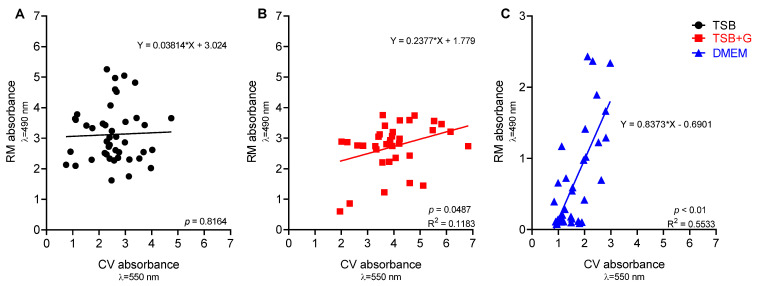
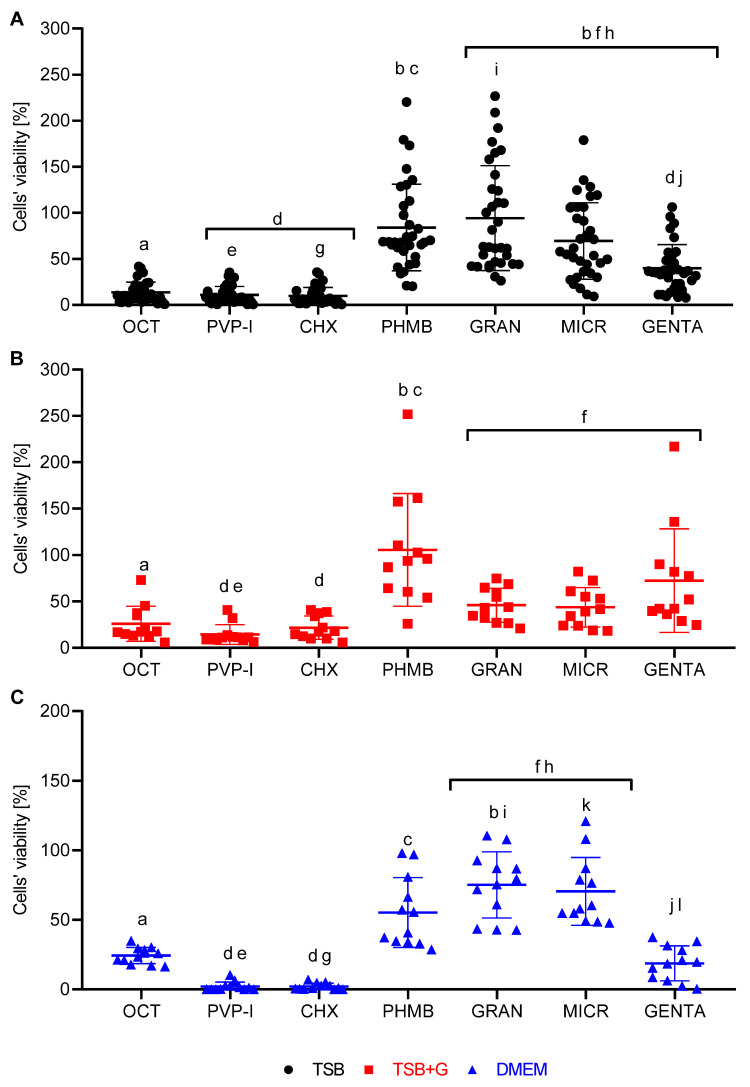
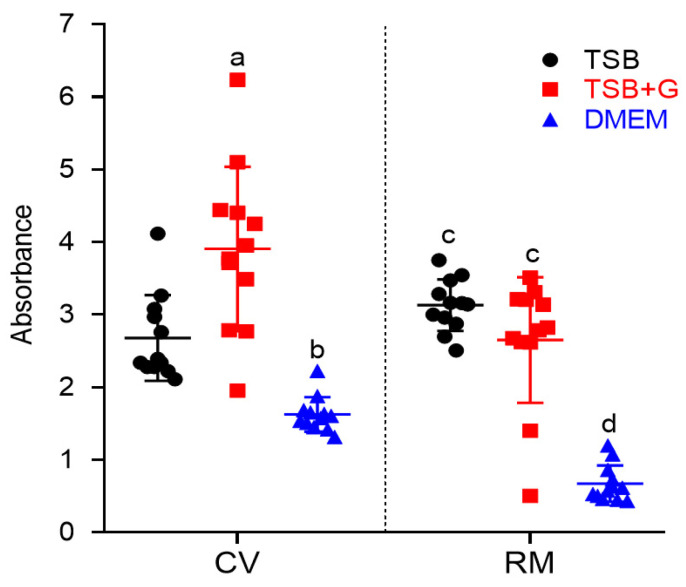
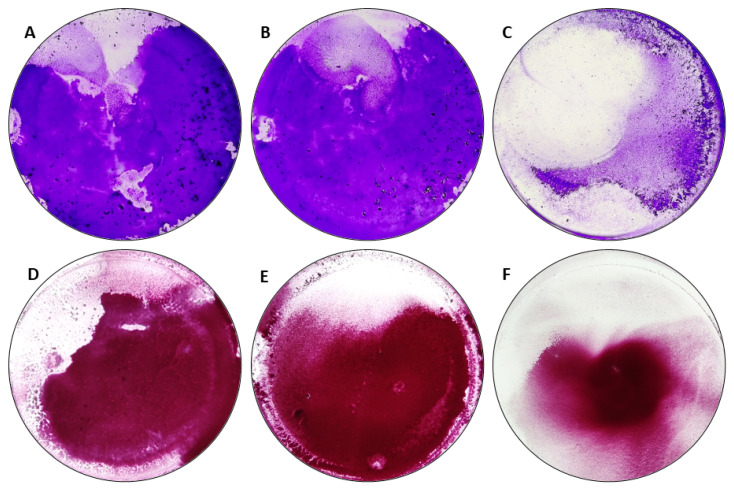
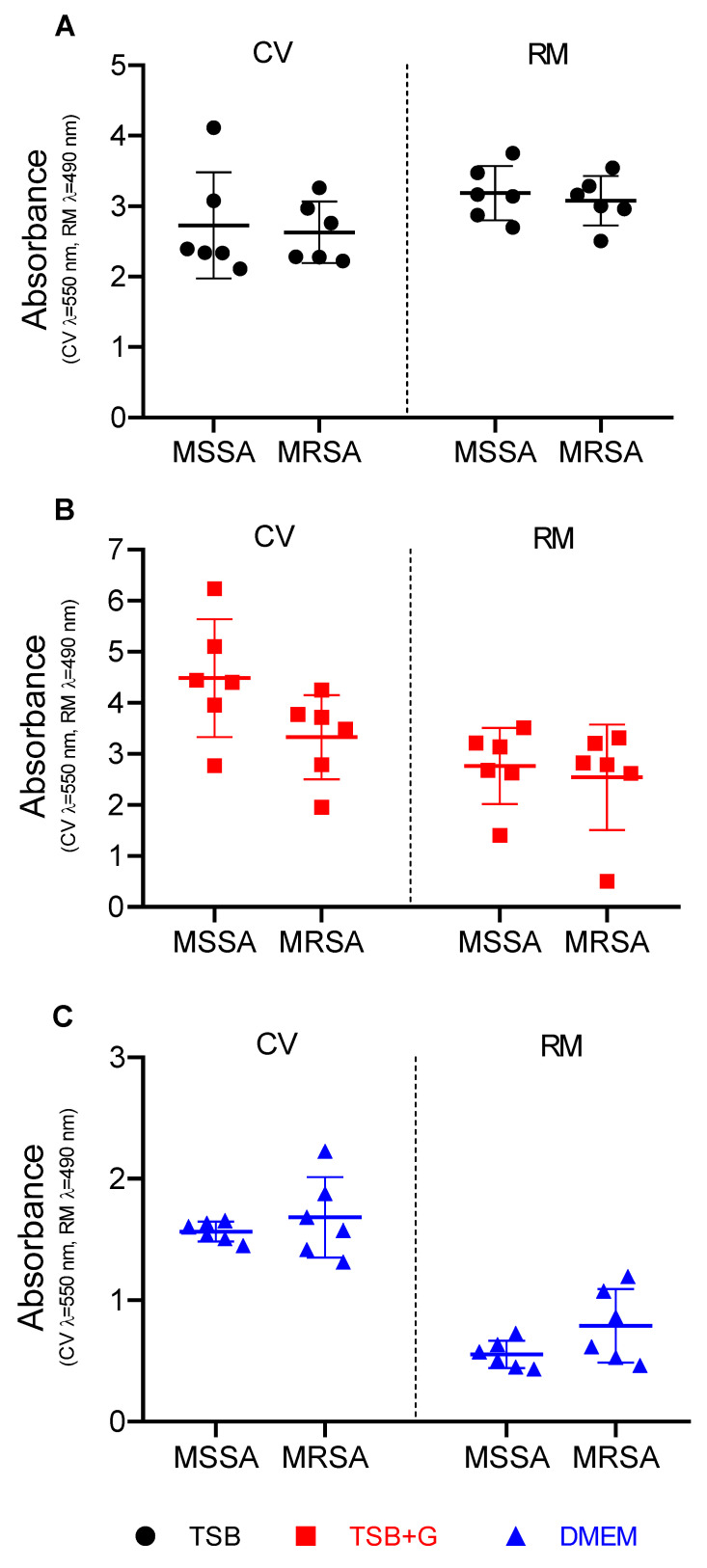
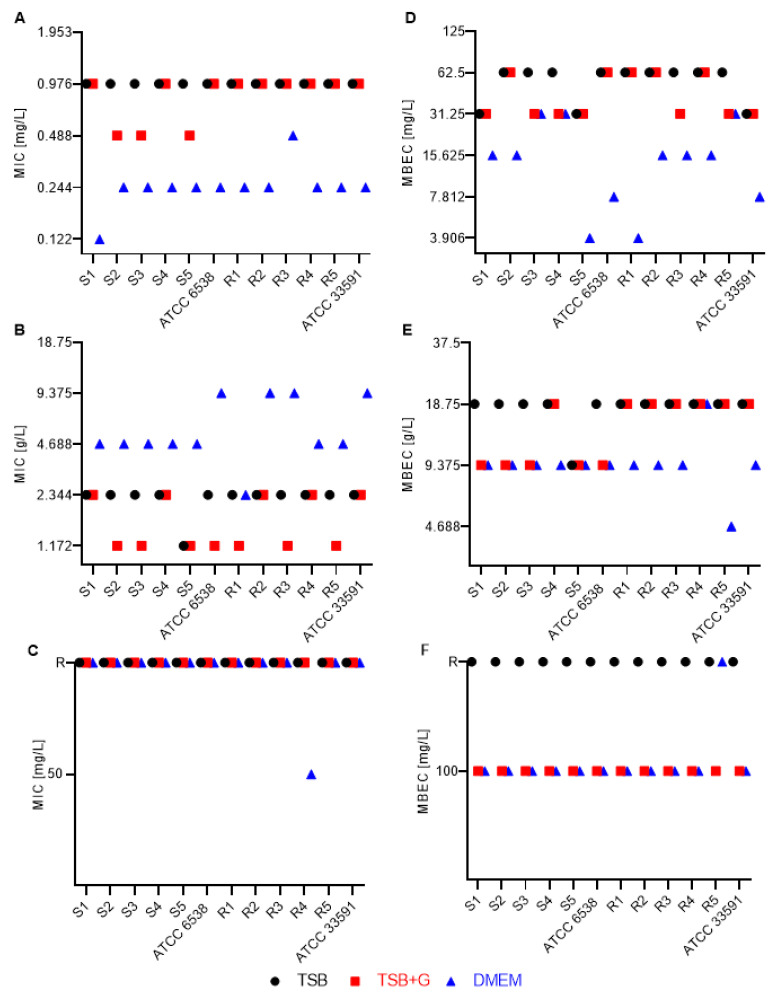
The staphylococcal biofilm-based infections of wounds still pose a significant therapeutical challenge. Treated improperly, they increase the risk of limb amputation or even death of the patient. The present algorithms of infected wound treatment include, among others, the application of antiseptic substances. In vitro wound biofilm models are applied in order to scrutinize their activity. In the present work, using a spectrum of techniques, we showed how the change of a single variable (medium composition) in the standard in vitro model translates not only to shift in staphylococcal biofilm features but also to the change of efficacy of clinically applied wound antimicrobials such as octenidine, polyhexamethylene biguanide, chlorhexidine, hypochlorite solutions, and locally applied gentamycin. The data presented in this study may be of a pivotal nature, taking into consideration the fact that results of in vitro analyses are frequently used to propagate application of specific antimicrobials in hospitals and ambulatory care units.
基于葡萄球菌生物膜的伤口感染仍然构成重大的治疗挑战。若治疗不当,会增加患者肢体截肢甚至死亡的风险。目前感染伤口的治疗方案包括使用抗菌物质等。体外伤口生物膜模型用于研究其活性。在本研究中,我们运用一系列技术,展示了标准体外模型中单一变量(培养基成分)的变化不仅会导致葡萄球菌生物膜特征的改变,还会使临床应用的伤口抗菌剂(如奥替尼啶、聚六亚甲基双胍、氯己定、次氯酸盐溶液和局部应用的庆大霉素)的疗效发生变化。考虑到体外分析结果经常被用于推广特定抗菌剂在医院和门诊护理单位的应用,本研究呈现的数据可能具有关键意义。