Er Simge, Laraib Ushna, Arshad Rabia, Sargazi Saman, Rahdar Abbas, Pandey Sadanand, Thakur Vijay Kumar, Díez-Pascual Ana M
Biochemistry Department, Faculty of Science, Ege University, Bornova-Izmir 35100, Turkey.
Department of Pharmacy, College of Pharmacy, University of Sargodha, Sargodha 40100, Pakistan.
Nanomaterials (Basel). 2021 Nov 8;11(11):3002. doi: 10.3390/nano11113002.
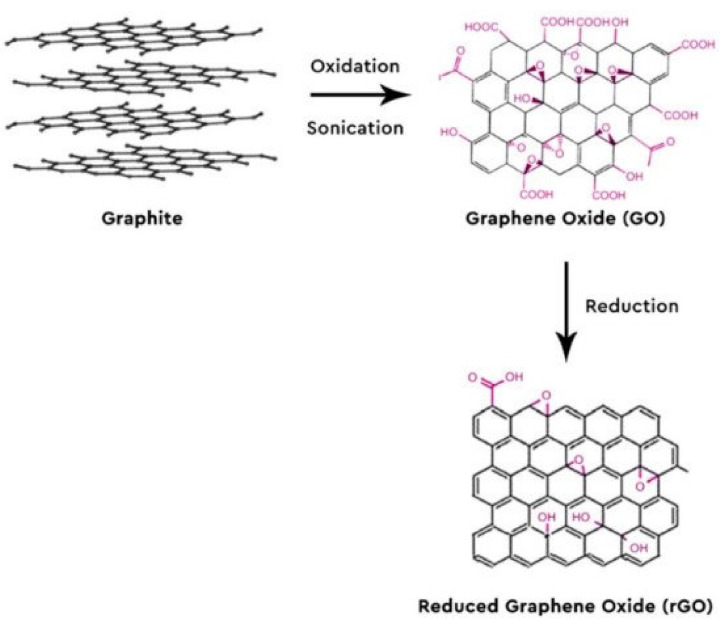
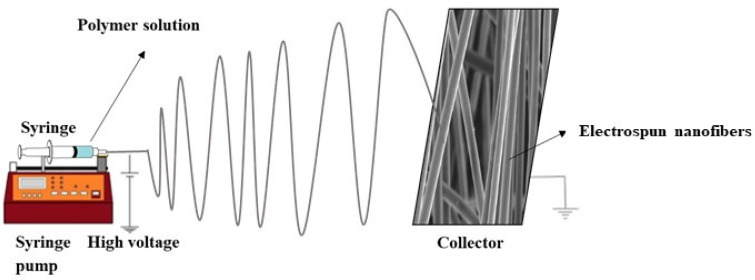
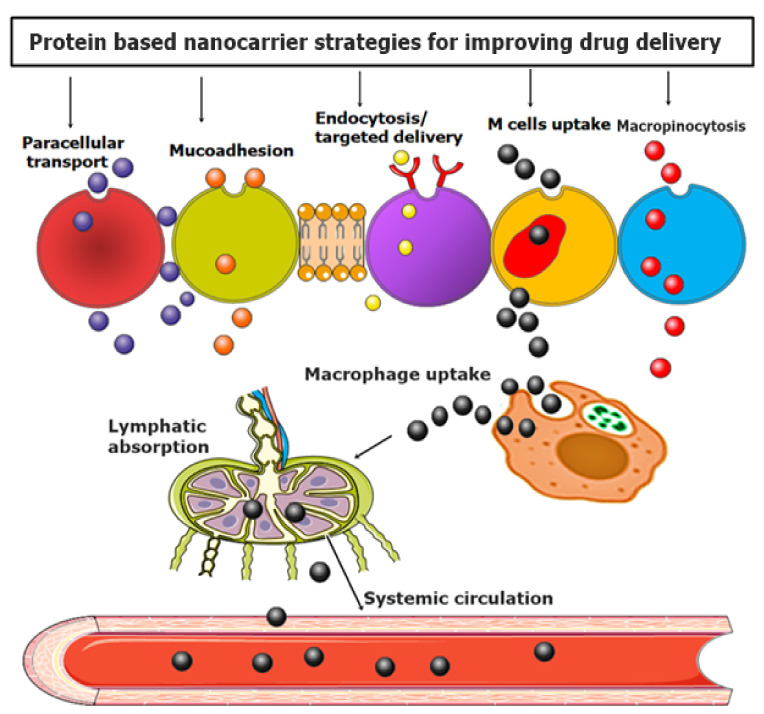
Over various scientific fields in biochemistry, amino acids have been highlighted in research works. Protein, peptide- and amino acid-based drug delivery systems have proficiently transformed nanotechnology via immense flexibility in their features for attaching various drug molecules and biodegradable polymers. In this regard, novel nanostructures including carbon nanotubes, electrospun carbon nanofibers, gold nanoislands, and metal-based nanoparticles have been introduced as nanosensors for accurate detection of these organic compounds. These nanostructures can bind the biological receptor to the sensor surface and increase the surface area of the working electrode, significantly enhancing the biosensor performance. Interestingly, protein-based nanocarriers have also emerged as useful drug and gene delivery platforms. This is important since, despite recent advancements, there are still biological barriers and other obstacles limiting gene and drug delivery efficacy. Currently available strategies for gene therapy are not cost-effective, and they do not deliver the genetic cargo effectively to target sites. With rapid advancements in nanotechnology, novel gene delivery systems are introduced as nonviral vectors such as protein, peptide, and amino acid-based nanostructures. These nano-based delivery platforms can be tailored into functional transformation using proteins and peptides ligands based nanocarriers, usually overexpressed in the specified diseases. The purpose of this review is to shed light on traditional and nanotechnology-based methods to detect amino acids, peptides, and proteins. Furthermore, new insights into the potential of amino protein-based nanoassemblies for targeted drug delivery or gene transfer are presented.
在生物化学的各个科学领域中,氨基酸在研究工作中一直备受关注。基于蛋白质、肽和氨基酸的药物递送系统通过其在连接各种药物分子和可生物降解聚合物方面的巨大灵活性,熟练地改变了纳米技术。在这方面,包括碳纳米管、电纺碳纳米纤维、金纳米岛和金属基纳米粒子在内的新型纳米结构已被引入作为纳米传感器,用于精确检测这些有机化合物。这些纳米结构可以将生物受体与传感器表面结合,并增加工作电极的表面积,从而显著提高生物传感器的性能。有趣的是,基于蛋白质的纳米载体也已成为有用的药物和基因递送平台。这一点很重要,因为尽管最近取得了进展,但仍然存在生物屏障和其他限制基因和药物递送效率的障碍。目前可用的基因治疗策略不具有成本效益,并且它们不能将遗传物质有效地递送到靶位点。随着纳米技术的迅速发展,新型基因递送系统作为非病毒载体被引入,如基于蛋白质、肽和氨基酸的纳米结构。这些基于纳米的递送平台可以使用基于蛋白质和肽配体的纳米载体进行功能改造,这些纳米载体通常在特定疾病中过表达。这篇综述的目的是阐明检测氨基酸、肽和蛋白质的传统方法和基于纳米技术的方法。此外,还介绍了基于氨基蛋白质的纳米组装体在靶向药物递送或基因转移方面潜力的新见解。