College of Horticulture and Landscape Architecture, Southwest University, Chongqing, 400716, China.
Institute of Fruit Tree Research, Guangdong Academy of Agricultural Sciences, Guangzhou, 510640, China.
BMC Plant Biol. 2021 Dec 1;21(1):565. doi: 10.1186/s12870-021-03326-6.
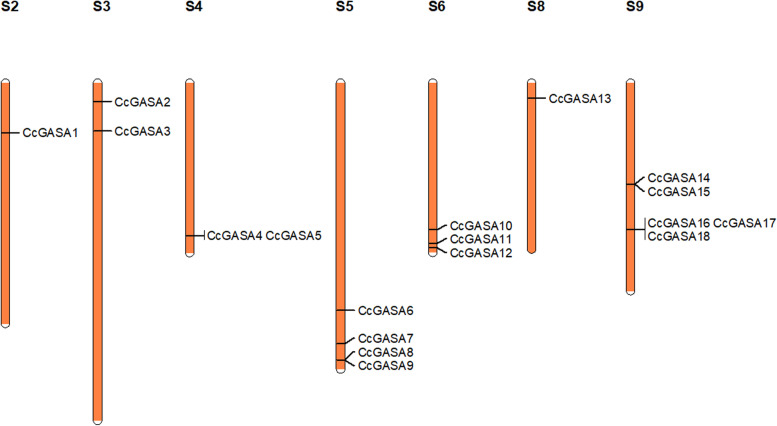
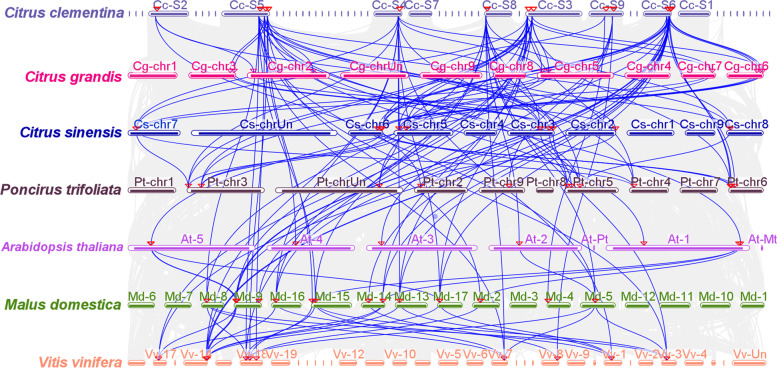
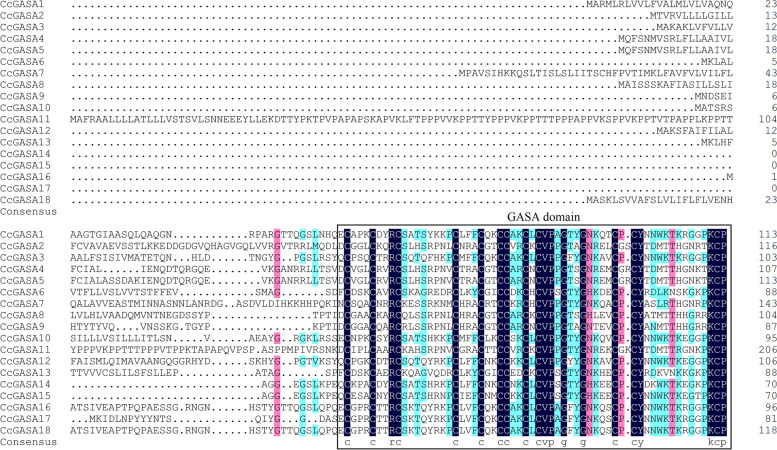
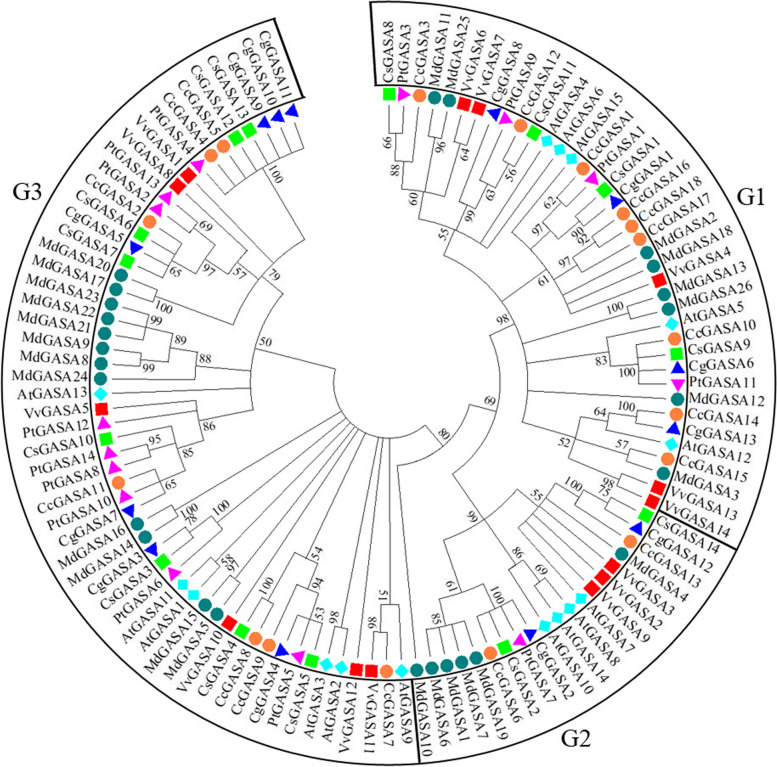
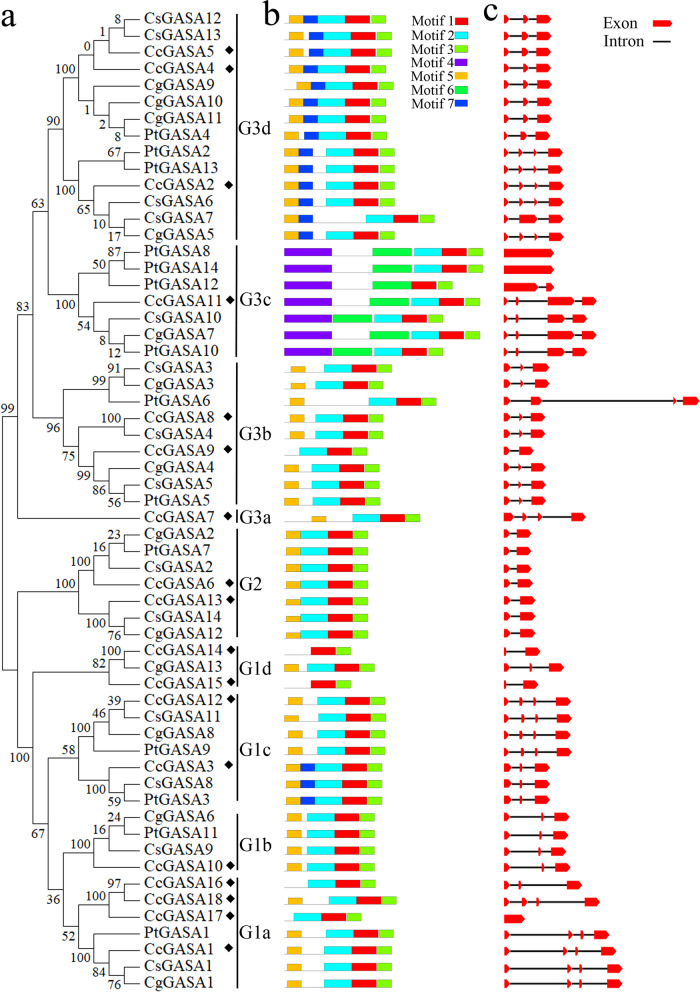
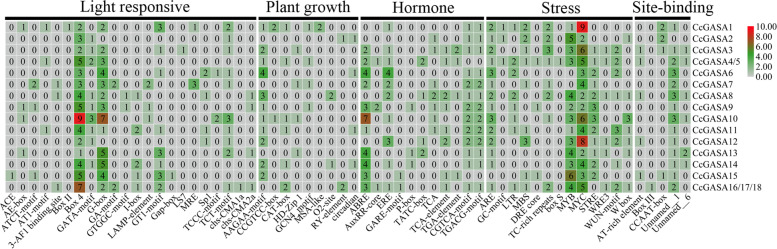
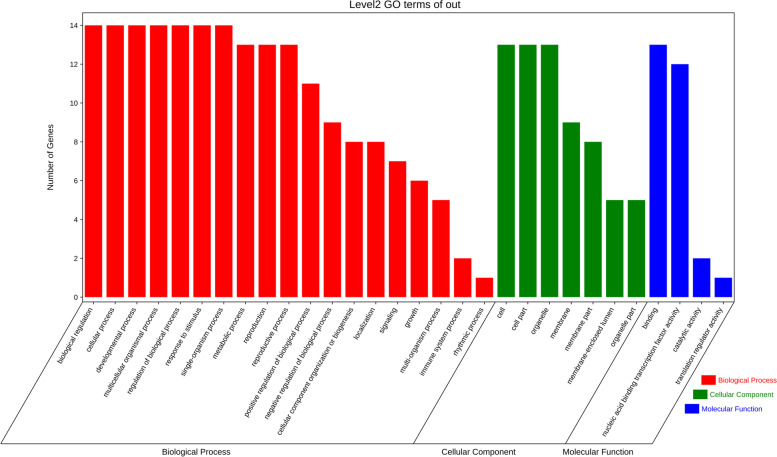
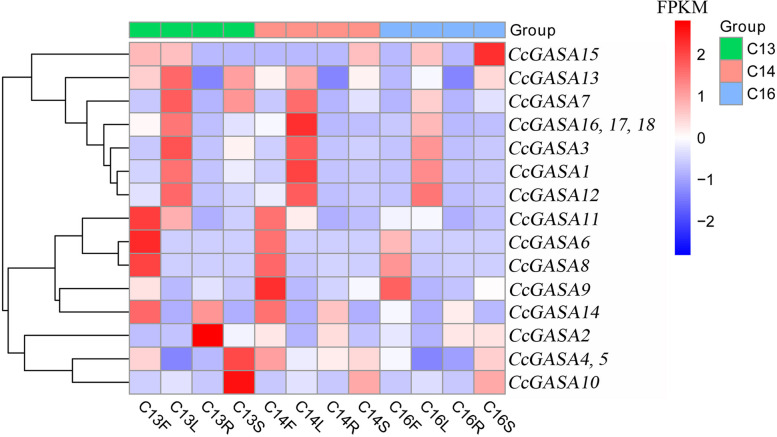
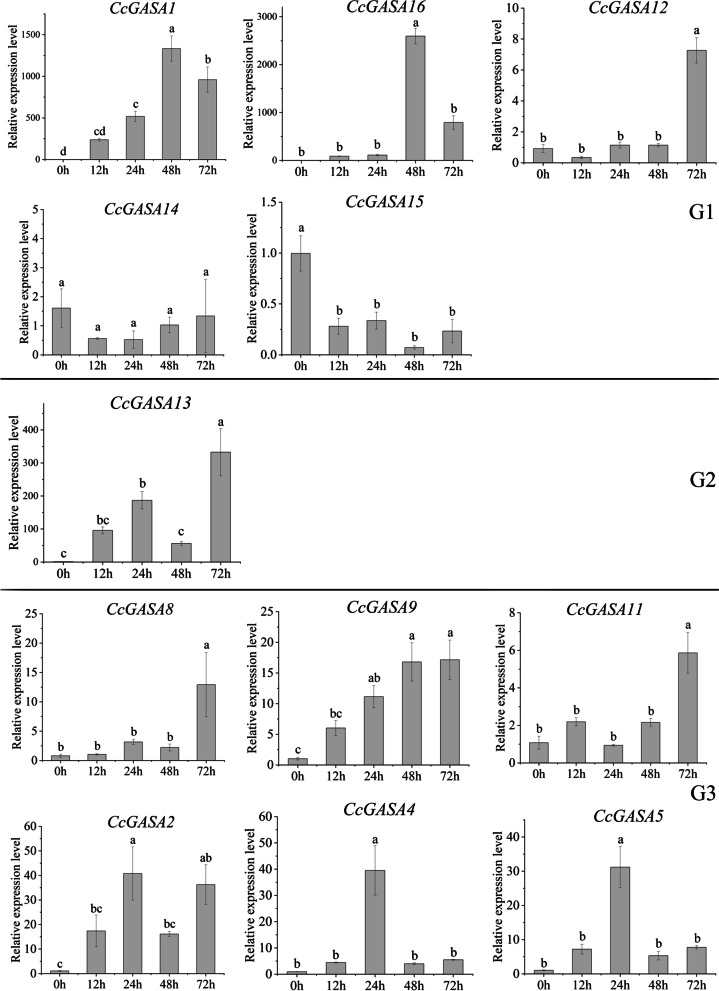
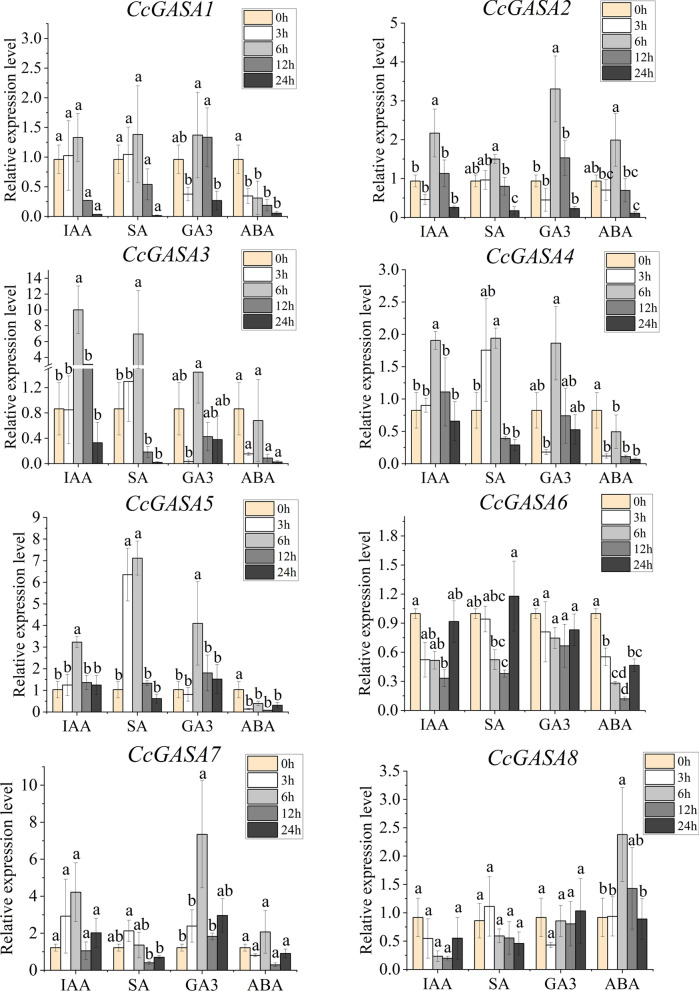
The Gibberellic Acid Stimulated Arabidopsis (GASA) proteins were investigated in the study to help understand their possible roles in fruit trees, particularly in Citrus. A total of 18 CcGASA proteins were identified and characterized in Citrus clementina via a genome-wide approach. It was shown that the CcGASA proteins structurally shared a conserved GASA domain but varied considerably in primary sequences and motif compositions. Thus, they could be classified into three major phylogenetic groups, G1~G3, and two groups, G1 and G3 could be further classified into subgroups. The cis- elements on all CcGASA promoters were identified and categorized, and the associated transcription factors were predicted. In addition, the possible interactions between the CcGASA proteins and other proteins were predicted. All the clues suggested that these genes should be involved in defense against biotic and abiotic stresses and in growth and development. The notion was further supported by gene expression analysis that showed these genes were more or less responsive to the treatments of plant hormones (GA, SA, ABA and IAA), and infections of citrus canker pathogen Xanthomonas citri. It was noted that both the segmental and the tandem duplications had played a role in the expansion of the CcGASA gene family in Citrus. Our results showed that the members of the CcGASA gene family should have structurally and functionally diverged to different degrees, and hence, the representative group members should be individually investigated to dissect their specific roles.
该研究调查了赤霉素诱导的拟南芥(GASA)蛋白,以帮助了解它们在果树,特别是柑橘中的可能作用。通过全基因组方法,在甜橙中鉴定并表征了 18 个 CcGASA 蛋白。结果表明,CcGASA 蛋白在结构上共享一个保守的 GASA 结构域,但在一级序列和基序组成上差异很大。因此,它们可以分为三大系统发育群,G1~G3,其中 G1 和 G3 可以进一步分为亚群。鉴定并分类了所有 CcGASA 启动子上的顺式元件,并预测了相关的转录因子。此外,还预测了 CcGASA 蛋白与其他蛋白之间的可能相互作用。所有这些线索表明,这些基因应该参与生物和非生物胁迫的防御以及生长和发育。基因表达分析进一步支持了这一观点,表明这些基因或多或少对植物激素(GA、SA、ABA 和 IAA)处理以及柑橘溃疡病原菌柑橘溃疡病菌的感染有反应。值得注意的是,片段和串联重复在柑橘 CcGASA 基因家族的扩张中都发挥了作用。我们的研究结果表明,CcGASA 基因家族的成员应该在结构和功能上有不同程度的分化,因此,代表性的成员应该单独进行研究,以剖析它们的特定作用。