College of Animal Science and Technology, Northwest A & F University, Yangling, Shaanxi 712100, China.
College of Animal Science and Technology, Northwest A & F University, Yangling, Shaanxi 712100, China.
Poult Sci. 2022 Feb;101(2):101570. doi: 10.1016/j.psj.2021.101570. Epub 2021 Oct 29.
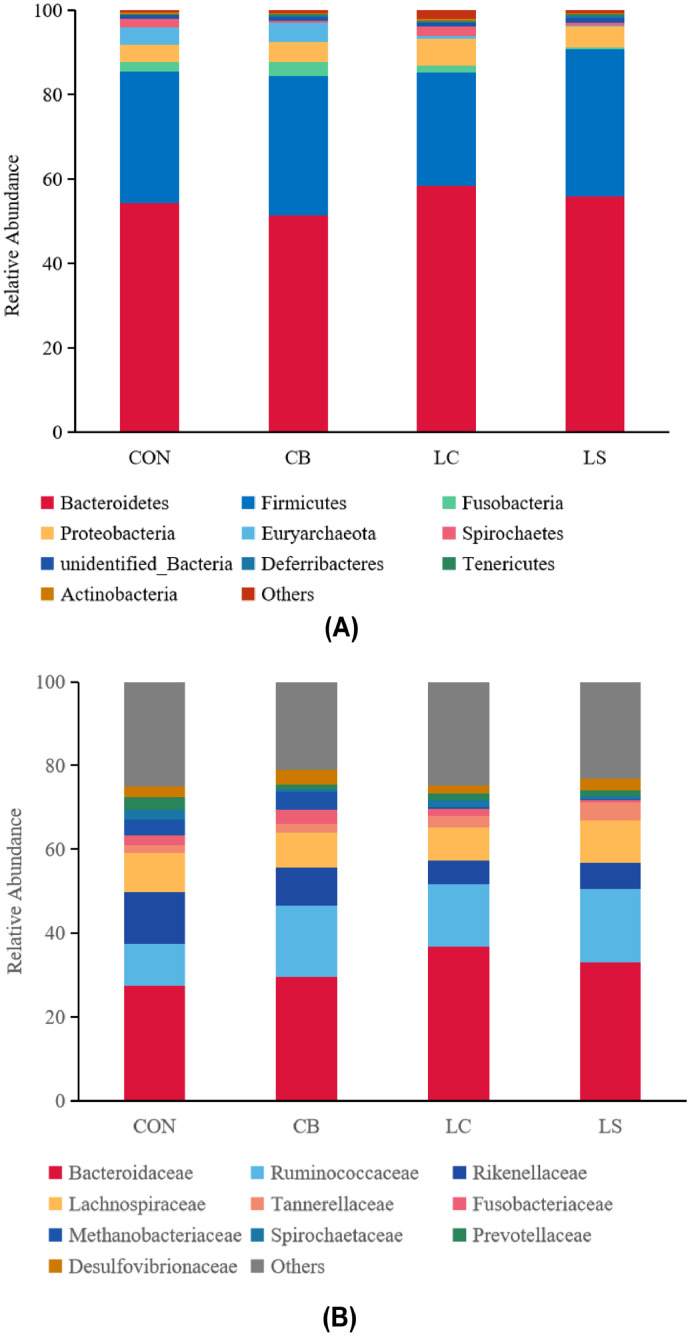
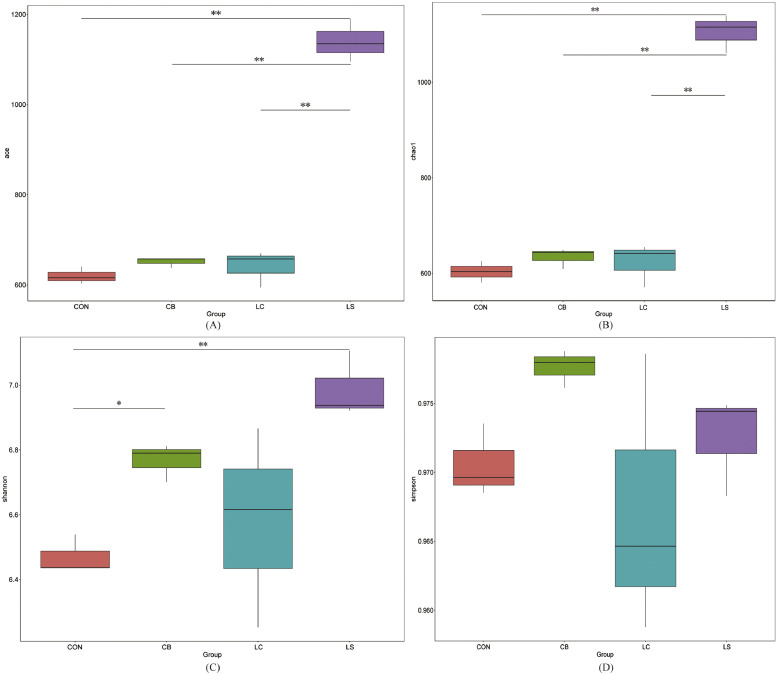
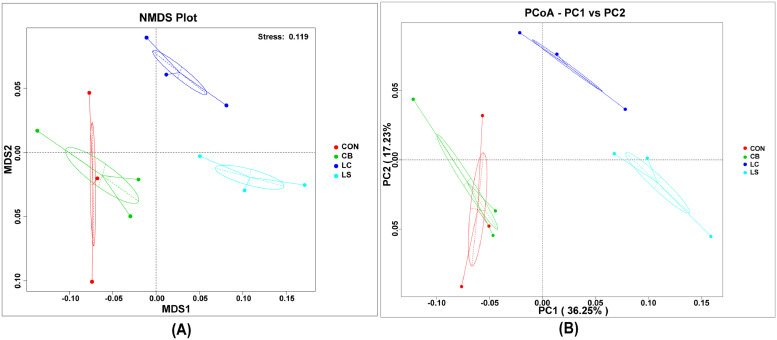
The aim of this study was to investigate the effects of different probiotic fermented diets on production performance and intestinal health of laying hens. A total of 360 healthy 22-wk-age Jingfen No. 6 layers were randomly divided into 4 treatments: basal diet (CON); supplemented with 6% Clostridium butyricum fermented feed (CB); supplemented with 6% Lactobacillus crispatus fermented feed (LC); supplemented with 6% Lactobacillus salivarius fermented feed (LS). The experiment lasted for 8 wk. The results showed that the levels of crude fiber, β-glucan and pH of feed decreased significantly after fermentation (P < 0.05). Compared with CON group, the feed conversion ratio (FCR) was decreased significantly (P < 0.05), and albumen height and Haugh unit in LC group and LS group were increased significantly (P < 0.05). Fermented feed supplementation significantly improved villus height (VH) of the jejunum and the ratio of villus height to crypt depth (VH/CD) of the ileum (P < 0.05). Additionally, the VH and VH/CD of the duodenum were significantly increased in LS group (P < 0.05). Furthermore, the ACE and chao1 indexes in LS group were extremely significant higher than that in the other 3 groups (P < 0.05). In addition, compared with CON group, the abundance of Rikenellaceae and Methanobacteriaceae was significantly decreased at the family level in LC group and LS group (P < 0.05), while the abundance of Ruminocaceae was significantly higher (P < 0.05). Collectively, feeding Lactobacillus salivarius and Lactobacillus crispatus fermented feed improved the FCR, albumen height and Haugh unit of laying hens, and Lactobacillus salivarius fermented feed supplementation could improve intestinal health by ameliorating intestinal morphology, altering microbial composition and enhancing microbial community richness.
本研究旨在探讨不同益生菌发酵饲料对蛋鸡生产性能和肠道健康的影响。将 360 只健康的 22 周龄京粉 6 号蛋鸡随机分为 4 个处理组:基础日粮(CON);添加 6%丁酸梭菌发酵饲料(CB);添加 6%卷曲乳杆菌发酵饲料(LC);添加 6%唾液乳杆菌发酵饲料(LS)。试验持续 8 周。结果表明,发酵后饲料的粗纤维、β-葡聚糖和 pH 值显著降低(P<0.05)。与 CON 组相比,LC 组和 LS 组的料重比(FCR)显著降低(P<0.05),且 LC 组和 LS 组的蛋白高度和哈氏单位显著增加(P<0.05)。发酵饲料的添加显著提高了空肠的绒毛高度(VH)和回肠的绒毛高度与隐窝深度的比值(VH/CD)(P<0.05)。此外,LS 组的十二指肠 VH 和 VH/CD 显著增加(P<0.05)。此外,LS 组的 ACE 和 cha01 指数显著高于其他 3 组(P<0.05)。此外,与 CON 组相比,LC 组和 LS 组的拟杆菌科和甲烷杆菌科的丰度在科水平上显著降低(P<0.05),而真杆菌科的丰度显著增加(P<0.05)。综上所述,饲喂唾液乳杆菌和卷曲乳杆菌发酵饲料可提高蛋鸡的 FCR、蛋白高度和哈氏单位,而唾液乳杆菌发酵饲料的添加可通过改善肠道形态、改变微生物组成和增强微生物群落丰富度来改善肠道健康。