Lerma-Herrera Martín A, Beiza-Granados Lidia, Ochoa-Zarzosa Alejandra, López-Meza Joel E, Hernández-Hernández Juan D, Aviña-Verduzco Judit, García-Gutiérrez Hugo A
Instituto de Investigaciones Químico Biológicas, Universidad Michoacana de San Nicolás de Hidalgo, Ciudad Universitaria, Morelia, Michoacán 58030, Mexico.
Centro Multidisciplinario de Estudios en Biotecnología, Facultad de Medicina Veterinaria y Zootecnia, Universidad Michoacana de San Nicolás de Hidalgo, Tarímbaro, Michoacán 58893, Mexico.
Saudi J Biol Sci. 2021 Dec;28(12):7082-7089. doi: 10.1016/j.sjbs.2021.08.007. Epub 2021 Aug 9.
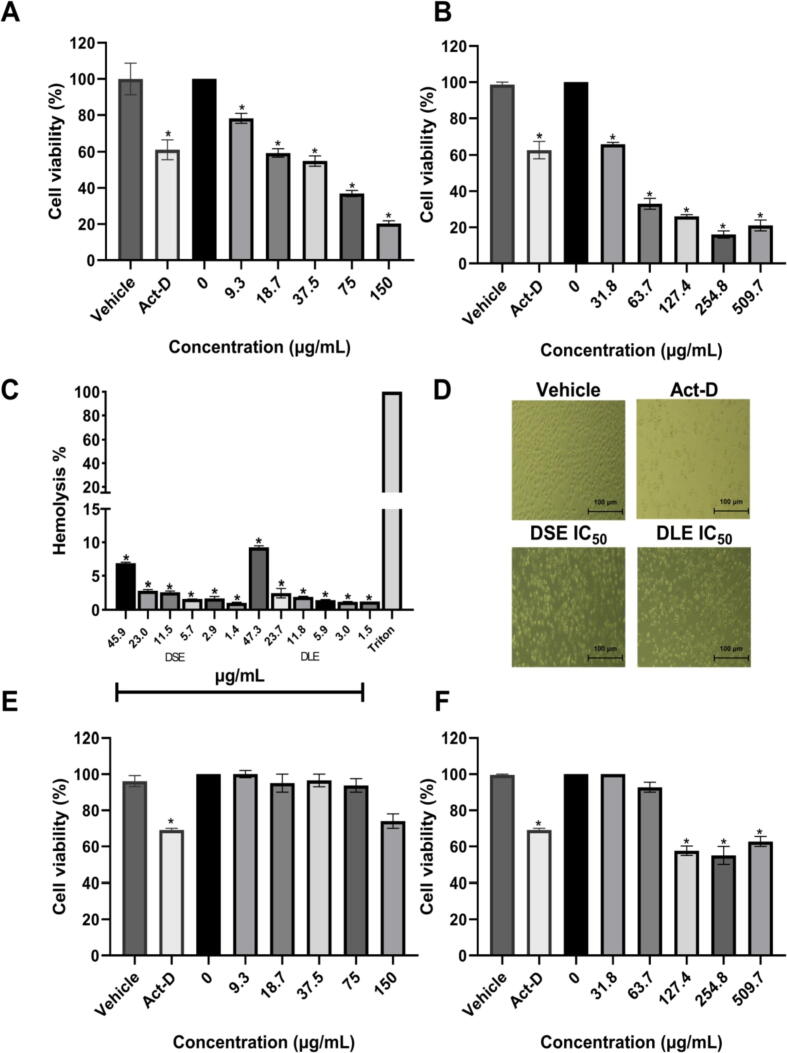
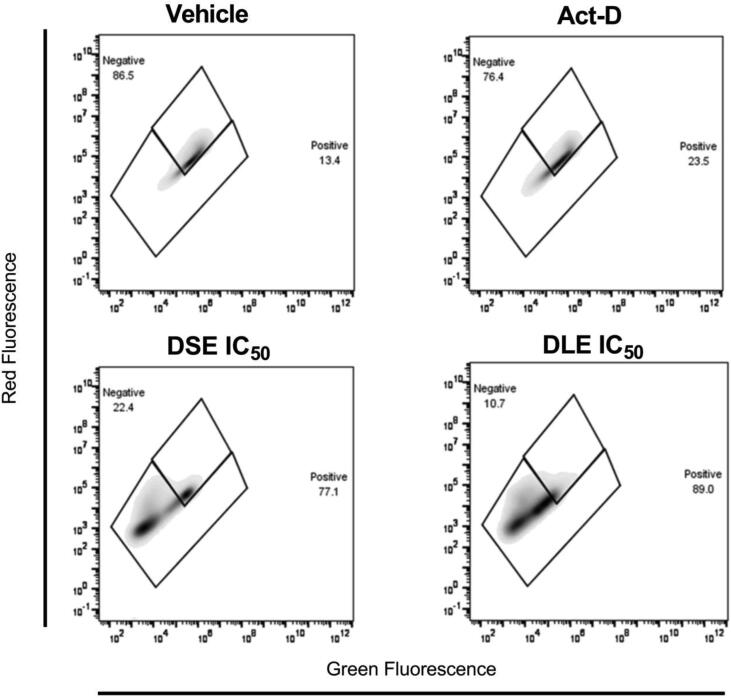
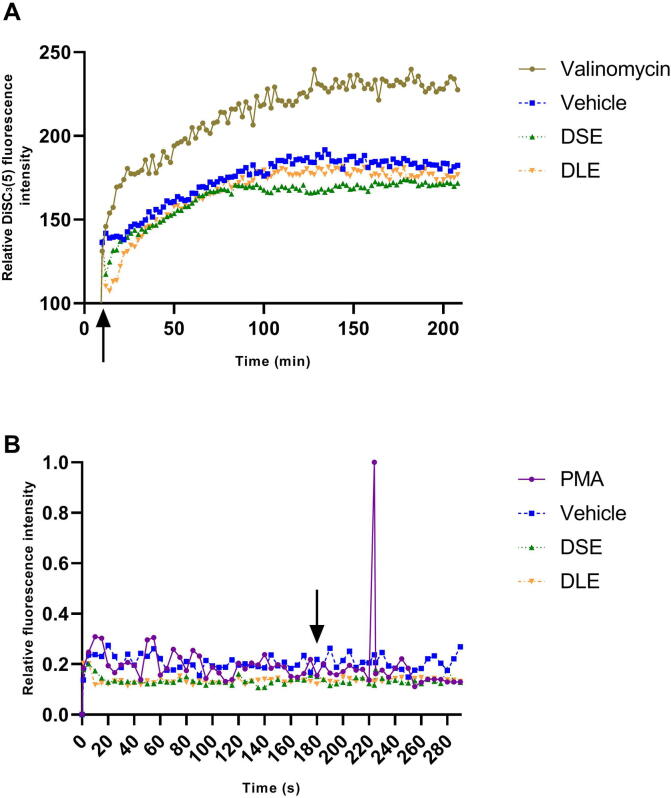
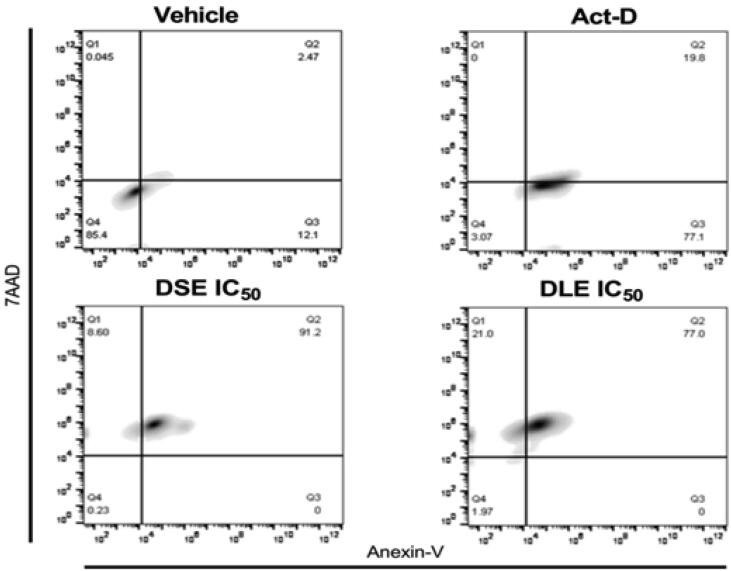
The aim of this study was to evaluate the cytotoxic potential of Kunth. Stems and leaves of Kunth (Aristolochiaceae) have never been investigated pharmacologically. Recent studies of species of the Aristolochiaceae family found significant cytotoxic activities. Hexane, dichloromethane, ethyl acetate and methanol extracts were analyzed by H NMR and GC-MS to know the metabolites in each extract. In GC-MS analysis, the main compounds were methyl hexadecanoate (); hexadecanoic acid (); 2-butoxyethyl dodecanoate (); ethyl hexadecanoate (); methyl octadeca-9,12,15-trienoate () and (9,12,15)-octadeca-9,12,15-trienoic acid (). The results showed a significant reduction in cell viability of the MCF-7 (breast cancer) cell line caused by organic extracts in a dose-dependent manner. The cytotoxicity activity of the dichloromethane extract from the stems (DSE) showed IC values of 45.9 μg/mL and the dichloromethane extract of the leaves (DLE) showed IC values of 47.3 μg/mL. DSE and DLE had the highest cytotoxic potential in an study against the MCF-7 cell line and non-tumor cells obtained from the bovine mammary epithelial (bMECs). DSE and DLE induced a loss in mitochondrial membrane potential () and can cause cell death by apoptosis through the intrinsic pathway in the MCF-7 cell line. DSE and DLE are cytotoxic in cancer cells and cause late apoptosis. Higher concentrations of DSE and DLE are required to induce a cytotoxic effect in healthy mammary epithelial cells. This is the first report of the dichloromethane extract of Kunth that induces late apoptosis in MCF-7 cancer cells and may be a candidate for pharmacological study against breast cancer.
本研究的目的是评估昆氏马兜铃的细胞毒性潜力。昆氏马兜铃(马兜铃科)的茎和叶从未进行过药理研究。最近对马兜铃科物种的研究发现了显著的细胞毒性活性。通过核磁共振氢谱(H NMR)和气相色谱 - 质谱联用(GC-MS)分析己烷、二氯甲烷、乙酸乙酯和甲醇提取物,以了解每种提取物中的代谢物。在GC-MS分析中,主要化合物为十六烷酸甲酯();十六烷酸();2-丁氧基乙基十二烷酸酯();十六烷酸乙酯();9,12,15-十八碳三烯酸甲酯()和(9,12,15)-十八碳-9,12,15-三烯酸()。结果表明,有机提取物以剂量依赖性方式导致MCF-7(乳腺癌)细胞系的细胞活力显著降低。茎部的二氯甲烷提取物(DSE)的细胞毒性活性显示IC值为45.9μg/mL,叶部的二氯甲烷提取物(DLE)的IC值为47.3μg/mL。在针对MCF-7细胞系和从牛乳腺上皮细胞(bMECs)获得的非肿瘤细胞的研究中,DSE和DLE具有最高的细胞毒性潜力。DSE和DLE诱导线粒体膜电位()丧失,并可通过MCF-7细胞系中的内在途径导致细胞凋亡而死亡。DSE和DLE在癌细胞中具有细胞毒性并导致晚期凋亡。需要更高浓度的DSE和DLE才能在健康的乳腺上皮细胞中诱导细胞毒性作用。这是关于昆氏马兜铃二氯甲烷提取物诱导MCF-7癌细胞晚期凋亡的首次报道,可能是抗乳腺癌药理研究的候选物。