Chen Yuxi, Zhou Rijin, Hu Qiong, Wei Wenliang, Liu Jia
College of Agriculture, Yangtze University, Jingzhou, China.
Oil Crops Research Institute of Chinese Academy of Agricultural Sciences/Key Laboratory for Biological Sciences and Genetic Improvement of Oil Crops, Ministry of Agriculture and Rural Affairs, Wuhan, China.
Front Plant Sci. 2021 Nov 22;12:760379. doi: 10.3389/fpls.2021.760379. eCollection 2021.
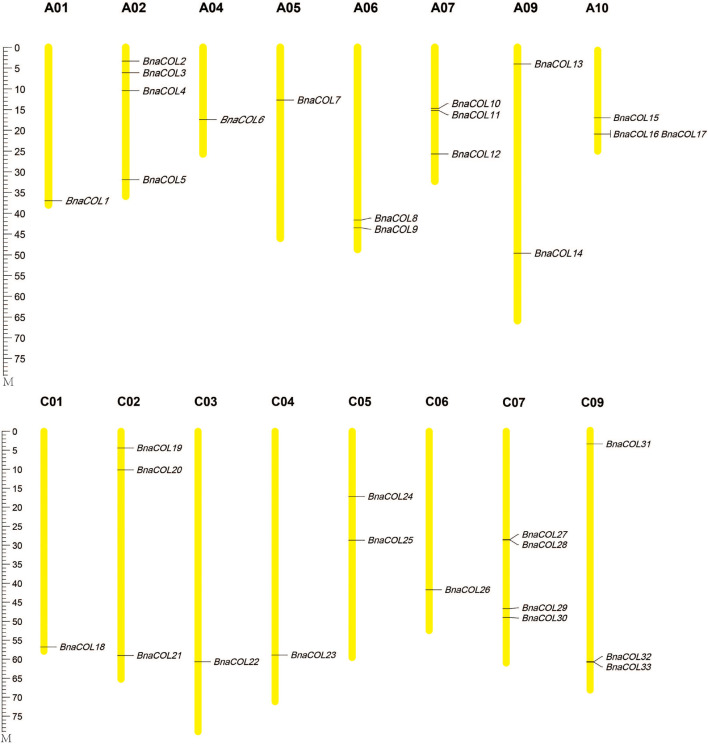
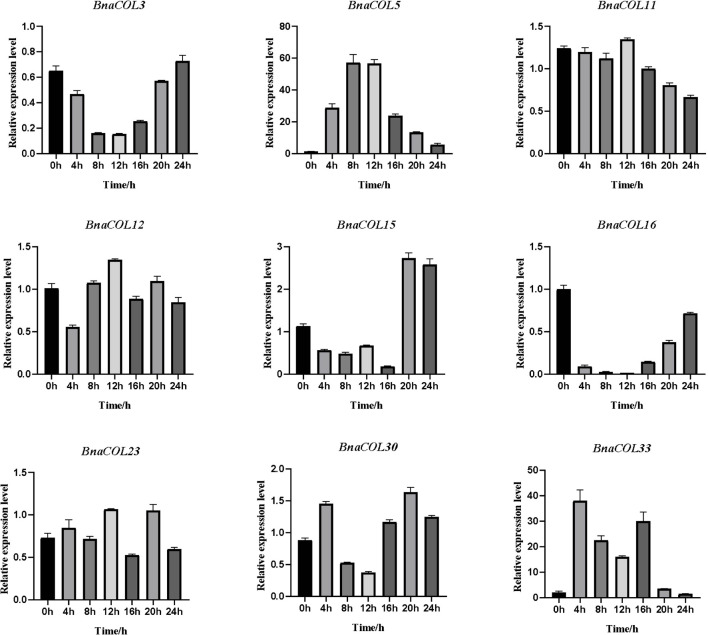
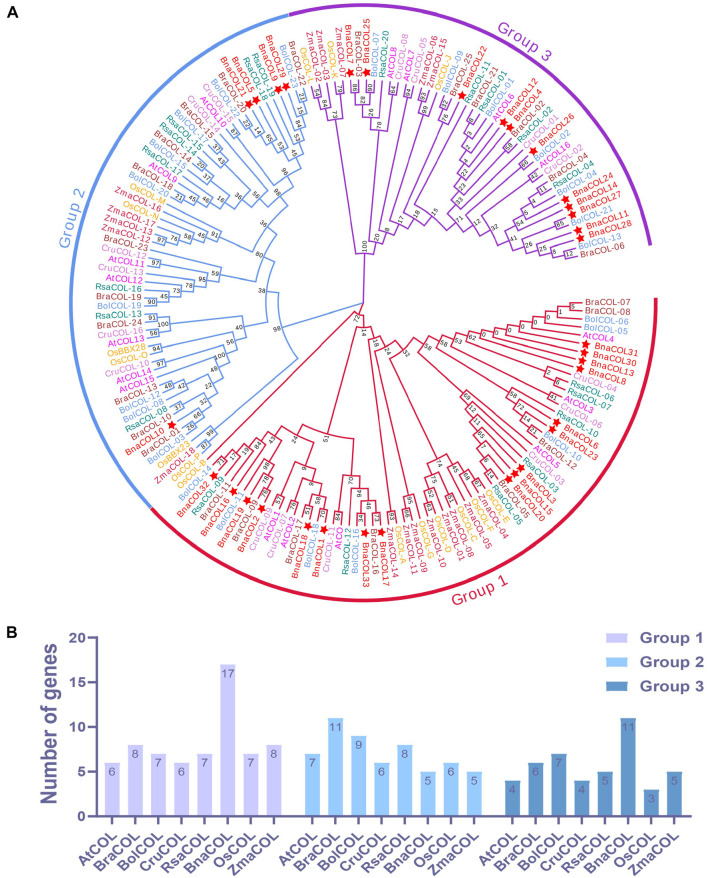
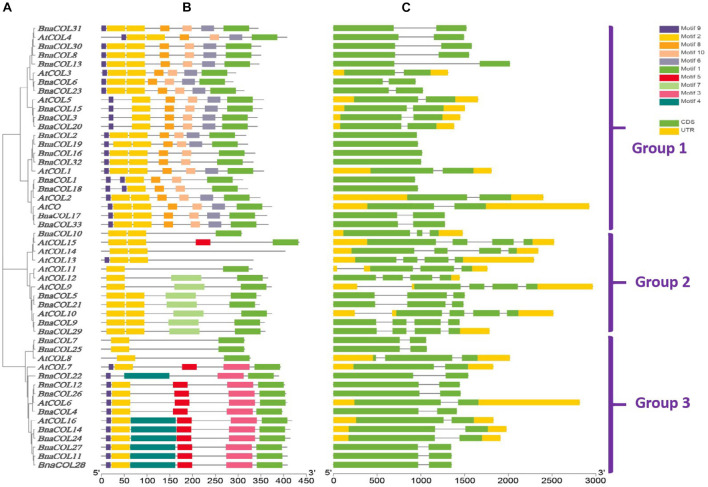
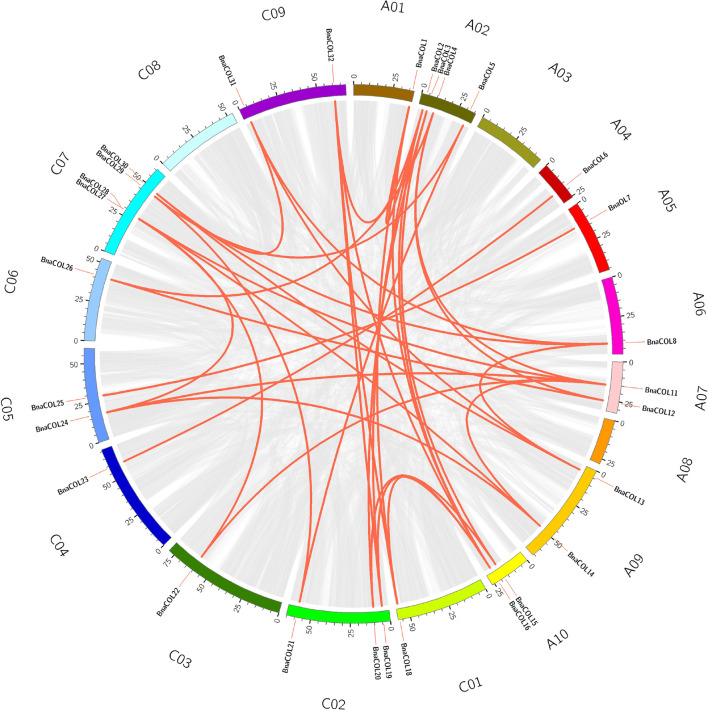
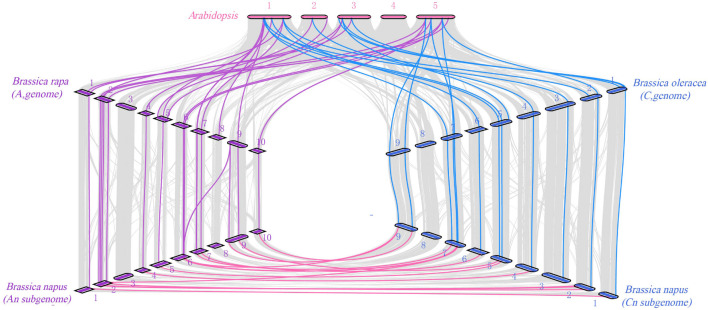
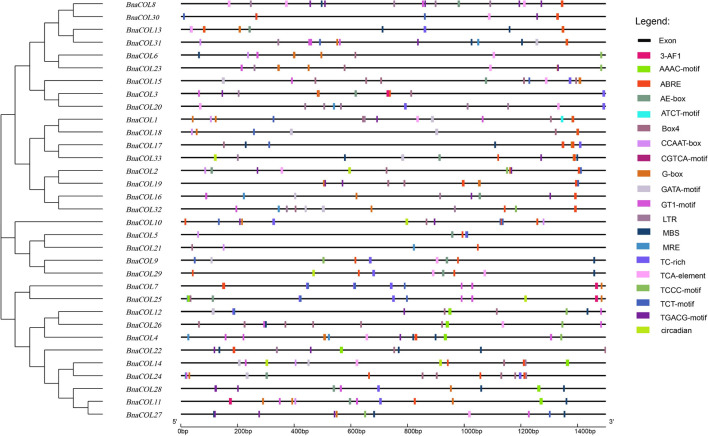
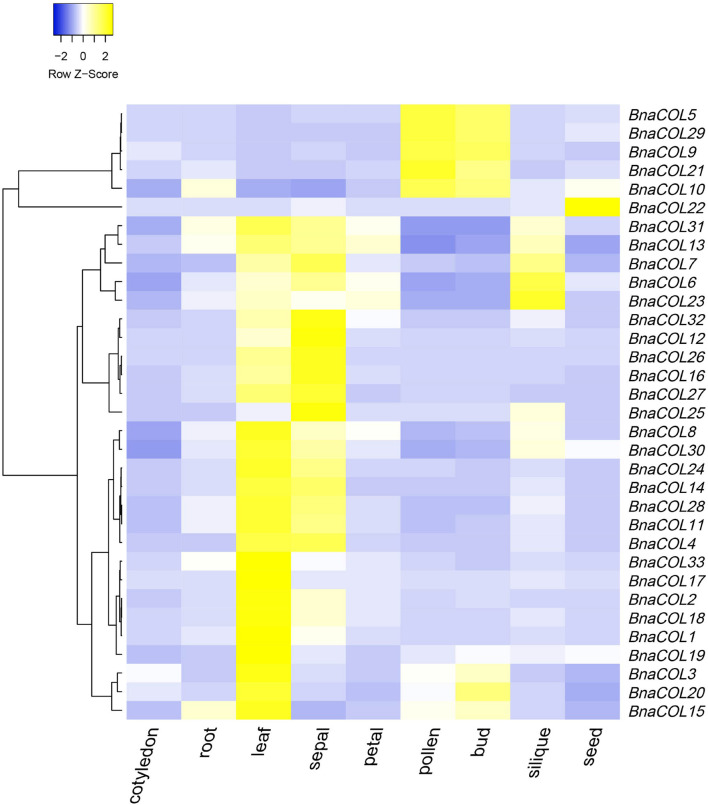
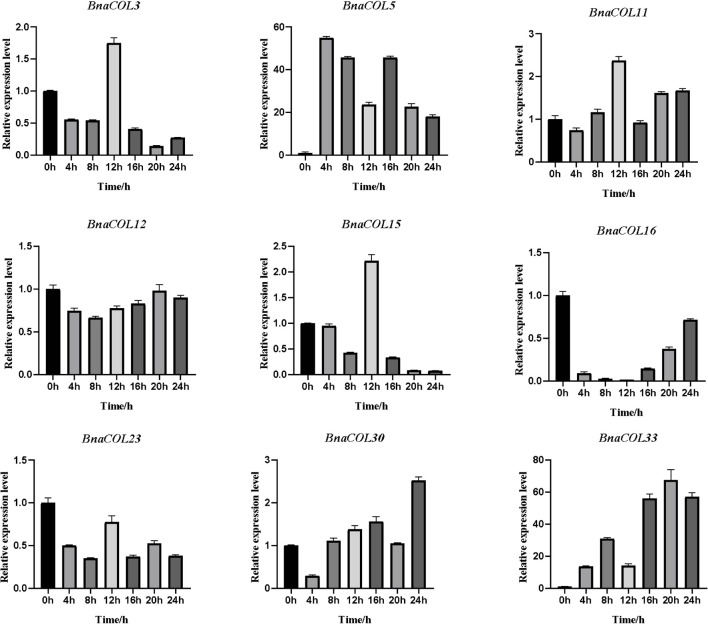
The genes are important signaling component in the photoperiod pathway and flowering regulation pathway. However, people still know little about their role in . To achieve a better understanding of the members of the gene family, reveal their evolutionary relationship and related functions involved in photoperiod regulation, we systematically analyzed the family members in genome. A total of 33 genes distributed unevenly on 16 chromosomes were identified in and could be classified into three subfamilies. The same subfamilies have relatively conservative gene structures, three-dimensional protein structures and promoter motifs such as light-responsive -elements. The collinearity analysis detected 37 pairs of repetitive genes in genome. A 67.7% of the genes were lost after genome polyploidization. In addition, the genes showed different tissue-specific expression patterns. A 81.8% of the genes were mainly expressed in leaves, indicating that they may play a conservative role in leaves. Subsequently, we tested the circadian expression profiles of nine homologous genes that regulate flowering in . Most genes exhibit several types of circadian rhythms, indicating that these genes are involved in the photoperiod pathway. As such, our research has laid the foundation for understanding the exact role of the family in the growth and development of rapeseed, especially in flowering.
这些基因是光周期途径和开花调控途径中的重要信号成分。然而,人们对它们在……中的作用仍知之甚少。为了更好地了解该基因家族的成员,揭示它们的进化关系以及参与光周期调控的相关功能,我们系统地分析了油菜基因组中的该家族成员。在油菜中总共鉴定出33个该基因,它们不均匀地分布在16条染色体上,并且可以分为三个亚家族。同一亚家族具有相对保守的基因结构、三维蛋白质结构以及诸如光响应元件等启动子基序。共线性分析在油菜基因组中检测到37对重复基因。在油菜基因组多倍化后,67.7%的该基因丢失。此外,该基因表现出不同的组织特异性表达模式。81.8%的该基因主要在叶片中表达,表明它们可能在叶片中发挥保守作用。随后,我们测试了油菜中九个调控开花的同源基因的昼夜表达谱。大多数该基因表现出几种类型的昼夜节律,表明这些该基因参与光周期途径。因此,我们的研究为理解该家族在油菜生长发育尤其是开花过程中的确切作用奠定了基础。