
量子点:用于乳腺癌治疗的合成、抗体偶联及HER2受体靶向
Quantum Dots: Synthesis, Antibody Conjugation, and HER2-Receptor Targeting for Breast Cancer Therapy.
作者信息
Fatima Iqra, Rahdar Abbas, Sargazi Saman, Barani Mahmood, Hassanisaadi Mohadeseh, Thakur Vijay Kumar
机构信息
Department of Pharmacy, Quaid-i-Azam University, Islamabad 45320, Pakistan.
Department of Physics, University of Zabol, Zabol 98613-35856, Iran.
出版信息
J Funct Biomater. 2021 Dec 16;12(4):75. doi: 10.3390/jfb12040075.
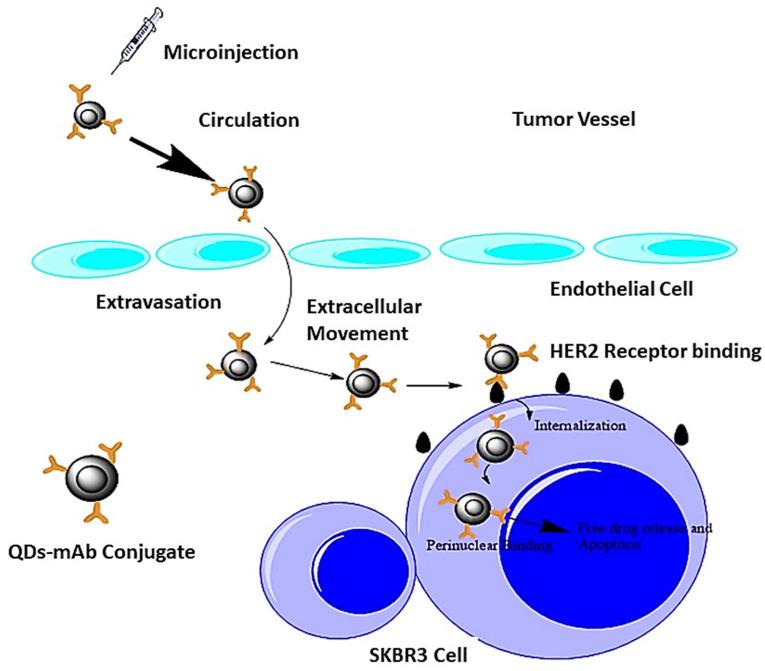
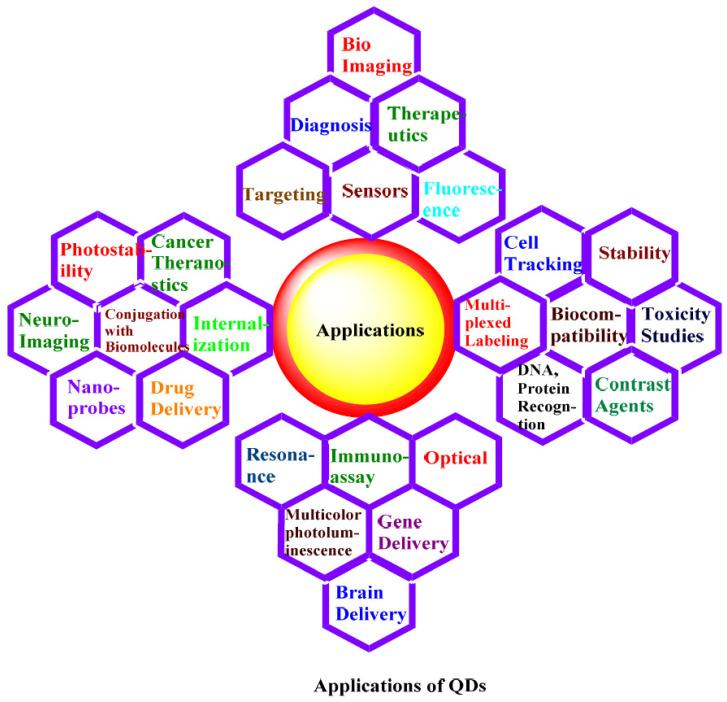
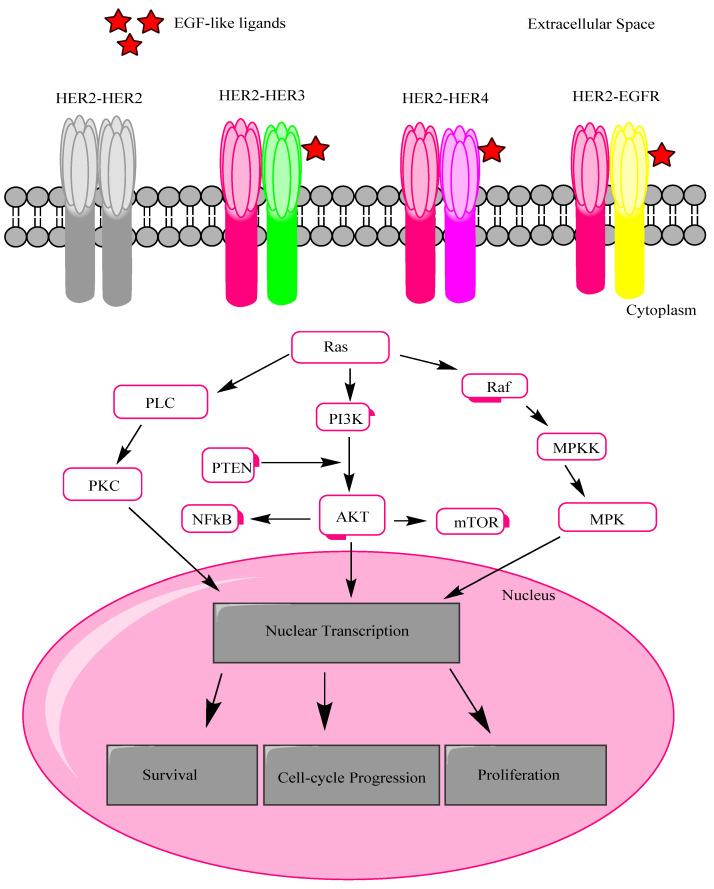
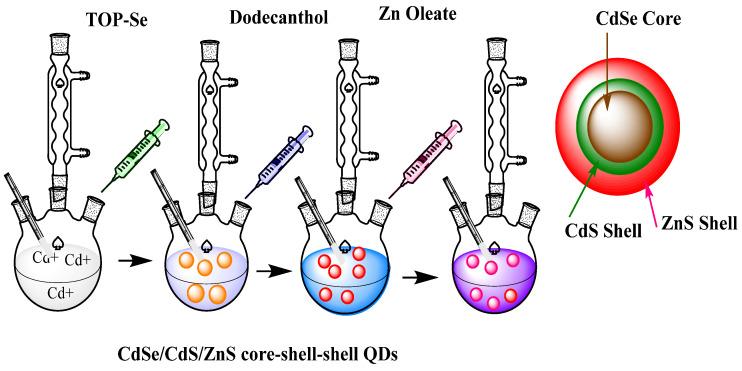
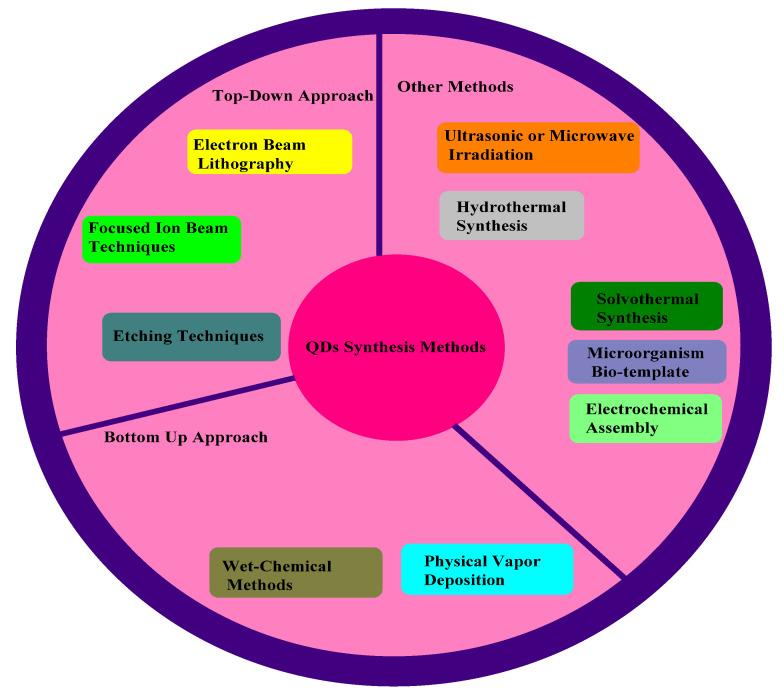
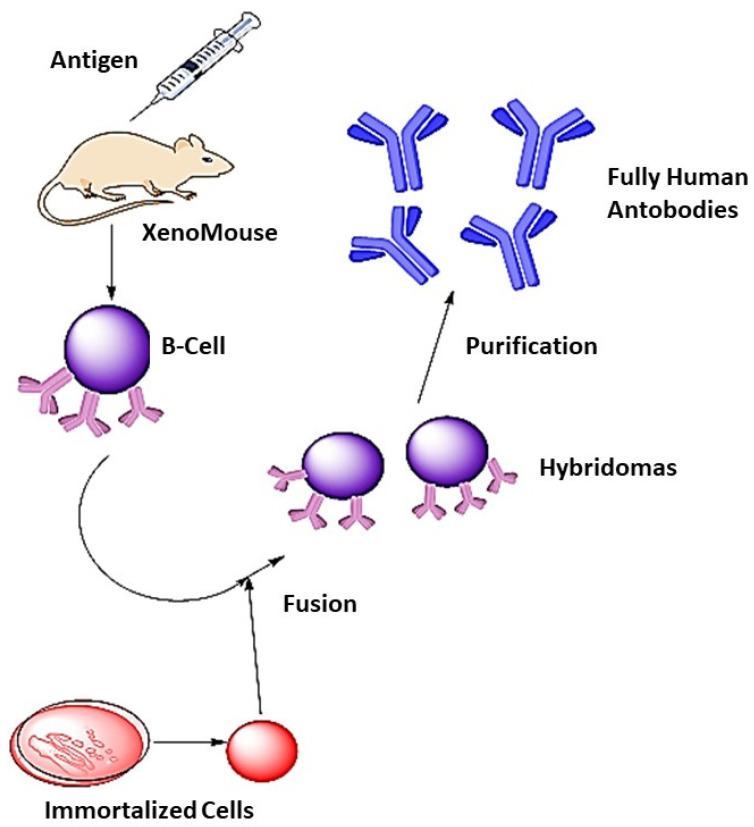
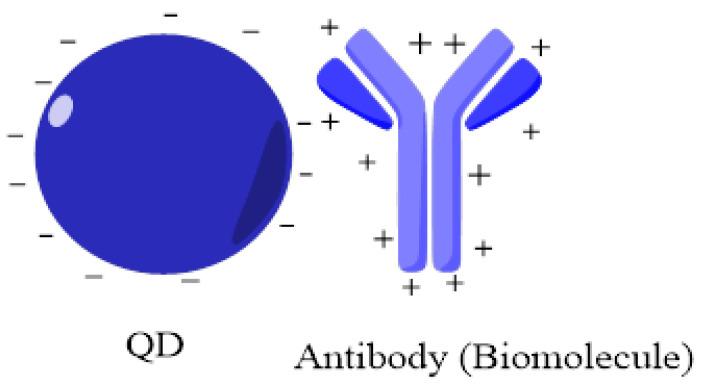
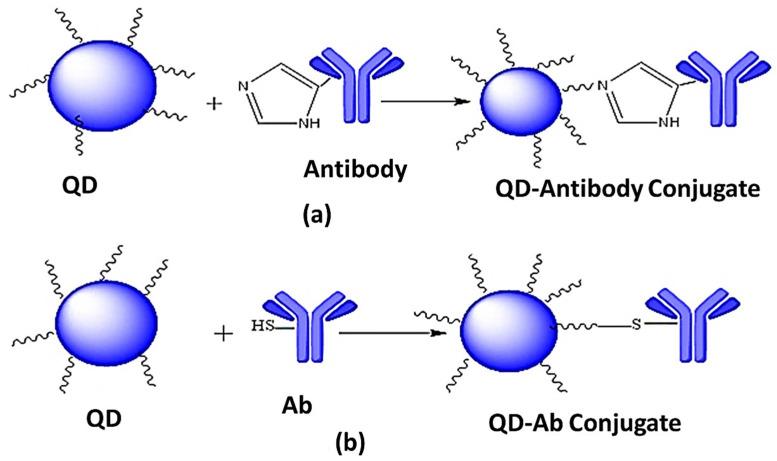
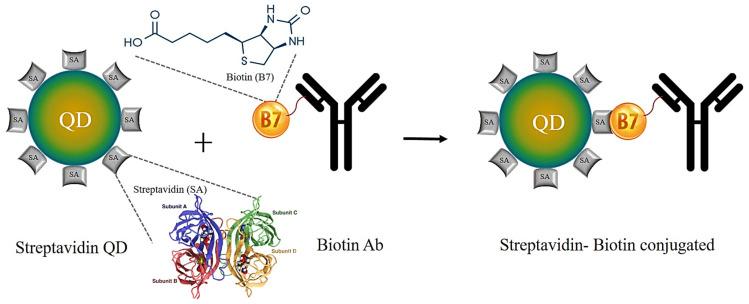
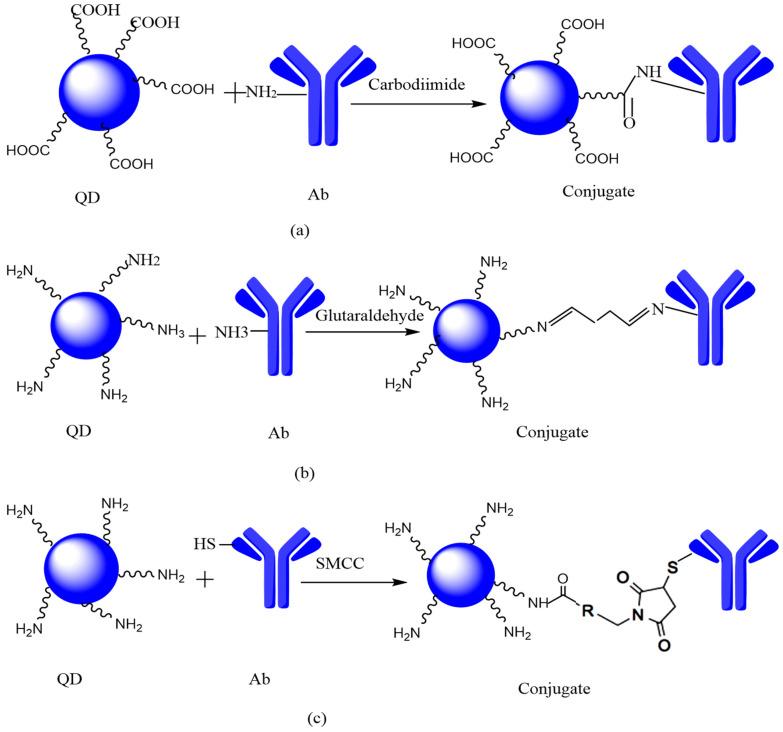
Breast cancer is becoming one of the main lethal carcinomas in the recent era, and its occurrence rate is increasing day by day. There are different breast cancer biomarkers, and their overexpression takes place in the metastasis of cancer cells. The most prevalent breast cancer biomarker is the human epidermal growth factor receptor2 (HER2). As this biomarker is overexpressed in malignant breast tissues, it has become the main focus in targeted therapies to fight breast cancer. There is a cascade of mechanisms involved in metastasis and cell proliferation in cancer cells. Nanotechnology has become extremely advanced in targeting and imaging cancerous cells. Quantum dots (QDs) are semiconductor NPs, and they are used for bioimaging, biolabeling, and biosensing. They are synthesized by different approaches such as top-down, bottom-up, and synthetic methods. Fully human monoclonal antibodies synthesized using transgenic mice having human immunoglobulin are used to target malignant cells. For the HER2 receptor, herceptin (trastuzumab) is the most specific antibody (Ab), and it is conjugated with QDs by using different types of coupling mechanisms. This quantum dot monoclonal antibody (QD-mAb) conjugate is localized by injecting it into the blood vessel. After the injection, it goes through a series of steps to reach the intracellular space, and bioimaging of specifically the HER2 receptor occurs, where apoptosis of the cancer cells takes place either by the liberation of Ab or the free radicals.
乳腺癌正成为当代主要的致命性癌症之一,其发病率日益上升。乳腺癌有多种生物标志物,它们的过度表达发生在癌细胞转移过程中。最常见的乳腺癌生物标志物是人表皮生长因子受体2(HER2)。由于这种生物标志物在恶性乳腺组织中过度表达,它已成为对抗乳腺癌的靶向治疗的主要焦点。癌细胞的转移和细胞增殖涉及一系列机制。纳米技术在靶向和成像癌细胞方面已变得极为先进。量子点(QDs)是半导体纳米粒子,用于生物成像、生物标记和生物传感。它们通过自上而下、自下而上和合成等不同方法合成。使用具有人类免疫球蛋白的转基因小鼠合成的全人源单克隆抗体用于靶向恶性细胞。对于HER2受体,赫赛汀(曲妥珠单抗)是最特异性的抗体(Ab),它通过不同类型的偶联机制与量子点偶联。这种量子点单克隆抗体(QD-mAb)偶联物通过注入血管进行定位。注射后,它经过一系列步骤到达细胞内空间,然后对HER2受体进行生物成像,癌细胞的凋亡通过抗体或自由基的释放发生。
 Zotero 插件