Departments of Chemistry and Chemical Biology, Center for Biotechnology and Interdisciplinary Studies, Rensselaer Polytechnic Institute, Troy, NY 12180, USA.
Department of Chemical and Biological Engineering, Center for Biotechnology and Interdisciplinary Studies, Rensselaer Polytechnic Institute, Troy, NY 12180, USA.
Mar Drugs. 2021 Nov 30;19(12):685. doi: 10.3390/md19120685.
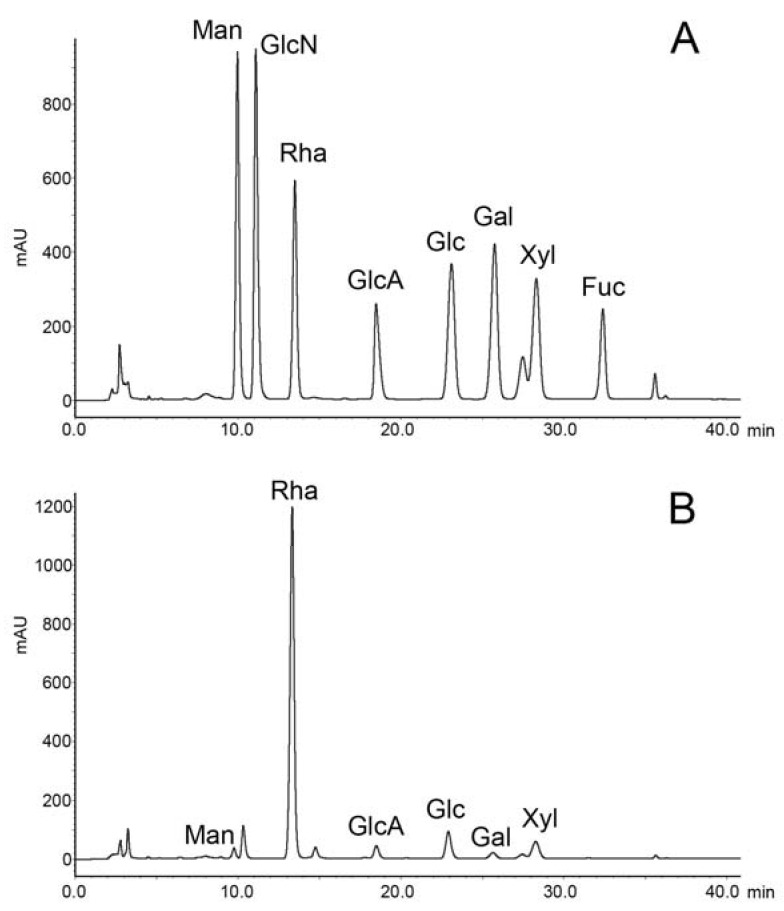
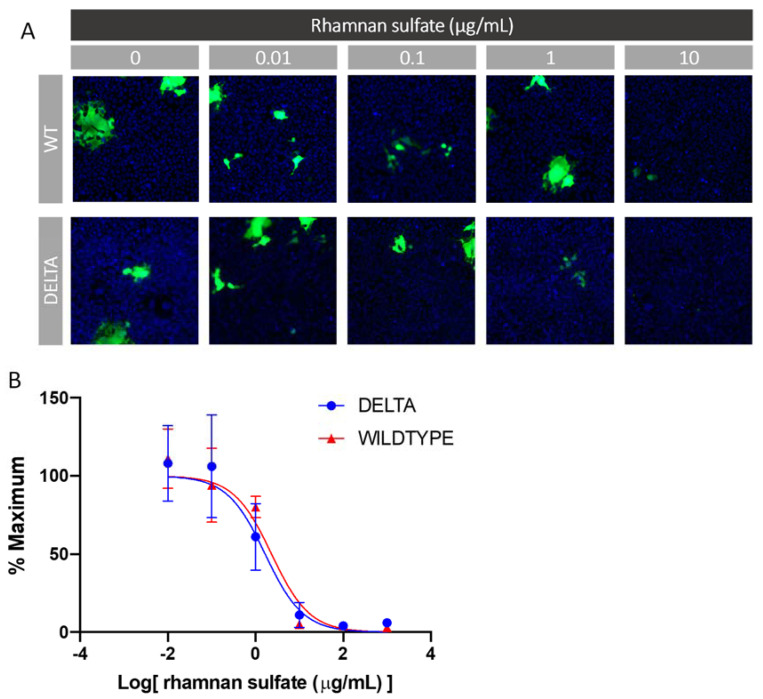
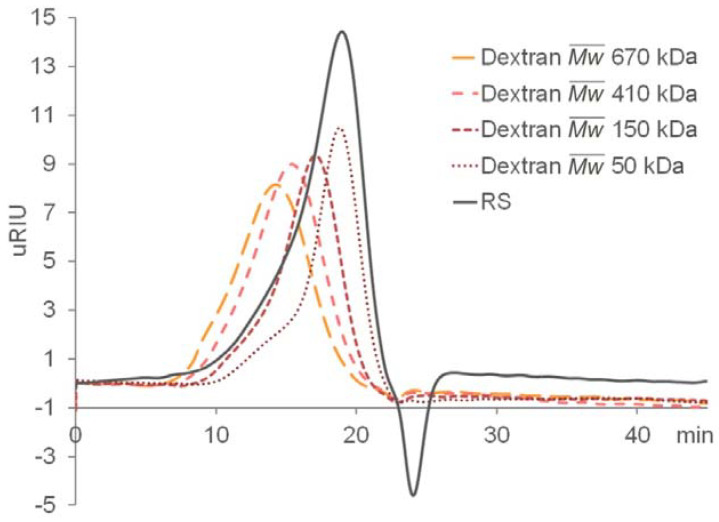
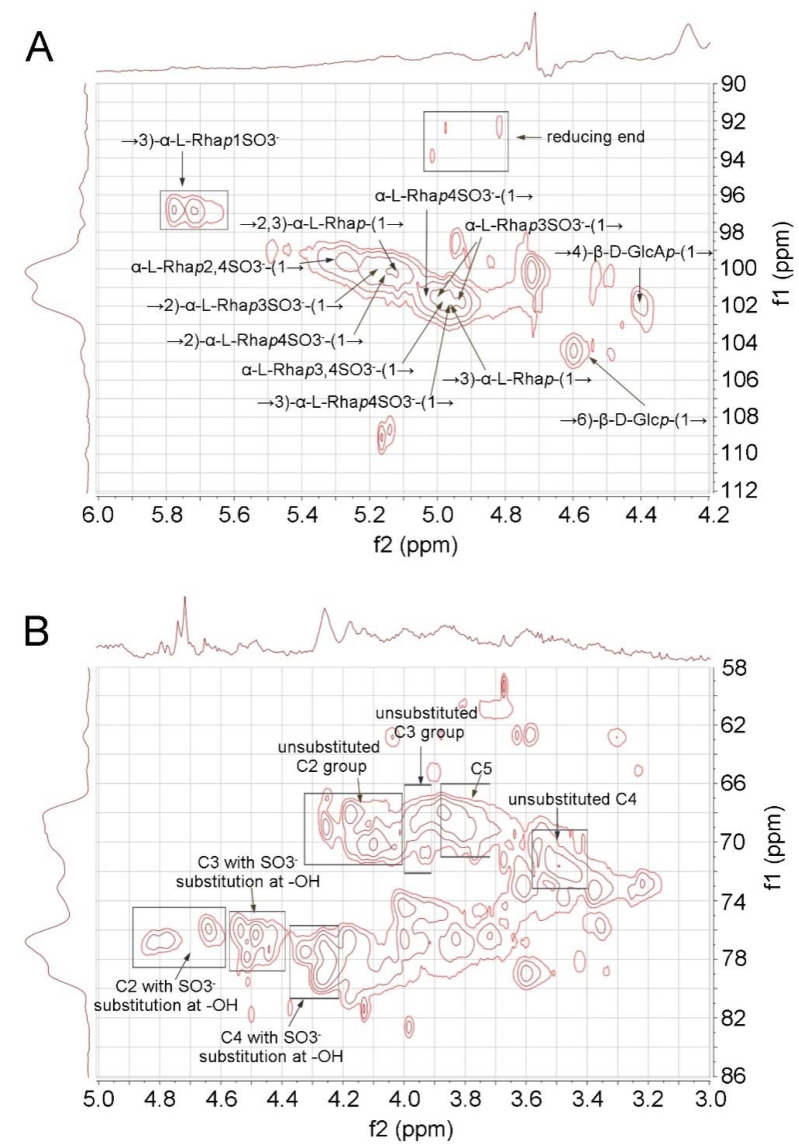
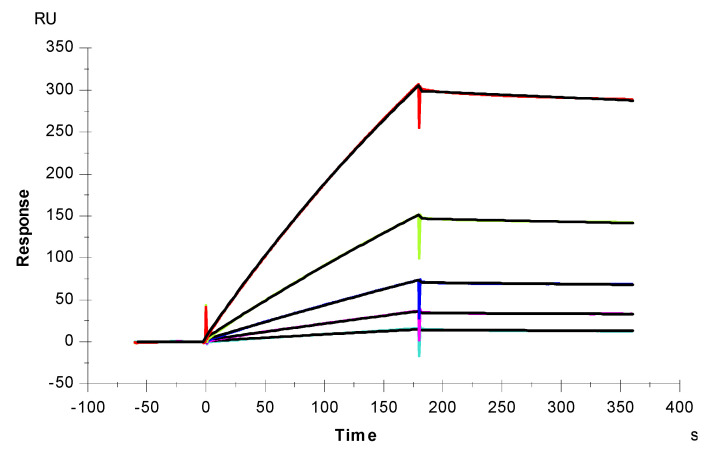
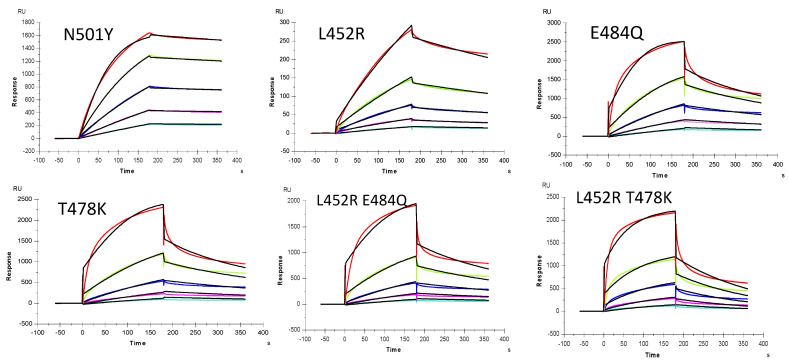
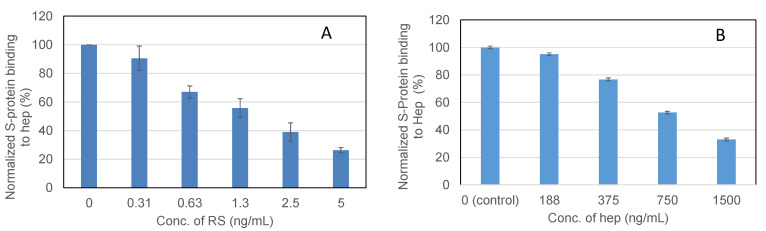
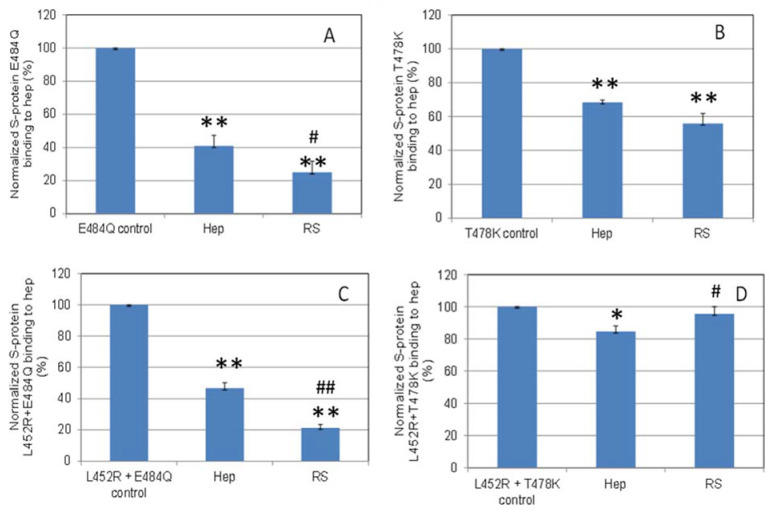
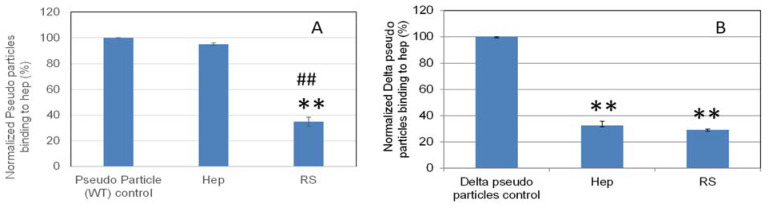
The COVID-19 pandemic is a major human health concern. The pathogen responsible for COVID-19, severe acute respiratory syndrome coronavirus 2 (SARS-CoV-2), invades its host through the interaction of its spike (S) protein with a host cell receptor, angiotensin-converting enzyme 2 (ACE2). In addition to ACE2, heparan sulfate (HS) on the surface of host cells also plays a significant role as a co-receptor. Our previous studies demonstrated that sulfated glycans, such as heparin and fucoidans, show anti-COVID-19 activities. In the current study, rhamnan sulfate (RS), a polysaccharide with a rhamnose backbone from a green seaweed, , was evaluated for binding to the S-protein from SARS-CoV-2 and inhibition of viral infectivity in vitro. The structural characteristics of RS were investigated by determining its monosaccharide composition and performing two-dimensional nuclear magnetic resonance. RS inhibition of the interaction of heparin, a highly sulfated HS, with the SARS-CoV-2 spike protein (from wild type and different mutant variants) was studied using surface plasmon resonance (SPR). In competitive binding studies, the IC of RS against the S-protein receptor binding domain (RBD) binding to immobilized heparin was 1.6 ng/mL, which is much lower than the IC for heparin (~750 ng/mL). RS showed stronger inhibition than heparin on the S-protein RBD or pseudoviral particles binding to immobilized heparin. Finally, in an in vitro cell-based assay, RS showed strong antiviral activities against wild type SARS-CoV-2 and the delta variant.
新型冠状病毒肺炎疫情是一项重大的人类健康关切。导致新型冠状病毒肺炎的病原体,即严重急性呼吸综合征冠状病毒 2(SARS-CoV-2),通过其刺突(S)蛋白与宿主细胞受体血管紧张素转换酶 2(ACE2)的相互作用而入侵宿主。除 ACE2 外,宿主细胞表面的硫酸乙酰肝素(HS)也作为辅助受体发挥重要作用。我们之前的研究表明,硫酸化聚糖,如肝素和褐藻糖胶,具有抗新型冠状病毒的活性。在本研究中,从绿藻中提取的具有鼠李糖主链的多糖岩藻半乳聚糖(RS),被评估用于与 SARS-CoV-2 的 S 蛋白结合以及体外抑制病毒感染的能力。通过确定其单糖组成并进行二维核磁共振,研究了 RS 的结构特征。使用表面等离子体共振(SPR)研究了 RS 抑制肝素(一种高度硫酸化的 HS)与 SARS-CoV-2 刺突蛋白(来自野生型和不同突变变体)相互作用的情况。在竞争性结合研究中,RS 对固定化肝素的 S 蛋白受体结合结构域(RBD)结合的 IC 为 1.6ng/mL,远低于肝素的 IC(~750ng/mL)。RS 对 S 蛋白 RBD 或假病毒颗粒与固定化肝素结合的抑制作用强于肝素。最后,在体外细胞测定中,RS 对野生型 SARS-CoV-2 和 delta 变体均表现出很强的抗病毒活性。