Department of Sustainable Product Design and Architecture, Keene State College, Keene, NH 03435, USA.
Department of Biology, Keene State College, Keene, NH 03435, USA.
Int J Mol Sci. 2021 Dec 15;22(24):13481. doi: 10.3390/ijms222413481.
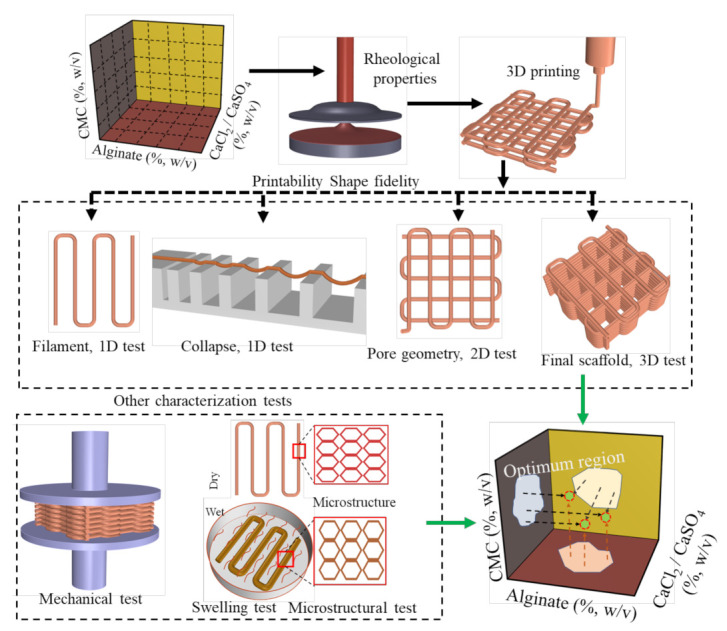
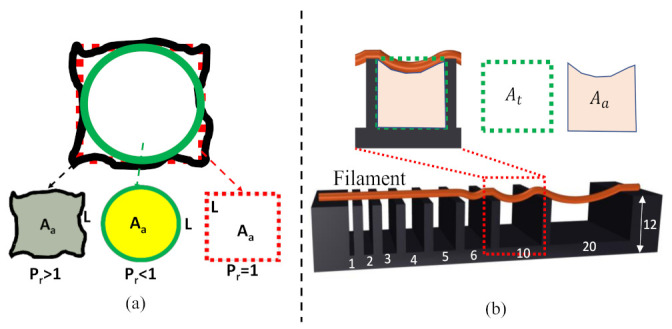
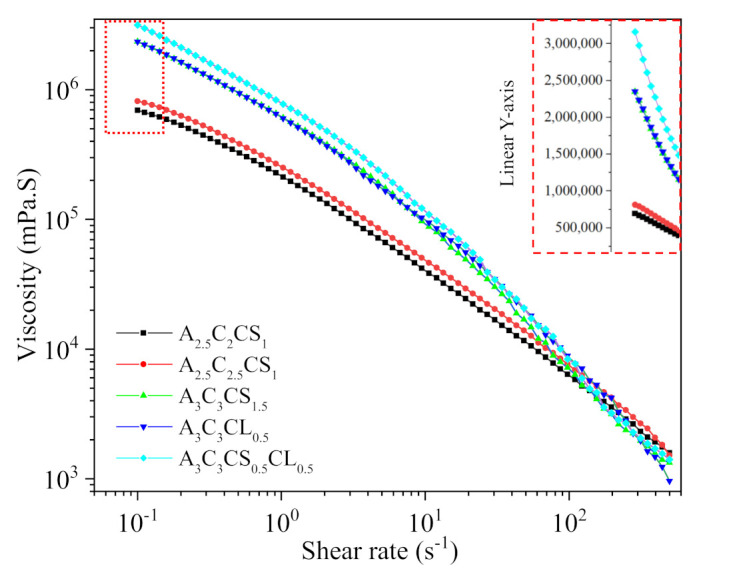
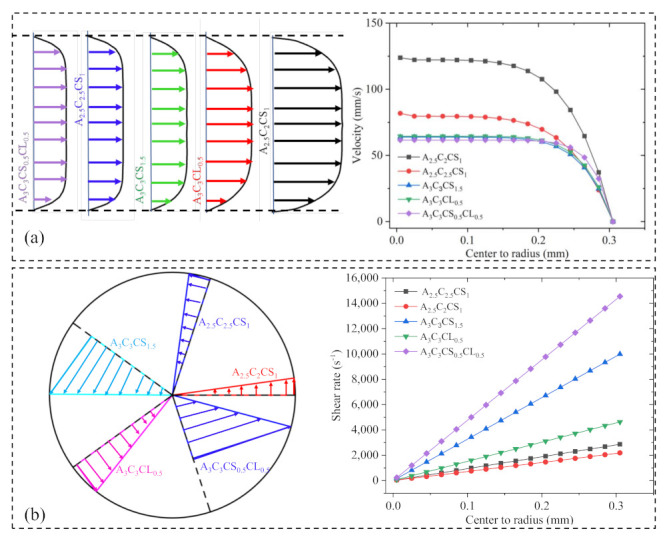
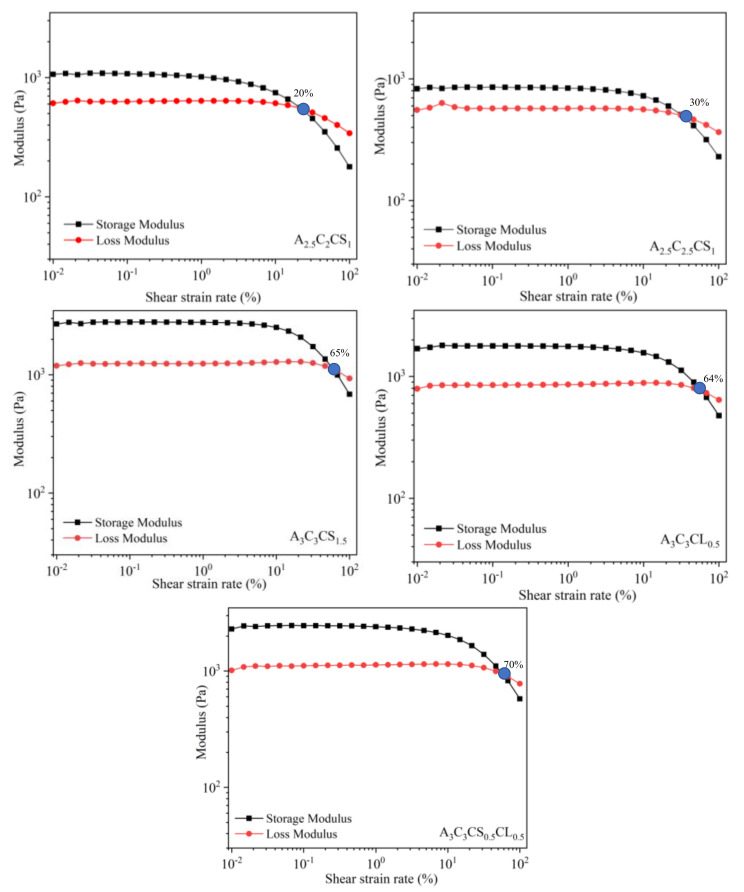
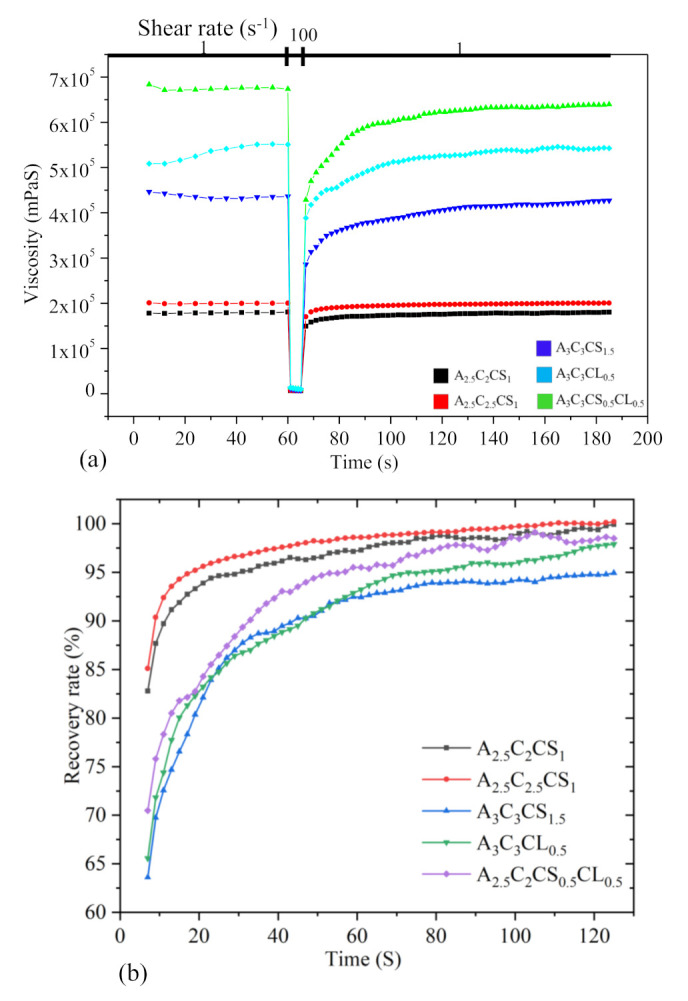
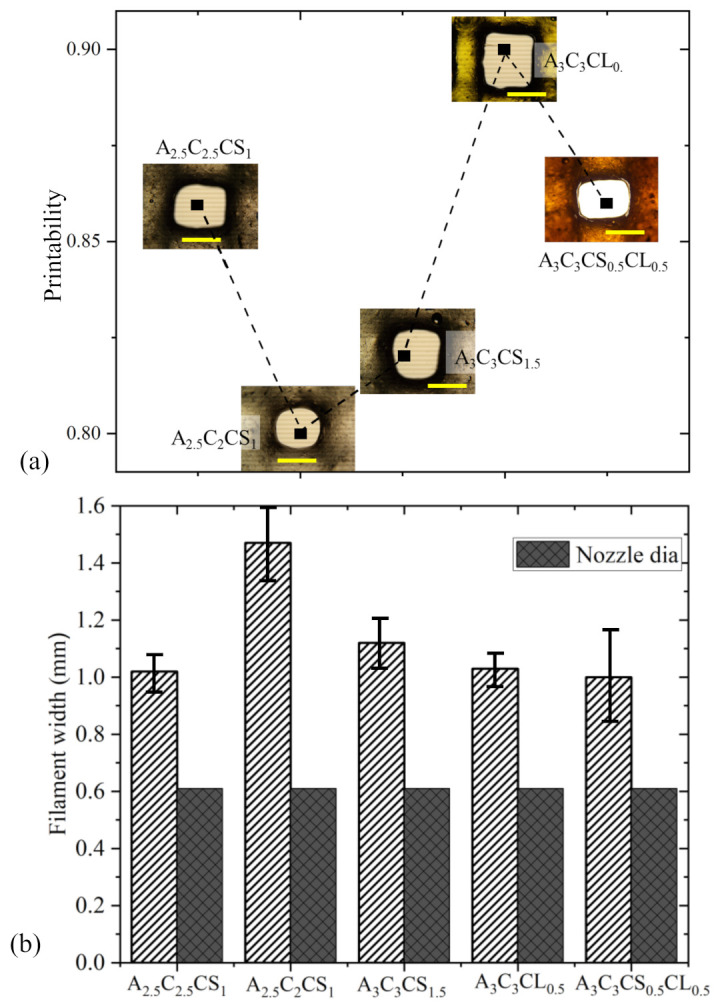
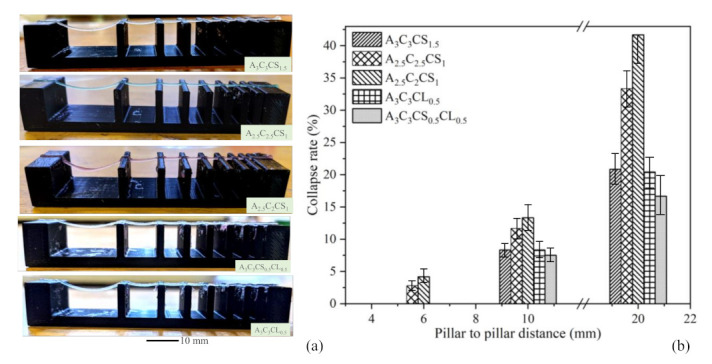
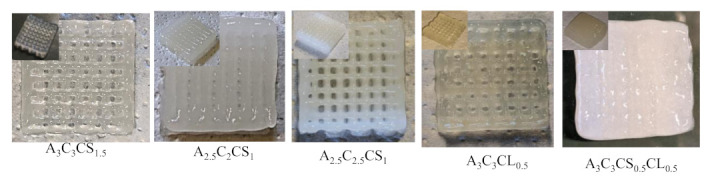
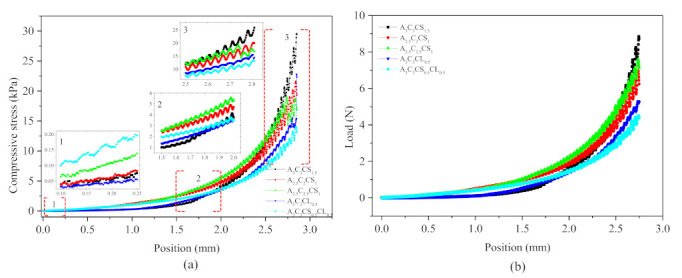
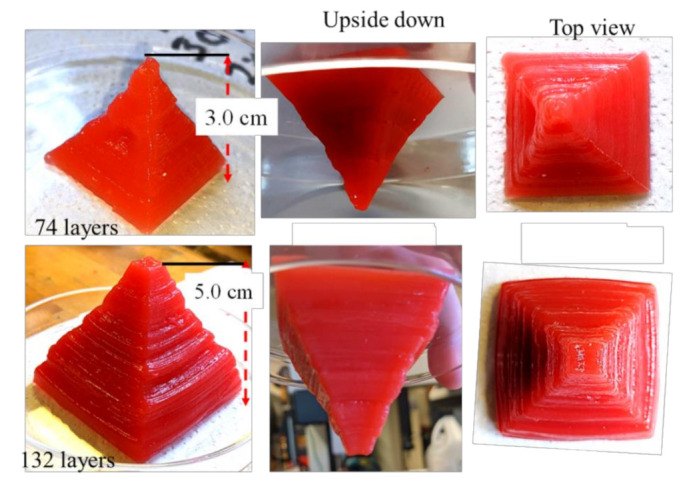
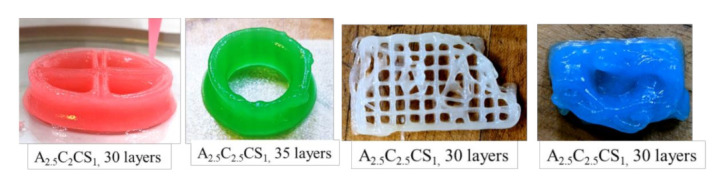
Maintaining shape fidelity of 3D bio-printed scaffolds with soft biomaterials is an ongoing challenge. Here, a rheological investigation focusing on identifying useful physical and mechanical properties directly related to the geometric fidelity of 3D bio-printed scaffolds is presented. To ensure during- and post-printing shape fidelity of the scaffolds, various percentages of Carboxymethyl Cellulose (CMC) (viscosity enhancer) and different calcium salts (CaCl and CaSO, physical cross-linkers) were mixed into alginate before extrusion to realize shape fidelity. The overall solid content of Alginate-Carboxymethyl Cellulose (CMC) was limited to 6%. A set of rheological tests, e.g., flow curves, amplitude tests, and three interval thixotropic tests, were performed to identify and compare the shear-thinning capacity, gelation points, and recovery rate of various compositions. The geometrical fidelity of the fabricated scaffolds was defined by printability and collapse tests. The effect of using multiple cross-linkers simultaneously was assessed. Various large-scale scaffolds were fabricated (up to 5.0 cm) using a pre-crosslinked hybrid. Scaffolds were assessed for the ability to support the growth of Escherichia coli using the Most Probable Number technique to quantify bacteria immediately after inoculation and 24 h later. This pre-crosslinking-based rheological property controlling technique can open a new avenue for 3D bio-fabrication of scaffolds, ensuring proper geometry.
保持 3D 生物打印支架的形状保真度是一个持续的挑战。在这里,我们进行了流变学研究,重点是确定与 3D 生物打印支架的几何保真度直接相关的有用物理和机械性能。为了确保支架在打印过程中和打印后的形状保真度,将不同百分比的羧甲基纤维素(CMC)(粘度增强剂)和不同的钙盐(CaCl 和 CaSO,物理交联剂)混合到海藻酸盐中,然后进行挤出以实现形状保真度。海藻酸盐-羧甲基纤维素(CMC)的总固体含量限制在 6%。进行了一组流变学测试,例如流动曲线、幅度测试和三个间隔的触变测试,以识别和比较各种成分的剪切稀化能力、胶凝点和恢复率。制造支架的几何保真度通过可打印性和坍塌测试来定义。评估了同时使用多种交联剂的效果。使用预交联的混合材料制造了各种大型支架(最大 5.0 cm)。使用最可能数技术评估支架支持大肠杆菌生长的能力,以在接种后立即和 24 小时后定量细菌。这种基于预交联的流变性能控制技术可以为支架的 3D 生物制造开辟一条新途径,确保适当的几何形状。