Unagolla Janitha M, Jayasuriya Ambalangodage C
Biomedical Engineering Program, Department of Bioengineering, College of Engineering, University of Toledo, Toledo, OH 43607, USA.
Department of Orthopedic Surgery, College of Medicine and Life Sciences, University of Toledo, Toledo, OH 43614, USA.
Appl Mater Today. 2020 Mar;18. doi: 10.1016/j.apmt.2019.100479. Epub 2019 Oct 9.
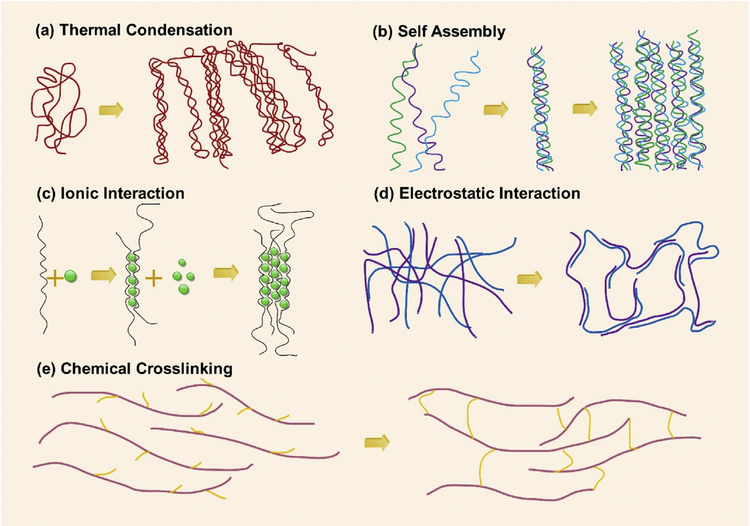
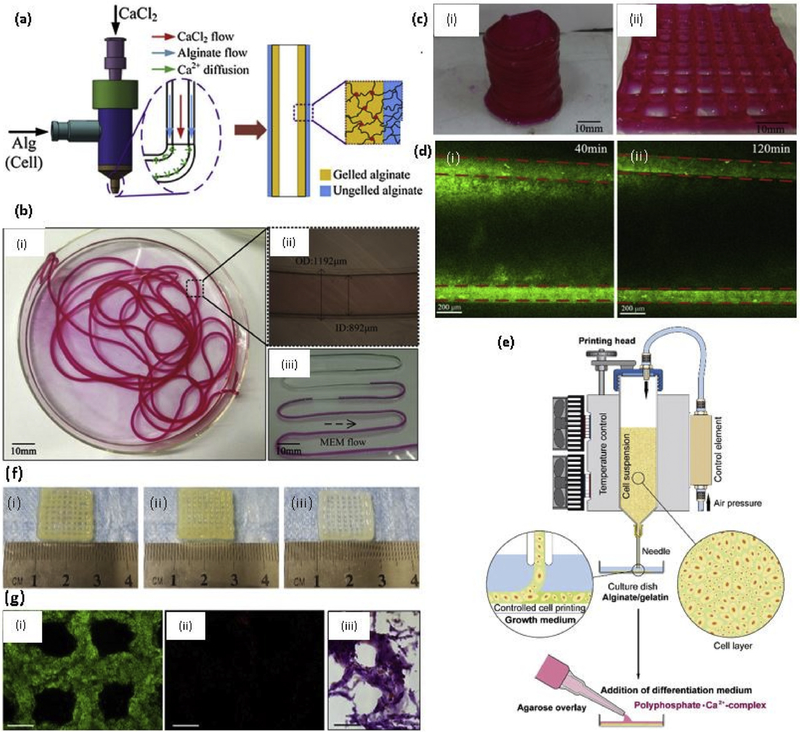
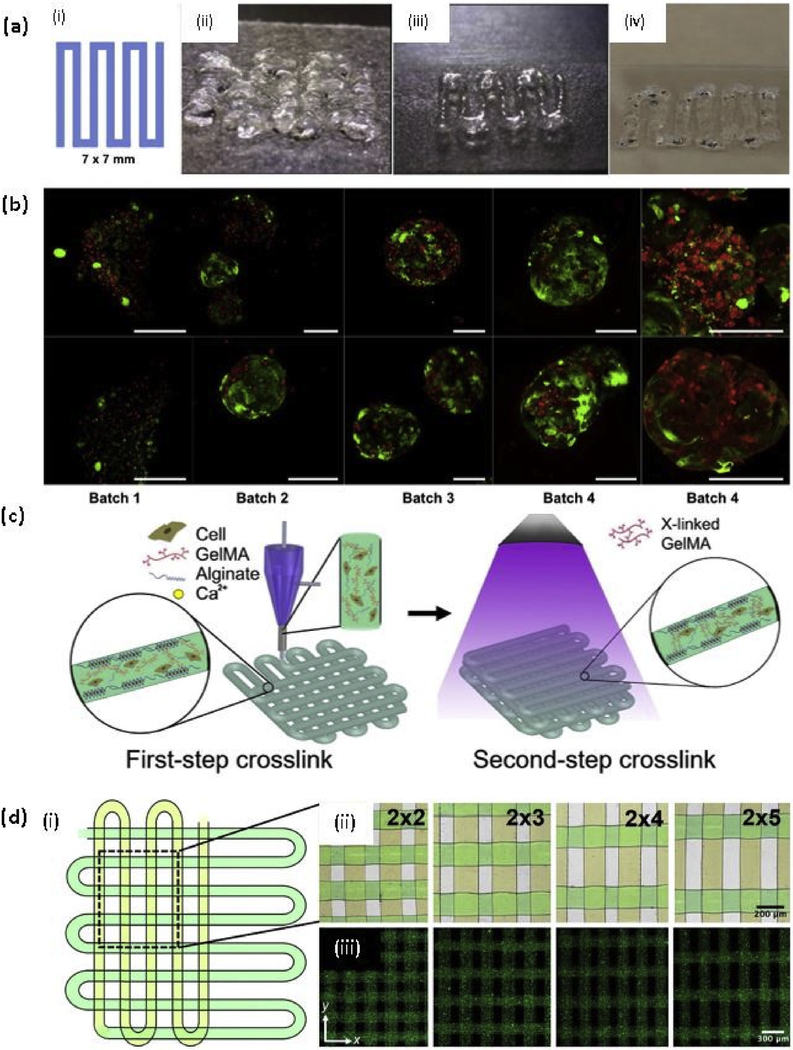
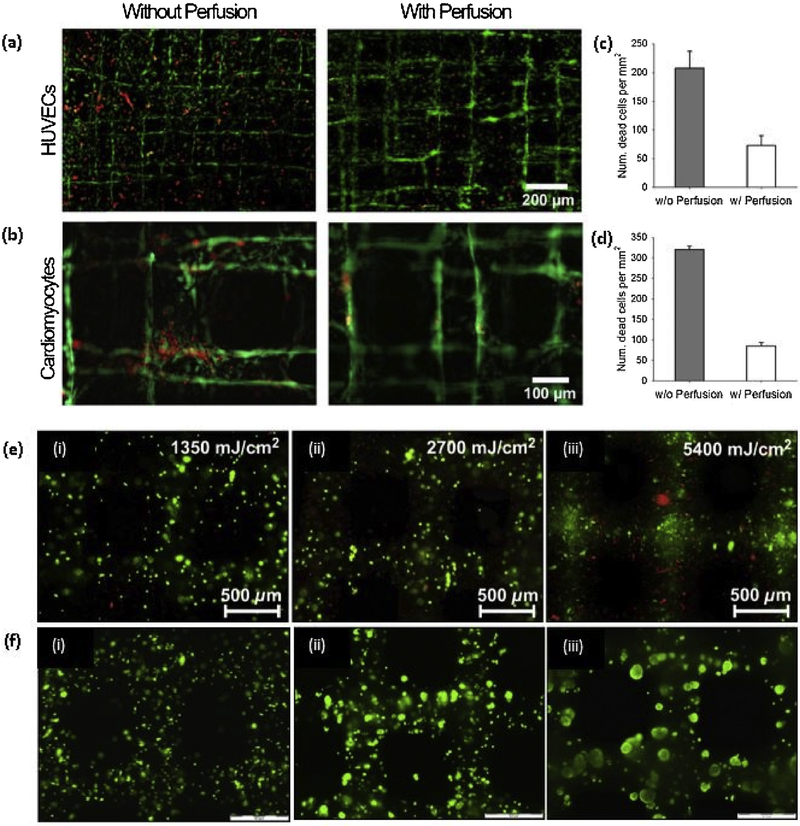
Hydrogel plays a vital role in cell-laden three dimensional (3D) bioprinting, whereas those hydrogels mimic the physical and biochemical characteristics of native extracellular matrix (ECM). The complex microenvironment of the ECM does not replicate from the traditional static microenvironment of the hydrogel, but the evolution of the 3D bioprinting facilitates to accommodate the dynamic modulation and spatial heterogeneity of the hydrogel system. Selection of hydrogel for 3D bioprinting depends on the printing techniques including microextrusion, inkjet, laser-assisted printing, and stereolithography. In this review, we specifically cover the 3D printable hydrogels where cells can be encapsulated without significant reduction in the cell viability. The recent research highlights of the most widely used hydrogel materials are elucidated in terms of stability of the hydrogel system, cross-linking method, support cell types and their post-printing cell viability. Also, the techniques used to improve the mechanical and biological properties of the hydrogels, such as adding various organic and inorganic materials and making microchannels, are discussed. Furthermore, the recent advances in vascularized tissue construct and scaffold-free bioprinting as a promising method for vascularization are covered in this review. The recent trends in four-dimensional (4D) bioprinting as a stimuli-responsive formation of new organs, and 3D bioprinting based organ-on-chip systems are also discussed.
水凝胶在载细胞三维(3D)生物打印中起着至关重要的作用,这些水凝胶模拟天然细胞外基质(ECM)的物理和生化特性。ECM的复杂微环境并非源于水凝胶传统的静态微环境,但3D生物打印的发展有助于适应水凝胶系统的动态调节和空间异质性。用于3D生物打印的水凝胶的选择取决于打印技术,包括微挤压、喷墨、激光辅助打印和立体光刻。在本综述中,我们特别介绍了可用于3D打印的水凝胶,在其中细胞能够被包封且细胞活力不会显著降低。从水凝胶系统的稳定性、交联方法、支持的细胞类型及其打印后细胞活力等方面阐述了最广泛使用的水凝胶材料的最新研究亮点。此外,还讨论了用于改善水凝胶机械和生物学性能的技术,如添加各种有机和无机材料以及制造微通道。此外,本综述还涵盖了血管化组织构建体和无支架生物打印作为一种有前景的血管化方法的最新进展。还讨论了作为新器官刺激响应形成的四维(4D)生物打印以及基于3D生物打印的芯片上器官系统的最新趋势。