Harutyunyan Aida A, Harutyunyan Hayk A, Yenkoyan Konstantin B
Department of Biochemistry, Yerevan State Medical University After Mkhitar Heratsi, Yerevan, Armenia.
Laboratory of Neuroscience, Cobrain Center, Yerevan State Medical University After Mkhitar Heratsi, Yerevan, Armenia.
Front Psychiatry. 2021 Dec 22;12:788779. doi: 10.3389/fpsyt.2021.788779. eCollection 2021.
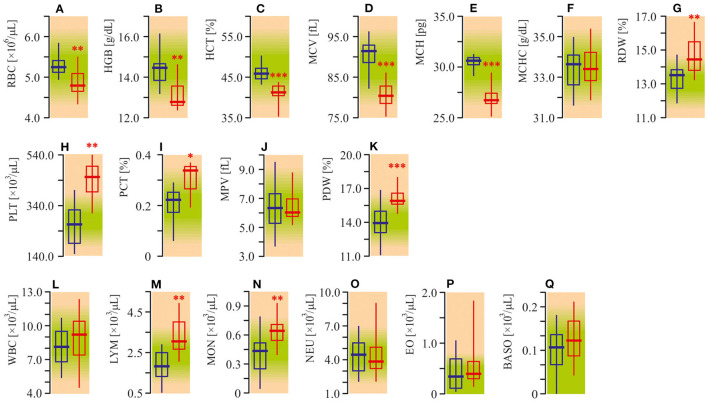
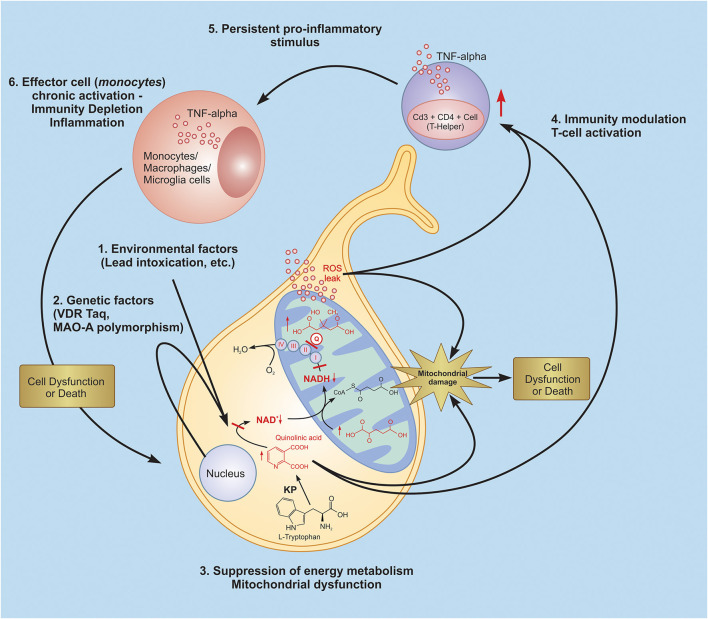
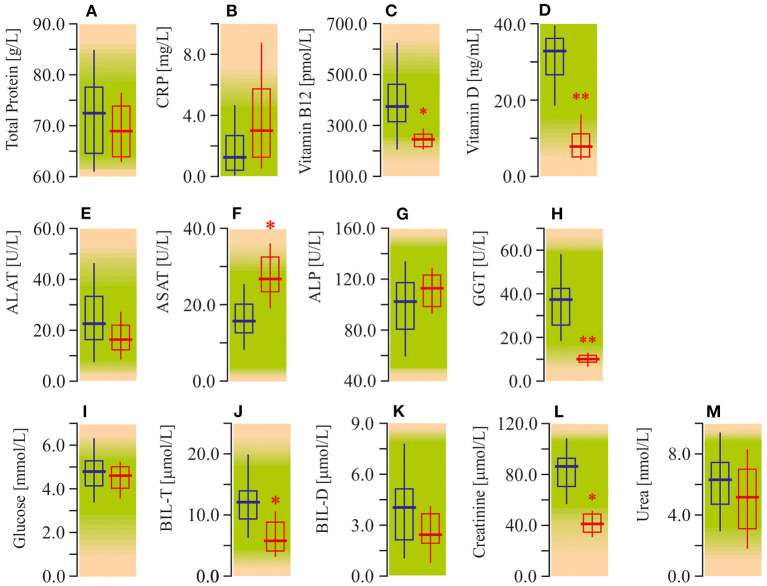
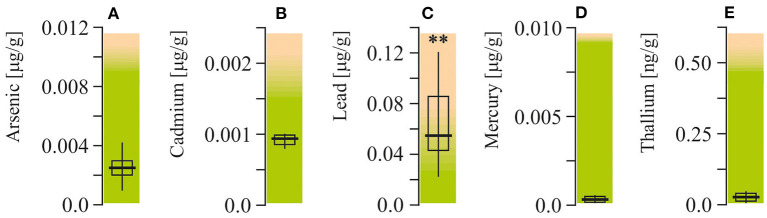
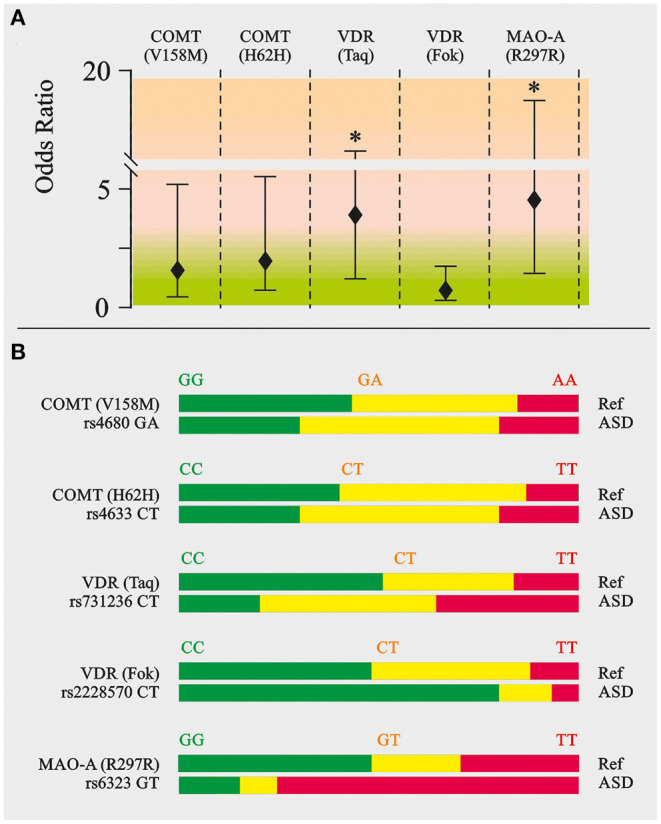
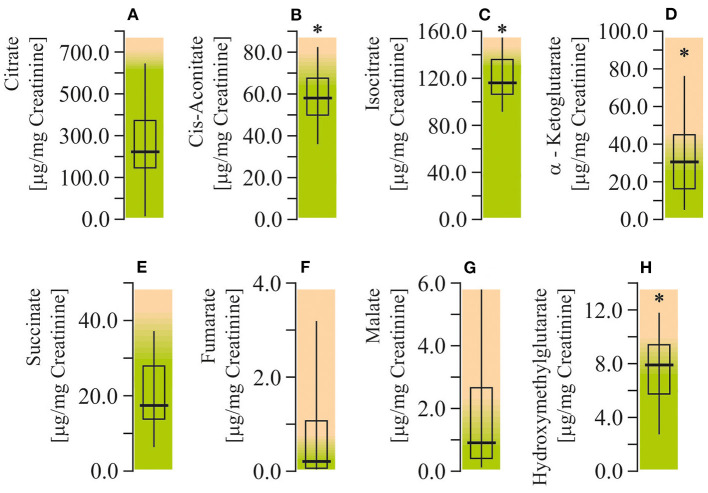
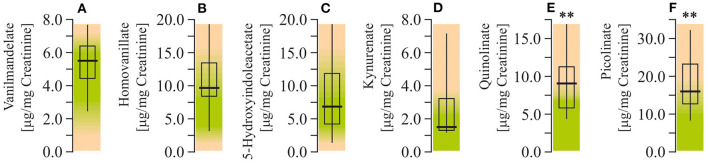
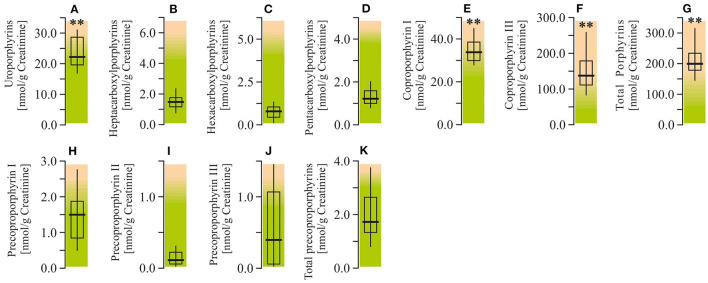
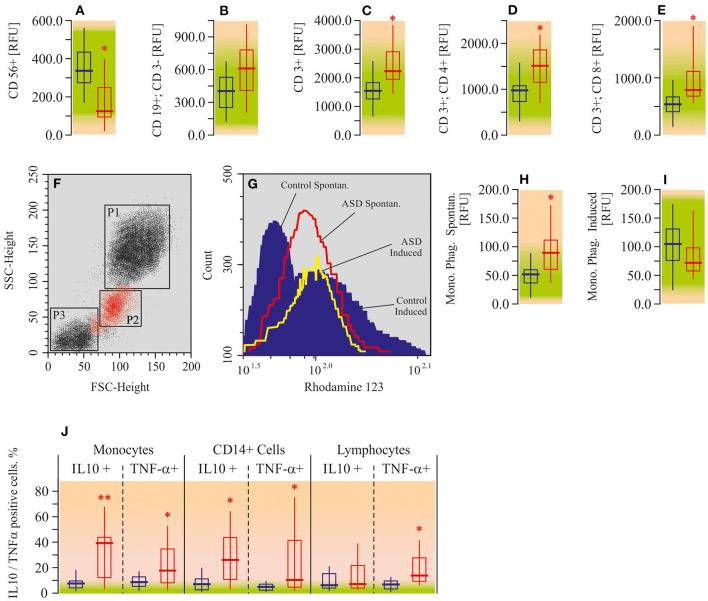
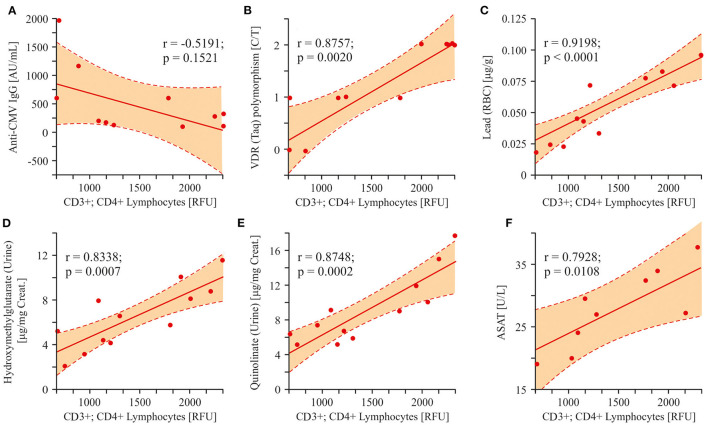
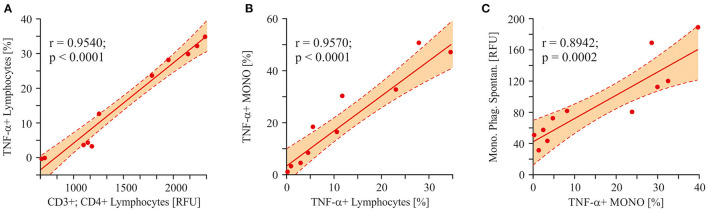
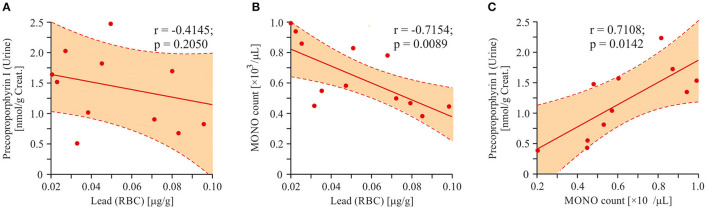
Autism Spectrum Disorder (ASD) is characterized by persistent deficits in social communication and restricted-repetitive patterns of behavior, interests, or activities. ASD is generally associated with chronic inflammatory states, which are linked to immune system dysfunction and/or hyperactivation. The latter might be considered as one of the factors damaging neuronal cells. Several cell types trigger and sustain such neuroinflammation. In this study, we traced different markers of immune system activation on both cellular (immune cell phenotypes) and mediatory levels (production of cytokines) alongside adverse hematology and biochemistry screening in a group of autistic children. In addition, we analyzed the main metabolic pathways potentially involved in ASD development: energy (citric acid cycle components), porphyrin, and neurotransmitter metabolism. Several ASD etiological factors, like heavy metal intoxication, and risk factors-genetic polymorphisms of the relevant neurotransmitters and vitamin D receptors-were also analyzed. Finally, broad linear regression analysis allowed us to elucidate the possible scenario that led to the development of chronic inflammation in ASD patients. Obtained data showed elevated levels of urinary cis-aconitate, isocitrate, alfa-ketoglutarate, and HMG. There were no changes in levels of metabolites of monoamine neurotransmitters, however, the liver-specific tryptophan kinurenine pathway metabolites showed increased levels of quinolinate (QUIN) and picolinate, whereas the level of kynurenate remained unchanged. Abovementioned data demonstrate the infringement in energy metabolism. We found elevated levels of lead in red blood cells, as well as altered porphyrin metabolism, which support the etiological role of heavy metal intoxication in ASD. Lead intoxication, the effect of which is intensified by a mutation of the VDR-Taq and MAO-A, leads to quinolinic acid increase, resulting in energy metabolism depletion and mitochondrial dysfunction. Moreover, our data backing the CD4+CD3+ T-cell dependence of mitochondrial dysfunction development in ASD patients reported in our previous study leads us to the conclusion that redox-immune cross-talk is considered a main functional cell damaging factor in ASD patients.
自闭症谱系障碍(ASD)的特征是社交沟通持续存在缺陷,以及行为、兴趣或活动存在局限重复模式。ASD通常与慢性炎症状态相关,这与免疫系统功能障碍和/或过度激活有关。后者可能被视为损害神经元细胞的因素之一。几种细胞类型会引发并维持这种神经炎症。在本研究中,我们在一组自闭症儿童中,追踪了免疫系统激活在细胞(免疫细胞表型)和介导水平(细胞因子产生)上的不同标志物,同时进行了不良血液学和生物化学筛查。此外,我们分析了可能参与ASD发展的主要代谢途径:能量(柠檬酸循环成分)、卟啉和神经递质代谢。还分析了一些ASD病因因素,如重金属中毒,以及风险因素——相关神经递质和维生素D受体的基因多态性。最后,广泛的线性回归分析使我们能够阐明导致ASD患者慢性炎症发展的可能情况。获得的数据显示尿中顺乌头酸、异柠檬酸、α-酮戊二酸和HMG水平升高。单胺神经递质的代谢物水平没有变化,然而,肝脏特异性色氨酸犬尿氨酸途径代谢物显示喹啉酸(QUIN)和吡啶甲酸水平升高,而犬尿酸水平保持不变。上述数据表明能量代谢受到了侵犯。我们发现红细胞中铅水平升高,以及卟啉代谢改变,这支持了重金属中毒在ASD中的病因学作用。铅中毒在VDR-Taq和MAO-A突变的作用下会加剧,导致喹啉酸增加,从而导致能量代谢耗竭和线粒体功能障碍。此外,我们的数据支持我们之前研究中报道的ASD患者线粒体功能障碍发展对CD4+CD3+ T细胞的依赖性,这使我们得出结论,氧化还原-免疫相互作用被认为是ASD患者主要的功能性细胞损伤因素。