Liu Huixing, Peng Daoquan
Department of Cardiovascular Medicine, The Second Xiangya Hospital of Central South University, Changsha, Hunan, China.
Endocr Connect. 2022 Feb 7;11(2):e210002. doi: 10.1530/EC-21-0002.
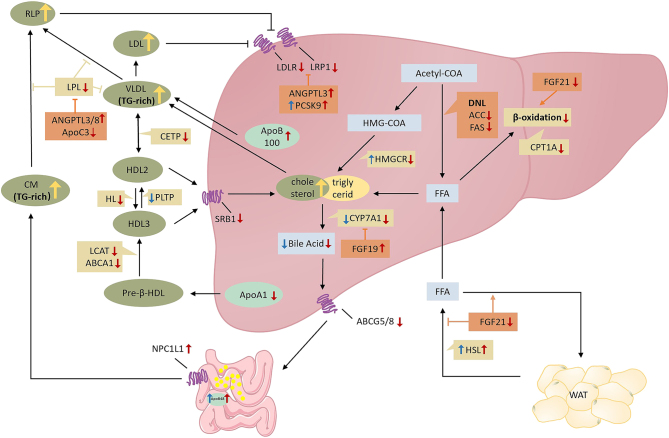
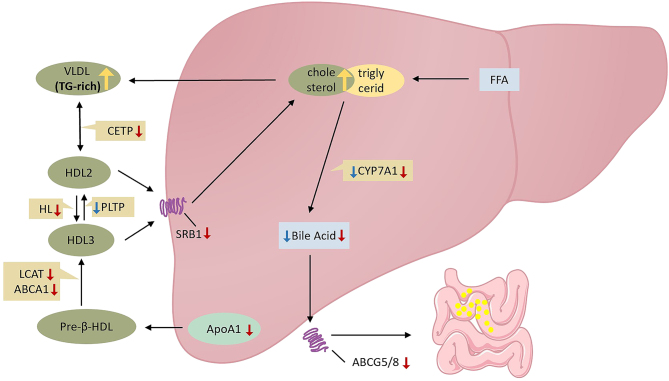
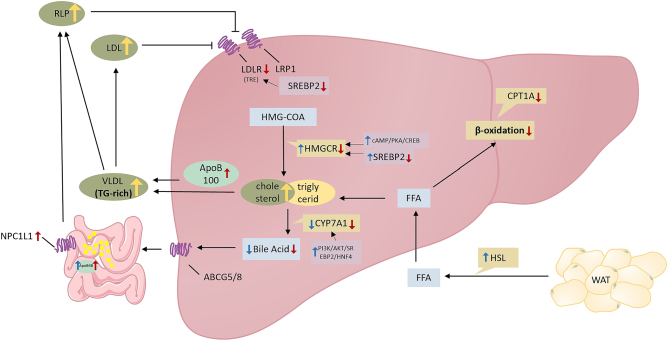
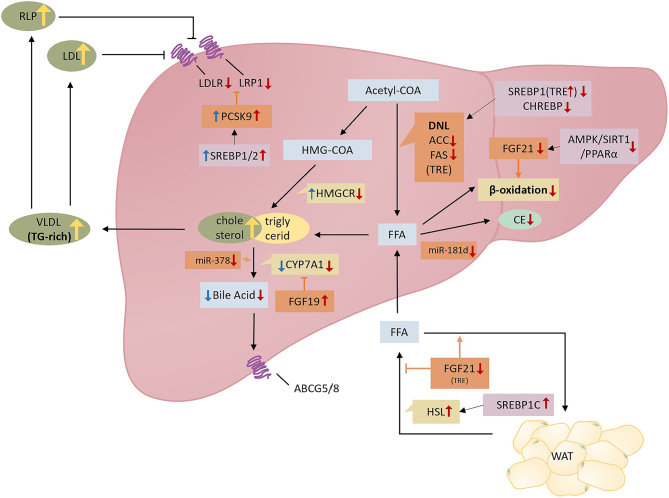
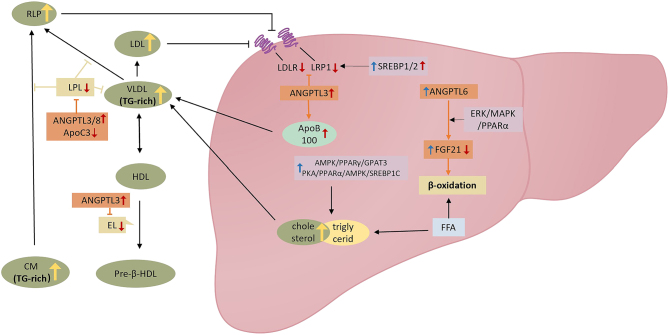
Hypothyroidism is often associated with elevated serum levels of total cholesterol, LDL-C and triglycerides. Thyroid hormone (TH) affects the production, clearance and transformation of cholesterol, but current research shows that thyroid-stimulating hormone (TSH) also participates in lipid metabolism independently of TH. Therefore, the mechanism of hypothyroidism-related dyslipidemia is associated with the decrease of TH and the increase of TSH levels. Some newly identified regulatory factors, such as proprotein convertase subtilisin/kexin type 9, angiogenin-like proteins and fibroblast growth factors are the underlying causes of dyslipidemia in hypothyroidism. HDL serum concentration changes were not consistent, and its function was reportedly impaired. The current review focuses on the updated understanding of the mechanism of hypothyroidism-related dyslipidemia.
甲状腺功能减退常伴有血清总胆固醇、低密度脂蛋白胆固醇和甘油三酯水平升高。甲状腺激素(TH)影响胆固醇的产生、清除和转化,但目前的研究表明,促甲状腺激素(TSH)也独立于TH参与脂质代谢。因此,甲状腺功能减退相关血脂异常的机制与TH降低和TSH水平升高有关。一些新发现的调节因子,如前蛋白转化酶枯草杆菌蛋白酶/kexin 9型、血管生成素样蛋白和成纤维细胞生长因子是甲状腺功能减退血脂异常的潜在原因。高密度脂蛋白血清浓度变化不一致,据报道其功能受损。本综述重点关注对甲状腺功能减退相关血脂异常机制的最新认识。