School of Pharmacy, Queen's University Belfast, 97 Lisburn Road, Belfast, BT9 7BL, UK.
Drug Deliv Transl Res. 2023 Aug;13(8):2096-2109. doi: 10.1007/s13346-022-01115-8. Epub 2022 Jan 11.
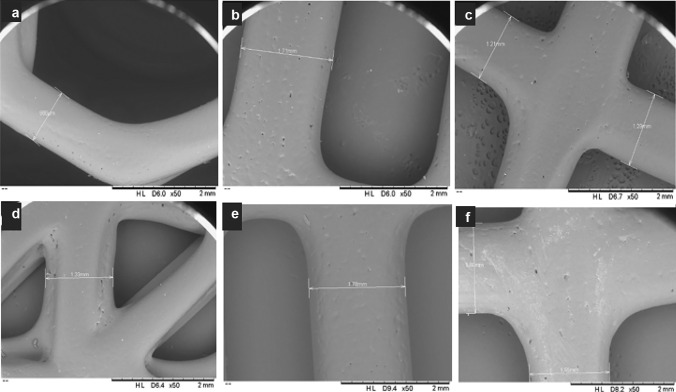
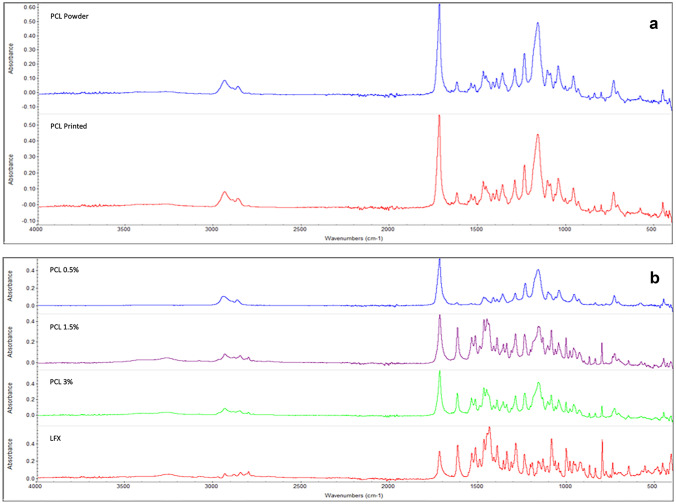
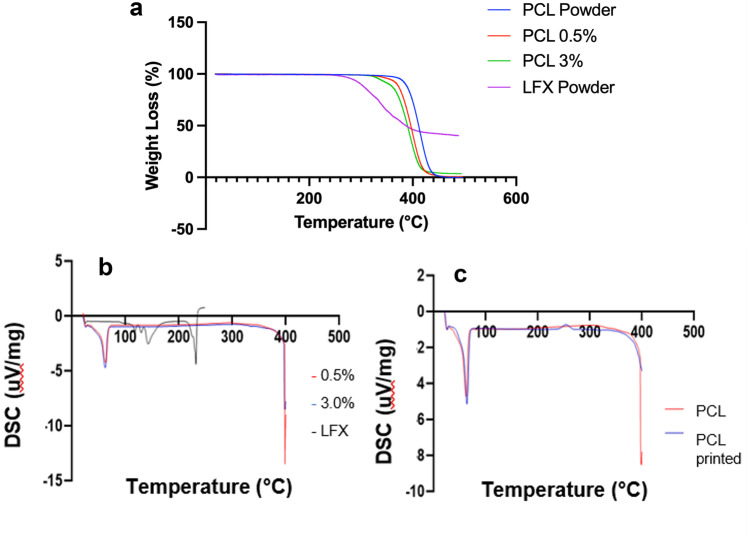
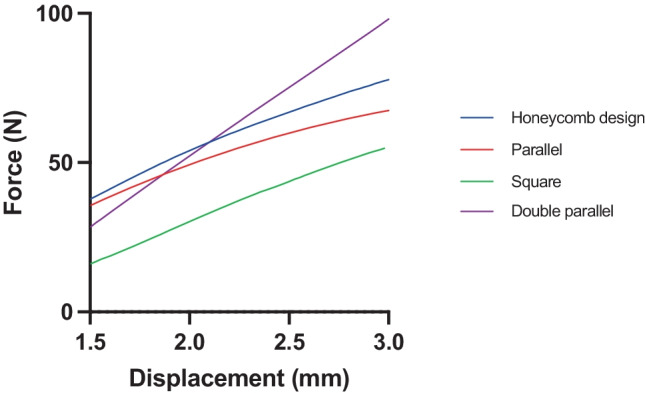
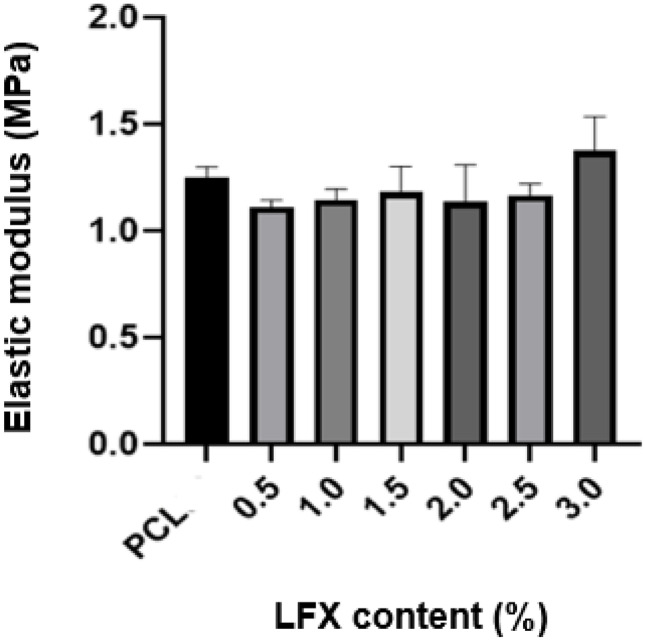
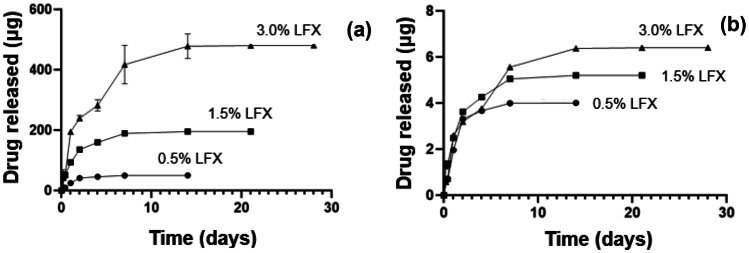
The treatment strategy required for the effective healing of diabetic foot ulcer (DFU) is a complex process that is requiring several combined therapeutic approaches. As a result, there is a significant clinical and economic burden associated in treating DFU. Furthermore, these treatments are often unsuccessful, commonly resulting in lower-limb amputation. The use of drug-loaded scaffolds to treat DFU has previously been investigated using electrospinning and fused deposition modelling (FDM) 3D printing techniques; however, the rapidly evolving field of bioprinting is creating new opportunities for innovation within this research area. In this study, 3D-bioprinted scaffolds with different designs have been fabricated for the delivery of an antibiotic (levoflocixin) to DFU. The scaffolds were fully characterised by a variety of techniques (e.g. SEM, DSC/TGA, FTIR, and mechanical characterisation), demonstrating excellent mechanical properties and providing sustained drug release for 4 weeks. This proof of concept study demonstrates the innovative potential of bioprinting technologies in fabrication of antibiotic scaffolds for the treatment of DFU.
治疗糖尿病足溃疡 (DFU) 的有效方法需要综合多种治疗方法,这是一个复杂的过程。因此,DFU 的治疗会带来显著的临床和经济负担。此外,这些治疗方法往往效果不佳,通常会导致下肢截肢。先前已经使用静电纺丝和熔融沉积建模 (FDM) 3D 打印技术研究了载药支架治疗 DFU 的方法;然而,生物打印领域的快速发展为该研究领域的创新创造了新的机会。在这项研究中,使用不同设计的 3D 生物打印支架来输送抗生素(左氧氟沙星)至 DFU。通过各种技术(例如 SEM、DSC/TGA、FTIR 和机械特性)对支架进行了全面表征,结果表明其具有优异的机械性能,并能在 4 周内持续释放药物。这项概念验证研究证明了生物打印技术在制造抗生素支架以治疗 DFU 方面的创新潜力。