Fu Jiang-Nan, Wang Xing, Yang Meng, Chen You-Rong, Zhang Ji-Ying, Deng Rong-Hui, Zhang Zi-Ning, Yu Jia-Kuo, Yuan Fu-Zhen
Department of Sports Medicine, Peking University Third Hospital, Beijing, China.
Institute of Sports Medicine of Peking University, Beijing, China.
Front Bioeng Biotechnol. 2022 Jan 11;9:812383. doi: 10.3389/fbioe.2021.812383. eCollection 2021.
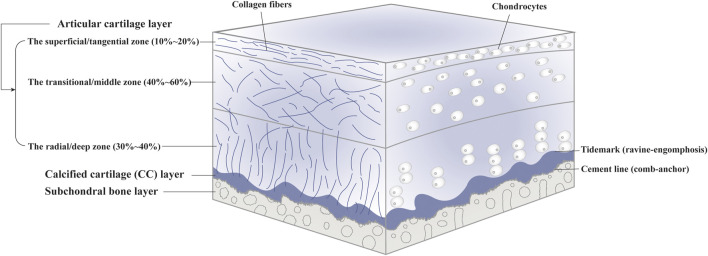
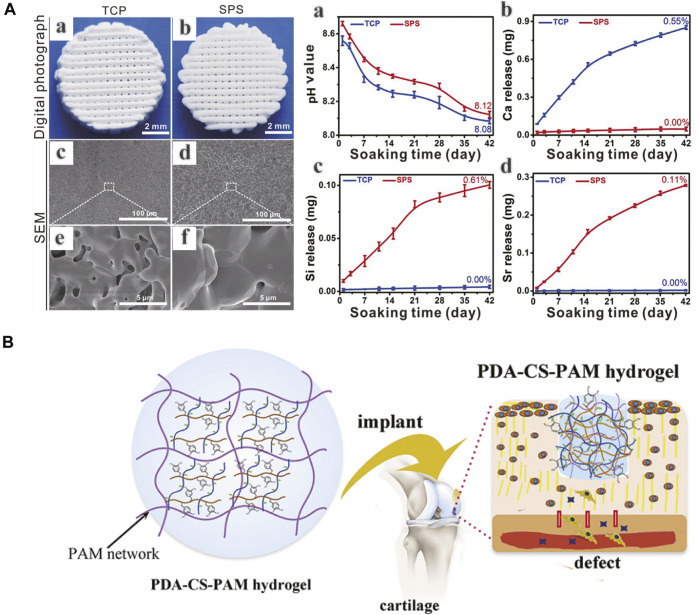
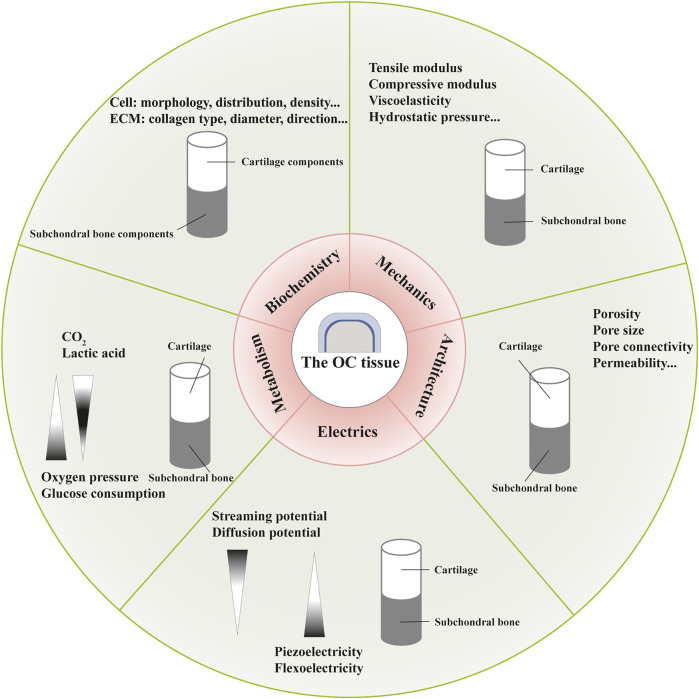
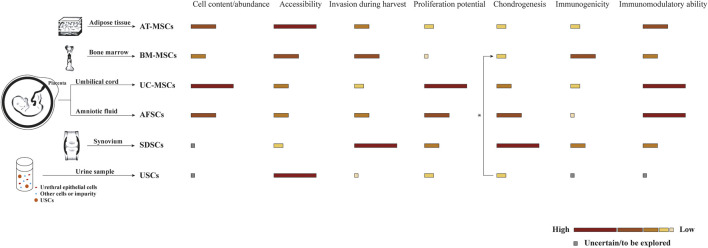
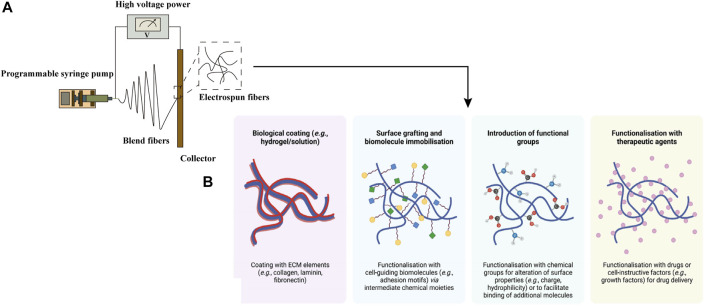
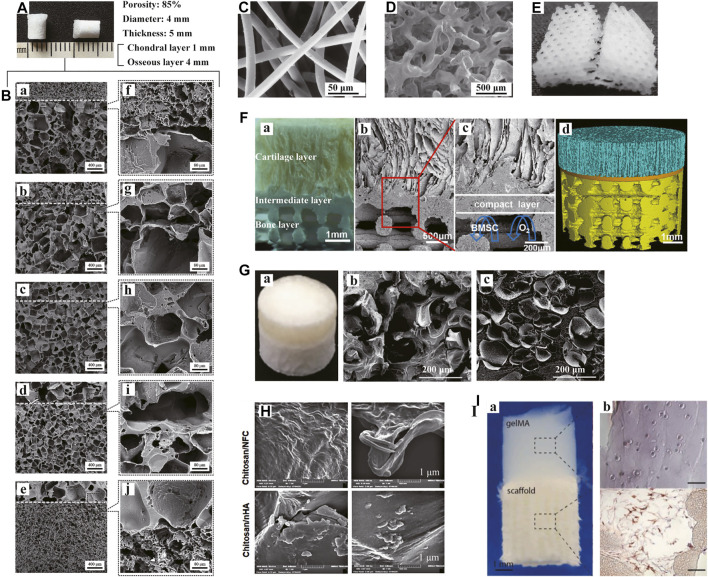
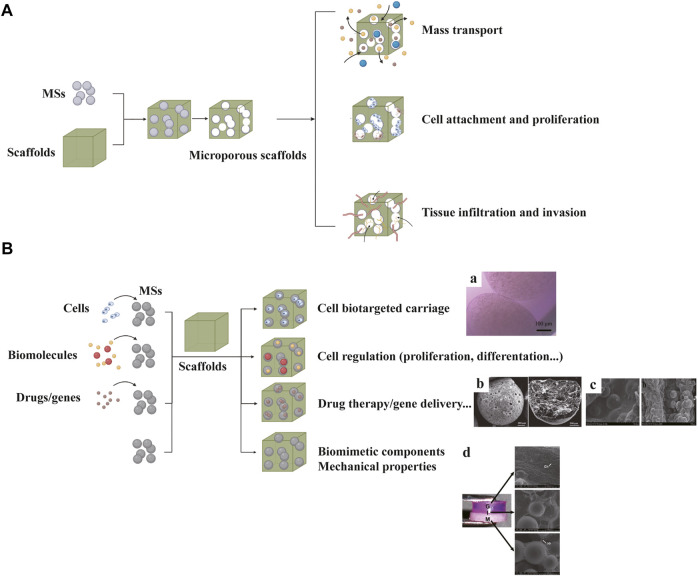
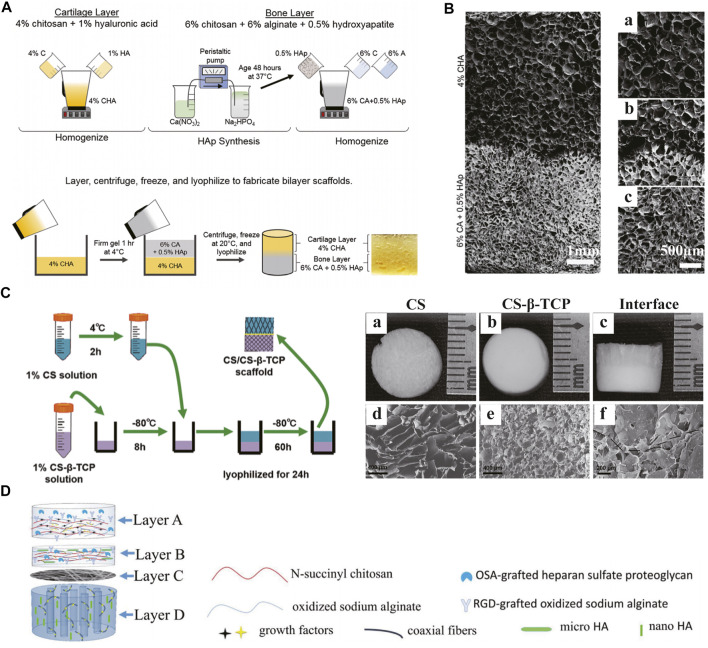
Over centuries, several advances have been made in osteochondral (OC) tissue engineering to regenerate more biomimetic tissue. As an essential component of tissue engineering, scaffolds provide structural and functional support for cell growth and differentiation. Numerous scaffold types, such as porous, hydrogel, fibrous, microsphere, metal, composite and decellularized matrix, have been reported and evaluated for OC tissue regeneration and , with respective advantages and disadvantages. Unfortunately, due to the inherent complexity of organizational structure and the objective limitations of manufacturing technologies and biomaterials, we have not yet achieved stable and satisfactory effects of OC defects repair. In this review, we summarize the complicated gradients of natural OC tissue and then discuss various osteochondral tissue engineering strategies, focusing on scaffold design with abundant cell resources, material types, fabrication techniques and functional properties.
几个世纪以来,骨软骨(OC)组织工程在再生更具仿生学的组织方面取得了一些进展。作为组织工程的一个重要组成部分,支架为细胞生长和分化提供结构和功能支持。已经报道并评估了多种支架类型,如多孔支架、水凝胶支架、纤维支架、微球支架、金属支架、复合支架和脱细胞基质支架用于OC组织再生,各有优缺点。不幸的是,由于组织结构固有的复杂性以及制造技术和生物材料的客观局限性,我们尚未实现OC缺损修复的稳定且令人满意的效果。在这篇综述中,我们总结了天然OC组织复杂的梯度结构,然后讨论了各种骨软骨组织工程策略,重点是具有丰富细胞资源、材料类型、制造技术和功能特性的支架设计。