Liu Yushuai, Geng Yuanyuan, Yue Beilei, Lo Pui-Chi, Huang Jing, Jin Honglin
Department of Ophthalmology, Union Hospital, Tongji Medical College, Huazhong University of Science and Technology, Wuhan, China.
College of Biomedicine and Health and College of Life Science and Technology, Huazhong Agricultural University, Wuhan, China.
Front Immunol. 2022 Jan 17;12:832942. doi: 10.3389/fimmu.2021.832942. eCollection 2021.
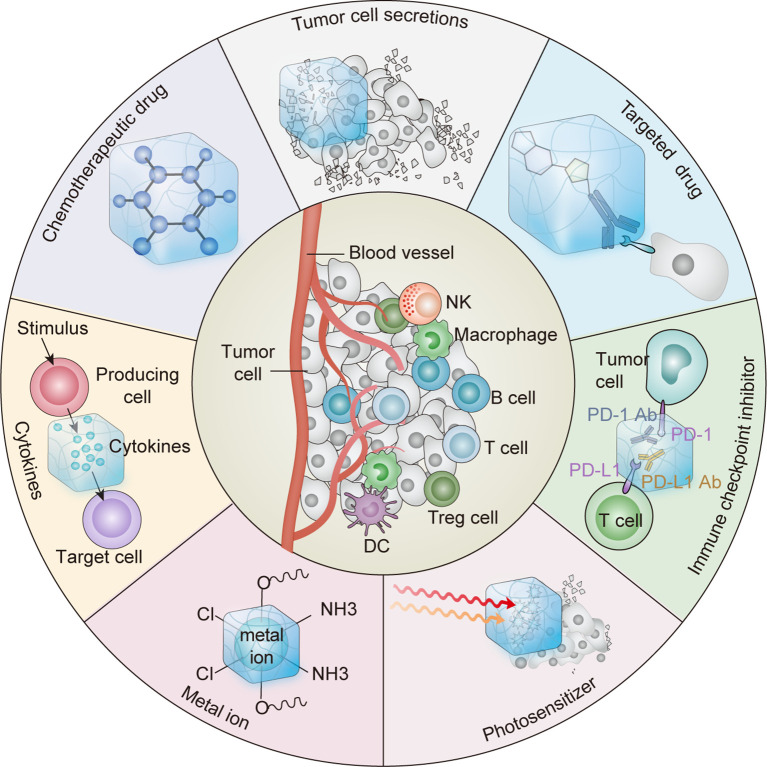
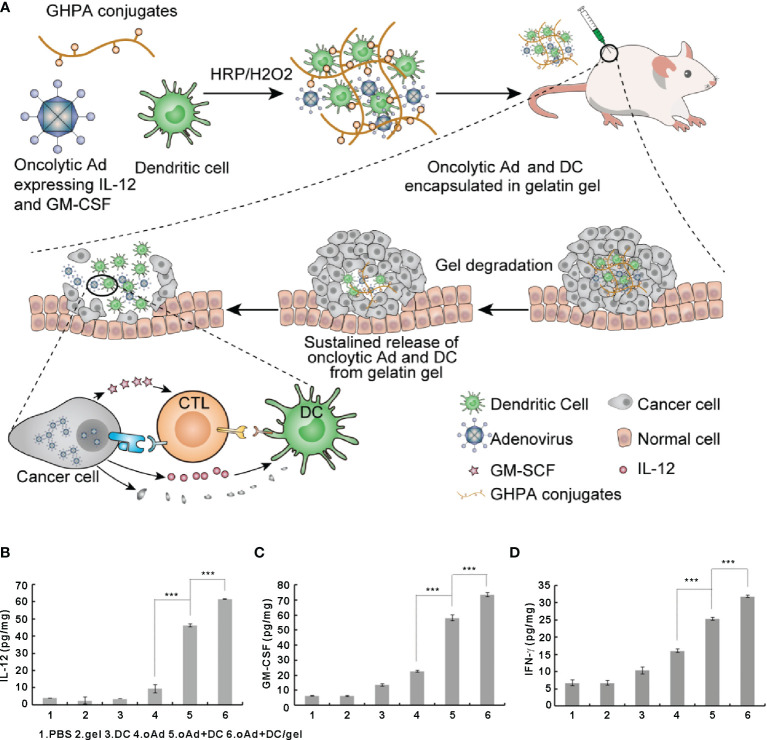
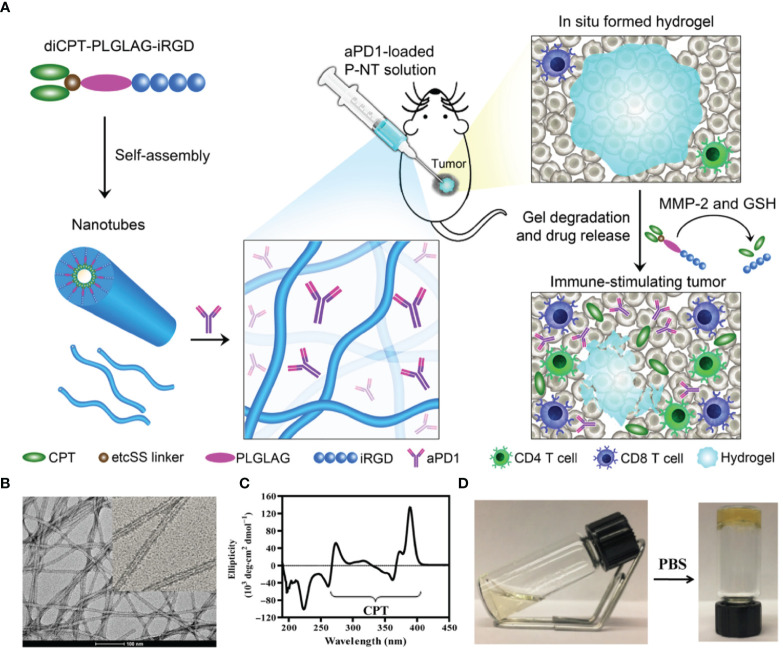
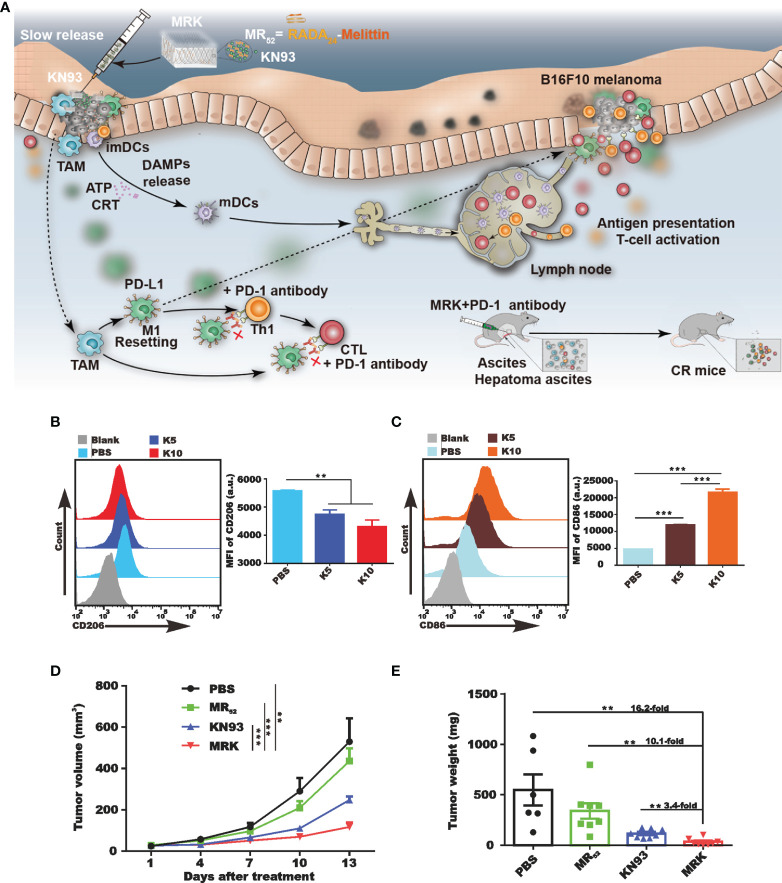
Cancer immunotherapy can boost the immune response of patients to eliminate tumor cells and suppress tumor metastasis and recurrence. However, immunotherapy resistance and the occurrence of severe immune-related adverse effects are clinical challenges that remain to be addressed. The tumor microenvironment plays a crucial role in the therapeutic efficacy of cancer immunotherapy. Injectable hydrogels have emerged as powerful drug delivery platforms offering good biocompatibility and biodegradability, minimal invasion, convenient synthesis, versatility, high drug-loading capacity, controlled drug release, and low toxicity. In this review, we summarize the application of injectable hydrogels as a unique platform for targeting the immunosuppressive tumor microenvironment.
癌症免疫疗法可以增强患者的免疫反应,以消除肿瘤细胞,并抑制肿瘤转移和复发。然而,免疫疗法耐药性以及严重免疫相关不良反应的发生是仍有待解决的临床挑战。肿瘤微环境在癌症免疫疗法的治疗效果中起着关键作用。可注射水凝胶已成为强大的药物递送平台,具有良好的生物相容性和生物降解性、微创性、合成方便、多功能性、高载药量、可控药物释放以及低毒性。在本综述中,我们总结了可注射水凝胶作为靶向免疫抑制性肿瘤微环境的独特平台的应用。