Huang Shengnan, Gao Yanan, Wang Ziwei, Yang Xue, Wang Jiaqi, Zheng Nan
Key Laboratory of Quality & Safety Control for Milk and Dairy Products of Ministry of Agriculture and Rural Affairs Institute of Animal Sciences Chinese Academy of Agricultural Sciences Beijing China.
Laboratory of Quality and Safety Risk Assessment for Dairy Products of Ministry of Agriculture and Rural Affairs Institute of Animal Sciences Chinese Academy of Agricultural Sciences Beijing China.
Food Sci Nutr. 2022 Jan 18;10(2):564-576. doi: 10.1002/fsn3.2682. eCollection 2022 Feb.
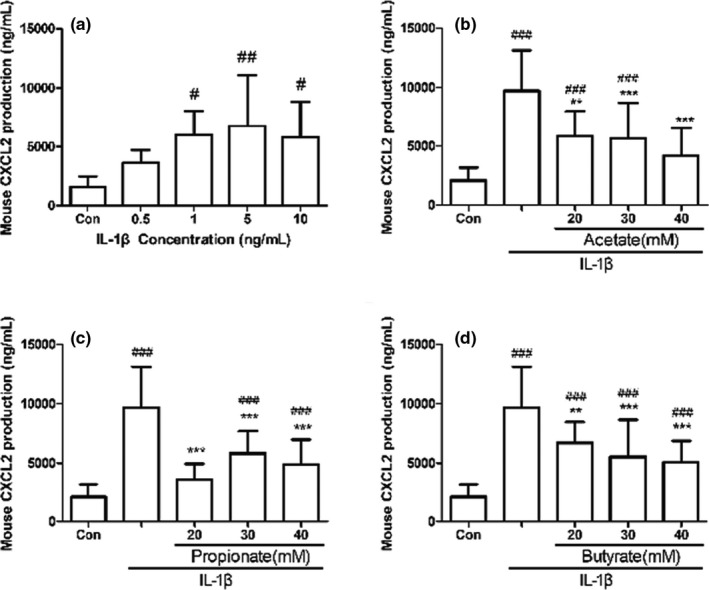
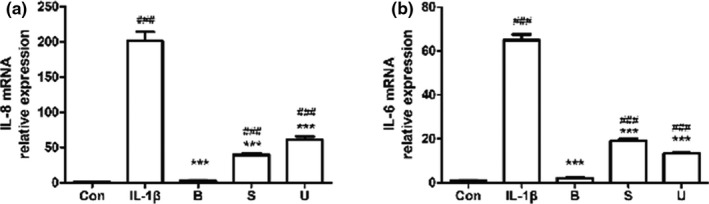
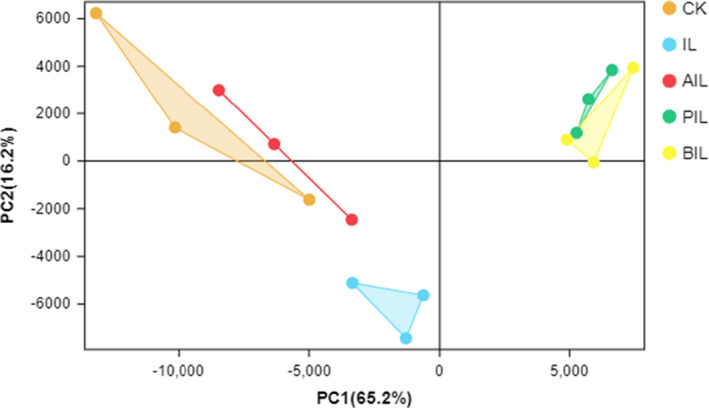
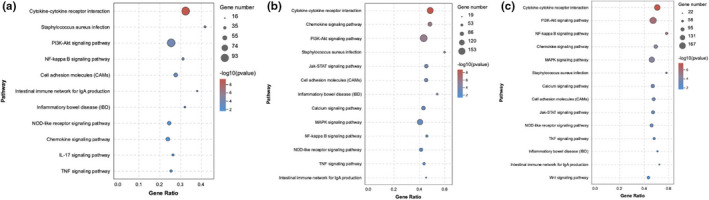
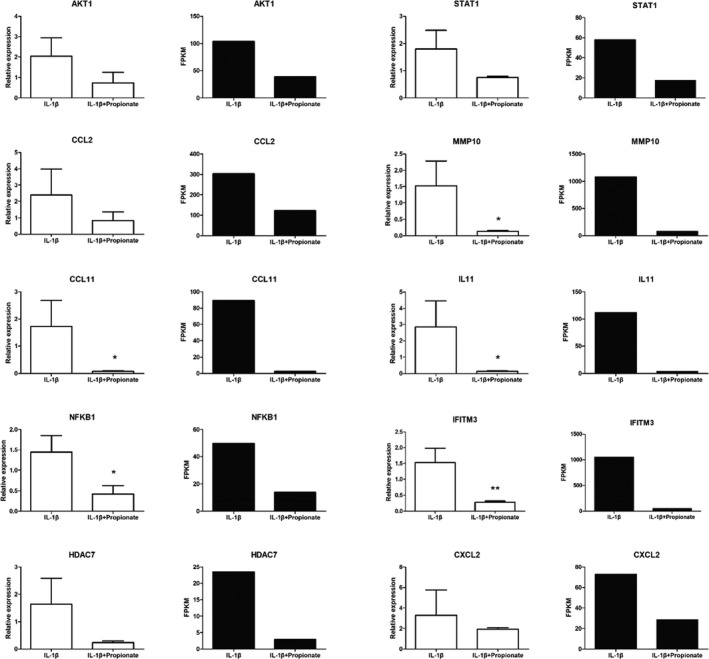
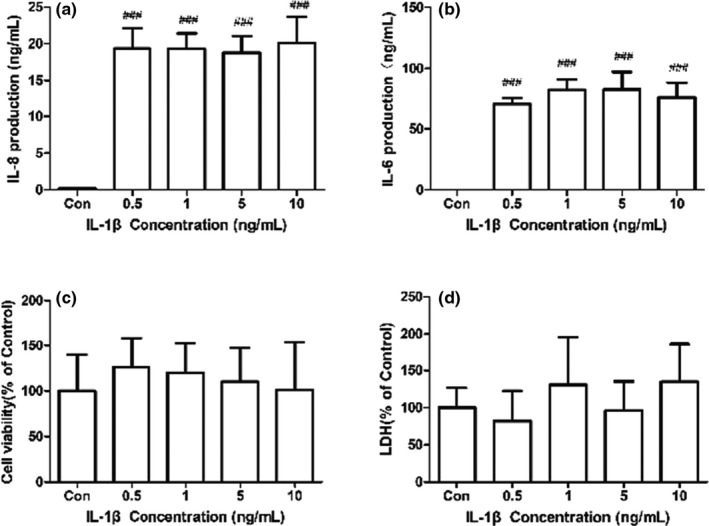
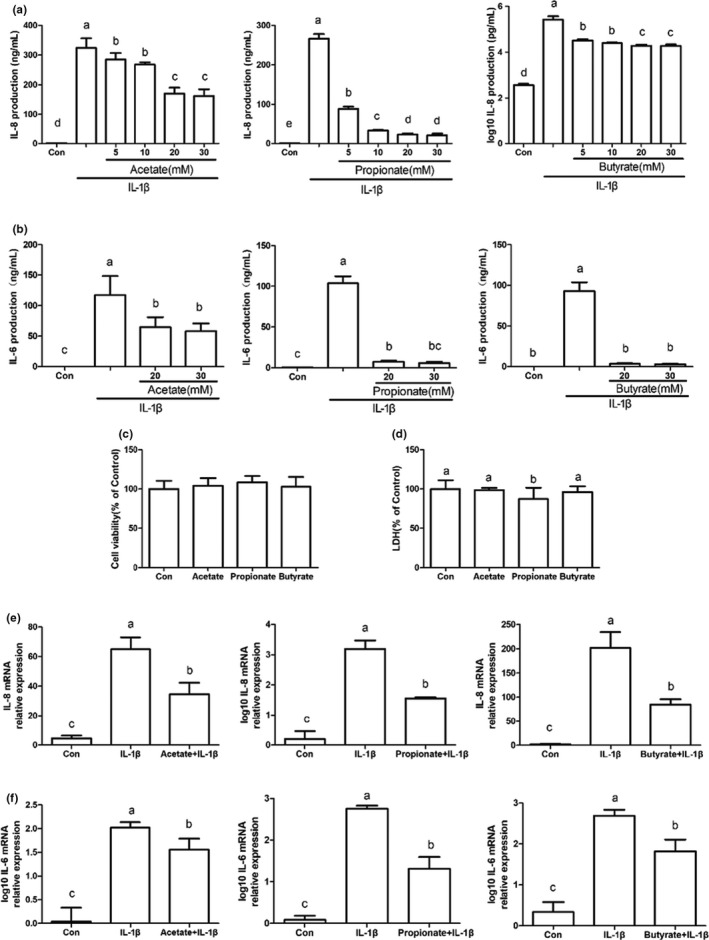
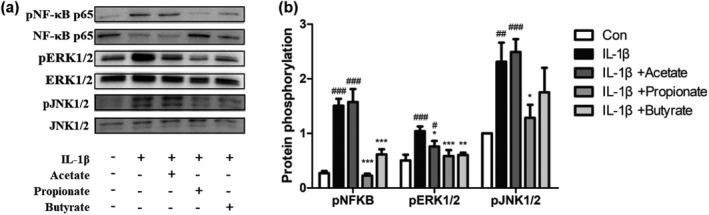
Necrotizing enterocolitis (NEC) is an intestinal disease that frequently occurs in premature infants. Presently, there is no effective therapy for NEC. Therefore, the key to reduce the incidence rate of NEC is to take effective intervention measures as early as possible. Short-chain fatty acids (SCFAs) (acetate, propionate, and butyrate), the principal terminal products of enterobacteria fermentation, play anti-inflammatory actions in mature intestinal cells. However, few studies focus on their roles in immature intestine. Here, we evaluated the anti-inflammatory actions of SCFAs ex vivo with ICR fetal mouse jejunum cultures and explored the potential anti-inflammatory regulators through RNA-seq and then verified them in vitro with human fetal small intestinal epithelial FHs 74 Int cells. In this study, we found that acetate, propionate, and butyrate decreased IL-1β-induced production of CXCL2 ex vivo and IL-8 and IL-6 in vitro significantly ( < .05). Furthermore, the inhibitors of NF-κB p65, JNK1/2, and ERK1/2 pathways, which were selected from RNA-seq and depressed by SCFAs, also significantly decreased IL-8 and IL-6 productions induced by IL-1β ( < .05). Therefore, our results showed that acetate, propionate, and butyrate ameliorated the fetal small intestine inflammatory response induced by IL-1β through inhibiting ERK1/2 pathway; NF-κB p65, JNK1/2, and ERK1/2 pathways; or NF-κB p65 and ERK1/2 pathways, respectively. These findings suggested that SCFAs may be a new therapy agent for NEC.
坏死性小肠结肠炎(NEC)是一种常见于早产儿的肠道疾病。目前,尚无针对NEC的有效治疗方法。因此,降低NEC发病率的关键在于尽早采取有效干预措施。短链脂肪酸(SCFAs)(乙酸盐、丙酸盐和丁酸盐)是肠杆菌发酵的主要终产物,在成熟肠道细胞中发挥抗炎作用。然而,很少有研究关注它们在未成熟肠道中的作用。在此,我们用ICR胎鼠空肠培养物在体外评估了SCFAs的抗炎作用,并通过RNA测序探索了潜在的抗炎调节因子,然后在体外用人胎儿小肠上皮FH 74 Int细胞对其进行了验证。在本研究中,我们发现乙酸盐、丙酸盐和丁酸盐在体外显著降低了IL-1β诱导的CXCL2生成,在体外显著降低了IL-8和IL-6的生成(P<0.05)。此外,从RNA测序中筛选出并被SCFAs抑制的NF-κB p65、JNK1/2和ERK1/2通路抑制剂,也显著降低了IL-1β诱导的IL-8和IL-6生成(P<0.05)。因此,我们的结果表明,乙酸盐、丙酸盐和丁酸盐分别通过抑制ERK1/2通路、NF-κB p65、JNK1/2和ERK1/2通路或NF-κB p65和ERK1/2通路,改善了IL-1β诱导的胎儿小肠炎症反应。这些发现提示SCFAs可能是一种治疗NEC的新型治疗药物。